
The permanent suspension of summer skiing operations on the Horstman Glacier at Whistler Blackcomb marks a definitive turning point for the North American winter sports industry, signaling an era where climate change is no longer a future projection but a present-day operational reality. For Mike Douglas, a professional skier and Salomon brand ambassador often referred to as the "Godfather of Freeskiing," the loss of this iconic training ground is the culmination of three decades of environmental observation. What began as a personal realization for Douglas during his early days as a mogul skier and coach in the 1990s has evolved into a comprehensive corporate and advocacy movement led by Salomon and the non-profit organization Protect Our Winters (POW).
The Environmental Decline of the Horstman Glacier
The Horstman Glacier, located on Blackcomb Mountain in British Columbia, served for decades as a global hub for summer ski camps and high-level athletic development. During the 1990s, the glacier was a bustling epicenter of activity throughout July and August, providing a stable platform for freestyle skiing, snowboarding, and race training. However, the geological and meteorological stability of the site began to deteriorate rapidly after the turn of the millennium.
In 2020, Whistler Blackcomb management made the difficult decision to remove the Horstman T-bar, a lift that had been in operation since 1987. The retreat of the glacier had reached a point where the ice beneath the lift towers was no longer sufficient to support the infrastructure safely. By 2023, the resort officially announced that summer skiing operations would be suspended indefinitely. This decision was driven by a combination of receding ice mass, increasing rock exposure, and the logistical impossibility of maintaining a safe skiing surface in the face of rising summer temperatures.
Data from the University of Northern British Columbia and various glaciological studies indicate that glaciers in the Canadian Rockies and Coast Mountains are losing mass at an accelerating rate. Some projections suggest that up to 70% of the glacier ice in British Columbia and Alberta could disappear by the year 2100 if current warming trends continue. The Horstman Glacier’s closure is a localized manifestation of this global phenomenon, serving as a stark reminder that the geography of outdoor recreation is being fundamentally redrawn.
The Evolution of Mike Douglas: From Athlete to Advocate
Mike Douglas’s career trajectory mirrors the shifting priorities of the outdoor industry. In the 1990s, Douglas was at the forefront of the "New School" skiing movement, helping to develop the first twin-tip skis with Salomon and pushing the boundaries of what was possible in terrain parks and the backcountry. During this period, the environmental impact of the sport was rarely a primary concern for athletes or manufacturers.
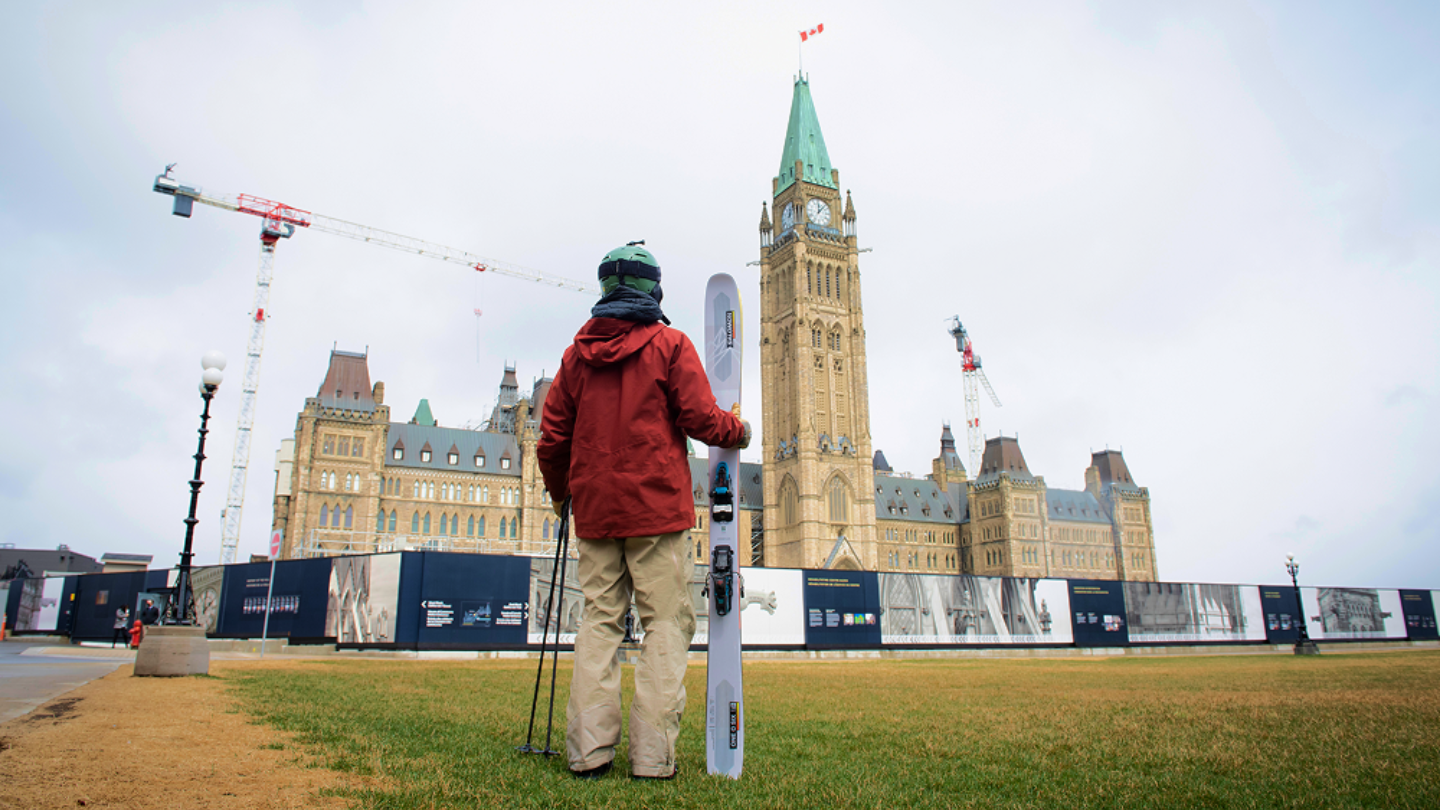
However, Douglas’s constant presence on the mountains allowed him to witness the physical transformation of the landscape. "When I was training and working at Whistler Blackcomb in the 1990s, the Horstman Glacier was a proving ground for curious outdoor enthusiasts looking to transition into serious athletes," Douglas noted. The realization that the winters of his youth were becoming shorter and more volatile led him to join the Protect Our Winters (POW) Canada Alliance in 2018.
As a member of the POW Alliance, Douglas has leveraged his platform to bridge the gap between high-performance sports and environmental stewardship. He serves as a critical link between the technical product development teams at Salomon’s headquarters in Annecy, France, and the practical, on-the-ground realities of climate change. His role has expanded beyond that of a traditional athlete; he is now a filmmaker, a production company owner, and a vocal advocate for policy change, frequently engaging with lawmakers to discuss the economic importance of preserving winter ecosystems.
Salomon’s Strategic Pivot Toward Responsible Manufacturing
For a global sports equipment manufacturer like Salomon, addressing climate change requires more than just public statements; it necessitates a complete overhaul of the supply chain and production methods. The outdoor industry has historically relied on energy-intensive manufacturing processes and materials derived from fossil fuels, such as plastics and synthetic fibers.
Salomon has responded to this challenge by implementing a multi-faceted sustainability strategy focused on three key areas: circularity, carbon reduction, and transparency. One of the brand’s flagship initiatives is the development of the "Index" series of recyclable footwear, designed to be disassembled and repurposed at the end of its life cycle. This shift toward a circular economy model aims to reduce the volume of waste sent to landfills and decrease the demand for virgin raw materials.
In the realm of winter sports equipment, Salomon is exploring bio-sourced materials and recycled resins to maintain the performance standards required by professional athletes while lowering the environmental footprint of each product. The company has also committed to reducing its absolute carbon emissions by 30% by 2030, in alignment with the Science Based Targets initiative (SBTi).
Douglas highlights the importance of these corporate shifts: "Salomon produces sports equipment for a global market, so small changes in production, supply chain, and how we move athletes around the world can add up to significant benefits." This includes optimizing logistics to reduce air freight, sourcing renewable energy for manufacturing facilities, and rethinking the traditional "pro-deal" model to encourage product longevity rather than frequent replacement.
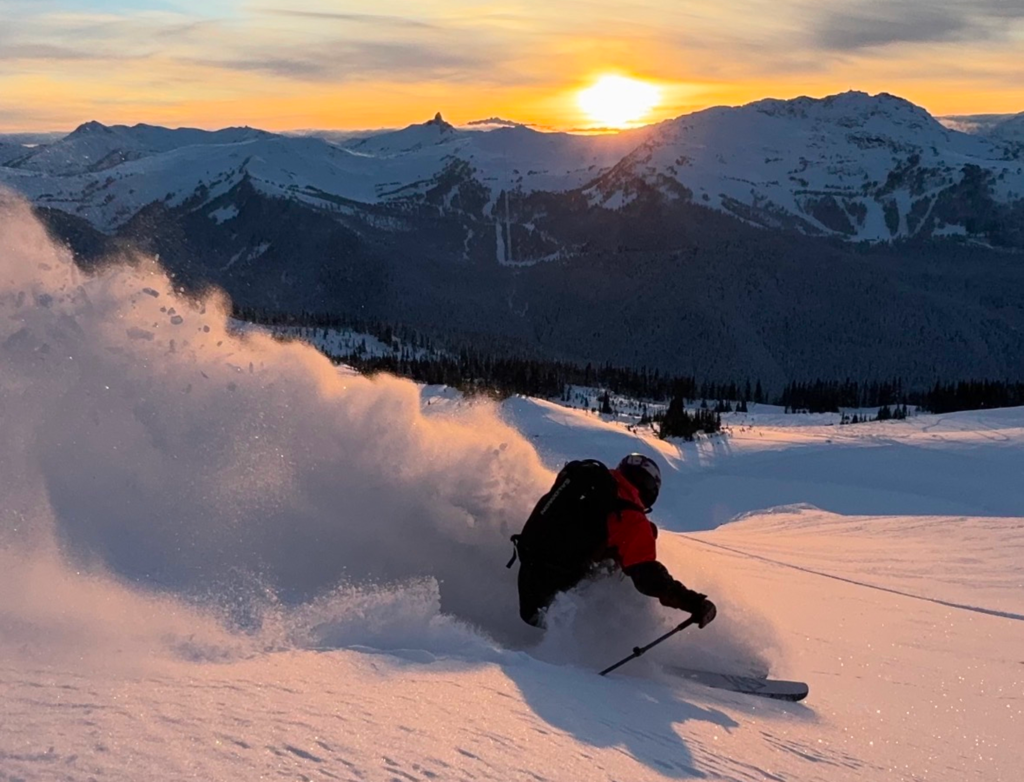
The Partnership Between Salomon and Protect Our Winters
The collaboration between Salomon and Protect Our Winters (POW) represents a strategic alignment between the private sector and the advocacy community. While Salomon focuses on internal operational changes, POW provides the framework for systemic political and social advocacy.
This partnership is manifested through several key initiatives:
- Athlete Advocacy Training: Salomon supports POW in training its roster of athletes to become effective climate communicators. This ensures that when athletes like Douglas speak about climate change, their message is grounded in science and aimed at actionable policy goals.
- The Quality Ski Time (QST) Tour: This initiative combines community engagement with climate education, bringing the conversation about winter preservation directly to ski resorts and local communities.
- Film and Media Production: By funding and promoting films that highlight the beauty of the mountains and the threats they face, Salomon and POW reach millions of viewers, moving the needle on public awareness and political will.
According to POW representatives, the involvement of major brands like Salomon is crucial because it lends corporate legitimacy to climate advocacy. When a multi-million dollar company advocates for carbon pricing or renewable energy investment, it carries a different weight in legislative circles than the pleas of individual activists.
Economic and Cultural Implications for the Outdoor Industry
The loss of summer skiing on the Horstman Glacier is not merely a blow to athlete training; it has significant economic implications for the surrounding region. Whistler Blackcomb is a major driver of the British Columbia tourism economy, and the reduction of year-round operations affects seasonal employment, hospitality revenue, and the global brand of the resort.
Furthermore, the shrinking snowpack and retreating glaciers pose a threat to the cultural identity of mountain towns. For decades, these communities have been built around the rhythm of the seasons. As winters become more unpredictable—characterized by "atmospheric rivers" that bring rain instead of snow—the viability of traditional ski resort business models is being called into question.
The industry-wide reality is that the outdoor sector is uniquely vulnerable to the climate crisis. Unlike other industries that can relocate or adapt their infrastructure, winter sports are tied to specific geographical and climatic conditions. This vulnerability has led to a newfound sense of urgency among stakeholders who previously remained on the sidelines of environmental debates.

A Fact-Based Analysis of the Path Forward
The path toward a sustainable future for winter sports requires a dual approach: mitigation and adaptation. Mitigation involves the drastic reduction of greenhouse gas emissions across all sectors of the economy to prevent the worst-case warming scenarios. Adaptation involves the development of new technologies and strategies to cope with the changes that are already "baked into" the system due to past emissions.
For Salomon and Mike Douglas, advocacy is the most powerful tool for mitigation. By influencing policy at the provincial and federal levels, they aim to accelerate the transition to a clean energy economy. Simultaneously, adaptation is seen in the resort industry’s investment in sophisticated snowmaking technology and the diversification of summer activities that do not rely on glacial ice.
However, snowmaking is an energy- and water-intensive process that serves as a temporary fix rather than a long-term solution. The ultimate survival of the industry depends on global climate stability. As Douglas emphasizes, the window for effective action is closing. The transition from the "powder days" of the 1990s to the courtroom and boardroom advocacy of the 2020s reflects a necessary evolution.
Conclusion: The Responsibility of Leadership
The story of the Horstman Glacier, Mike Douglas, and Salomon is a microcosm of the broader challenges facing the global community. It illustrates the transition from a period of relative environmental stability and ignorance to an era of crisis and required action.
Salomon’s commitment to responsible manufacturing and its partnership with Protect Our Winters set a benchmark for other corporations in the outdoor space. By integrating environmental considerations into the core of their business strategy—rather than treating sustainability as a secondary marketing concern—they are demonstrating that corporate integrity and profitability can coexist.
As the industry moves forward, the focus will likely shift even further toward systemic change. The individual actions of athletes and the internal improvements of brands are essential components, but they are most effective when they serve as catalysts for broader societal shifts. The legacy of the Horstman Glacier may no longer be found in the summer ski tracks of the next generation of athletes, but in the lessons it provided about the fragility of the natural world and the urgent need to protect it.

