
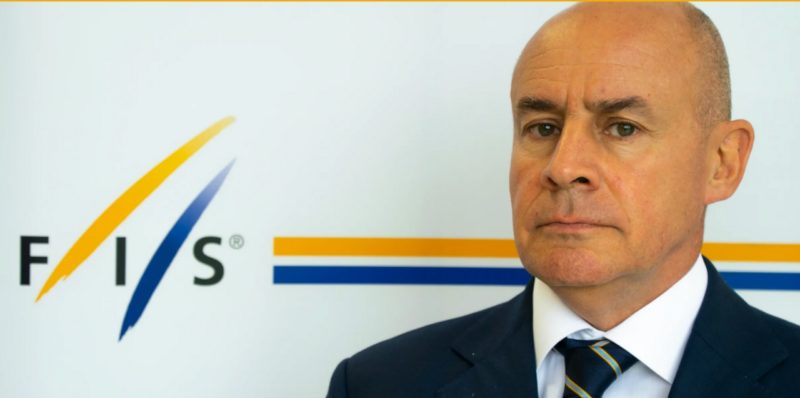
Zurich, Switzerland – April 24, 2026 – The global landscape of winter sports governance is poised for a dramatic upheaval as the International Ski & Snowboard Federation (FIS) prepares for a fiercely contested presidential election. The incumbent, Johan Eliasch, faces a significant challenge to his leadership, with four prominent figures, including Vikki Gosling OBE, the head of GB Snowsport, stepping forward to vie for the sport’s highest office. Eliasch, a British-Swedish billionaire, has spent five years at the helm of FIS, a tenure marked by both ambitious reform and considerable controversy, leading to a deeply divided membership and a field of formidable opponents.
The upcoming election, scheduled for June 11, 2026, during the FIS Congress in Belgrade, Serbia, represents a critical juncture for the organization. Eliasch, seeking a third term, has polarized opinions within the international skiing and snowboarding community. Supporters laud him as a visionary leader who has initiated much-needed modernization within an often-stagnant bureaucracy. They point to his efforts in centralizing broadcast and marketing rights, arguing these moves are crucial for generating revenue and promoting the sport on a global scale. This approach, however, has been met with staunch opposition from several established national federations, who perceive his methods as autocratic and a centralizing of power that undermines the autonomy of member nations.
Conversely, critics accuse Eliasch of running FIS like an autocrat, forcefully implementing his agenda without adequate consultation. This sentiment has fueled a strong desire for change, culminating in the emergence of multiple candidates eager to offer an alternative leadership. The deep divisions within the FIS membership were starkly evident during Eliasch’s second election bid, where a significant bloc of European nations, including Austria, Germany, Switzerland, and Croatia, walked out of the congress. Their protest stemmed from the denial of their demand for a voting mechanism that included options for "yes," "no," and "abstain," a request they argued was fundamental to democratic process. This dispute even led to a challenge in the Court of Arbitration for Sport (CAS), though the case was ultimately withdrawn, leaving the underlying tensions unresolved.

A particularly noteworthy aspect of Eliasch’s candidacy this year is his nomination by the Georgian Ski Association. While born in Sweden and holding British nationality, neither of these nations are backing his bid. FIS rules stipulate that a presidential candidate must possess a valid passport from the country of the federation that nominates them. This requirement suggests that Eliasch may have acquired Georgian nationality, a strategic move to secure the necessary nomination. This contrasts sharply with his previous election in 2021, where he was nominated by the British federation. His previous bid for the presidency of the International Olympic Committee (IOC) last year also saw him identified as a British candidate.
Vikki Gosling: A Rising Contender with Strong Backing
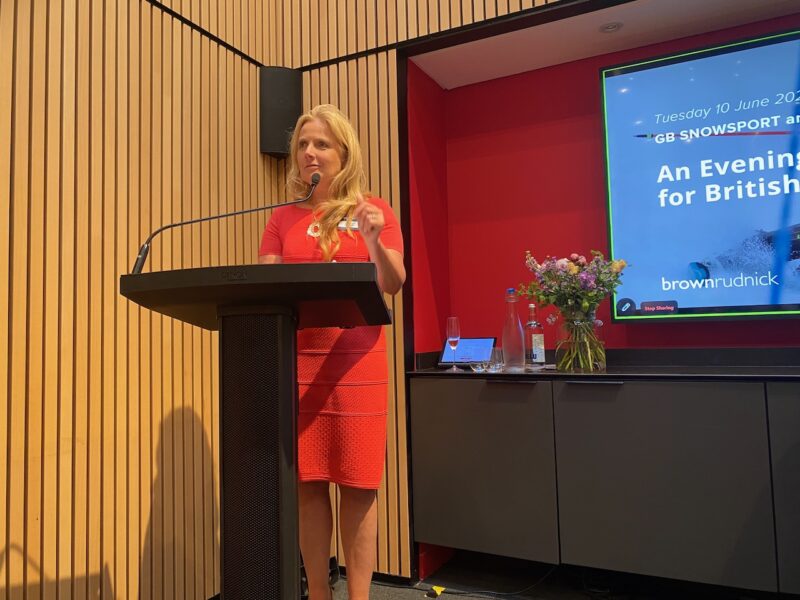
Among the challengers, Vikki Gosling OBE, CEO of GB Snowsport, emerges as a particularly strong contender. She carries the full endorsement of the GB Snowsport board, a testament to her successful leadership tenure. Under her guidance, British athletes achieved their most successful Winter Olympics on snow at the Milan-Cortina Games, highlighted by a gold medal in Snowboard Cross. This success provides Gosling with a compelling narrative of achievement and progressive leadership.
Upon her nomination, Gosling expressed her gratitude and ambition. "I am very grateful to the board of GB Snowsport for their support and confidence in nominating me as a candidate for the FIS Presidential elections," she stated last month. "It would be a privilege to play a greater role in shaping the strategic direction of our sport alongside all other FIS nations and supporting the growth of skiing and snowboarding worldwide that we all wish to see." She further emphasized her commitment to her current role while aspiring to bring the ambition and successes of British snowsports to a global stage. "I will continue to take a hands-on role in delivering GB Snowsport’s work, while also looking to share the ambition and successes we have brought to British skiing and snowboarding as part of a vision for the next phase of FIS’s future," she added.
Gosling’s background as a seasoned leader within a national federation, coupled with her recent oversight of significant athletic achievements, positions her as a candidate representing a fresh perspective and a focus on athlete development and national program success. Her campaign is likely to emphasize collaboration, inclusivity, and a renewed commitment to the diverse needs of all FIS member nations.
The Challenges of Reform: Eliasch’s Legacy and Opposition
Johan Eliasch’s presidency has been defined by his assertive pursuit of reforms aimed at modernizing FIS and enhancing its commercial viability. His administration has sought to centralize control over critical areas such as broadcast rights and marketing. This strategy, while potentially lucrative, has been a major point of contention, particularly with larger, more established ski nations. They argue that this centralization strips national federations of valuable revenue streams and decision-making power, weakening their ability to develop domestic talent and infrastructure.
The financial implications of these reforms are substantial. FIS, as the global governing body, holds immense power in negotiating media rights for World Cup events and World Championships. Eliasch’s approach aims to maximize these revenues, which can then be reinvested into the sport. However, the distribution and allocation of these funds have been a source of friction, with some nations feeling marginalized. The centralized control also extends to marketing and sponsorship, aiming to create a unified brand for FIS sports and leverage global partnerships more effectively. This top-down approach, while efficient in theory, has clashed with the federative structure of international sports governance, where national autonomy is a deeply ingrained principle.
A Multifaceted Electoral Landscape
The FIS presidential election is not a simple two-candidate race. The inclusion of three additional candidates alongside Gosling and Eliasch signals a broader dissatisfaction with the status quo and a desire for diverse leadership approaches. While the specific platforms of these other candidates are still being developed and presented, their emergence indicates a fragmented electorate with a range of priorities. These could include a stronger focus on grassroots development, greater investment in emerging nations, enhanced environmental sustainability initiatives within snow sports, or a more decentralized governance model.
The FIS Nomination and Remuneration Committee is tasked with finalizing the list of eligible candidates, a process expected to conclude by May 20, 2026. Once the final slate is confirmed, candidates will officially commence their promotional campaigns, engaging with national federations and articulating their vision for the future of international ski and snowboard governance.
The election itself, to be held on June 11, 2026, will be a pivotal moment. The outcome will not only determine the leadership of FIS but also set the strategic direction for skiing and snowboarding globally for the next four years. The debates and discussions leading up to the election are expected to revolve around critical issues such as:
- Financial Sustainability: How to ensure FIS and its member nations are financially robust, balancing commercial interests with the needs of grassroots development.
- Governance and Democracy: Striking a balance between centralized efficiency and the autonomy of national federations, ensuring a truly representative and democratic decision-making process.
- Athlete Welfare and Development: Investing in athlete pathways, support systems, and ensuring fair competition conditions across all disciplines.
- Sport Promotion and Innovation: Adapting to changing media landscapes, engaging new audiences, and fostering innovation in event formats and technology.
- Environmental Responsibility: Addressing the impact of climate change on snow sports and promoting sustainable practices throughout the industry.
Broader Implications and Future Trajectory
The election’s outcome will have far-reaching implications. A re-election for Eliasch could signal a continuation of his reformist agenda, potentially leading to further consolidation of power and a more commercially driven FIS. This might accelerate modernization but could also deepen divisions if dissent continues to be unaddressed.
Conversely, the election of a new president, such as Vikki Gosling, could usher in an era of more collaborative governance, emphasizing inclusivity and a stronger partnership with national federations. Such a shift might prioritize athlete development, regional growth, and a more decentralized approach to decision-making. The success of any new leadership will depend on their ability to unite a fractured membership and articulate a compelling vision that addresses the diverse needs and aspirations of the global snow sports community.
The historical context of FIS elections often reveals deep-seated rivalries and differing philosophies on how the sport should be managed. Eliasch’s tenure has undoubtedly been transformative, forcing a long-overdue conversation about FIS’s operational model. However, the intensity of the opposition highlights the challenges of implementing radical change within a complex international organization.

As the campaign period begins, the focus will shift to candidate debates, policy proposals, and the crucial task of securing the votes of national federation delegates. The coming months promise to be a period of intense political maneuvering and strategic campaigning, as the future leadership of international skiing and snowboarding is decided. The election in Belgrade will not just be about choosing a president; it will be about defining the very essence and direction of winter sports governance for years to come. The world of snow sports watches with keen interest as this pivotal electoral battle unfolds.

