
Glacier National Park is ushering in significant operational changes for the 2026 summer season, notably abandoning its long-standing vehicle reservation system for a more targeted approach focused on managing visitor access to the iconic Going-to-the-Sun Road, specifically at the highly sought-after Logan Pass. This strategic shift aims to alleviate chronic congestion and enhance the visitor experience in one of the park’s most frequented areas.
Transition from Vehicle Reservations to a Reservation-Only Shuttle System
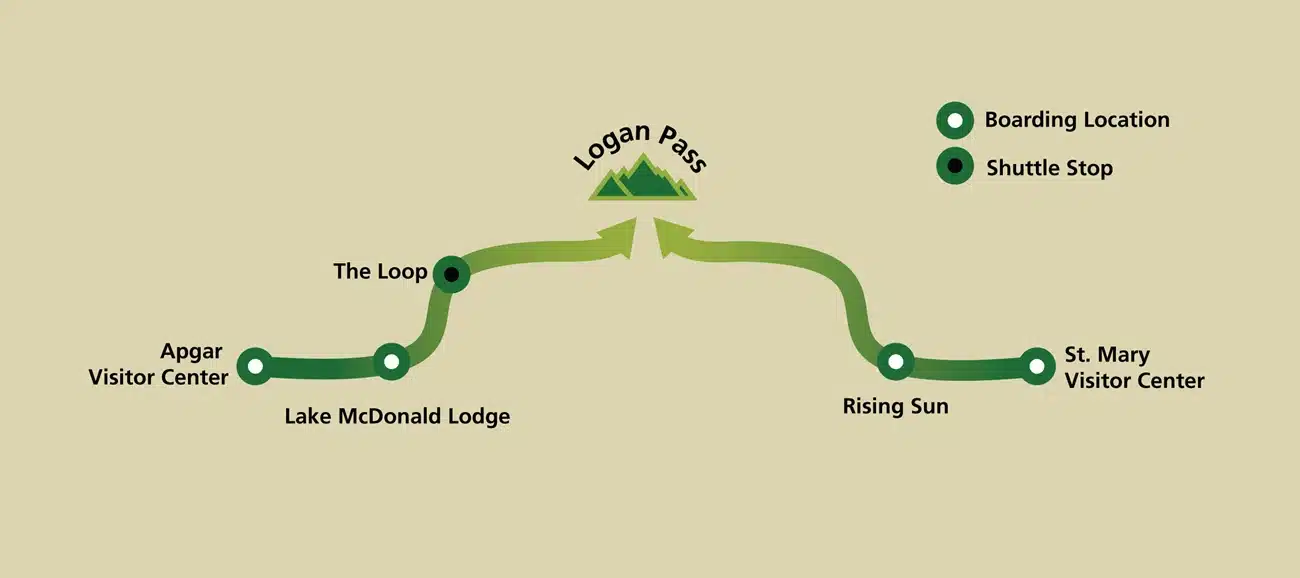
For several preceding summers, Glacier National Park implemented a timed-entry vehicle reservation system to cope with escalating visitor numbers. However, for the upcoming 2026 season, park officials have confirmed that these broad vehicle reservations will be entirely discontinued. Instead, the park is introducing a more focused reservation system exclusively for the shuttle service along the Going-to-the-Sun Road, with the primary objective of guaranteeing access to Logan Pass during the peak visitation months.
This new shuttle reservation system, detailed on the park’s official website and linked via Recreation.gov, requires visitors seeking guaranteed access to Logan Pass to book their shuttle tickets in advance. This represents a fundamental shift from a system that managed vehicle entry across the park to one that specifically targets the transportation corridor to its most popular high-alpine destination.
Phased Release of Shuttle Tickets and Daily Releases
The reservation process for the shuttle system is designed in two distinct phases to accommodate a wider range of planning needs and to manage demand effectively.
The initial release of tickets will commence on May 2nd at 8 a.m. Mountain Daylight Time (MDT). This first phase will offer a substantial portion of the available shuttle tickets for reservation, released on a rolling basis. This allows visitors who plan their trips well in advance to secure their spots.
A second phase of ticket releases will begin on June 30th. Starting on this date, a daily allocation of shuttle tickets will become available each evening at 7 p.m. MDT. These tickets will be for reservations the following day, catering to more spontaneous travel plans or last-minute decisions. This dual-release strategy aims to balance the needs of early planners with those who may be more flexible with their itineraries.
Enhanced Parking Restrictions at Logan Pass
In conjunction with the new shuttle system, Glacier National Park is also implementing stricter parking regulations at Logan Pass, a critical hub for many visitors seeking to explore the high country. Beginning July 1st, parking at Logan Pass will be limited to a maximum of three hours. This restriction, which is contingent upon favorable weather conditions, is intended to increase parking turnover and thereby improve overall access to the immediate Logan Pass area. The aim is to prevent vehicles from occupying parking spots for extended periods, which has historically contributed to congestion and limited availability for other visitors.
Relocation of Guided Tour Departure Points
Further adjustments are being made to the logistics of popular guided tours within the park. To streamline operations and potentially reduce congestion at the Apgar Visitor Center, the departure points for Sun Tours and the historic Red Bus tours are being relocated. These tours will now originate from the Quarter Circle Parking Lot. This change is expected to distribute visitor traffic more evenly and potentially improve the efficiency of these iconic park experiences.
Background and Rationale for the Changes
The introduction of these new restrictions is not a sudden development but rather a culmination of efforts by park officials to address the persistent challenges of managing visitor influx. Glacier National Park has experienced a dramatic surge in visitation in recent years, a trend mirrored across many popular national parks. This increased demand, while beneficial for tourism, places immense pressure on park infrastructure, natural resources, and the overall visitor experience.
The park’s decision to move away from a park-wide vehicle reservation system and towards a more targeted shuttle reservation for the Going-to-the-Sun Road signifies a strategic adaptation. The Going-to-the-Sun Road, a marvel of engineering and a gateway to breathtaking alpine scenery, is particularly susceptible to congestion due to its narrow passages, limited parking, and the concentration of popular trailheads and viewpoints.
The initial implementation of vehicle reservations was a necessary measure to curb overwhelming traffic. However, the feedback and operational data likely indicated that a more refined approach was needed. By focusing reservation requirements on the shuttle system for the most congested corridor, the park aims to:
- Ensure Access to Key Areas: Guarantee that visitors can reach Logan Pass, a primary destination for many, without the uncertainty of finding parking or navigating gridlocked roads.
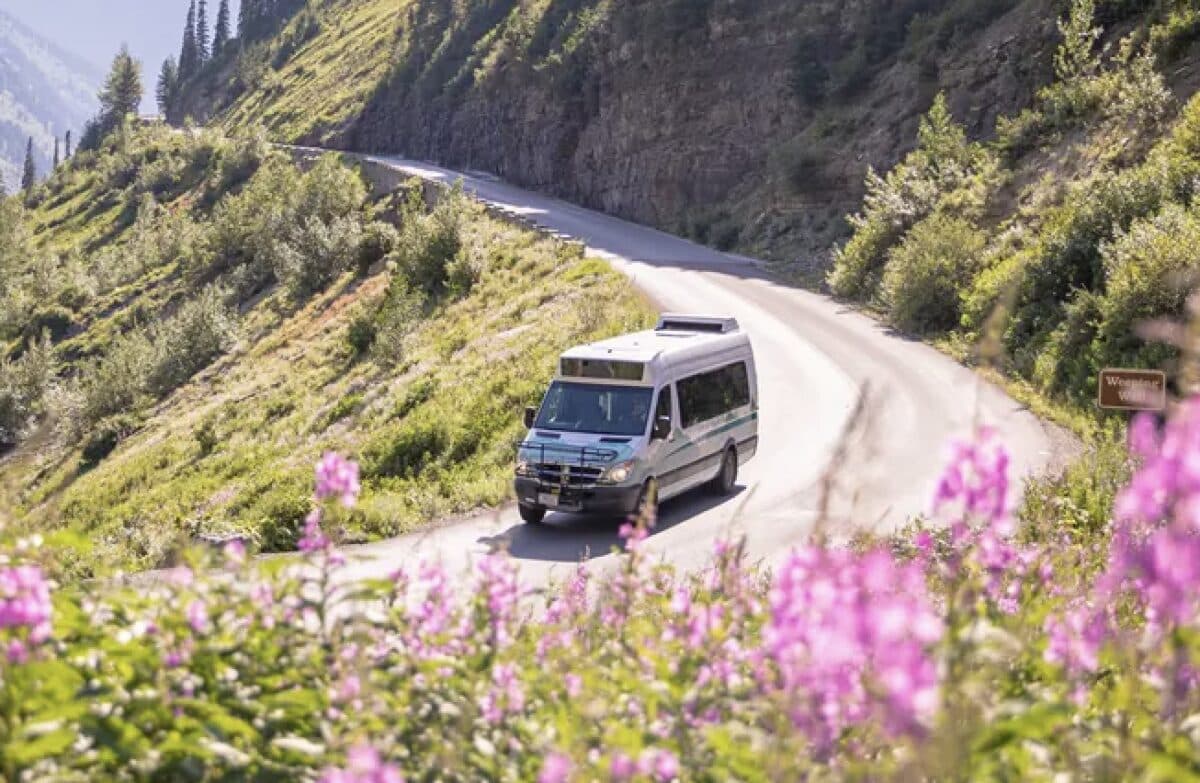
- Reduce Vehicle Congestion: Encourage the use of the shuttle, thereby decreasing the number of private vehicles on the Going-to-the-Sun Road, leading to smoother traffic flow and reduced emissions.
- Enhance Visitor Experience: Provide a more predictable and enjoyable experience by managing capacity and reducing the frustration associated with overcrowding and parking difficulties.
- Protect Natural Resources: Mitigate the environmental impact associated with high levels of vehicle traffic and dispersed visitor activity in sensitive alpine environments.
These changes were formally announced in February 2026 as part of Glacier National Park’s comprehensive strategy to balance visitor demand with the imperative of preserving the park’s natural and cultural resources for future generations. The park service has consistently emphasized its commitment to sustainable tourism and the importance of adaptive management strategies in response to evolving visitation patterns.
Broader Implications for Park Management and Visitor Behavior
The shift in Glacier National Park’s management strategy reflects a broader trend among national park systems facing unprecedented visitation numbers. The success of this new reservation-only shuttle system will likely be closely monitored by other parks grappling with similar challenges.
Data-Driven Decision Making: The park’s move away from a blanket reservation system suggests a move towards more nuanced, data-driven management. By focusing restrictions on the most problematic areas, the park may be able to offer greater access to other parts of the park without reservations, potentially distributing visitors more effectively.
Importance of Advance Planning: The emphasis on pre-booked shuttle tickets underscores the critical need for visitors to plan their trips to Glacier National Park well in advance. The two-tiered release system, with its 60-day advance booking and daily releases, requires visitors to be proactive and diligent in securing their desired access. This may necessitate a cultural shift for some visitors who are accustomed to more spontaneous travel to national parks.
Economic Impact: While the primary goal is visitor experience and resource protection, these changes can also have economic implications. Tour operators, local businesses, and accommodation providers will need to adapt to the new transportation dynamics. The potential for increased shuttle ridership could also benefit public transportation providers and reduce the demand on limited parking facilities, which can indirectly support local economies by ensuring a more consistent flow of visitors.
Sustainability and Environmental Stewardship: By promoting shuttle use, Glacier National Park is actively encouraging a more sustainable mode of transportation. This aligns with national park goals to reduce carbon footprints and minimize the environmental impact of tourism. The three-hour parking limit at Logan Pass, while seemingly restrictive, is designed to facilitate more efficient use of limited parking resources, reducing the time vehicles might idle or circle looking for a spot, further contributing to emission reduction.
Visitor Reactions and Expectations
While specific public comment periods and direct feedback from the initial announcement were not detailed in the provided information, it can be inferred that such significant changes are met with a range of reactions from park stakeholders. Visitors who prioritize flexibility in their travel plans may find the new system challenging. Conversely, those who value predictability and a guaranteed experience are likely to welcome the reservation system.
Park managers often engage in extensive public outreach and communication to explain the rationale behind these decisions. The emphasis on "weather permitting" for parking restrictions at Logan Pass acknowledges the unpredictable nature of mountain environments and allows for necessary adjustments.
The relocation of tour departures also points to a coordinated effort to manage logistical challenges. By moving these popular tours to a different location, the park aims to alleviate potential bottlenecks and improve the overall flow of visitor activity within the Apgar area and along the Going-to-the-Sun Road.
Conclusion
Glacier National Park’s implementation of a reservation-only shuttle system for Logan Pass access, coupled with new parking restrictions and tour relocation, marks a significant evolution in its visitor management strategy for the 2026 summer season. This proactive approach signifies a commitment to balancing the immense popularity of this natural treasure with the critical need for conservation and the enhancement of the visitor experience. As the park navigates this new operational framework, its success will likely serve as a model for other destinations striving to manage the complexities of modern-day tourism in protected natural landscapes. Visitors are strongly advised to consult the official Glacier National Park website and Recreation.gov well in advance of their planned trip to understand the reservation requirements and make necessary arrangements.

