
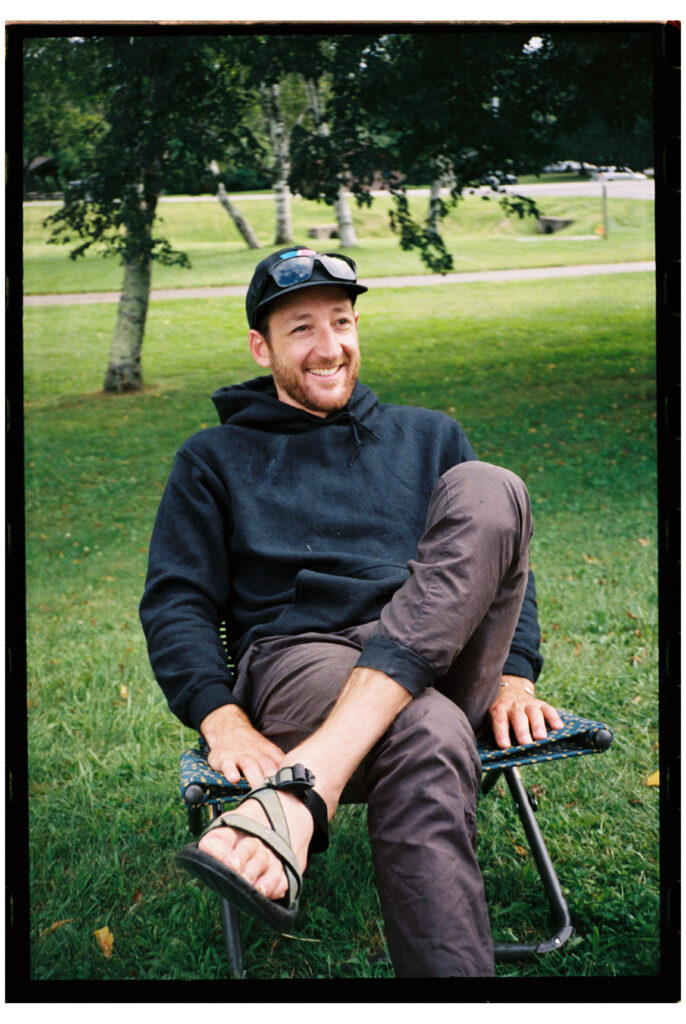
Rusty Rustigian’s journey with the Northwest Avalanche Center (NWAC) is a testament to dedication, innovation, and the evolving landscape of avalanche safety and technology. From a volunteer in 2010 to a pivotal figure in the organization’s digital transformation, Rustigian’s contributions highlight the critical role of skilled professionals in safeguarding backcountry enthusiasts. His current role as Product Manager underscores NWAC’s strategic shift towards collaborative technology development, aiming to build a more unified and efficient future for avalanche forecasting centers nationwide.
A Path Forged Through Persistence and Passion
Rustigian’s initial involvement with NWAC began out of necessity. Relocating to Seattle in 2010, he found himself unemployed. Seeking to contribute and stay engaged, he began volunteering for NWAC. At the time, the organization operated with a lean staff of only two, underscoring the foundational nature of his early efforts. This volunteer work soon transitioned into a paid position, a testament to his immediate value and commitment. After five years with NWAC, Rustigian moved to Bozeman, Montana, where he gained diverse experience across both nonprofit and technology sectors. This decade of experience would prove invaluable upon his eventual return to NWAC.
His re-engagement with NWAC wasn’t immediate but rather a deliberate return driven by a significant technological challenge: a new website initiative. This project, requiring a fundamental overhaul of how avalanche centers across the country shared information and resources, brought Rustigian back into the NWAC fold. This initiative represents a significant strategic pivot for NWAC and its partner organizations, moving away from the traditional model of individual, often resource-intensive, website development and maintenance.
Redefining Avalanche Forecasting Through Collaborative Technology
As Product Manager, Rustigian is at the forefront of developing NWAC’s digital infrastructure. His primary responsibilities revolve around managing the organization’s mobile application, "Avy," and spearheading a new, collaborative website project that unites avalanche centers across the United States. This ambitious project is conceptualized as building a "condo complex for avalanche centers," a metaphor for shared infrastructure and resources, rather than each center maintaining its own "single-family home" of technology.

This collaborative approach aims to achieve economies of scale, reduce redundant efforts, and foster a more cohesive national avalanche safety network. Rustigian spends a considerable amount of time coordinating various stakeholders, including NWAC staff, design teams, and development partners, as well as managing the allocation of limited organizational budgets towards prioritized features. The complexity of this undertaking lies in balancing the immediate needs of users with the long-term vision of a unified technological platform.
A Legacy of Rebranding and Renewed Engagement
Rustigian points to several key initiatives he’s proud to have contributed to. The rebrand of NWAC around 2011 stands out as a significant achievement. This rebranding effort was not merely cosmetic; it was coupled with extensive outreach, successfully transforming NWAC into an organization that resonated with and attracted a broader community. This period marked a critical phase in building public trust and engagement, essential for an organization focused on public safety in a high-risk environment.
The current technological initiatives, however, represent what Rustigian finds most exciting. The momentum behind the collaborative tech products, including the mobile app and the national website build, signifies a forward-thinking approach to avalanche safety. This vision extends beyond just forecasting products, aiming to streamline redundant content and foster greater interoperability between different avalanche centers. The potential impact on both backcountry users, through improved access to critical information, and the staff working behind the scenes, through more efficient tools, is substantial.
Valued Insights for the Backcountry Community
Rustigian’s connection to the Snoqualmie Pass zone, which he describes as holding "hidden gems," speaks to a deep appreciation for the nuances of the local terrain. This familiarity is crucial for understanding the specific avalanche risks present in the region.
His most impactful advice for backcountry users comes from a decade-old lesson from Scott Schell: "Persistent Weak Layers are truly so unpredictable and as uncertainty increases, your terrain choice should become equally conservative." This succinct piece of wisdom encapsulates a core principle of avalanche safety: prioritizing conservative decision-making when facing inherent uncertainty in snowpack conditions. This philosophy directly combats the tendency to overconfidence or the desire to "outsmart" the mountain, advocating instead for a humble and cautious approach.
A Memorable Season Reflecting Community and Conditions
Rustigian’s reflection on a memorable day on snow this past season highlights a growing understanding of what constitutes a truly fulfilling backcountry experience. He emphasizes that such days are now as much about "the people, place, and community as it is about sliding on snow." This perspective underscores the social and emotional dimensions of outdoor recreation, recognizing that shared experiences in beautiful environments contribute significantly to personal well-being. Hosting visitors and sharing his favorite spots in world-class conditions, and witnessing their enjoyment, offered a profound sense of connection and satisfaction.
The Future of Avalanche Safety: Technology and Collaboration
The future of NWAC and avalanche safety, as seen through Rustigian’s eyes, is intrinsically linked to technological advancement and enhanced collaboration. The ongoing development of digital tools promises to revolutionize how avalanche information is disseminated and utilized. This includes not only the forecasting products themselves but also the underlying systems that support them.
The vision is one of a more interconnected and responsive avalanche safety network. By building shared technological infrastructure, avalanche centers can dedicate more resources to their core mission of forecasting and public education, rather than being bogged down by individual IT maintenance. This collaborative model, fueled by shared vision and a spirit of cooperation, holds immense potential for improving safety outcomes for everyone venturing into avalanche terrain.
The impact of Rustigian’s work extends beyond the immediate operational improvements. By fostering a culture of innovation and collaboration, NWAC is positioning itself as a leader in the evolution of avalanche safety. The success of projects like the Avy app and the national website initiative will likely serve as a blueprint for other regions and organizations, further strengthening the global network of avalanche professionals dedicated to preventing fatalities and injuries in mountainous environments. The integration of technology with sound avalanche science, guided by experienced professionals like Rustigian, represents a powerful synergy that will continue to shape the future of backcountry safety.

