
As the 2024-2025 winter sports season approaches, medical professionals and orthopedic specialists are issuing a critical reminder to enthusiasts that the window for optimal physical preparation began months ago. According to Dr. Kevin Stone, an orthopedic surgeon at The Stone Clinic in San Francisco and a former physician for the U.S. Ski Team, the traditional "pre-season" scramble to get fit in November often leaves skiers at a significant disadvantage. The consensus among elite sports medicine practitioners is that effective ski conditioning is a year-round endeavor that should ideally commence the moment the previous season concludes. This comprehensive approach to fitness not only enhances performance on the slopes but serves as the primary defense against the high-velocity injuries common to alpine environments.
The Paradigm Shift in Year-Round Conditioning
For decades, the standard approach to ski preparation involved a burst of "dry-land training" in the weeks leading up to the first snowfall. However, modern sports science has pivoted toward a model of perpetual readiness. Dr. Stone emphasizes that the quad strength and cardiovascular endurance built during the peak of the winter season should be maintained rather than rebuilt. When an athlete stops training in April, they effectively start from a deficit when November arrives.
The current methodology moves away from strictly sport-specific drills—such as lateral ski jumps—in the off-season. Instead, experts now advocate for "total body fitness." This philosophy suggests that any high-intensity activity the athlete enjoys, whether it be mountain biking, trail running, or competitive swimming, contributes to the foundational strength required for skiing. The logic is rooted in compliance: an athlete is more likely to maintain a rigorous fitness regimen if the activity is intrinsically enjoyable and socially engaging. Group-based fitness has shown higher retention rates and better physiological outcomes compared to solitary, repetitive gym routines.
Biomechanics of the Dynamic Squat
Despite the shift toward general fitness, the squat remains the "gold standard" for ski-specific conditioning. In the context of alpine sports, the traditional static squat is often replaced by the dynamic squat. Skiing is an inherently unstable sport that requires the body to manage rapid variations in terrain and snow density.
A dynamic squat, which incorporates side-to-side movement or plyometric elements, more accurately replicates the forces exerted on the lower extremities during a descent. This exercise targets the quadriceps, hamstrings, and gluteal muscles while simultaneously challenging the stabilizer muscles around the knees and ankles. By training the body to handle these lateral loads in a controlled environment, skiers can improve their "muscular memory," allowing for faster reactive adjustments on the mountain. Data suggests that athletes with a higher power-to-weight ratio in their lower extremities are significantly less likely to suffer from fatigue-related injuries during the final hours of a ski day, which is statistically when the majority of accidents occur.
The Cognitive Dimension of Injury Prevention
While physical strength is a prerequisite for safety, Dr. Stone argues that the most critical factor in avoiding the operating table is mental focus. Clinical observations at The Stone Clinic indicate a recurring pattern: injured athletes frequently report a "sense of unease" or a lack of concentration immediately preceding an accident.
Injuries on the slopes are rarely the result of a lack of muscle power alone. Instead, they are often the product of "mental errors"—a lapse in focus caused by external stressors, fatigue, or distractions. When a skier is preoccupied with personal matters or logistical concerns rather than the immediate mechanics of their line, their reaction time increases, and their proprioception (the body’s ability to sense its position in space) diminishes. This cognitive disconnect prevents the muscles from firing in time to protect the ligaments during a sudden catch of an edge or an unexpected bump. Therefore, "putting one’s mind in the game" is categorized as a formal safety protocol as vital as wearing a helmet.
The Impact of Equipment Evolution on Safety
The relationship between a skier and their gear is more intimate and consequential than in almost any other sport. Technological advancements in the last decade have fundamentally changed the safety profile of alpine skiing. Dr. Stone points out that relying on "vintage" gear—defined as equipment older than five to seven years—poses a quantifiable risk.
Modern ski boots and bindings are engineered with sophisticated release mechanisms and flex patterns that were unavailable in previous generations. One of the most significant shifts in industry thinking involves boot flex. The historical preference for rigid, stiff boots—once thought necessary for high-performance edge control—has been largely debunked for the average recreational skier.
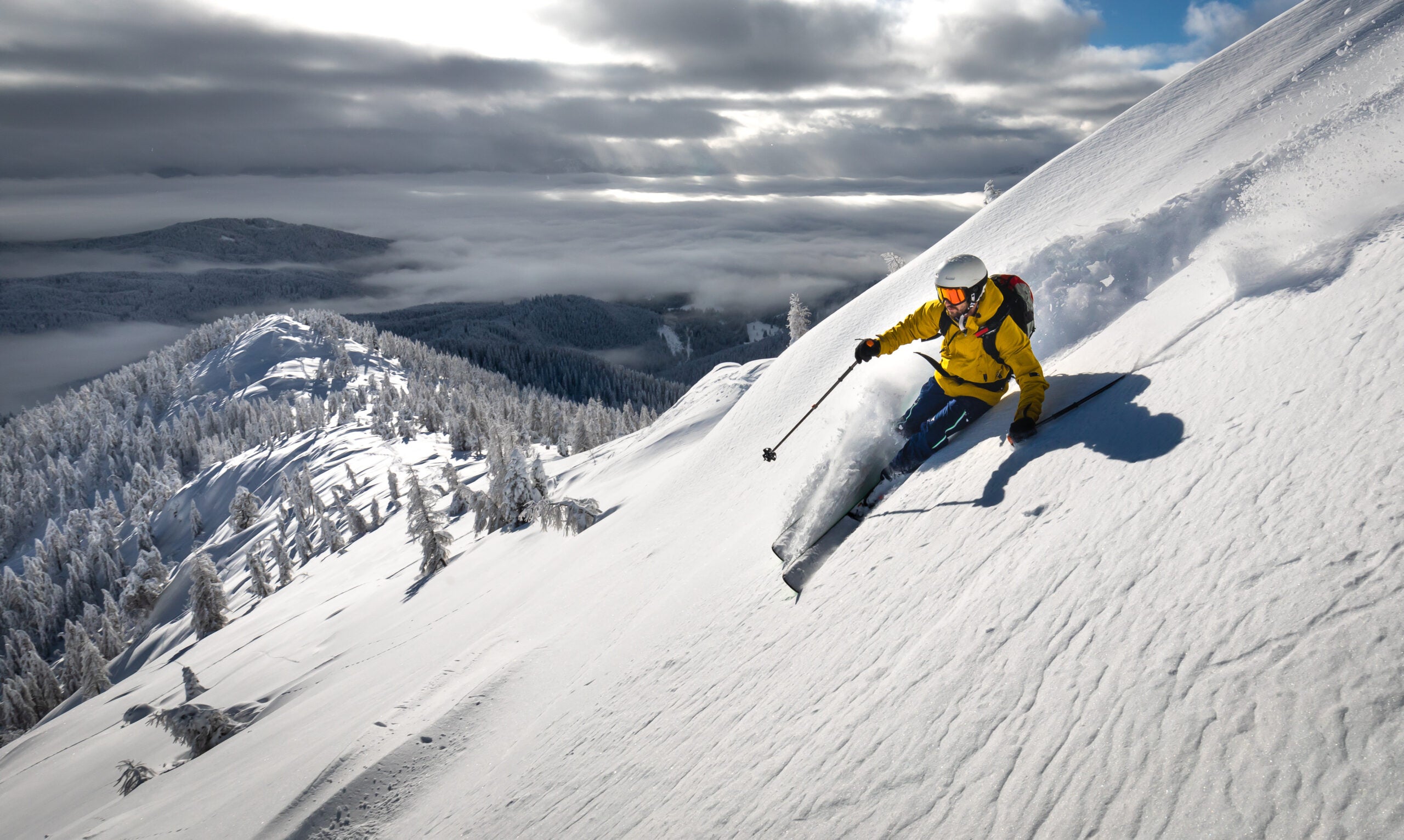
Modern recommendations favor softer, more flexible boots that allow for greater articulation of the ankles and knees. This flexibility permits the skier to maintain a more centered, athletic stance, reducing the "lever effect" that stiff boots can exert on the tibia and ACL during a fall. Furthermore, contemporary bindings have more reliable multi-directional release settings, which are essential for preventing the spiral fractures and ligament tears that occur during low-speed, high-torque falls.
Age-Specific Pathologies and Diagnostic Protocols
The types of injuries sustained on the mountain vary significantly across different age demographics. In younger, more aggressive skiers, the most common diagnoses include:
- Anterior Cruciate Ligament (ACL) Tears: Often caused by a "phantom foot" fall where the tail of the ski acts as a lever to twist the knee.
- Meniscus Damage: Tearing of the cartilage that acts as a shock absorber.
- Upper Extremity Trauma: Dislocated shoulders and rotator cuff tears resulting from high-impact falls on hardpack snow.
In the event of such an injury, the medical community stresses the importance of a "triple-threat" diagnostic approach: a thorough physical exam, X-rays to rule out fractures, and an MRI to assess soft tissue damage. Dr. Stone notes that the combination of a "pop" sound, immediate swelling, and a twisting motion carries a 90% diagnostic probability of a significant internal knee derangement.
For older populations, the primary challenge is not necessarily acute trauma but the management of degenerative conditions such as osteoarthritis. However, the outlook for "Masters" skiers has improved dramatically due to advancements in orthobiologics.
Innovations in Regenerative Medicine and Surgery
When surgical intervention is unavoidable, particularly for ACL reconstructions, the choice of tissue has long-term implications for a skier’s career. Dr. Stone advocates for the use of donor tissue (allografts) rather than autografts (harvesting the patient’s own patellar or hamstring tendon). The rationale is that harvesting a patient’s own healthy tissue creates a "second site" of weakness, which can compromise the knee’s ability to hold an edge or flex properly during high-intensity skiing.
For older skiers facing bone-on-bone arthritis, the focus has shifted from immediate joint replacement to "joint preservation." New injection therapies have revolutionized the field:
- Hyaluronic Acid: Acts as a lubricant to reduce friction in worn joints.
- Platelet-Rich Plasma (PRP): Utilizes the patient’s own growth factors to reduce inflammation and potentially recruit stem cells for tissue repair.
These "lubricant and growth factor" injections have allowed many skiers in their 70s and 80s to continue the sport without the downtime and risks associated with total knee or hip replacements. The goal is to delay major surgery for as long as possible by maintaining the biological integrity of the joint.
Long-Term Implications and the "Fitter, Faster, Stronger" Philosophy
The broader impact of these medical and fitness strategies extends beyond individual health; they influence the economic sustainability of the winter sports industry. High injury rates contribute to rising insurance costs for resorts and a "drop-out" rate among aging enthusiasts. By promoting a culture of year-round fitness and mental mindfulness, the industry can ensure a more resilient participant base.
Furthermore, the psychological approach to recovery is shifting. An injury is no longer viewed as the end of a skiing career but as an opportunity for a "system reset." Dr. Stone observes that motivated athletes often return from rehabilitation "fitter, faster, and stronger" than they were before their injury. The intensive physical therapy required post-surgery often addresses long-standing biomechanical weaknesses that the athlete had previously ignored.
In conclusion, as the 2024-2025 season begins, the mandate for skiers is clear: success on the mountain is predicated on a foundation of year-round physical activity, an investment in modern safety technology, and a disciplined mental approach to the sport. By treating skiing as an athletic discipline rather than a casual hobby, participants can maximize their enjoyment while minimizing the inherent risks of the alpine environment.

