
As the winter season approaches, the focus for both professional athletes and recreational enthusiasts shifts toward physical preparation, specifically the development of power endurance to meet the unique physiological demands of alpine skiing. While many novices perceive skiing as a passive, gravity-assisted descent, sports physiologists and professional coaches emphasize that the sport requires a sophisticated blend of muscular strength, cardiovascular stamina, and neuromuscular coordination. To address these needs, veteran ski racing coach Chris Miller has introduced a targeted training methodology designed to bridge the gap between raw explosive power and long-term aerobic capacity, ensuring that skiers can maintain high-performance levels from the opening chairlift to the final run of the day.
The Physiological Demands of Modern Alpine Skiing
Skiing is characterized by intermittent bursts of high-intensity effort interspersed with periods of relative rest on the lift. However, the active portion of the sport—the descent—places an extraordinary load on the lower extremities and the core. According to sports medicine data, a typical alpine skier may experience forces up to two to three times their body weight during a high-speed carved turn. Maintaining control under these conditions requires "power endurance," a specific fitness attribute defined as the ability to sustain high-intensity muscular output over a prolonged duration.
Without adequate power endurance, the body’s ability to stabilize the skeletal structure against centrifugal force diminishes as the day progresses. This physiological decline is often cited as a primary factor in the "afternoon slump," a period between 2:00 PM and 4:00 PM when the highest frequency of on-mountain injuries occurs. By training the body to resist fatigue while maintaining explosive capabilities, skiers can significantly reduce the risk of common injuries, such as Anterior Cruciate Ligament (ACL) tears and medial collateral ligament strains, which account for approximately 30% to 40% of all skiing-related medical incidents.
The Chris Miller Training Philosophy
Coach Chris Miller, renowned for his work with elite-level ski racers, posits that traditional weightlifting alone is insufficient for the mountain. His approach emphasizes functional movements that mimic the eccentric and isometric stresses encountered on the slopes. "True ski fitness is about more than just leg strength," Miller notes in his training directives. "It is about preparing the body for the unique demands of skiing, focusing on specific, targeted movements that build not only muscle but endurance under fatigue."
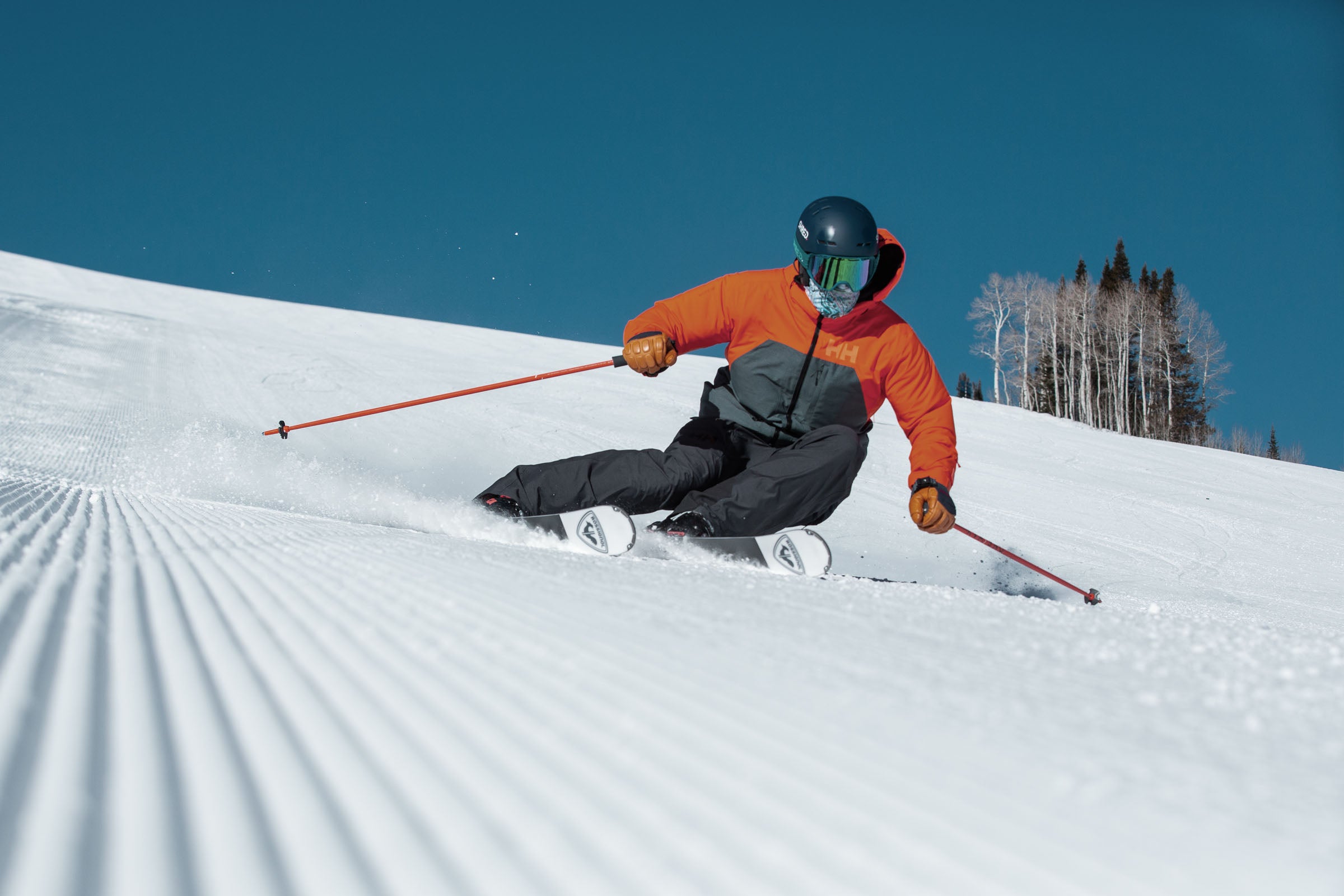
The core of Miller’s 2025-2026 pre-season program is a "Power Endurance Circuit" that utilizes minimal equipment—primarily sandbags and bodyweight—to challenge the body’s stability. The curriculum is designed to be accessible to "weekend warriors" while remaining rigorous enough for competitive athletes. The emphasis is on "anti-movement" and stability, training the trunk to remain rigid while the limbs move through dynamic ranges of motion, much like a skier’s torso remains quiet while the legs work through moguls.
Chronology of Pre-Season Conditioning
Effective ski conditioning follows a periodized timeline, typically beginning 8 to 12 weeks before the first snowfall. The program outlined by Miller represents the "Specific Preparation Phase," where general strength is converted into sport-specific endurance.
- September – October (Base Phase): Focus on cardiovascular base-building and general hypertrophy.
- October – November (Specific Phase): Implementation of the Power Endurance Workout, focusing on plyometrics and circuit training to increase the anaerobic threshold.
- November – December (Maintenance Phase): Transitioning to the slopes while maintaining two days per week of strength work to prevent mid-season muscle loss.
The current 2025 update to this regimen incorporates new data regarding "time under tension," suggesting that the intervals used in the circuits should mirror the length of a typical mountain run, generally ranging from 60 to 120 seconds of continuous effort.
Detailed Breakdown of the Power Endurance Workout
The following protocol is structured to maximize efficiency, requiring only a sandbag, a mat, and a timing device.
Phase I: The Power Circuit Warmup (Quadruped and Lunge Series)
The warmup is designed to activate the central nervous system and mobilize the joints most prone to stiffness in cold weather: the hips, ankles, and thoracic spine.
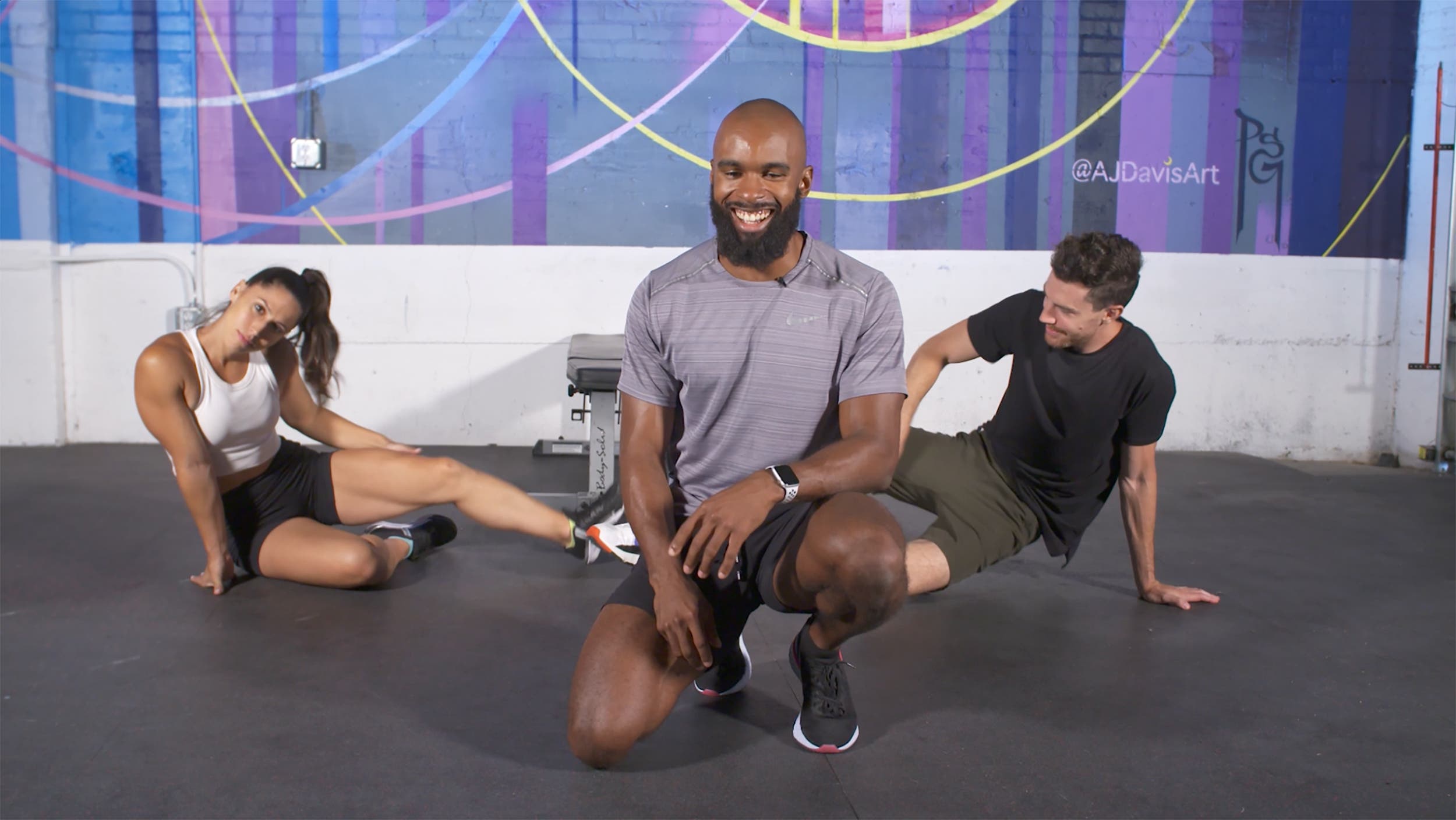
- Quadruped Series: This involves six repetitions per side of bird-dogs and fire hydrants. These movements activate the gluteus medius, a critical muscle for lateral knee stability.
- Lunge Series: Two repetitions per side of multi-directional lunges (forward, lateral, and reverse). This prepares the hip flexors for the varied planes of motion encountered in off-piste terrain.
- Dynamic Series: Six repetitions per side of leg swings and torso rotations to increase blood flow to the extremities and enhance proprioception.
Phase II: Power Circuit No. 1 – Lower Body Dominance
This circuit utilizes a sandbag to create an unstable load, forcing the stabilizer muscles to engage more intensely than they would with traditional dumbbells.
- The Sandbag Series: This involves four sets of exercises with no rest between movements. Exercises include the Sandbag Clean, Sandbag Squat, and the Skater Hop.
- The Skater Hop: This is perhaps the most sport-specific movement in the circuit. It requires the athlete to jump laterally from one foot to the other, mimicking the weight transfer involved in a high-speed turn.
- Recovery: A 45-second rest interval is permitted between sets, which simulates the brief pause between ski runs or sections of a trail.
Phase III: Power Circuit No. 2 – The Trunk and Anti-Movement
In skiing, the "trunk" or core must act as a stabilizer to transfer power from the legs to the skis. Miller’s "Anti-Movement" series focuses on resisting rotation and extension.
- Deadbugs: A foundational movement where the athlete lies on their back and moves opposite limbs while keeping the lower back pressed into the floor. This trains the deep transverse abdominis.
- Plank Variations: Specifically, planks with "reaches" or "shoulder taps" to challenge the body’s ability to remain still despite shifting centers of gravity.
- Protocol: Three sets are performed with 45 to 60 seconds of rest between sets, ensuring the quality of movement remains high.
Data-Driven Benefits and Injury Mitigation
The implementation of power endurance training has shown measurable benefits in athletic performance studies. Research indicates that athletes who engage in eccentric-focused strength training (like the sandbag squats and skater hops mentioned) see a 15% to 20% increase in "braking force" capability. On the snow, this translates to better edge control and the ability to shut down speed quickly in hazardous conditions.
Furthermore, the focus on the trunk (Circuit No. 2) addresses the "kinetic chain." In a study of professional ski instructors, those with higher core stability scores reported significantly fewer instances of lower back pain, a common ailment caused by the repetitive jarring of skiing on hard-packed snow or "corduroy."
Industry Impact and Broader Implications
The push for better pre-season conditioning is not merely an individual pursuit; it has broader implications for the winter sports industry. Resort operators have noted that fitter skiers are more likely to purchase multi-day passes and spend more time on the mountain, directly impacting the economic health of mountain towns. Furthermore, insurance providers for ski areas have long advocated for skier education and fitness programs as a means to decrease the volume of on-mountain medical evacuations.

Manufacturers are also reacting to this trend. Brands like Rossignol and others are increasingly designing "stiffer" skis that require more physical force to "load" and "pop" out of a turn. These high-performance products are becoming more popular with the general public, but they necessitate a higher level of fitness to be operated safely and effectively.
Conclusion: Preparing for the 2025-2026 Season
As the winter of 2025-2026 approaches, the integration of power endurance training represents the gold standard for ski preparation. By following the Miller methodology—focusing on high-intensity sustained efforts, core stability, and functional lower-body movements—skiers can ensure they are not only faster and more stylish on the slopes but also more resilient.
The goal of this training is to transform the "weekend warrior" into a "bell-to-bell" athlete. With the right preparation, the pristine corduroy of the early morning and the challenging moguls of the late afternoon can be enjoyed with equal vigor. As Coach Miller emphasizes, the work done in the gym during the "dryland" season is what ultimately defines the success of the winter. All that is required is a small amount of equipment, a dedicated space, and the commitment to making this season the most athletic and injury-free one yet.

