
As the snow melts and summer training sessions commence, cross-country skiers and biathletes are turning their attention to rollerskis to maintain their conditioning and hone their skills. Recognizing the critical role of proper equipment, Langrenn.com has released its significantly updated annual rollerski guide, a comprehensive resource designed to assist both seasoned athletes and newcomers in selecting the ideal gear for the upcoming season. This year’s guide boasts an expanded selection of models, featuring input from ten prominent manufacturers, each showcasing up to three of their premier offerings across various skill levels.
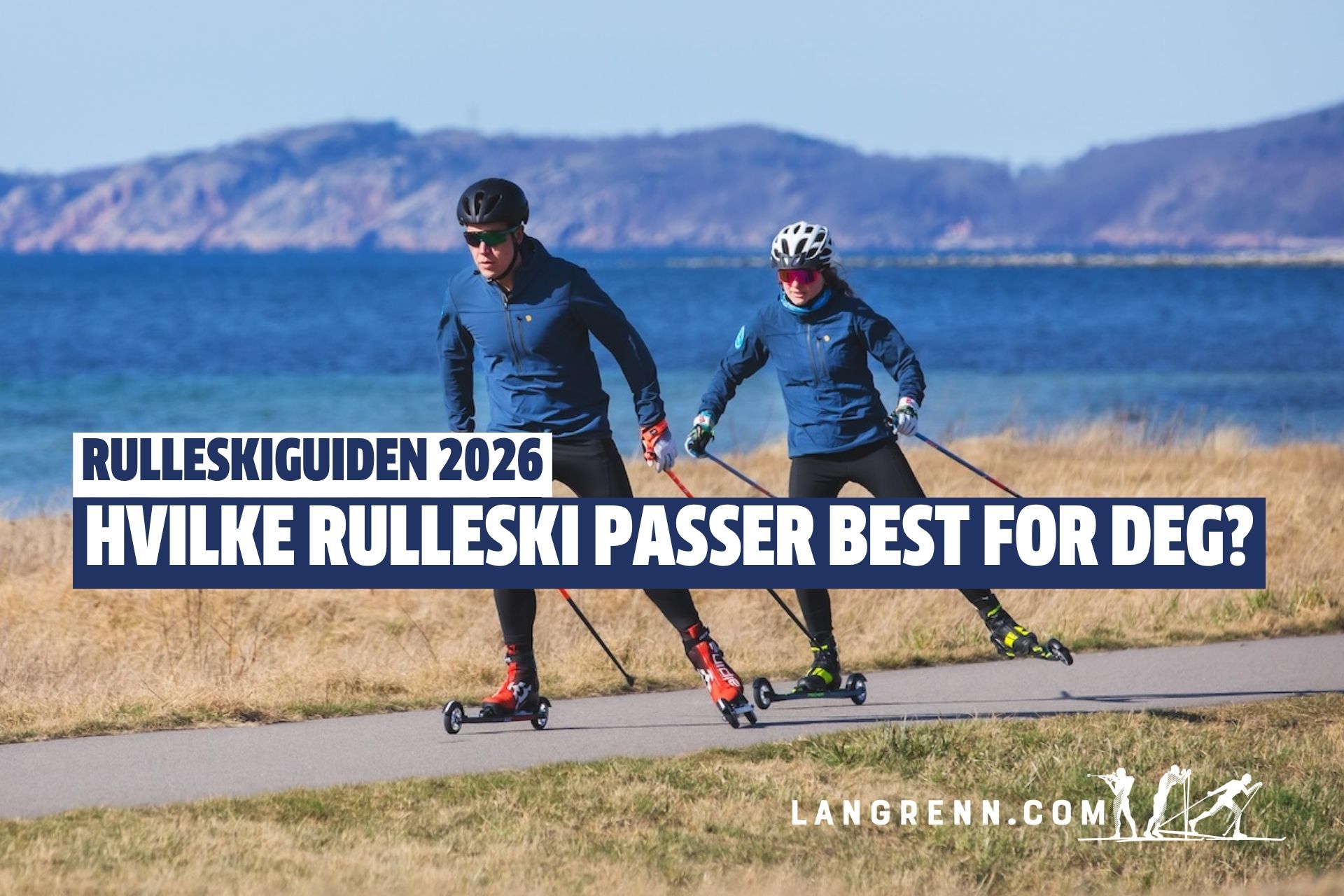
The meticulously compiled guide aims to demystify the often-complex world of rollerski selection. It meticulously categorizes equipment into three primary sections: classic rollerskis suitable for beginners, classic rollerskis tailored for experienced skiers, and rollerskis specifically designed for skate skiing techniques. This structured approach ensures that every user, regardless of their current proficiency, can navigate the options and make an informed decision.
Expert Insights: The Foundation of Smart Rollerski Selection

To further illuminate the selection process, the guide features insights from Ragnar Bragvin Andresen, a former world champion in rollerskiing and a respected coach who conducts training camps for athletes of all levels. Andresen emphasizes that while specific models may vary, three fundamental principles remain paramount for any rollerski purchase: stability, appropriate wheel selection, and secure bindings.
"Stability is paramount, especially for beginners," Andresen explains. "A lower center of gravity inherently leads to a more stable ski, which in turn provides a more intuitive and confidence-inspiring experience, closely mimicking the feel of skiing on snow." He elaborates on how manufacturers achieve this stability through design elements such as recessed frames or by positioning wheel mounting points higher on the ski chassis.

Andresen also highlights the importance of choosing equipment that matches the user’s physical attributes and developmental stage. "There’s a reason why junior models exist," he notes. "I often see parents, with the best intentions, purchasing the most advanced and technically demanding rollerskis for their children. However, this isn’t always the most beneficial approach for an eight-year-old. The ski should feel playful and safe, allowing the young athlete to relax and develop their technique freely. That’s where true progress is made."
When it comes to wheel selection, Andresen points out that while standard wheels suffice for many, heavier skiers—typically those exceeding 70-75 kilograms—require wheels constructed from harder materials. "This is fundamentally a safety consideration," he states. "At higher speeds, excessively soft wheels can lead to a loss of grip in turns and lateral movements. Furthermore, for heavier skiers, softer wheels can result in a noticeable dissipation of power, particularly during skate skiing efforts, diminishing the efficiency of their propulsion."

Bindings, the crucial link between skier and ski, are another area where Andresen urges caution, especially when considering pre-owned equipment. "While inheriting or purchasing used rollerskis can be a cost-effective option, it’s imperative to pay close attention to the condition of the bindings," he advises. "Bindings are subject to wear and tear. Moreover, there have been instances of manufacturing defects that compromise their functionality, leading to unexpected releases. In high-speed situations or when sharing the road with traffic, such failures can have severe consequences." Andresen recommends a thorough inspection of bindings, ensuring they are modern and securely fastened, with no perceptible play when tested by vigorously shaking the boot in all directions.
Part 1: Classic Rollerskis for Beginners – Building a Solid Foundation

For individuals venturing into rollerskiing for the first time, the focus is on acquiring equipment that fosters confidence and facilitates the learning process. Andresen’s core advice—stability, correct wheels, and secure bindings—applies here with even greater emphasis. The guide introduces several models designed to meet these beginner-centric needs.
Swenor Fibreglass: Hailed as a best-seller and Swenor’s flagship model, the Fibreglass has been a market staple for nearly a decade. Its wooden frame is lauded for its stability and vibration-dampening qualities, aiming to replicate the authentic feel of skiing on snow. The flexible yet robust construction provides a sense of security and control, suitable for both poling and diagonal stride techniques. With a recommended retail price of approximately 4,620 Norwegian Kroner (NOK), it represents a significant investment in a foundational piece of equipment.

AE Rollerskis AE Classic: This Swedish offering is presented as an ideal choice for beginners and intermediate skiers. Its aluminum frame and rubber wheels are engineered to provide a balanced blend of stability and comfort, particularly beneficial on less-than-perfect asphalt surfaces. Priced competitively at around 2,245 NOK, it offers an accessible entry point into classic rollerskiing.
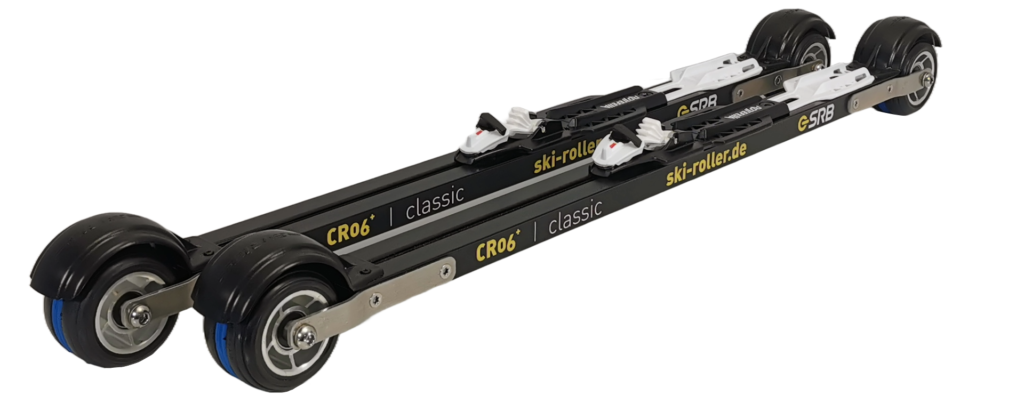
SRB CR06+: Manufactured in Germany, the CR06+ is characterized by its lightweight design and user-friendly handling. The V-tilt on the wheels is designed to enhance stability and control, appealing to both novice and experienced skiers seeking an added layer of safety and a distinct skiing sensation. This model comes with a suggested retail price of approximately 3,755 NOK.
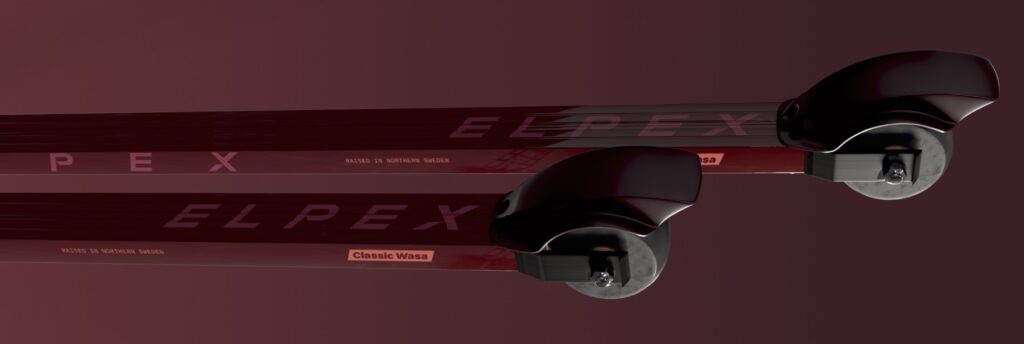
Elpex Classic Wasa: A long-standing pillar in Elpex’s product line, the Classic Wasa is engineered for a superior skiing experience, combining robust construction with comfort. Its wider wheels contribute to improved balance and control on varied terrains, while the frame’s subtle flex aims to mimic the natural feel of skiing. Retailing at around 3,220 NOK, it offers a reliable option for those seeking a realistic on-snow feel.
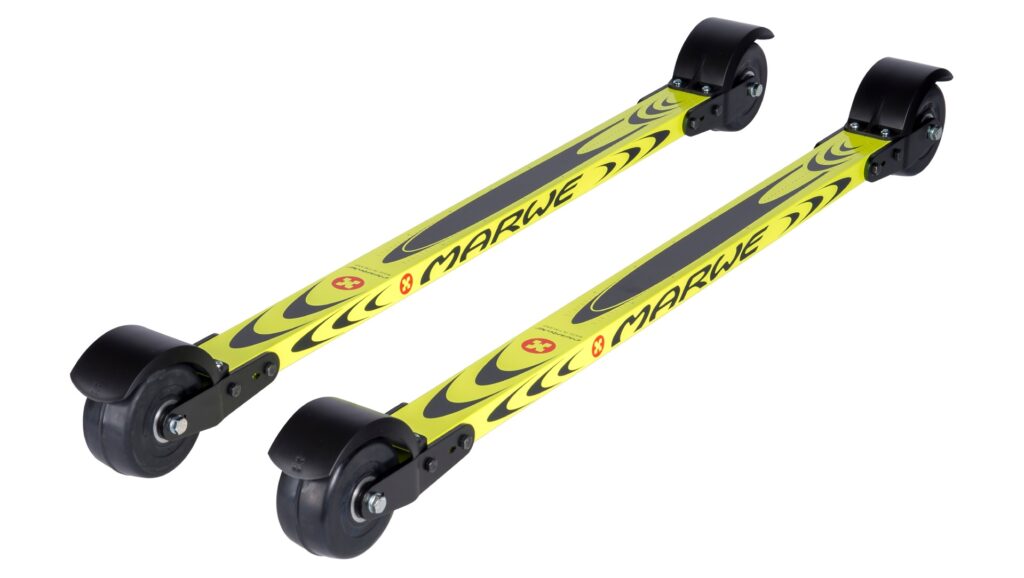
Marwe Classic 700 A: Designed for high-intensity training and competition, the 700 A features an aluminum frame built for lightness and stiffness, delivering a snow-like sensation. Its airplane-grade aluminum construction ensures durability and stability. The inclusion of a freewheel in the front wheel facilitates a natural push-off in diagonal stride, and the wide rubber wheels offer secure grip and vibration damping. With a price point of approximately 4,460 NOK, it positions itself as a premium choice.
FF Rollerskis FF 360 V Active Classic: This model is designed to be lightweight and stable, suitable for both poling and diagonal stride. The V-groove on the wheels is intended to improve directional stability and enhance the skiing feel, allowing for quicker turns without compromising positioning. Priced at approximately 3,499 NOK, it aims to blend performance with accessibility.
Fischer Aerolite Classic Road: Positioned as a performance-oriented rollerski for classic style, the Aerolite Classic Road is crafted for ambitious skiers. Its lightweight yet durable aluminum frame offers a cushioned ride during summer training. The freewheel in the rear wheels ensures an efficient push-off, and the 70mm rubber wheels provide both reliable traction and good speed. Without bindings, it is priced at approximately 4,240 NOK.
IDT Classic: Produced in Norway, the IDT Classic features an aluminum frame engineered for consistent responsiveness, aiming to deliver an authentic, snow-like experience. The skis offer customizable rolling resistance, allowing skiers to select their preferred level of effort. The absence of an external weight limit makes these skis suitable for all age and weight categories. Prices start from around 4,000 NOK without bindings.
Part 2: Classic Rollerskis for Experienced Skiers – Refining Performance

For skiers who have mastered the fundamentals of turning and braking, the criteria for selecting rollerskis evolve. While stability, appropriate wheels, and secure bindings remain important, experienced skiers often seek to optimize their equipment for specific training goals and varied conditions.
Andresen notes that experienced skiers often aim to possess multiple pairs of rollerskis, each suited for distinct purposes, and a variety of wheel types to adapt to different surfaces and training intensities. "The primary consideration for experienced skiers is to align their equipment with their intended training discipline," he states. "This could range from long-distance poling on varied road surfaces to executing diagonal strides on diverse terrain, or engaging in skate skiing." He also emphasizes the importance of selecting the correct rolling resistance and wheel type.

Rollerskis for Varied Disciplines:
-
Poling on Roads: For long training sessions, especially on surfaces of varying quality, comfort is key. Andresen suggests skis with a frame that offers some flex to absorb vibrations, coupled with slightly softer wheels. He advises observing the equipment choices of professional cross-country skiers, who often log extensive hours on rollerskis.

-
Diagonal Stride on Varied Terrain: In this context, stable skis are paramount, particularly given the absence of prepared ski tracks that provide guidance on snow.
Optimizing Rolling Resistance and Wheel Type:

Experienced skiers often find value in having wheels with varying rolling resistance. Wheels are typically categorized from 1 (lowest resistance) to 4 (highest resistance). Standard rollerskis usually come with a ‘2’ resistance wheel. For increased resistance, skiers can opt for ‘3’ or ‘4’ wheels, while ‘1’ wheels offer increased speed and reduced resistance.
"If possible, I highly recommend varying the rolling resistance," Andresen suggests. "This provides an added stimulus to training sessions and mirrors the reality of winter skiing, where conditions are rarely uniform."

For classic skiing, Andresen recommends ‘3’ wheels for well-trained amateur athletes. For younger skiers or those with less training experience, ‘2’ wheels are generally more appropriate.
Fischer Speedmax Classic: Claimed by the manufacturer to be the most ski-like rollerski on the market, the Speedmax Classic utilizes an "arch" technology for a low stand height without risk of ground contact. This design aims to provide a grounded, stable, and secure skiing experience. The 100% carbon fiber frame offers dynamic forward propulsion during fast diagonal strides and effectively dampens vibrations on uneven asphalt. The Speedmax Classic is available in two stiffness levels: a medium version for skiers up to 85 kg, suitable for longer distances, and a stiffer version recommended for skiers over 80 kg or for sprinters, regardless of weight. Priced at approximately 6,810 NOK, including bindings, it signifies a high-performance choice.

AE Rollerskis PRO S Classic: This Swedish-made classic rollerski is designed for a broad spectrum of users, from beginners to World Cup athletes. Its extended aluminum frame promotes comfortable skiing with good balance during both diagonal stride and poling. The rubber wheels offer excellent damping for enhanced comfort on diverse asphalt surfaces. Equipped with durable SKF ball bearings and an INA freewheel, this model retails for around 2,895 NOK.
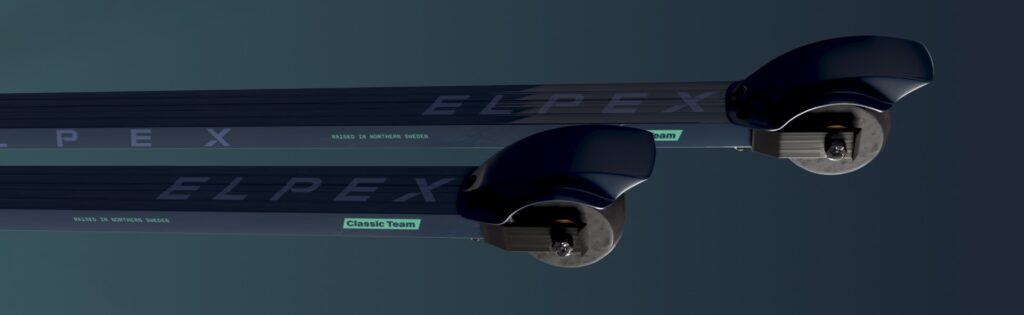
Elpex Classic Team: Engineered for speed and precision, the Classic Team features narrower wheels to reduce weight and improve maneuverability, making it an excellent choice for skiers demanding greater responsiveness. Built on the same flexible frame as the Classic Wasa, it delivers a natural ski feel while maintaining durability and control. This model is targeted at highly trained juniors, elite athletes, and ambitious recreational skiers aiming to push their limits. It is priced at approximately 3,220 NOK.
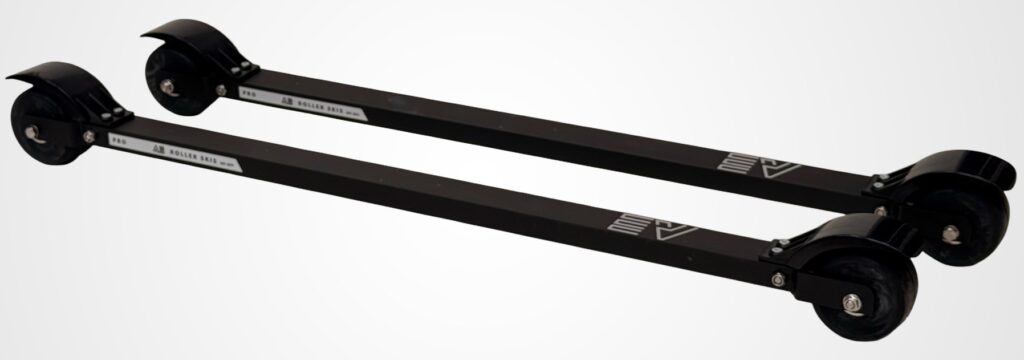
Swenor Alu Classic Elite: Inspired by the popular Swenor Alutech, the Alu Classic Elite is a directionally stable aluminum rollerski. Its low weight and stable construction contribute to a flexible yet steady ride, making it suitable for both poling and diagonal stride. The extended frame, 40mm longer than the Alutech, offers improved glide and stability, particularly beneficial for diagonal striding, allowing for a relaxed technique and comfort even at high intensities. The model is also available as a dedicated poling ski (DP) with specialized Swenor Track Wheels for enhanced durability. It is priced at approximately 4,500 NOK.
SRB CR07+ Classic Premium: Featuring a long and stable aluminum frame, the CR07+ aims to provide an authentic ski feel and a comfortable training session, aided by wide rubber wheels developed in collaboration with Continental. The design prioritizes control even on uneven roads. This premium model is priced at approximately 5,150 NOK.
Swix Roadline Classic: Swix has developed a frame that leverages the strengths of aluminum, creating a rollerski that offers a sensation akin to skiing on snow. The redesigned fork and frame increase torsional stiffness by over 30% compared to previous models. The wheel system has been completely re-engineered to eliminate protruding screws and nuts, simplifying maintenance and wheel changes. This model is available for approximately 4,000 NOK without bindings.
Kästle RS10 Classic: The RS10 Classic is designed to provide a natural rebound. Its wood core absorbs road vibrations, while carbon fiber and glass fiber layers contribute to stiffness. The combination of the aluminum fork, composite layers, and soft rubber wheels is intended to deliver exceptionally smooth skiing. This model is recommended for enthusiastic skiers looking to perform and for those weighing up to 100 kg. It is priced at approximately 4,100 NOK.

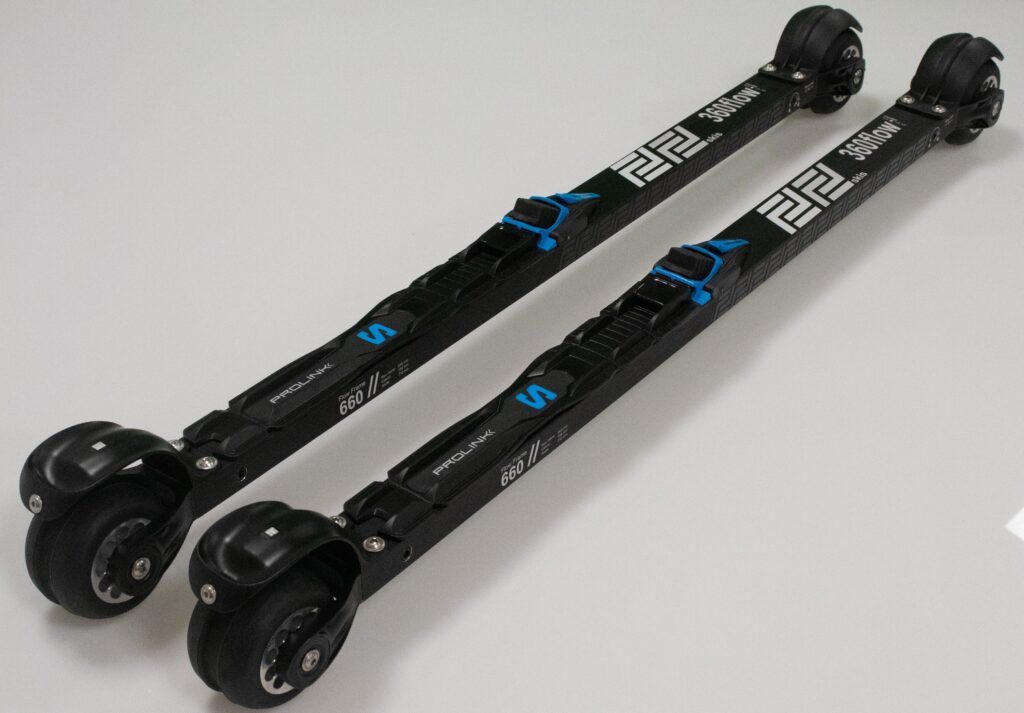
FF Rollerskis FF 360Flow Classic: This lightweight aluminum rollerski boasts FF’s patented V-Track wheels, an integrated brake, and an adjustable damping system. The damping, located in the forks rather than the wheels, ensures direct power transfer without a "bounce" effect. Suitable for technique training, intervals, and competition preparation, this FIS-approved model is designed for comfort and control during long sessions. It is priced at approximately 6,999 NOK.
Part 3: Skate Rollerskis – Mastering Speed and Agility

For skate skiing, skier weight plays a significant role in equipment selection. Andresen explains that lighter skiers can generally utilize various materials, finding carbon frames responsive and springy. However, for heavier skiers, a frame with excessive flex can feel like "slogging through a bog," with power being lost. In such cases, a stiff aluminum frame is often the optimal choice. He observes that while some elite skiers opt for carbon, a considerable number prefer aluminum due to its robustness and ability to withstand harsh treatment. Softer wheels can also enhance responsiveness and provide more spring.
Appropriate Rolling Resistance and Wheel Type for Skate Skiing:

Standard ‘2’ resistance wheels are generally suitable for most skate skiers. Andresen advises caution against ‘3’ wheels for skate skiing, as the benefits of increased resistance are minimal, while the constant muscular strain can lead to fatigue. However, he sees significant value in using ‘1’ wheels for technique training at top speeds, offering a different muscular stimulus and a chance to refine skills at maximum velocity.
Fischer Speedmax Skate: Marketed as a ski-like rollerski, the RCS Skate features an "arch" technology for a low profile without ground contact, promoting a grounded, stable, and comfortable experience. Constructed from carbon fiber, it is designed for optimal performance. It is priced at approximately 4,920 NOK, including bindings.

AE Rollerskis AE Skate: This model is designed for the average skier, featuring a low center of gravity for stability, especially for those not using high-end ski boots. Its shorter length is intended to enhance maneuverability. The AE Skate is priced at around 2,450 NOK.
Swenor Skate Long: This directionally stable skate rollerski features a recessed aluminum frame engineered for immediate stability on all surfaces. The longer frame, compared to the standard Swenor Skate, provides a more ski-like experience, though it demands a higher level of technique. It is priced at approximately 3,620 NOK.
Marwe Skating 620 FX: This rollerski features a composite frame designed to dampen vibrations for a smooth and comfortable experience, even on longer sessions or uneven terrain. The FX frame, developed with Exel Composites, is made from fiber-reinforced vinyl ester composite, offering recyclability, durability, and corrosion resistance. It comes with PU wheels for reliable grip and comfort, and is available in three stiffness levels. The price is approximately 5,750 NOK.
SRB SR07+ Skate Premium: The SR07+ from SRB features an extended frame and a lower center of gravity, designed to mimic a cross-country ski. The wheels and construction aim to provide control, grip, and safety. It is available with three different rolling resistance options and is priced at approximately 3,640 NOK.

Elpex Skate Race: Developed for control, this rollerski features a low center of gravity for excellent balance and a stable feel. The slightly lowered aluminum frame enhances directional stability and responsiveness. It is suitable for juniors, recreational skiers, and elite athletes. It offers two rolling resistance options: PU 2 and PU 3, and is priced at approximately 3,220 NOK.
Swix Roadline Skate: The Roadline Skate features a longer frame for a more ski-like feel and enhanced stability. It is designed to be maneuverable and lightweight, appealing to both elite and recreational skiers. It is priced at approximately 3,340 NOK.

Kästle RS10 X-long Skate: This model offers a natural rebound thanks to its high-quality frame, constructed with a light wood core and a robust multi-layer sidewall structure. The wood core absorbs vibrations, while carbon fiber and glass fiber layers provide stiffness. It is suitable for skiers weighing up to 100 kg. The price is approximately 4,100 NOK.
FF Rollerskis FF 360 Flow Skate: This exceptionally lightweight skate rollerski (900 grams per ski) features a stiff 6068 aluminum frame for direct power transfer. It offers superior stability and precision at high speeds and in demanding turns, while its damping system reduces vibrations and joint stress. It is universally compatible with bindings and is produced in Norway. The price is approximately 6,999 NOK.

IDT Sports IDT Skate Elite: This ski-like skate rollerski aims to create a seamless transition from asphalt to snow. Its length is designed to encourage correct technique, similar to a cross-country ski. The IDT Skate is available with various rolling resistances, and its 100% rubber wheels are made from the same material used in car tires. Prices start from approximately 3,400 NOK without bindings.
This comprehensive guide, enriched with expert advice and detailed product specifications, serves as an indispensable tool for anyone looking to invest in rollerskis. Whether upgrading an existing setup or taking the first step into the world of summer skiing simulation, this updated resource empowers skiers to make informed decisions, ultimately enhancing their training experience and performance.

