
The Norwegian Biathlon Federation has finalized its coaching team for the recruitment national team, announcing the appointment of Andreas Kvam and Ronny André Hafsås. This significant development comes in the wake of Einar Hedegart’s unexpected decision to transition from a promising cross-country skiing career to biathlon, a move that has reshaped the federation’s strategic planning for the upcoming Olympic cycle.
Hedegart, who had previously declared his cross-country skiing career concluded just last week, has now become a central figure in the biathlon program. His inclusion on the recruitment team signifies the federation’s commitment to nurturing emerging talent and leveraging his athletic background for the sport’s future. The federation’s announcement followed a thorough and comprehensive recruitment process, underscoring the deliberate nature of these appointments.
A Pivotal Decision: Hedegart’s Shift to Biathlon
The narrative surrounding Einar Hedegart’s career trajectory has taken a dramatic turn. After a period of introspection and what appeared to be a definitive closure to his cross-country skiing endeavors, Hedegart has embraced a new challenge in the demanding discipline of biathlon. This decision, revealed last week, has been lauded by some within the sport as potentially the "best news of the year," highlighting the excitement and anticipation surrounding his potential impact.
The Norwegian Biathlon Federation’s swift action in integrating him into their coaching structure demonstrates a clear understanding of his capabilities and the strategic advantage his participation brings. The recruitment landslaget, often a breeding ground for future elite athletes, will now benefit from Hedegart’s unique perspective, likely informed by his high-level training and competitive experience in a related endurance sport.
Introducing the New Coaching Duo: Kvam and Hafsås
The selection of Andreas Kvam and Ronny André Hafsås as the two primary coaches for the recruitment national team was the result of a rigorous evaluation of numerous highly qualified candidates. Their appointment reflects the federation’s emphasis on combining technical expertise with strong interpersonal skills and a proven track record in athlete development.
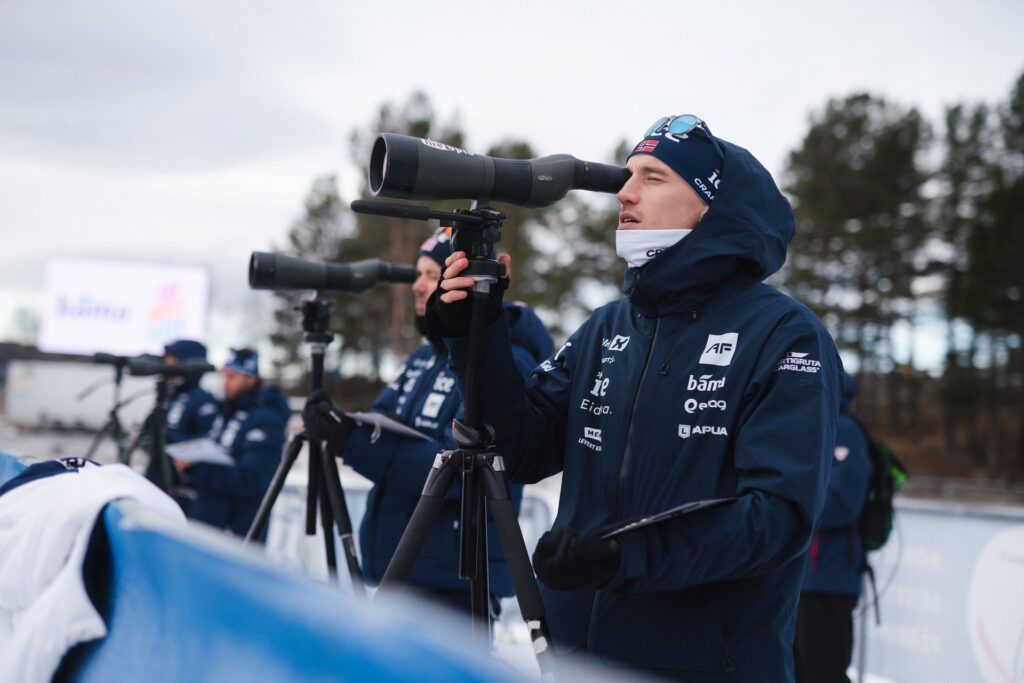
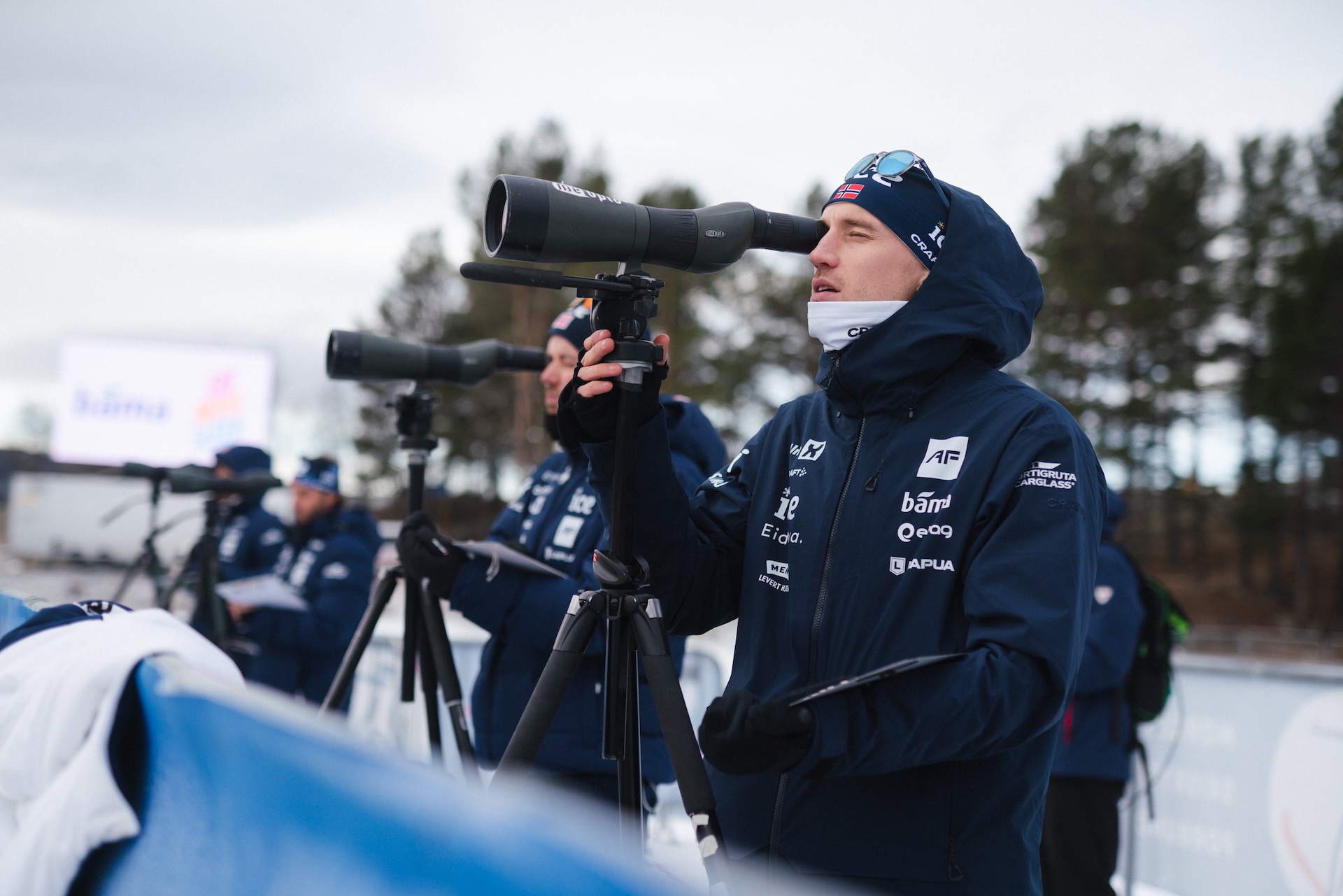
"After a thorough and comprehensive recruitment process with several highly qualified candidates, the choice fell on Andreas Kvam and Ronny André Hafsås," the federation stated in an official press release. This statement suggests a competitive selection process where Kvam and Hafsås emerged as the standout individuals best suited to lead the next generation of Norwegian biathletes.
A Unified Recruitment and U23 Structure
A key strategic shift accompanying these appointments is the consolidation of the women’s recruitment and U23 teams into a single, unified squad, which will now also incorporate the men’s recruitment team. This new model aims to streamline resources, foster greater synergy between different age groups and genders, and create a more cohesive development pathway.
Under this new structure, Andreas Kvam will assume primary responsibility for the men’s contingent, while Ronny André Hafsås will lead the women’s program. This division of labor allows for specialized coaching attention, catering to the specific needs and developmental stages of both male and female athletes within the recruitment framework.
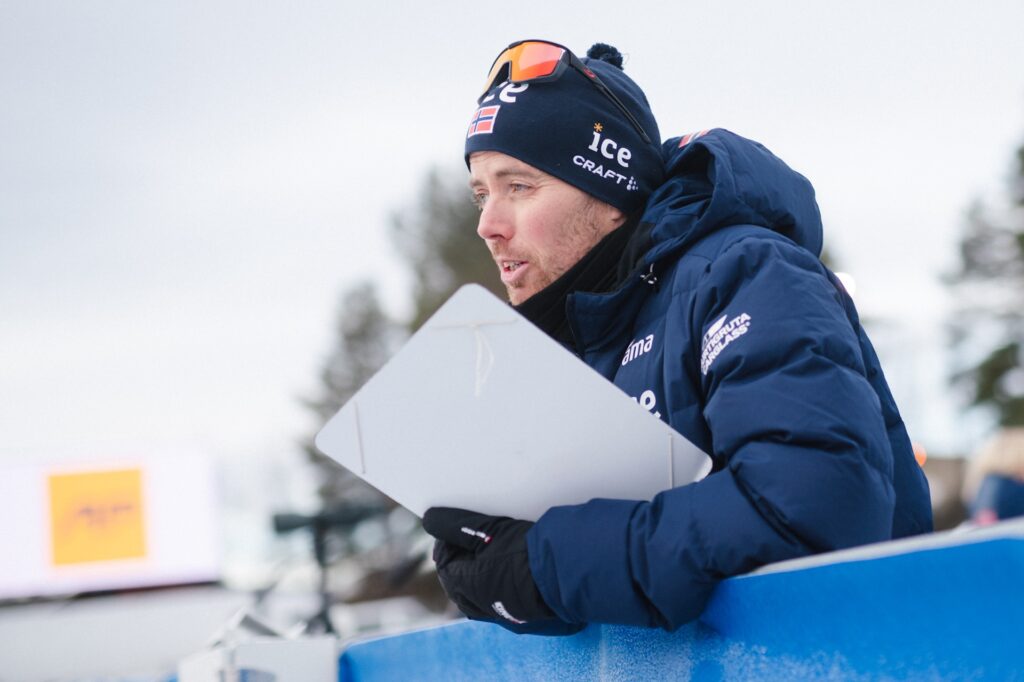
Lars Møland, the Sport Director for the Norwegian Biathlon Federation, elaborated on the rationale behind these appointments: "We have conducted a solid and holistic process with many strong candidates. It has been important for us to find coaches who possess both professional depth, good collaboration skills, and the ability to develop athletes in their transition towards the elite teams. Andreas and Ronny have demonstrated over time that they possess precisely these qualities." This endorsement highlights the federation’s confidence in the pair’s ability to not only coach but also to mentor and guide athletes through the crucial stages of their careers.
Addressing the Assistant Coach Role
While the primary coaching roles have been filled, the position of an assistant coach, who will work across both the recruitment and U23 teams under the new integrated model, remains to be finalized. The federation has indicated its intention to fill this crucial role in the near future, suggesting that further announcements regarding the broader coaching staff are anticipated. This suggests a comprehensive approach to building a robust support system for the athletes.
Significant Overhaul of the Elite Coaching Staff
The integration of Kvam and Hafsås into the recruitment team is part of a broader strategic realignment of the Norwegian Biathlon Federation’s coaching apparatus. Earlier in April, significant changes were announced for the elite team coaching staff, indicating a period of substantial transformation aimed at optimizing performance and adapting to evolving competitive landscapes.
One notable transition involves Anders Øverby, who previously served as the head coach for the men’s recruitment team. Øverby is now moving to the coaching staff of the men’s elite national team. This promotion reflects his successful tenure with the recruitment squad and the federation’s recognition of his capabilities at the highest level of competition.
International and Cross-Country Expertise Bolsters Coaching Ranks
The federation’s restructuring efforts extend beyond internal promotions. There have been deliberate efforts to recruit coaches from international backgrounds and from the cross-country skiing discipline, a sport that shares fundamental physiological demands with biathlon. This infusion of diverse expertise is likely intended to bring fresh perspectives and innovative training methodologies to the Norwegian biathlon program.
Simultaneously, the departure of a long-serving "golden coach" after a decade with the team, whose contract was not renewed, signals a decisive break from past structures and a willingness to embrace new leadership and coaching philosophies. This move, though potentially disruptive, underscores a commitment to continuous improvement and adaptation in a highly competitive international sport.
Broader Implications for Norwegian Biathlon
The recent appointments and broader coaching staff changes signal a strategic pivot for Norwegian biathlon. The federation appears to be investing heavily in its developmental pipeline, aiming to ensure a sustainable flow of talent to the elite level. The inclusion of Hedegart, a figure whose athletic journey is still unfolding, in a coaching capacity is particularly intriguing. His direct experience as a high-performing athlete, coupled with his recent transition, could provide invaluable insights and mentorship to young biathletes navigating the pressures of elite sport.
The unified recruitment and U23 structure is also a pragmatic approach, likely aimed at maximizing efficiency and fostering a stronger sense of team cohesion from an early stage. By bringing male and female athletes and coaches together under a common framework, the federation may be seeking to create a more integrated and supportive environment for talent development.
The emphasis on acquiring coaches with international and cross-country skiing backgrounds further suggests an ambition to broaden the sport’s tactical and technical repertoire. Learning from different sporting cultures and disciplines can often lead to innovative training techniques and a more well-rounded athlete development approach.
Contextualizing the Changes: The Road to the Olympics
These coaching appointments and structural changes are taking place within the critical lead-up to major international competitions, including future Olympic Games. Biathlon, a sport demanding exceptional physical endurance, precision shooting, and mental fortitude, requires a long-term strategic vision for athlete development. The Norwegian Biathlon Federation, historically a dominant force in the sport, is clearly undertaking a proactive approach to maintain its competitive edge.
The transition of athletes and coaches between disciplines, as seen with Hedegart’s move and the recruitment of cross-country coaches, is not uncommon in endurance sports. The shared foundational elements of aerobic capacity and efficient movement on skis provide a natural synergy. However, the specific demands of biathlon, particularly the rapid physiological shift required for accurate shooting after intense physical exertion, present unique coaching challenges that require specialized expertise.
The federation’s investments in its recruitment and U23 programs are a clear indication of its commitment to long-term success. By strengthening the coaching staff and optimizing the developmental pathway, Norway aims to continue producing world-class biathletes capable of competing for medals on the global stage for years to come. The coming seasons will be crucial in evaluating the impact of these strategic decisions on the performance and development of Norwegian biathlon talent. The federation’s proactive approach suggests a deep understanding of the cyclical nature of elite sports and the necessity of continuous adaptation and innovation. The success of these new coaching appointments and structural changes will ultimately be measured by the athletes’ progression and their achievements in major international competitions.

