
Per Nilsson, the long-time personal coach of Swedish cross-country skiing star Frida Karlsson, is facing an uncertain future regarding their continued collaboration. Nilsson has recently concluded his role as a coach for the German women’s national biathlon team and is set to take on a new position as a coach within the Swedish Biathlon Federation. This significant career shift raises questions about the continuity of his highly successful partnership with Karlsson, a relationship that has spanned since her junior years.
Nilsson, a respected figure in endurance sports coaching, has been instrumental in Karlsson’s development into one of the world’s elite cross-country skiers. His expertise and guidance have been a constant presence in her career trajectory. However, with his new commitment to Swedish biathlon, the practicalities and feasibility of maintaining their existing coaching arrangement are now under review.
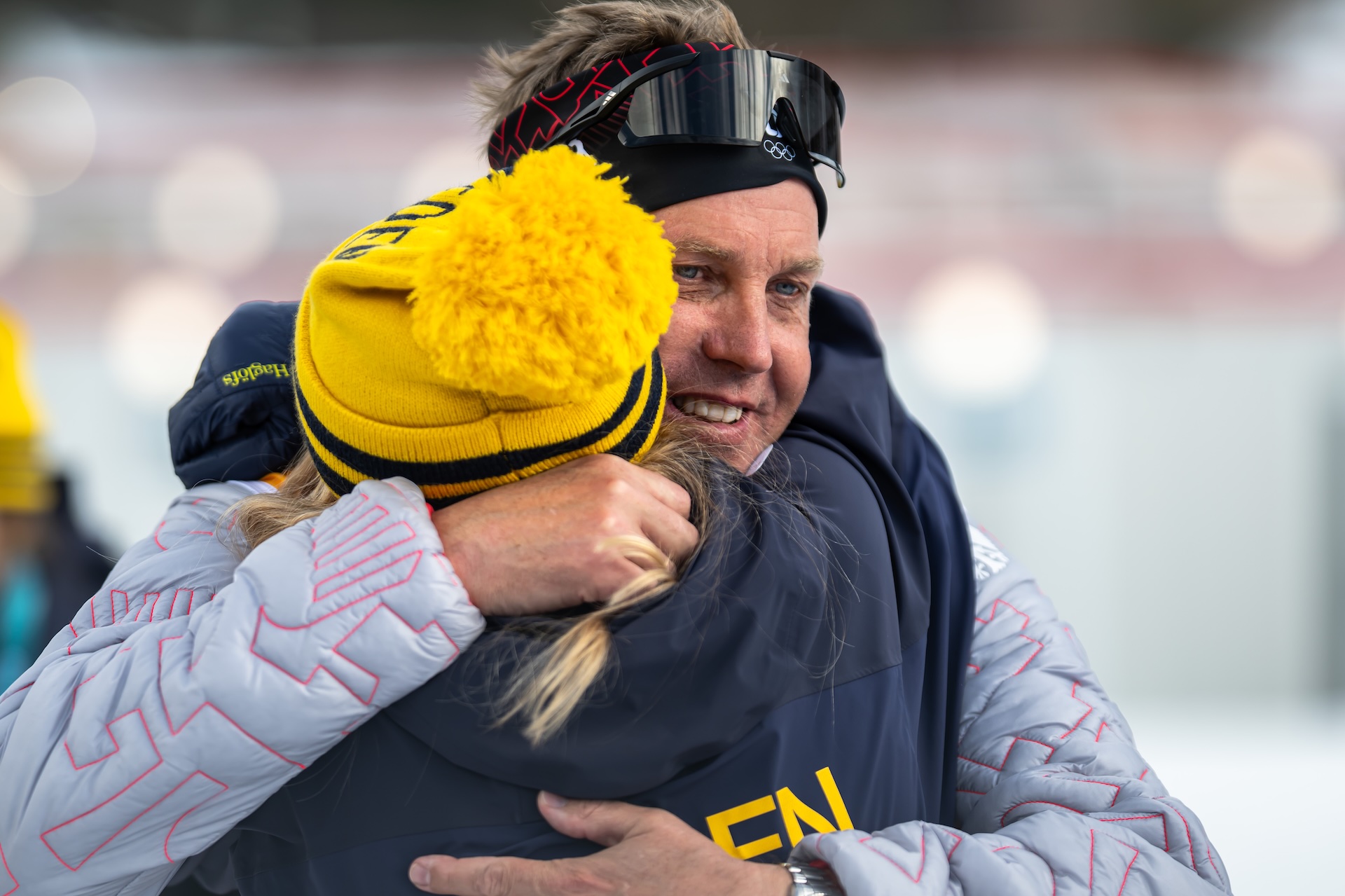
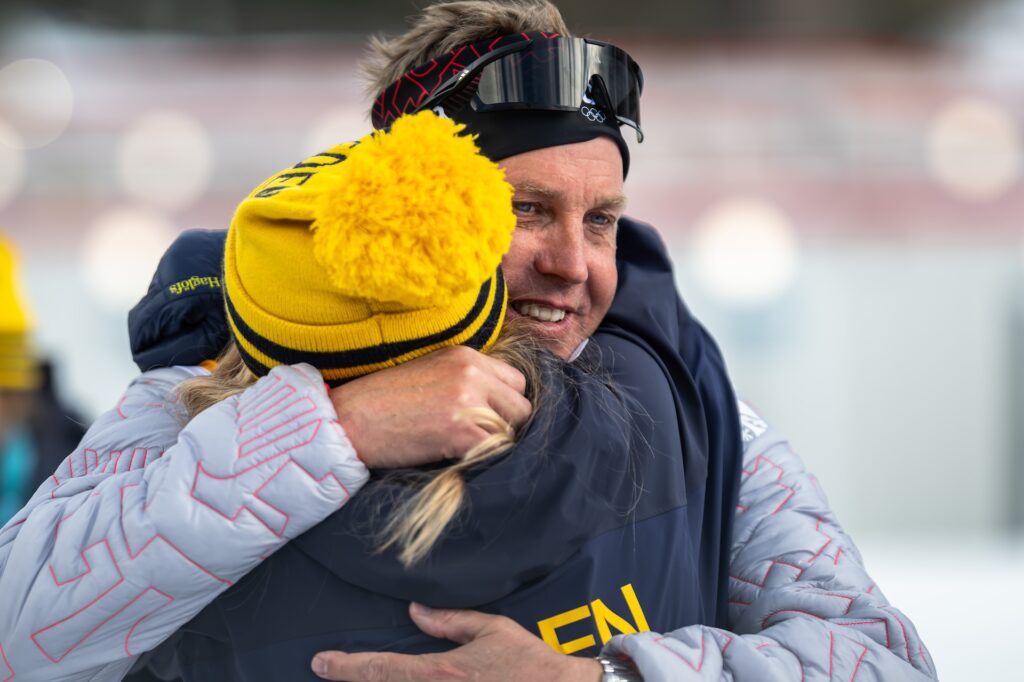
"We need to have a discussion about it," Nilsson stated in an interview with SVT Sport, acknowledging the immediate need to address the situation. The announcement of his new role with the Swedish Biathlon Federation on Thursday morning was met with considerable interest, not only within the biathlon community but also among followers of cross-country skiing, given his close ties to Karlsson.
Uncertainty Surrounds Continued Collaboration
During the presentation of his new responsibilities as the development manager for the Swedish Biathlon Federation, Nilsson was candid about the unresolved nature of his coaching relationship with Karlsson. "This is very new, so we will have a discussion about it and see if it is possible to continue the collaboration, and what that might look like," he explained. This indicates that no definitive decisions have been made regarding how their coaching dynamic will adapt to his new professional demands.
Nilsson further clarified that he has not yet formally discussed the potential for continued collaboration with Karlsson with the biathlon federation. However, he suggested that his move to biathlon could potentially offer advantages for their working relationship. "I will be more in Östersund, where she lives. I have been her coach from a distance in recent years," he noted. This geographical proximity could, in theory, facilitate more hands-on coaching and support, a stark contrast to their previous long-distance arrangement.
No Interest in National Team Coaching Roles
The Swedish coaching luminary has a history in biathlon, having previously served as head coach for the U.S. national biathlon team. This prior experience undoubtedly positions him well for his new role within the Swedish Biathlon Federation. Nilsson revealed that he had declined several other offers before accepting the newly established position of development manager, highlighting the specific appeal of this particular opportunity.
"Germany wanted me to stay, but that was not an option. I also had a school job that I had taken leave from. That is probably what I can say officially," Nilsson commented, alluding to his decision to step away from his previous commitments. He also hinted at other "silly season" opportunities that he preferred to keep private, suggesting a range of potential career paths were considered.
When directly asked about any contact from the Swedish cross-country skiing association regarding their upcoming vacancies for a new national team manager and coach, Nilsson stated, "No. There is always talk at the end of the season about which nations will recruit, but there was never any discussion with them." This definitive response clarifies that Karlsson’s national team coaching structure will not involve Nilsson in an official capacity, reinforcing the separation between his past role in cross-country skiing and his future in biathlon.
Background and Context
Per Nilsson’s coaching journey with Frida Karlsson began during her formative years as a junior athlete. This long-standing relationship has been a cornerstone of Karlsson’s remarkable ascent in the demanding world of elite cross-country skiing. Her career highlights include multiple World Championship titles and Olympic medals, achievements often attributed, in part, to the consistent and dedicated support of Nilsson.
The cross-country skiing season typically concludes in late March or early April, leading into a period of significant coaching and personnel changes within national federations. This "silly season," as it is often referred to in sports, is a critical time for athletes and coaches to reassess their partnerships and for federations to strategize for future seasons. Nilsson’s transition comes at a time when the Swedish cross-country skiing community is also undergoing its own structural changes, with the impending appointment of a new national team manager and coach.
Analysis of Implications
Nilsson’s move to Swedish biathlon presents a complex scenario for Frida Karlsson. On one hand, the prospect of Nilsson being geographically closer to her in Östersund could theoretically enhance their coaching synergy. This proximity might allow for more frequent, in-person sessions, detailed technical analysis, and a deeper understanding of her day-to-day training and recovery.
On the other hand, the demands of a national federation role, especially in a sport as intricate as biathlon, are substantial. Nilsson’s primary responsibilities will undoubtedly be directed towards the development and success of Swedish biathletes. This could inevitably lead to a reduction in the time and energy he can dedicate to Karlsson’s individual training program. The transition period will likely involve a delicate balancing act, requiring clear communication and redefined expectations from both Nilsson and Karlsson.
The fact that Nilsson has not yet discussed his future with Karlsson with the biathlon federation suggests that their continued collaboration is not a foregone conclusion. It implies that the feasibility of such an arrangement will be assessed based on practical considerations, potential conflicts of interest, and the overall strategic direction of both Nilsson’s new role and Karlsson’s ongoing career.
The Swedish Biathlon Federation’s recruitment of a seasoned coach like Nilsson signifies a strategic investment in their program. Biathlon, a sport that combines cross-country skiing with rifle shooting, requires a unique skill set and a different tactical approach compared to pure cross-country skiing. Nilsson’s experience in endurance sports, coupled with his prior biathlon coaching background, makes him a valuable asset in this regard. His focus will likely be on optimizing the physical conditioning and tactical execution of Swedish biathletes, aiming to elevate their performance on the international stage.
For Frida Karlsson, this period of uncertainty might also present an opportunity for reflection and potential diversification of her coaching support. While Nilsson’s guidance has been invaluable, exploring new perspectives or integrating additional coaching expertise could offer fresh insights and further enhance her already formidable capabilities. The long-term impact of this coaching transition will hinge on the ability of both Nilsson and Karlsson to navigate the changes effectively, prioritizing open dialogue and a mutual commitment to their respective professional goals. The coming weeks and months will be crucial in determining the future trajectory of this significant coaching partnership.

