
Kasper Harlem Fosser secured a hard-fought revenge victory in the World Cup knockout sprint in Locarno, Switzerland, but his triumph was almost overshadowed by a dramatic post-race controversy. The Norwegian orienteer’s win was momentarily in doubt as the jury deliberated over a potential infraction in the finish area, a situation that kept spectators and competitors on edge for an extended period. Ultimately, the jury cleared Fosser, confirming his hard-earned victory in the prestigious event.
A Race Defined by Tactical Brilliance and Near Misses
The final of the knockout sprint in Locarno presented a formidable challenge, featuring a complex terrain with dispersed control points that tested the mental fortitude and navigational prowess of the world’s elite orienteers. Kasper Harlem Fosser, widely regarded as the best orienteer in the world, demonstrated remarkable composure under pressure. He navigated the intricate course with precision, largely maintaining his lead. The only competitor who managed to keep pace with the Norwegian dynamo was Finland’s Tuomas Heikkilä, who emerged as Fosser’s primary challenger.
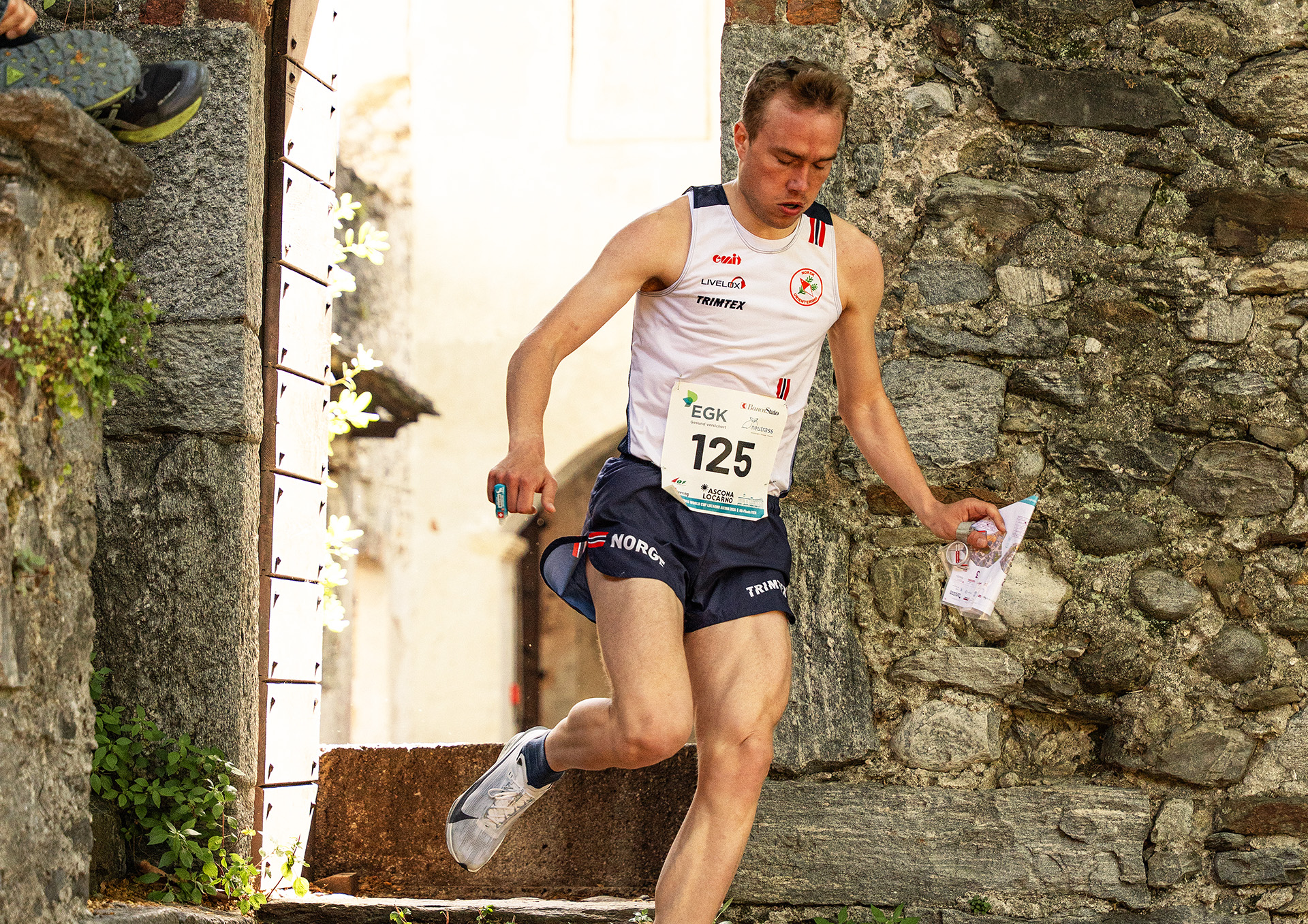
The race culminated in a breathtaking sprint finish, with Fosser narrowly edging out the swift Finn by mere centimeters, collapsing across the finish line in a display of sheer exhaustion and elation. However, the celebratory mood was quickly tempered by a brewing storm of controversy.
The Controversial Finish: A Jump Too Far?
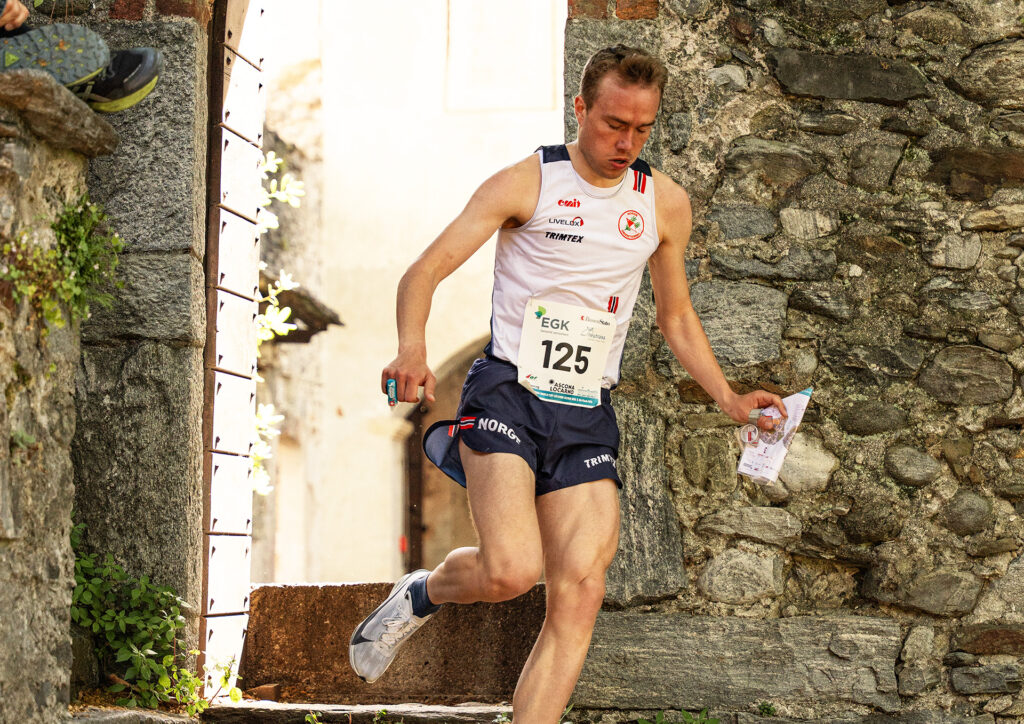
The heart of the post-race drama lay in Fosser’s final approach to the finish. In his final push for the line, Fosser had jumped down from a wall and subsequently passed over a hedge. While crossing the wall was permitted within the course design, the act of passing over the hedge was deemed a potential violation of the rules. The possibility of disqualification loomed large, casting a shadow over what had been a spectacular performance. The tension was palpable as officials convened to review the incident.
The jury’s deliberation process was protracted, extending well into the women’s flower ceremony. This extended period of uncertainty amplified the suspense, leaving participants and observers in a state of anxious anticipation. The decision, when it finally arrived, brought a wave of relief to Fosser and the Norwegian contingent. The jury ruled in favor of Fosser, stating that the infraction, while noted, did not significantly impact the final outcome of the race. This crucial clarification allowed Fosser to retain his hard-won victory.
Fosser Reflects on a Near-Disaster and a Resounding Success
Following the resolution of the jury’s decision, a visibly relieved Kasper Harlem Fosser expressed his feelings about the race and the near-disqualification. "I decided to be precise with the orienteering when I saw there was forking," Fosser commented, referring to the challenging section of the course with multiple route options. "But it felt like I had pudding in my legs on the way to the finish," he added, candidly describing the physical toll of the demanding sprint. The Heming-club athlete’s victory was not only a personal triumph but also a significant morale boost for the Norwegian team.
Norwegian Dominance on the Podium
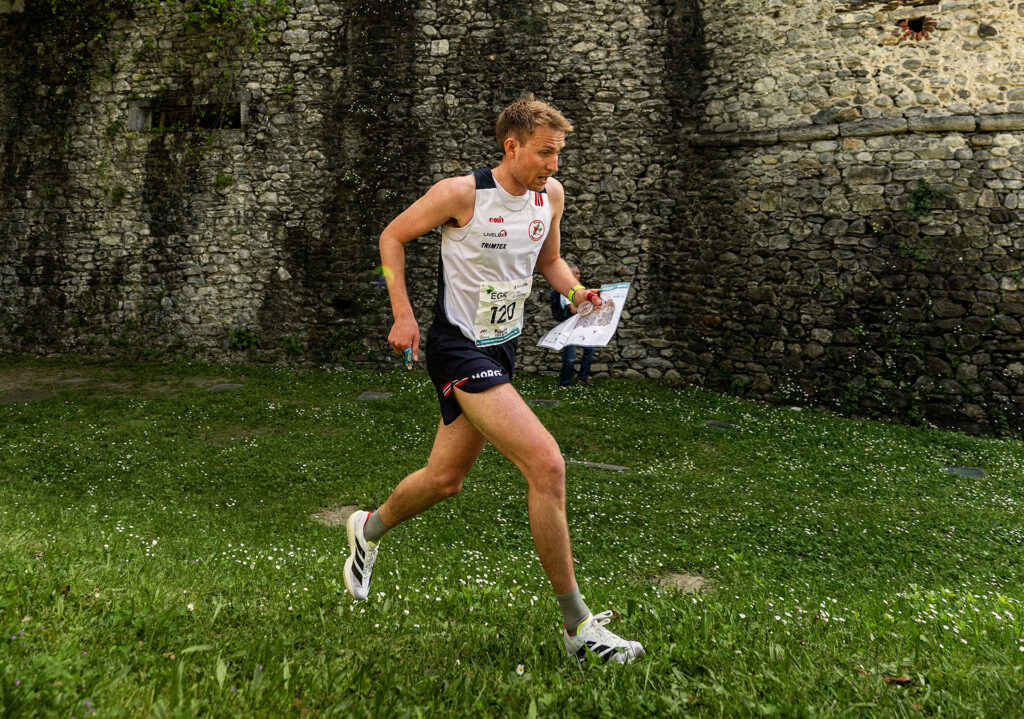
The Locarno knockout sprint proved to be a highly successful event for Norway, with two athletes securing spots on the podium. Eirik Langedal Breivik, a former World Champion in the middle-distance discipline, showcased his tactical acumen on the difficult terrain. While he conceded approximately thirty seconds to Fosser and Heikkilä, Breivik’s performance was strong enough to place him well ahead of the other finalists, securing a commendable third position. His ability to navigate challenging sections and maintain a consistent pace underscored his status as a top-tier orienteer.
The Women’s Race: A Danish Upset and Norwegian Struggles
In the women’s competition, the Locarno event witnessed a surprising and inspiring victory for Denmark’s Hedvig Valbjørsen Gydesen. Gydesen delivered a stunning performance, out-sprinting home favorite Simona Aebersold of Switzerland and Finland’s Maija Sianoja in a dramatic finish.
For the Norwegian team, the women’s race proved more challenging. Pia Young Vik, considered one of Norway’s strongest contenders, encountered difficulties in the section with dispersed control points, leading to her finishing in fifth place. She was also surpassed by her teammate Victoria Håstad Bjørnstad, who narrowly missed a podium finish, securing a respectable fourth place. The remaining Norwegian competitors were eliminated during the quarter-final stages of the knockout format, highlighting the competitive nature of the women’s field.
Background and Context: The World Cup Series

The International Orienteering Federation (IOF) World Cup is the premier annual competition in the sport of orienteering, bringing together the world’s best athletes across various disciplines, including sprint, middle-distance, and long-distance races. The knockout sprint format, as seen in Locarno, is a dynamic and spectator-friendly discipline that involves multiple elimination rounds, culminating in a final heat of four or five competitors. This format often leads to close finishes and exciting tactical battles.
The Locarno event, held in Switzerland, is a significant fixture on the World Cup calendar, often attracting top talent due to its challenging terrain and strategic importance in the overall season standings. The Swiss terrain is renowned for its technical demands, requiring precise navigation and quick decision-making.
Analysis of Implications: The Significance of Fosser’s Win and the Jury’s Decision
Kasper Harlem Fosser’s victory in Locarno reinforces his position as a dominant force in international orienteering. His ability to perform under immense pressure, even when faced with potential disqualification, speaks volumes about his mental strength and resilience. The jury’s decision to allow him to retain his win, based on the principle that the infraction did not alter the final result, reflects a nuanced application of the rules, prioritizing fairness and the spirit of the competition.
For the Norwegian team, the success of both Fosser and Breivik is a positive indicator of their strength in the sprint discipline. This performance will likely bolster their confidence heading into future competitions and solidify their reputation as a leading nation in orienteering.
The women’s race, with its unexpected Danish victory and the challenges faced by the Norwegian athletes, highlights the ever-evolving competitive landscape. The emergence of new talents like Gydesen and the consistent performance of established athletes like Aebersold underscore the depth of talent within the sport.
Looking Ahead: The Road to Future Championships
The World Cup series serves as a crucial stepping stone for athletes preparing for major international championships, including the World Orienteering Championships. The performances in Locarno will undoubtedly influence rankings and provide valuable insights for coaches and athletes as they strategize for upcoming events. The continued development of sprint orienteering, with its fast-paced action and tactical intricacies, promises to captivate audiences and showcase the extraordinary skills of these elite athletes in the years to come. The drama in Locarno, while nearly derailing Fosser’s triumph, ultimately added another layer of excitement to a sport that thrives on precision, endurance, and split-second decision-making.

