
For aspiring ski racers, the journey to elite competition often confronts a formidable barrier: escalating costs. This financial reality frequently marks a pivotal moment in an athlete’s career, where the dream of reaching the pinnacle of the sport can quietly fade, not due to a lack of talent or drive, but simply because the economic demands become unsustainable. The path to the World Cup, largely traversing Europe for optimal training and competition, presents significant logistical and financial hurdles that can overwhelm even the most promising individuals. This is precisely the critical juncture where the World Cup Dreams Foundation (WCDF) intervenes, offering a lifeline to American ski racers.
Established in 2006 by former U.S. Ski Team athletes, WCDF initially focused on a critical yet underserved need: supporting injured athletes who had fallen through the cracks of a then-rudimentary support system. This foundational mission addressed immediate crises, providing a safety net when careers were threatened by physical setbacks. However, over the past few years, under dynamic new leadership and a comprehensive strategic reimagining, the organization’s purpose has profoundly evolved. Today, World Cup Dreams is not merely a reactive support mechanism; it has transformed into a proactive force, actively cultivating a pipeline designed to nurture athletic potential from its earliest stages all the way to World Cup success, fundamentally altering the landscape for American ski racing.
Evolution from Crisis Response to Comprehensive Development
The significant transformation of the World Cup Dreams Foundation gained considerable momentum with the arrival of Claire Abbe Biesemeyer as Executive Director nearly a year ago. Her leadership has been instrumental in accelerating a strategic shift already underway, building upon the pivotal merger in 2021 with the T2 Foundation. This union was more than a mere consolidation of resources; it represented a powerful alignment of two organizations sharing a common vision: supporting elite athletes while simultaneously investing in the next generation of talent.
The merger fundamentally altered WCDF’s operational philosophy. What was once a reactive model, primarily providing assistance to athletes in acute moments of need, blossomed into a proactive, structured system. This new paradigm focuses on creating a seamless developmental pathway, guiding athletes through the various stages of their competitive careers. Claire Abbe Biesemeyer highlights the remarkable growth, stating, "When Tommy Biesemeyer took over, the organization was raising about $50,000 annually. Now we’re distributing about $1.5 million per year in grants." This fifteen-fold increase in financial distribution underscores the expanded scope and impact of the foundation. This exponential growth is not just an impressive statistic; it is a transformative factor in a sport where financial solvency often dictates the continuation of a career. For many, WCDF’s support represents the critical difference between persevering in their pursuit of excellence and being forced to abandon their dreams prematurely.
The Overwhelming Financial Demands of Ski Racing
Ski racing stands as one of the world’s most inherently expensive sports, presenting a unique confluence of factors that drive up costs exponentially. The relentless demands for specialized equipment, extensive domestic and international travel, high-level coaching, and prolonged training camps — often situated in Europe — create an economic ecosystem where access is frequently contingent upon financial means. Unlike many other sports where costs might stabilize or even decrease at higher levels, in ski racing, expenses tend to accelerate as athletes progress.
WCDF astutely identified that the most critical attrition point for talented athletes isn’t at the very beginning of their careers, but rather during a fragile intermediate phase. This is the period when athletes transition from junior circuits, no longer benefiting from the more structured, often subsidized, youth programs, but have not yet achieved the elite status that brings full national team support or significant sponsorship. In this precarious stretch, potential is high, but resources are typically scarce. It is here, in this "hidden barrier," that many of the sport’s future stars quietly disappear from contention, not due to a lack of ability, but purely because of financial strain. As Claire Abbe Biesemeyer articulated, "We were losing talented athletes because of cost." Recognizing this systemic vulnerability, World Cup Dreams strategically developed a robust support system designed specifically to catch these athletes before they fall.
The sheer scale of expenses is staggering. A single season for a developing athlete can easily exceed $50,000 to $100,000, covering race entry fees, lift tickets, specialized skis and boots (often multiple pairs for different disciplines), bindings, helmets, race suits, protective gear, coaching fees, physical therapy, and conditioning. International travel, particularly to Europe for high-level races and summer glacier training, adds substantial costs for flights, accommodation, and ground transportation. The foundation’s financial injection is therefore not merely supplementary; it is often foundational, enabling athletes to afford the necessary training days on snow, access top-tier coaching environments, and most crucially, extend their careers for another vital year or two until they can break through to higher levels of support.
A Structured Pipeline with Purpose
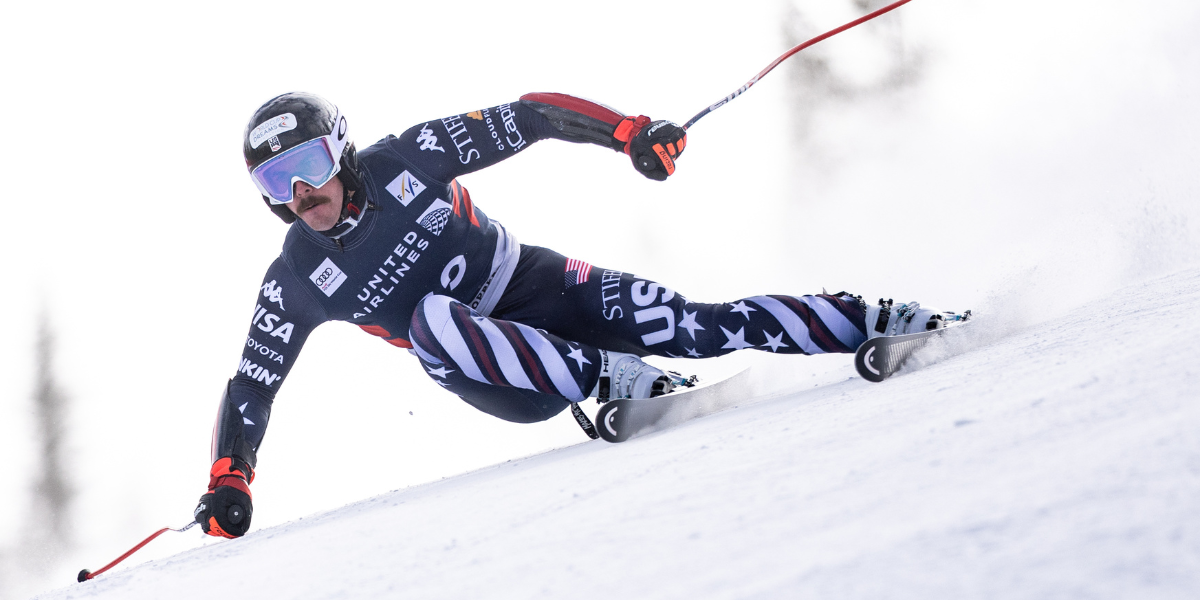
Today, the World Cup Dreams Foundation operates with a clearly defined, multi-tiered development model, meticulously designed to provide targeted support at various stages of an athlete’s progression. While specific program names (ARCO, On the Rise, World Cup) were not fully detailed in the original text, the underlying philosophy is evident:
- Early Stage Support: Focused on identifying and nurturing emerging talent, providing initial grants that help cover foundational costs like equipment, regional training camps, and early competition expenses. This ensures that promising young athletes are not sidelined before they have a chance to fully develop.
- Mid-Career Bridging: This is WCDF’s crucial intervention point, targeting athletes who are past the junior level but not yet fully integrated into national teams. Grants at this stage are often substantial, covering European travel, extended training blocks, and critical competition opportunities that are otherwise financially out of reach. This support bridges the gap when athletes are most vulnerable to dropping out.
- Elite Level Assistance: For athletes on the cusp of or already competing at the highest levels, WCDF provides supplementary support. This can include funding for specialized coaching, advanced sports science resources, injury recovery programs, or specific equipment needs not fully covered by national team budgets.
Each stage of this pipeline is intentionally structured, and every dollar distributed is strategic. The organization moves beyond simply distributing funds; it engages closely with athletes to understand precisely how financial support translates into tangible performance improvements. This could mean enabling more critical days on snow, facilitating access to superior training environments, or, perhaps most importantly, empowering an athlete to remain in the sport for an additional year, providing the crucial time needed for development and breakthrough.
The reach of WCDF’s comprehensive platform is significant. In a recent season, the foundation supported a remarkable 94 athletes and two cross-country teams, a testament to its expanding influence as its systemic approach matures. Furthermore, WCDF has strategically aligned its performance metrics with those of the U.S. Ski Team, emphasizing a shared goal: increasing the number of American athletes ranked within the top 300 globally. This metric is recognized as a key indicator of future World Cup success and Olympic potential, demonstrating that WCDF is not just funding individual dreams but actively contributing to the overall strength and competitiveness of American ski racing on the international stage. It is a mission not just about funding dreams, but meticulously building them.
Tangible Proof in Performance
The effectiveness of World Cup Dreams’ transformed mission is already yielding undeniable results, particularly evident at the highest echelons of the sport. At the most recent Olympic Games, the profound impact of WCDF (and its precursor, the T2 Foundation) was strikingly clear: an impressive 7 of 11 women on the U.S. Alpine team and 4 of 6 men had received support from World Cup Dreams or the T2 Foundation at some point in their respective journeys.
These statistics are not merely numbers; they represent the successful careers of athletes like Ryan Cochran-Siegle, Paula Moltzan, and Nina O’Brien. These individuals are not just recipients of aid; they are living proof of concept, demonstrating that when exceptional talent receives timely and strategic support, it doesn’t merely survive the immense pressures of elite sport—it thrives.
Nina O’Brien, a testament to the foundation’s early intervention, eloquently articulated its impact: "T2 was my first supporter in this sport, and I genuinely don’t know if I’d be where I am today without them. During high school, the grants helped cover my National Training Group fees, flights to Europe to race, and summer camps in New Zealand. Those opportunities were crucial to my development and simply wouldn’t have been possible without the financial support. They showed up for me before anyone else did, and that early belief is what keeps athletes in the sport long enough to find out what they’re capable of. I’m incredibly grateful for their support, and I know I’m not alone in that." Her powerful statement underscores the long-term ripple effect of early, targeted financial and emotional backing.
Beyond Financial Aid: The Power of Mentorship and Community
While financial grants are undeniably critical, perhaps the most profound aspect of the World Cup Dreams Foundation’s impact extends beyond monetary contributions. It lies in the human element—the cultivation of a vibrant network and community. Behind every grant is a web of former athletes, experienced mentors, and inspirational leaders who possess an intimate understanding of the arduous demands of the ski racing journey. This collective wisdom and empathy create a supportive environment that transcends mere financial transactions.
A clear manifestation of this philosophy is the foundation’s burgeoning mentorship initiative. Alice Merryweather, a former U.S. Ski Team athlete and now an integral part of WCDF, articulated her pride in the program: "I’m incredibly proud of the alumni mentorship program. Tommy approached me with the idea during the summer of 2024, when I was pretty fresh off my own retirement from racing and had just started as the World Cup Dreams intern. It was an opportunity to try to leave the system a little better than I found it… rooted in the belief that meaningful support is rarely purely financial."

The structure of the mentorship program is intentionally simple yet highly effective. Every "On the Rise" athlete — those in the crucial mid-career phase — is thoughtfully paired with a mentor. These mentors are carefully selected from individuals previously supported by WCDF or who are currently competing at higher levels, ensuring relevant experience and insight. Pairings are meticulously considered based on discipline, gender, geographic location, career goals, and shared lived experiences. The program officially commences each October, coinciding with the start of the race season. Following an initial introductory meeting, the pairs are largely empowered to manage their relationship independently, allowing athletes the flexibility to determine how and how much they wish to utilize their mentor’s guidance.
Now in its second year, the program has already demonstrated measurable impact. Athletes consistently report engaging with their mentors on a broad spectrum of topics that extend far beyond technical and tactical racing strategies. Conversations often delve into crucial aspects such as mindset, effective injury recovery protocols, and even navigating life beyond competitive sport, preparing them for a holistic future. The positive feedback isn’t limited to the mentees; mentors themselves express deep gratitude for the opportunity to remain involved and contribute to the sport they love. Many have voiced a poignant sentiment, noting how this program provides the exact kind of support they wished they had received when they were their mentee’s age, closing a generational loop of invaluable experience.
For Alice Merryweather, the program holds deep personal significance. Having faced her own challenges, including a season missed for eating disorder treatment and two others due to injury, she experienced WCDF’s unwavering support firsthand. "When I missed one season for eating disorder treatment and another two for injury, WCDF only leaned in harder… I now get to foster the support that I felt for a whole generation behind me, and I think that’s really special." This full-circle dynamic, where supported athletes evolve into mentors, transforms transient aid into a lasting legacy of community and empowerment.
A Culture of Giving Back and Community Engagement
At its very core, the World Cup Dreams Foundation is powered by something far deeper than strategic planning or financial mechanisms: it is fueled by a unique culture of collective responsibility and reciprocity. Many of the individuals who lead, govern, and actively support the organization are former athletes themselves. These individuals, having navigated the identical challenges and triumphs of the competitive ski racing world, feel a profound sense of obligation to improve the experience for the next generation. This ethos of "paying it forward" permeates every aspect of the foundation’s operations.
This culture of giving back extends dynamically to its donor base, redefining traditional fundraising paradigms. Through innovative, community-driven events such as "A Night at Bonnie’s," WCDF has transformed philanthropy into an immersive and unforgettable experience. This signature event artfully blends Aspen’s distinctive, rebellious mountain spirit with the noble goal of supporting aspiring athletes. Guests embark on a unique journey, ascending the mountain in snowcats at night to enjoy a family-style dinner and an exclusive wine tasting at the iconic Bonnie’s restaurant. The evening culminates with a thrilling headlamp ski down the moonlit slopes — all proceeds directly benefiting the next generation of American ski racers. "A Night at Bonnie’s" has not only become a highly anticipated staple within the Aspen community but also a powerful example of how WCDF encourages donors to become integral participants in the athletes’ stories, fostering a deep, personal connection to the cause. This experiential fundraising model generates not just funds, but also enduring loyalty and engagement from its supporters.
The Unvarnished Reality of the Dream
What often remains unseen by those outside the demanding world of competitive ski racing is the brutal reality of the path to the top. It is a journey fraught with peril: devastating injuries, persistent chronic pain, agonizing near-misses on the course, and moments of profound doubt where even the most talented and dedicated athletes contemplate walking away. These are the unseen battles, the sacrifices that underscore the immense value of an organization like WCDF.
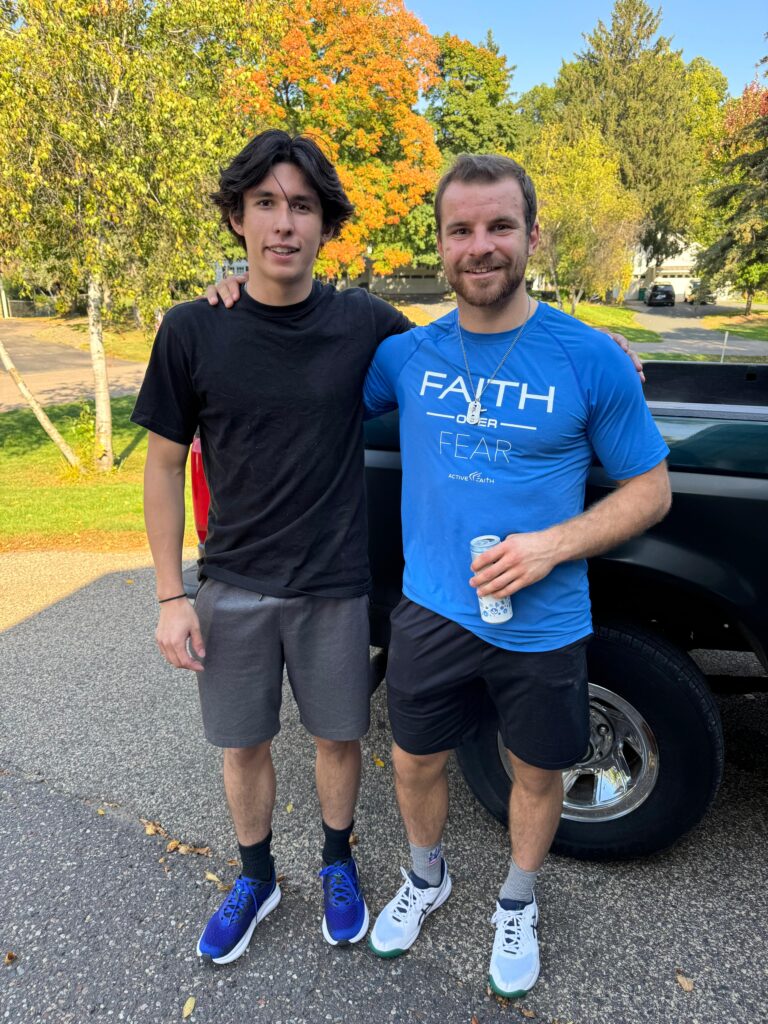
Kyle Negomir’s story powerfully encapsulates this reality and the indispensable role of the foundation: "I’ve been a part of WCDF / T2 for the entirety of my young career in some way, and couldn’t be more grateful. To have an independent organization as committed as they are to raising and allocating funds directly to athletes is a big part of why American ski racing has continued to thrive despite soaring costs. It’s a crucial niche the way skiing works in the US, and they are the only ones filling it."
Negomir continued, highlighting specific instances of support: "I know I had some crucial opportunities that were prohibitively expensive early in my career, and would have struggled to take advantage of them without the support of WCDF. From helping pay for my first European race trip at World Juniors to helping me through my comeback from injury when not many people believed in me anymore, they were there through it all. So I’m proud to mentor younger athletes through this same program now and represent them on the hill." This narrative arc, transitioning from a supported athlete navigating immense challenges to becoming a mentor who actively pays it forward, perfectly captures the transformative, self-sustaining ecosystem that WCDF is meticulously building within American ski racing. It’s a testament to the foundation’s enduring impact, shaping not just careers but also characters.
Looking Forward: Addressing Future Challenges
As the sport of ski racing looks ahead to the next decade, the challenges confronting athletes and the broader ecosystem are unlikely to diminish. If anything, they are projected to intensify, driven by relentlessly rising costs across all aspects of the sport, mounting pressures from climate change impacting training venues and snow conditions, and the ever-increasing physical and mental demands placed upon elite athletes. In this evolving and challenging environment, the need for robust and responsive organizations like the World Cup Dreams Foundation will only become more critical.
The foundation’s future goals are clear and ambitious:
- Sustain and Expand Support: Continue to increase the annual grant distribution to meet the rising costs of competition and training.
- Deepen the Pipeline: Further refine and expand the tiered development programs to reach a broader base of athletes across all disciplines, ensuring no talent is overlooked.
- Strengthen Mentorship: Grow the alumni mentorship program, leveraging the invaluable experience of former athletes to provide comprehensive, non-financial guidance.
- Foster a Culture of Resilience: Continue to instill a culture where athletes are not only supported financially but also mentally and emotionally, equipped to handle the intense pressures and inevitable setbacks of elite sport.
- Enhance Community Engagement: Innovate fundraising and engagement strategies to connect more deeply with supporters and broaden the community that champions American ski racing.
However, the vision extends even deeper than these operational objectives. It is about fundamentally changing what is possible for American ski racers. It is about fostering an environment where talent, rather than financial background, is the primary determinant of success, ensuring that the United States can consistently produce World Cup and Olympic champions.
The Space That Matters Most
In the demanding world of elite sport, talent and ambition are prerequisites. These qualities will always exist in abundance among aspiring athletes. Yet, between inherent ability and the realization of that ambition lies a vast and often perilous gap—a space filled with profound uncertainty, prohibitive costs, and significant personal risks. This is precisely where the World Cup Dreams Foundation operates, strategically and empathetically.
By diligently working within this critical space, WCDF ensures that more athletes are not just surviving the journey, but successfully navigating it. They are not merely reaching the next level of competition; they are ascending all the way to the very top, representing the United States with pride and distinction on the global stage. The foundation’s dedication transforms potential into performance, dreams into reality.
For aspiring American ski racers, the WCDF grant programs—including ARCO, On the Rise, and World Cup—will be open for applications for the 2026–2027 season from June 1 through July 31. This window represents a crucial opportunity for the next generation of champions to secure the support necessary to chase their World Cup dreams.

