
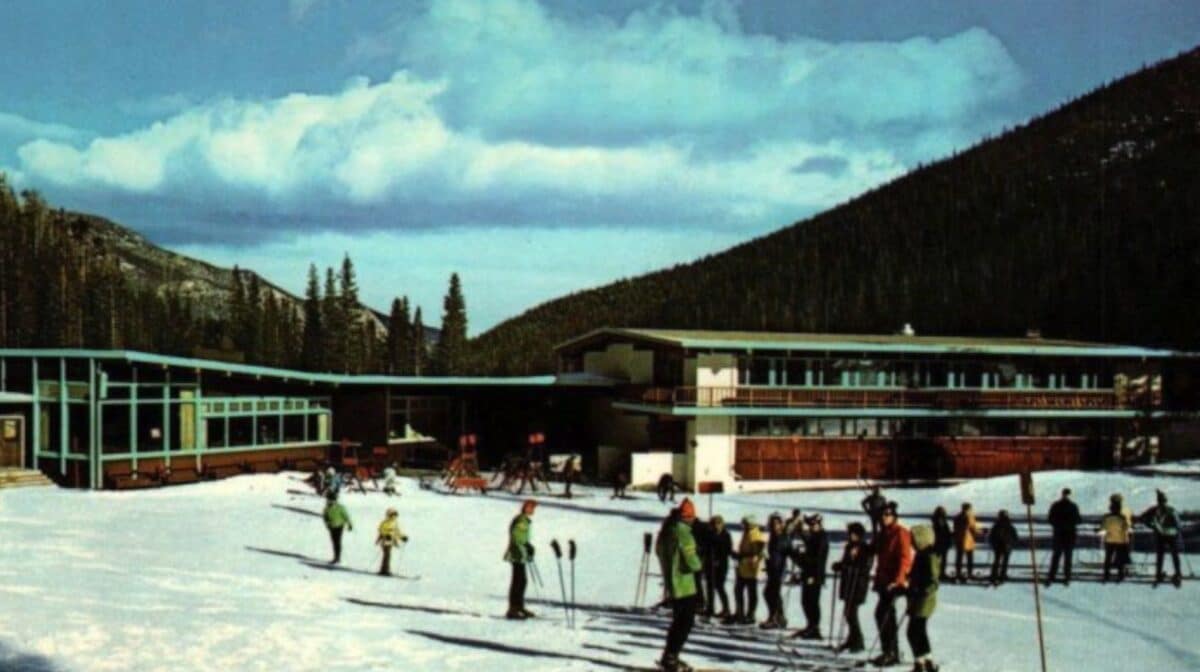
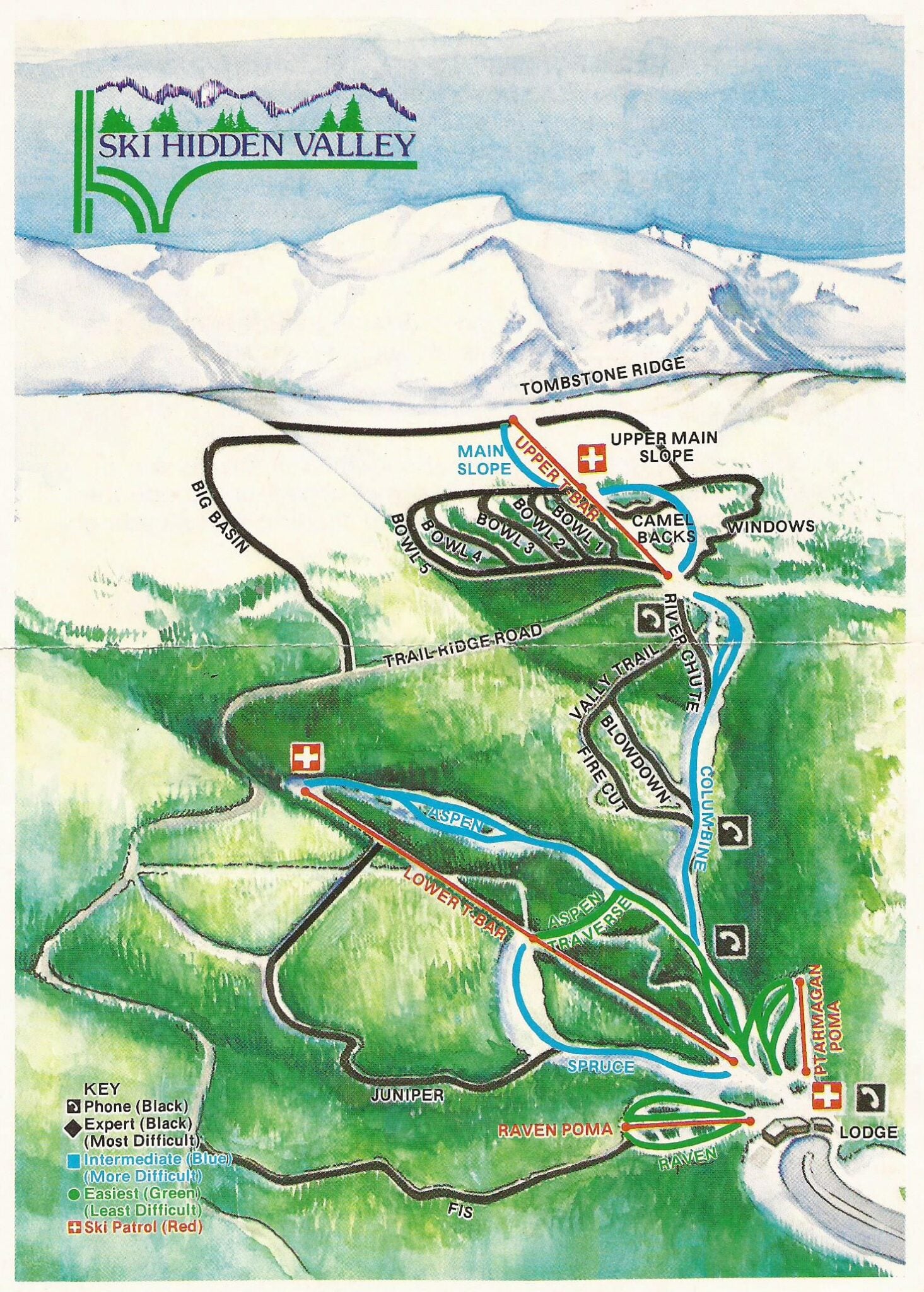
Rocky Mountain National Park, Colorado – Nestled within the majestic peaks and pristine wilderness of Rocky Mountain National Park lies the intriguing story of Hidden Valley, a ski area that once offered winter recreation before succumbing to the forces of nature, evolving operational challenges, and shifting park management priorities. Operating from 1942 to 1991, Hidden Valley, also known as Ski Estes Park, represents a unique chapter in Colorado’s rich ski history, a period when a commercial ski enterprise thrived within the protected boundaries of a national park. This exploration delves into the rise and fall of Hidden Valley, examining the factors that contributed to its closure and its enduring legacy as a testament to the complex relationship between recreation and conservation.
Genesis of a Winter Playground
The desire for winter recreation in the Estes Park region predates the formal establishment of Hidden Valley ski area. Early enthusiasts, drawn by the abundant snowfall and challenging terrain, engaged in backcountry skiing and rudimentary tobogganing in the early 20th century. The idea of a more structured ski operation began to gain traction, culminating in the commencement of lift operations in 1942. This marked the official birth of Hidden Valley as a destination for skiers and snowboarders, offering a unique opportunity for winter sports enthusiasts to experience the grandeur of Rocky Mountain National Park in a recreational capacity.
The initial vision for Hidden Valley was to provide accessible and affordable skiing for locals and visitors alike. Its location, a mere stone’s throw from the popular gateway town of Estes Park, offered a significant advantage in terms of accessibility. The ski area was designed to cater to a range of skill levels, featuring a variety of trails that wound through the natural contours of the landscape. Early operations likely involved a more modest infrastructure, gradually evolving as the ski industry itself matured.
A Mid-Century Struggle and Shifting Fortunes
As the mid-20th century progressed, Hidden Valley, like many ski areas across the country, faced a series of challenges that would test its resilience. The post-war era saw a boom in skiing, with new resorts emerging and existing ones expanding. Hidden Valley, however, operated under the unique constraint of being situated within a national park, a factor that would increasingly influence its development and operational capacity.

One of the most significant physical challenges faced by the ski area was its chairlift system. Reports indicate that a key chairlift, designed to connect two prominent mountains, proved to be an uncomfortable experience for skiers, particularly during periods of high winds. This discomfort, coupled with the inherent limitations of operating such infrastructure in a national park setting, led to its eventual removal in the late 1970s. This removal marked a significant operational setback, potentially limiting the ski area’s ability to offer a comprehensive and appealing experience to a wider range of skiers.
Beyond the logistical hurdles, Hidden Valley grappled with environmental and competitive pressures. The region, while known for its beauty, did not always receive the consistent and abundant snowfall that rival ski resorts in other parts of Colorado enjoyed. This natural variability in snow conditions likely led to periods of operational uncertainty and a reliance on artificial snowmaking, a technology that was still in its nascent stages during much of Hidden Valley’s operational lifespan.
Furthermore, the modernization of competing ski areas surrounding Rocky Mountain National Park created a stark contrast. Many of these resorts invested heavily in advanced lift systems, extensive snowmaking capabilities, and a broader range of amenities, making them more attractive to a growing segment of the skiing public. Hidden Valley, constrained by its park location and potentially limited capital for upgrades, found it increasingly difficult to keep pace with this rapid industry evolution.
The National Park Service and the Question of Commerce
A critical factor in the eventual closure of Hidden Valley was the evolving stance of the National Park Service (NPS). The NPS’s primary mandate is the preservation and protection of natural resources and the wild character of park lands for the enjoyment of present and future generations. While recreational use is often permitted, the balance between commercial enterprise and conservation is a delicate one.
Over the decades, the NPS’s approach to commercial operations within national parks has become increasingly scrutinized. The presence of a ski resort, with its associated infrastructure, potential for environmental impact, and commercial objectives, likely came under review as park management priorities shifted towards a more stringent interpretation of preservation. This reluctance on the part of the NPS to fully endorse or facilitate the expansion of commercial ski operations at Hidden Valley undoubtedly contributed to its eventual demise.
The Inevitable End and the Legacy of Hidden Valley
By the late 20th century, the confluence of these factors – operational challenges, competitive disadvantage, and a changing regulatory landscape within the National Park Service – made the continued operation of Hidden Valley increasingly untenable. The decision was made to cease operations, and the lifts were eventually removed and sold, finding new life at Vail. The lodge, a symbol of the ski area’s past, was sadly demolished in 2002, erasing much of the physical evidence of its former presence.
The closure of Hidden Valley in 1991 marked the end of an era, not only for winter sports enthusiasts in the Estes Park area but also for the broader narrative of ski resorts operating within protected federal lands. The park service’s decision, while perhaps difficult, underscored a commitment to its core mission of preservation.
Hidden Valley Today: A Backcountry Gem
Despite its closure as a commercial ski resort, the spirit of Hidden Valley lives on. The area remains accessible to the public, transformed into a popular destination for backcountry skiing, snowboarding, and sledding. Visitors can still hike or skin up the gentle slopes, earning their turns and experiencing the winter wonderland that once hosted a bustling ski operation. This continued use, albeit in a non-commercial and more environmentally sensitive manner, ensures that the legacy of Hidden Valley as a place for winter recreation endures.
The story of Hidden Valley serves as a poignant case study in the dynamic interplay between recreation, commerce, and conservation. It highlights the challenges faced by ski areas operating in sensitive environmental areas and the evolving perspectives on how best to manage public lands for diverse public interests.
The Broader Context: Ski Resorts in National Parks
Hidden Valley’s unique position as a ski area within a national park places it in a distinct category within the history of American skiing. While many iconic ski resorts are located near, or derive their appeal from, national park settings, few have historically operated directly within their boundaries.
As of 2026, only a handful of ski areas continue to operate within U.S. national parks. These include:
- Badger Pass Ski Area in Yosemite National Park, California: This historic ski area, opened in 1936, has been a part of Yosemite’s winter landscape for decades, offering a more traditional and family-friendly skiing experience.
- Hurricane Ridge Ski Area in Olympic National Park, Washington: Located in the Olympic Mountains, this area provides a scenic backdrop for skiing and snowboarding, catering primarily to local communities and visitors seeking a more intimate mountain experience.
- Boston Mills/Brandywine in Cuyahoga Valley National Park, Ohio: These smaller, often snow-making reliant, ski areas represent a different type of recreational use within a national park, focusing on accessibility and beginner terrain.
The continued operation of these limited venues reflects a carefully managed balance, often with specific historical accommodations and stringent environmental oversight. The closure of Hidden Valley, therefore, can be seen as part of a broader trend of re-evaluating and, in many cases, reducing commercial activities within national parks to prioritize their conservation mission. The story of Hidden Valley is a valuable reminder of the complexities involved in integrating human recreation with the preservation of natural landscapes. It is a narrative that continues to resonate within the ski community and among park enthusiasts alike, a testament to the enduring allure of the mountains and the ever-present need to protect them.

