
The 2025-2026 European winter sports season reached its definitive conclusion this weekend as the final corridor of major high-altitude resorts across the Alps ceased lift operations. While a select number of glacier-based destinations and niche locations in Eastern Europe and the United Kingdom continue to offer limited lift access, the traditional winter tourism cycle has officially transitioned into the spring-summer interim. This seasonal shift comes amidst a period of meteorological volatility that has seen a historically dry April accelerate snowmelt at lower elevations, raising significant concerns regarding the viability of the upcoming summer glacier skiing schedule.
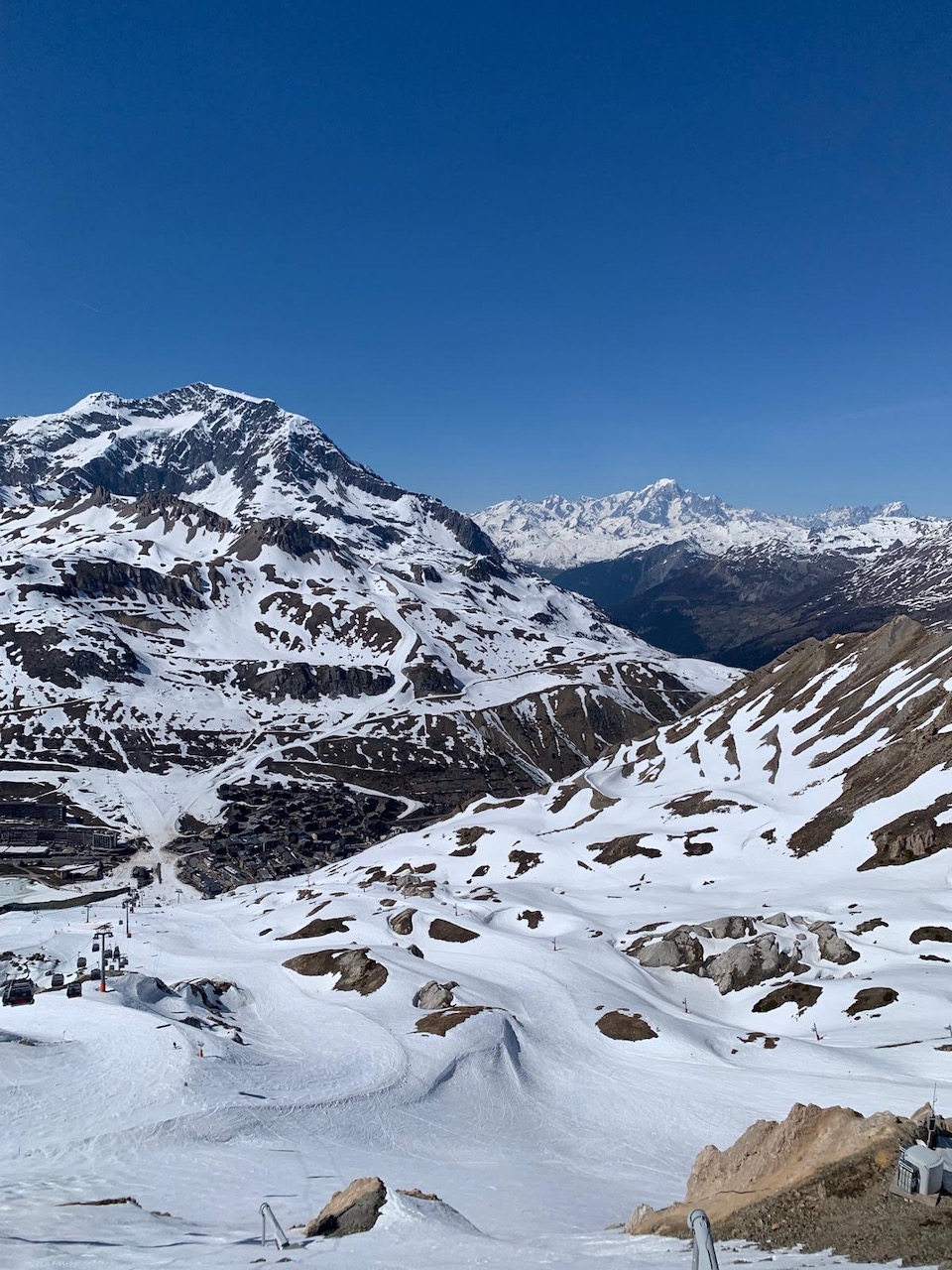
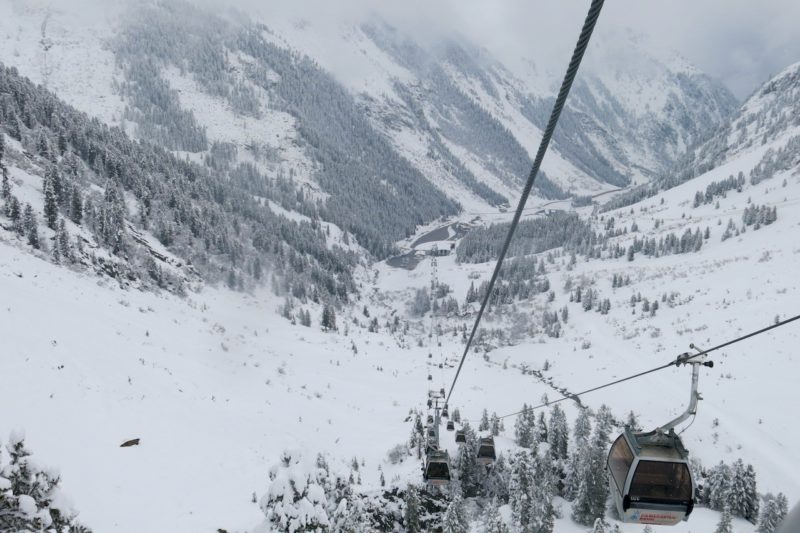
The closure of flagship resorts marks a pivotal moment for the Alpine economy. This weekend, a prestigious roster of destinations including Val Thorens, Tignes, Ischgl, Engelberg, Argentiere (Chamonix), Cervinia, and Pitztal shuttered their primary networks. These resorts, often the last to close due to their superior elevation and north-facing slopes, represent the final bastions of the winter season. Their closure signals a broader industry-wide pivot toward summer activities such as mountain biking and hiking, though the transition is shadowed by a snowpack that experts describe as increasingly fragile.
Meteorological Analysis and Snowpack Depths
The conclusion of the season has been heavily influenced by a period of unseasonably high temperatures and a lack of precipitation. According to data provided by meteorological analysts, the month of April 2026 was characterized by an exceptional dry spell and a thermal anomaly that saw temperatures rise significantly above the thirty-year average for the region. This climate pattern led to a rapid ablation of the snowpack, particularly on slopes situated below 2,000 meters.
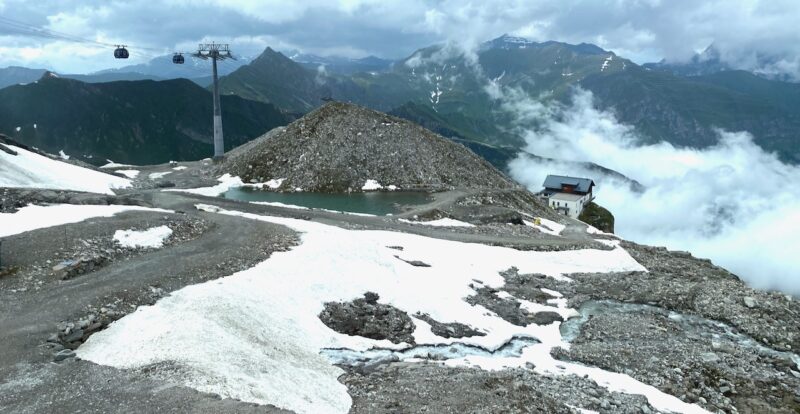
Fraser Wilkin, a prominent analyst from the specialized weather service weathertoski.co.uk, noted that while the high-altitude base remained functional through the end of the season, the overall outlook is tempered by the lack of late-season accumulation. Despite April being exceptionally dry and warm, leading to a rapid melting of much of the lower-lying snow across the Alps, solid base depths at higher altitudes and predominantly fine weather provided excellent spring skiing in recent weeks, Wilkin observed. However, he cautioned that the underlying data suggests a challenging summer ahead. Overall snow depths are now below the norm for early May, which does not bode particularly well for the summer skiing season.
The implications of these below-average snow depths extend beyond recreational skiing. Glaciers rely on a protective layer of winter snow to reflect solar radiation and insulate the ice beneath during the summer months. When this "seasonal blanket" is thin, the glacial ice is exposed earlier in the year, leading to accelerated mass loss. This cycle has become a recurring theme in Alpine climatology over the last decade, forcing many resorts to reconsider their summer operational calendars.
Chronology of the Seasonal Transition
The transition from winter to summer operations is occurring in a staggered fashion, with specific resorts attempting to bridge the gap through glacier access.
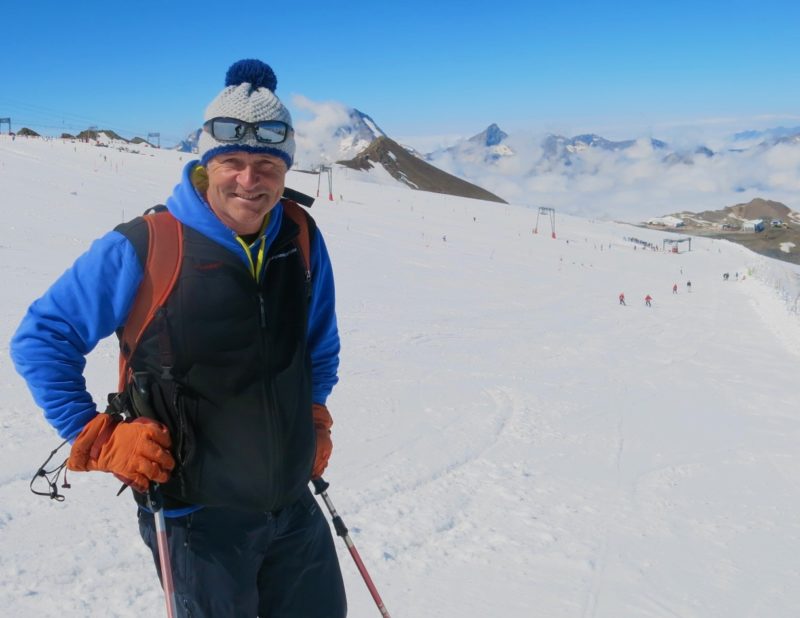
On Sunday, May 3rd, Les2Alpes in France concluded its standard winter operations. However, in a demonstration of the resort’s dual-season strategy, it is scheduled to re-open almost immediately on Monday, May 4th. This reopening focuses exclusively on the glacier, providing a window for spring and summer skiing that is slated to run until July 5th. This sixty-day window is a critical period for professional ski teams and summer camps that utilize the high-altitude terrain for off-season training.
In Austria, the transition remains focused on the country’s robust glacier infrastructure. While the main seasonal resorts have closed, the glacier regions in the Tyrol and beyond remain operational. Historical precedents, such as those seen in Stubai near Innsbruck, show that May can occasionally deliver late-season surprises. In previous years, skiers in the Stubai Valley have experienced fresh powder conditions well into the second half of May. However, such events are increasingly viewed as statistical outliers rather than reliable seasonal features.
Further east, Jasna in Slovakia has managed to maintain a limited number of open slopes, catering to the Central European market. Similarly, in the United Kingdom, Cairngorm in Scotland continues to offer sporadic skiing opportunities, though these remain highly contingent on localized weather patterns and the persistence of remaining snow patches in high corries.
The Resilience of Year-Round Destinations
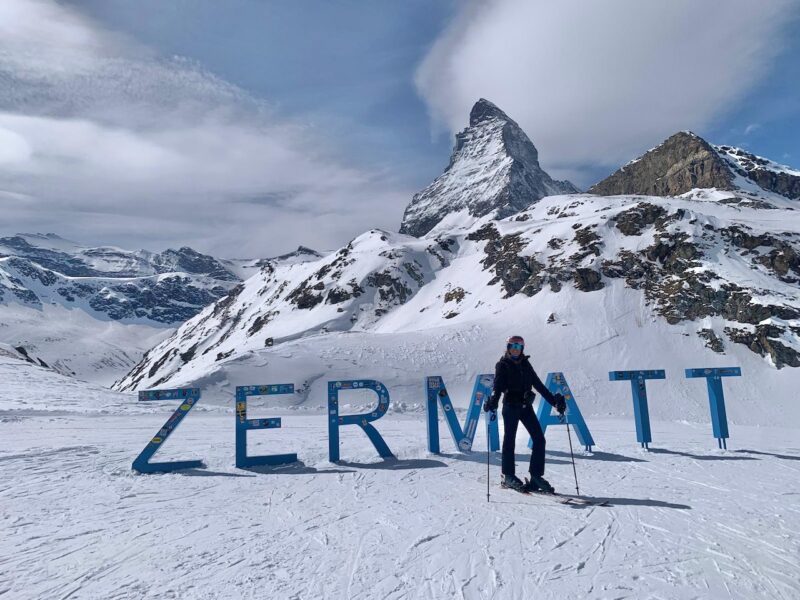
Two primary destinations in the Alps continue to champion the concept of year-round skiing, albeit under constant threat from rising isotherms. Hintertux in the Austrian Zillerthal and Zermatt in Switzerland remain the only resorts with the stated goal of offering 365-day access to their slopes.
Zermatt, which provides access to the Matterhorn Glacier Paradise, the highest cable car station in Europe at 3,883 meters, remains a global hub for summer skiing. This week, reports from the resort indicated functional conditions, though the reliance on snow-making and snow-farming techniques is more pronounced than in previous cycles. The sustainability of these operations is a point of ongoing debate within the industry, as the energy costs and logistical challenges of maintaining summer pistes continue to mount.
The "summer window" for skiing in the Alps is shrinking. Wilkin emphasized that for those intending to pursue the sport during the warmer months, timing is now the most critical factor. If you are planning to ski in the Alps this summer, May and June will generally offer the most options, he stated. Skiing in the Alps any later in summer is becoming increasingly uncertain these days. This uncertainty has led to a significant shift in how these resorts market themselves, with a greater emphasis on "cool-cationing"—the trend of tourists seeking the cooler temperatures of the mountains to escape the intensifying heatwaves of Southern Europe and urban centers.
Broader Economic and Environmental Implications
The shortening of the winter season and the precarious nature of summer skiing represent a significant economic challenge for Alpine communities. Historically, the winter season accounted for up to 80% of the annual revenue for many high-altitude villages. The current trend of rapid spring snowmelt necessitates a diversification of the tourism product.
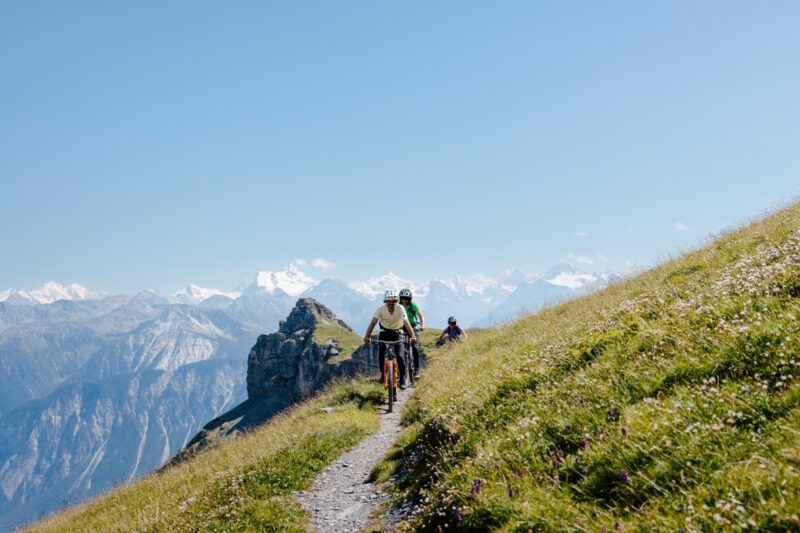
Resorts like Crans-Montana in Switzerland are increasingly focusing on the "Enduro" and mountain biking markets to fill the void left by receding glaciers. By investing in world-class bike parks and summer event programming, these destinations aim to decouple their economic survival from the presence of snow. This weekend’s closures serve as a reminder of the urgency of this transition.
Furthermore, the environmental impact of maintaining summer skiing cannot be overlooked. The use of "glacier blankets"—large geotextile sheets used to cover sections of ice to prevent melting—has become a common sight in resorts like the Pitztal and on the Presena glacier. While effective on a small scale for preserving lift pylons and specific runs, they are not a solution for the systemic retreat of Alpine glaciers.
The Global Perspective: Southern Hemisphere Outlook
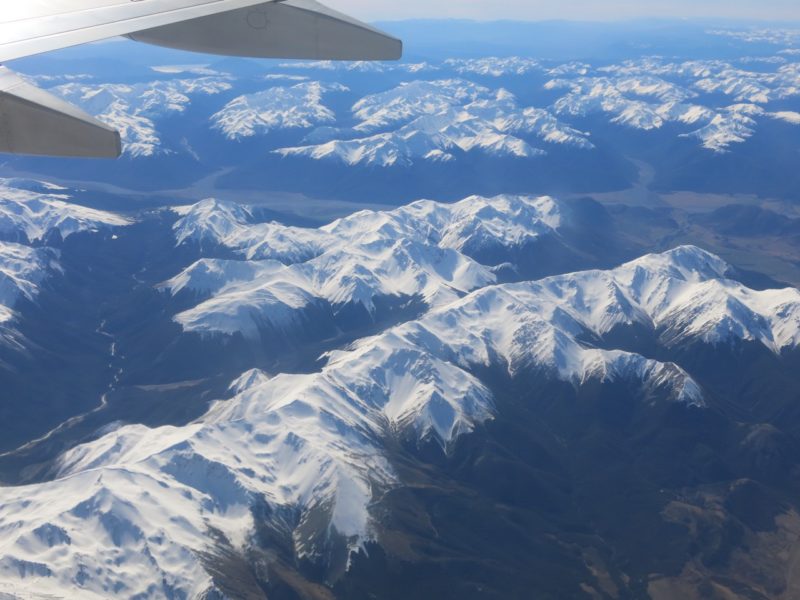
As the sun sets on the European season, the focus of the international ski community is shifting toward the Southern Hemisphere. The seasonal inversion means that while the Alps enter their dormant period, resorts in Oceania and South America are preparing for their primary winter launch.
Next month, the ski industry in New Zealand and Australia will commence operations. In New Zealand, the resorts of the South Island, including Coronet Peak, The Remarkables, and Cardrona, are entering their final stages of preparation. The Australian Alps, centered around Thredbo and Perisher in New South Wales and Mt Buller in Victoria, are also anticipating the start of their season in June. Early season snowfalls in these regions are being closely monitored, as they set the tone for the Southern Hemisphere’s winter economy.
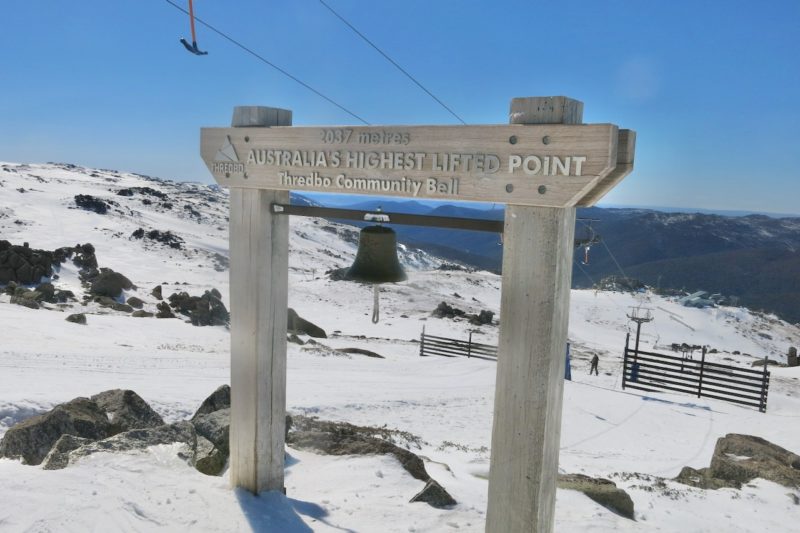
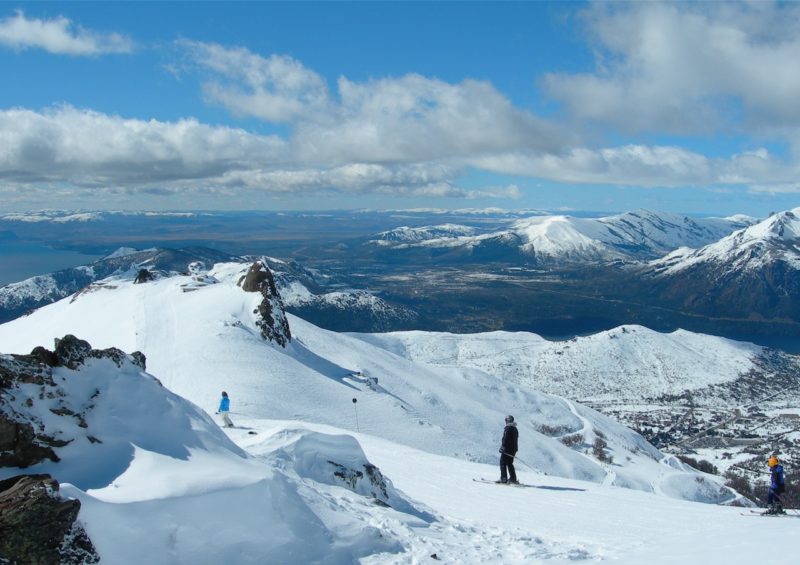
Simultaneously, South America is preparing for its seasonal opening. Resorts such as Cerro Catedral in Argentina and Valle Nevado in Chile are integral to the global ski circuit, often hosting Northern Hemisphere professional athletes for winter training during the European summer. The performance of these resorts over the coming months will be a critical indicator of the health of the global winter sports industry.
Conclusion and Future Outlook
The closure of the main Alpine resorts on May 3rd, 2026, marks the end of a winter that was defined by its resilience in the face of challenging spring conditions. While the high-altitude base depths allowed for a successful conclusion to the season, the rapid melting observed in April serves as a stark harbinger for the future of summer skiing.
The industry now enters a phase of transition. For the recreational skier, the options in the Alps are now limited to a handful of high-altitude glaciers, with the best conditions expected to dissipate by mid-June. For the industry at large, the focus shifts to the Southern Hemisphere and the ongoing adaptation of Alpine resorts to a multi-season, climate-resilient business model.
PlanetSKI will continue to monitor these developments throughout the summer, providing on-the-ground reporting from both the receding glaciers of Europe and the emerging winter landscapes of the Southern Hemisphere. As the climate continues to reshape the topography of mountain sports, the importance of real-time, digital news remains paramount for enthusiasts and industry stakeholders alike. Progress in snow-making technology, snow-farming, and the development of alternative summer mountain activities will likely dominate the narrative as the Alps prepare for the eventual return of the 2026-2027 winter season.

