
As the winter season approaches and the first dusting of snow appears on mountain peaks, thousands of recreational skiers begin the annual ritual of physical preparation. However, according to leading orthopedic experts, the traditional "November scramble"—a frantic multi-week exercise routine designed to prepare the body for the slopes—is often a case of too little, too late. For optimal performance and, more importantly, the prevention of debilitating injuries, the window for training begins long before the lifts start running. Dr. Kevin Stone, a renowned orthopedic surgeon at The Stone Clinic in San Francisco and a former physician for the U.S. Ski Team, asserts that the ideal training cycle for the following winter actually commences the moment the previous season ends.
The Evolution of Off-Season Conditioning
The philosophy of athletic preparation for alpine sports has undergone a significant shift over the last decade. Historically, training was divided into rigid phases: a dormant period followed by a "sport-specific" phase involving explosive lateral movements and heavy weightlifting. Modern sports medicine, however, has pivoted toward a model of continuous "total body fitness." Dr. Stone emphasizes that maintaining the quad strength and cardiovascular endurance built during the peak of winter is far more efficient than attempting to rebuild muscle mass from zero in the late autumn.
The current consensus among sports physiologists suggests that while sport-specific drills like lateral ski jumps and dynamic squats are essential as the season nears, the primary goal of the off-season should be the maintenance of general physical health through activities that the athlete finds engaging. Whether it is cycling, distance running, or consistent gym sessions, the "fun factor" is now recognized as a critical component of compliance. Group-based activities are particularly encouraged, as social accountability often leads to higher intensity and more consistent training results.
A Chronological Approach to Peak Performance
To maximize safety and enjoyment, experts recommend a 12-month fitness cycle. This timeline allows the body to adapt to stressors without the risk of overtraining or acute injury during the pre-season rush.
The Maintenance Phase (April – August)
During the spring and summer months, the focus is on maintaining a baseline of aerobic capacity and core stability. This period is less about "skiing" and more about preventing the atrophy of the "skiing muscles"—the quadriceps, hamstrings, and glutes. Low-impact sports such as swimming and cycling are ideal for protecting the joints while maintaining cardiovascular health.
The Transition Phase (September – October)
As autumn begins, the training should become more focused. This is the period where "total body fitness" begins to incorporate more functional movements. This phase often includes increasing the frequency of strength training and introducing balance-focused exercises, such as using Bosu balls or single-leg stability drills, to prepare the nervous system for the uneven terrain of a ski slope.
The Pre-Season Intensity Phase (November)
In the weeks immediately preceding the first trip, the focus shifts to dynamic movement. For those who may have neglected their off-season conditioning, this is the final opportunity to prime the musculoskeletal system. Dr. Stone identifies the "dynamic squat"—a side-to-side variation of the traditional squat—as the gold standard for this period. These movements replicate the lateral forces and weight transfers inherent in downhill skiing, helping to "wake up" the stabilizers in the knees and ankles.
The Biomechanics of the Dynamic Squat
In the field of orthopedic medicine, the squat is frequently cited as the most efficient exercise for skiers. However, for the movement to be effective as a preventative measure, it must be performed dynamically. A static squat builds raw power, but skiing is a sport of constant motion and micro-adjustments.
By incorporating side-to-side movements and varying the depth and speed of the squat, athletes can better prepare for the unpredictability of mountain terrain. This type of training improves "proprioception"—the body’s ability to sense its position in space. Enhanced proprioception allows a skier to react faster to a hidden patch of ice or a sudden change in snow consistency, potentially preventing a fall that could lead to a ligament tear.
The Psychological Dimension of Injury Prevention
While physical strength is a primary focus, Dr. Stone argues that the most critical factor in avoiding the operating table is mental presence. Data from clinical observations at The Stone Clinic suggest a recurring theme among injured athletes: a momentary lapse in concentration. Many patients report a "sense of something being off" or being distracted by external factors—such as lunch plans or social dynamics—seconds before an accident occurs.
In the high-velocity environment of alpine skiing, mental errors are the leading cause of sports-related injuries. Muscle development provides a structural safety net, but it cannot fully compensate for a lack of focus. Experts suggest that "putting your mind in the game" is just as important as physical warm-ups. This involves a conscious transition into a focused state before the first run of the day, ensuring that the brain is fully synchronized with the body’s movements.
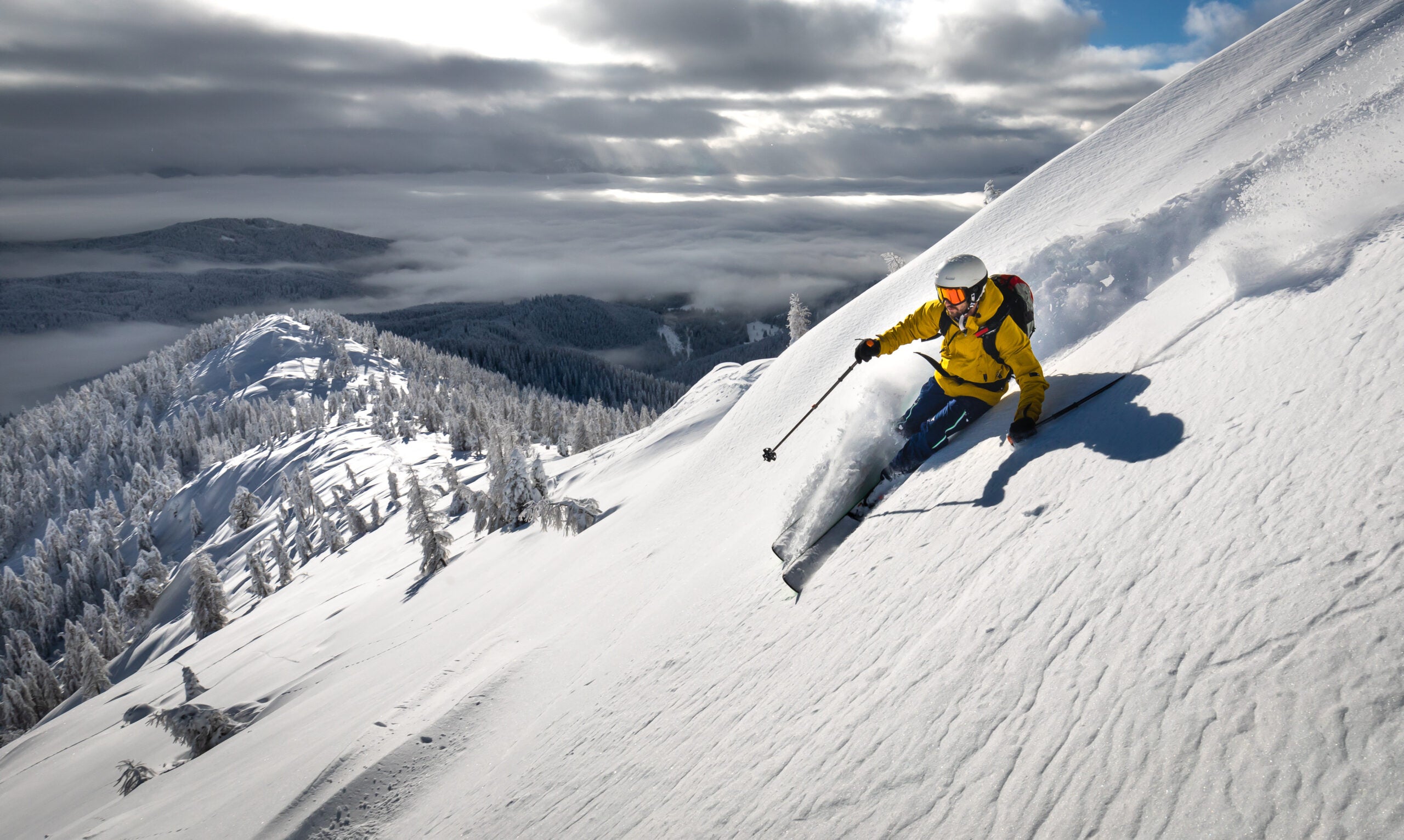
Technological Advancements and Equipment Safety
The role of equipment in safety cannot be overstated. There is a common misconception among recreational skiers that older gear is "good enough" for occasional use. However, ski and boot technology has advanced rapidly, specifically in the realms of binding release mechanics and material flexibility.
The Case for Softer Boots
Traditionally, high-performance skiing was associated with rigid, stiff boots designed to maximize power transfer to the front of the ski. Dr. Stone and other modern experts now advocate for a different approach for the general skiing population. For approximately 90 percent of skiers, a softer boot flex is actually safer and more conducive to proper technique. Softer boots allow for better utilization of the ankles and knees, enabling more fluid turns and reducing the jarring forces transmitted to the hip and spine.
Binding Integrity and Ski Geometry
Older bindings can suffer from "spring fatigue" or degraded plastic components, which may lead to pre-release or, more dangerously, a failure to release during a twisting fall. Modern skis, with their refined sidecuts and vibration-dampening materials, also require less physical force to maneuver, which reduces the overall strain on the athlete’s joints over the course of a day.
Clinical Perspectives: Age-Specific Injury Risks
The type of injuries seen by orthopedic surgeons typically varies by the age and activity level of the skier. Understanding these risks allows for more targeted preventative measures.
Younger Skiers: Acute Trauma
In younger populations, injuries are often the result of high-energy falls. The most common diagnoses include:
- ACL Tears: Often caused by twisting motions where the binding fails to release.
- Meniscus Cartilage Tears: Frequently occurring in conjunction with ligament damage.
- Shoulder Dislocations and Rotator Cuff Tears: Often the result of "bracing" for a fall with an outstretched arm.
Older Skiers: Degenerative Challenges
For the "Master" class of skiers, the primary obstacle is often osteoarthritis. Years of impact can lead to bone-on-bone contact in the knees, hips, and ankles. However, the medical field has seen significant breakthroughs in "biologic" treatments that allow older skiers to remain active.
Dr. Stone highlights the efficacy of injections such as hyaluronic acid (lubricants) and Platelet-Rich Plasma (PRP), which utilizes growth factors from the patient’s own blood. These treatments can recruit the body’s stem cells to reduce inflammation and lubricate joints, often delaying or entirely eliminating the need for total joint replacements.
Advanced Recovery and Surgical Innovations
When injuries do occur, the strategy for recovery has shifted toward "anatomic restoration." If a ligament like the ACL requires replacement, Dr. Stone prefers the use of donor tissue (allograft) over harvesting tissue from the patient’s own patellar tendon or hamstring (autograft). The rationale is that harvesting autograft tissue can weaken the knee’s natural structure, making it harder for a skier to hold a firm edge on icy terrain.
Furthermore, the goal of modern rehabilitation is for the athlete to return "fitter, faster, and stronger" than they were prior to the injury. The recovery period is used as a highly motivated training block, where weaknesses in the athlete’s original physical chain are identified and corrected.
Broader Industry Impact and Implications
The emphasis on year-round fitness and modern equipment has broader implications for the ski industry and public health. As skiing continues to grow in popularity—with the National Ski Areas Association (NSAA) reporting record-breaking skier visits in recent years—the strain on mountain medical facilities and emergency services has increased.
A more physically prepared skiing public leads to fewer "fatigue-related" accidents, which typically spike in the mid-afternoon hours. Moreover, the shift toward biologic treatments and better gear allows for a longer "skiing lifespan," contributing to the economic stability of mountain resorts and the long-term health of the aging population.
In conclusion, while the urge to "cram" for ski season is a natural response to the first snowfall, the most successful and safest skiers are those who view fitness as a perennial commitment. By combining total body conditioning with mental focus, modern equipment, and an understanding of one’s own biological risks, athletes can ensure that their time on the mountain is defined by performance rather than recovery.

