
For many high-impact athletes, particularly those in the skiing community, the physical toll of the sport often mirrors a biological application of Newton’s third law: every high-adrenaline action eventually yields an equal and opposite physical reaction. While the immediate rewards of alpine skiing include profound psychological benefits and "powder day" euphoria, the long-term physiological costs frequently manifest as chronic musculoskeletal degradation. Recent case studies and sports science data indicate that without a structured intervention, such as resistance training, the cumulative impact of mountain sports can lead to debilitating conditions well before an athlete reaches middle age.
The Physiological Demands of Alpine Skiing and the Evolution of Injury
The mechanics of skiing involve complex, multi-planar movements that require high levels of eccentric strength and core stability. However, human evolution has not entirely optimized the skeletal structure for the specific stresses of high-speed descent on varied terrain. For a typical skier, the upper body acts as a dynamic apparatus that must be stabilized by the lower back and hips. When the gluteal muscles and the posterior chain—the group of muscles including the hamstrings, glutes, and erector spinae—are under-developed, the lower back (lumbar spine) absorbs the brunt of the force.
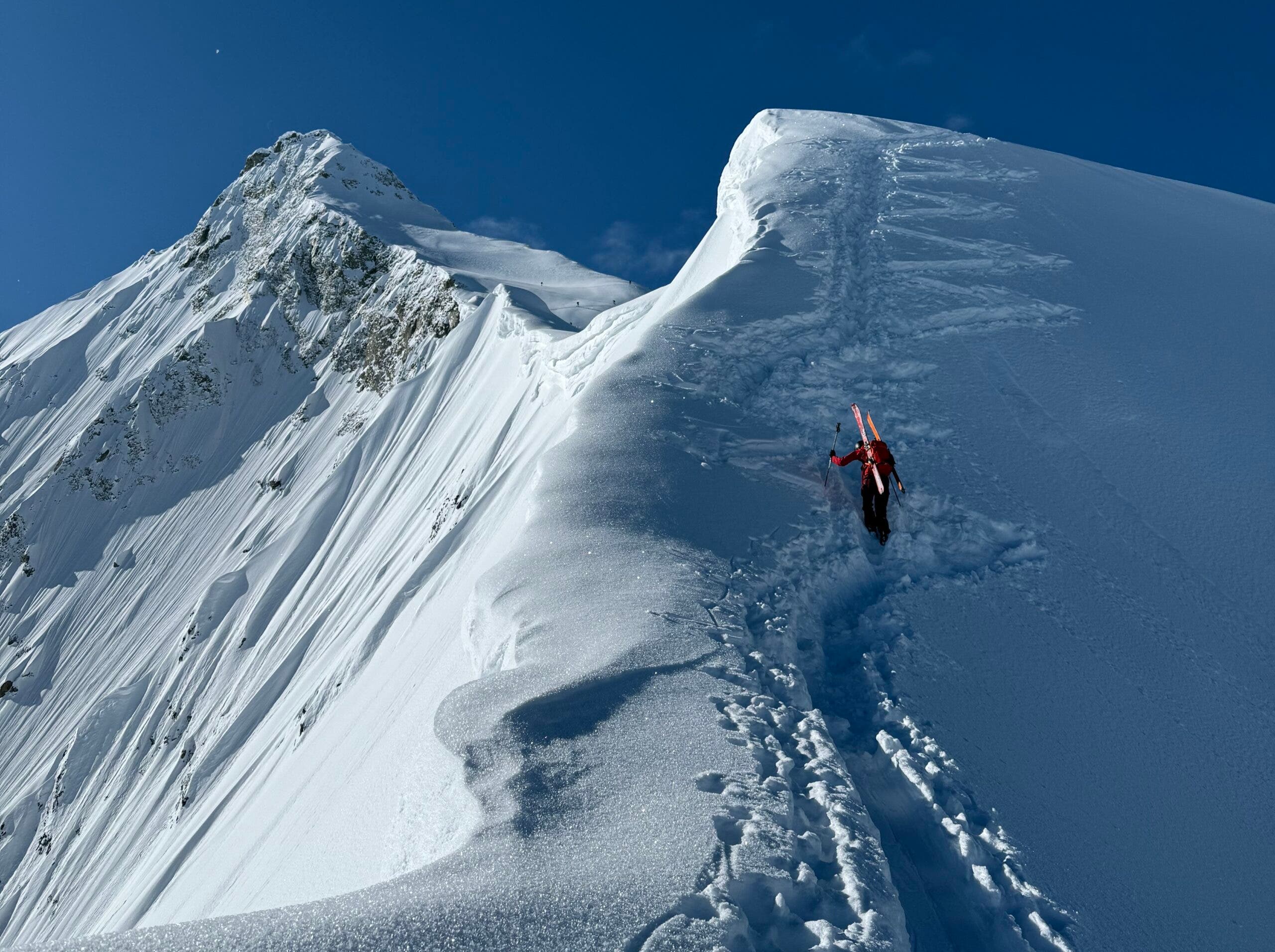
This phenomenon is often exacerbated by the "ski town" lifestyle, which can lead to unique socio-economic and physical pressures. Reports from mountain communities suggest that long-term residents often face a "reaction" to their active lifestyles that includes not only the loss of early compounding interest in retirement savings and a lack of professional work experience due to seasonal employment but, more critically, the onset of chronic pain. In one documented case, a 33-year-old male with over 1,000 days of skiing experience reported a decade of daily lower back aches, hip soreness during rhythmic movements, and lingering pain from a fracture and dislocation injury sustained eight years prior.
Chronology of a Physical Crisis: From Management to Metamorphosis
The progression of chronic pain in mountain athletes typically follows a predictable timeline. For the first decade of activity, younger athletes often rely on natural elasticity and "malleable" muscle tissue. However, as the athlete enters their thirties, the lack of foundational strength often results in a tipping point.
- Initial Injury and Compensation (Years 1–5): Acute injuries, such as elbow dislocations or minor ligament strains, are treated as isolated incidents. The body begins to compensate for these weaknesses through muscle imbalances.
- The Management Phase (Years 5–10): Athletes often attempt to mitigate rising pain levels through low-impact modalities. Common strategies include yoga, foam rolling, vegetarianism for inflammation reduction, and core exercises like planks and sit-ups. While these methods assist in pain management, they frequently fail to address deep-seated muscle imbalances.
- The Acute Crisis (Year 10+): In many cases, the lower back eventually reaches a state of total fatigue. This often culminates in a lower back spasm—a protective mechanism where muscles contract violently to prevent further spinal injury. Such episodes can be incapacitating, leading to missed work and a total loss of mobility for several weeks.
For the 33-year-old subject of this study, this crisis occurred at age 32. After a series of agonizing back spasms that rendered him unable to perform basic daily tasks, the focus shifted from improving skiing performance to simply maintaining the ability to participate in the sport at all.
The Science of Resistance Training as a Preventive Measure
To address the root cause of chronic athletic pain, experts point to the necessity of weight training to correct muscle imbalances and increase bone density. Franco Morris, Head of Program Delivery at a specialized athletic facility in Sydney, Australia, identifies these imbalances as the primary driver of skier "achiness." According to Morris, humans are not evolved for the specific demands of skiing or the sedentary behaviors (such as sitting at a desk) that often fill the time between sessions on the slopes.
The Importance of the Posterior Chain
The posterior chain is the engine of athletic power and postural integrity. For skiers, a weakened posterior chain—often caused by excessive sitting in professional environments—leads to a loss of control on the slopes. Resistance training interventions focus on several essential movements to rebuild this chain:

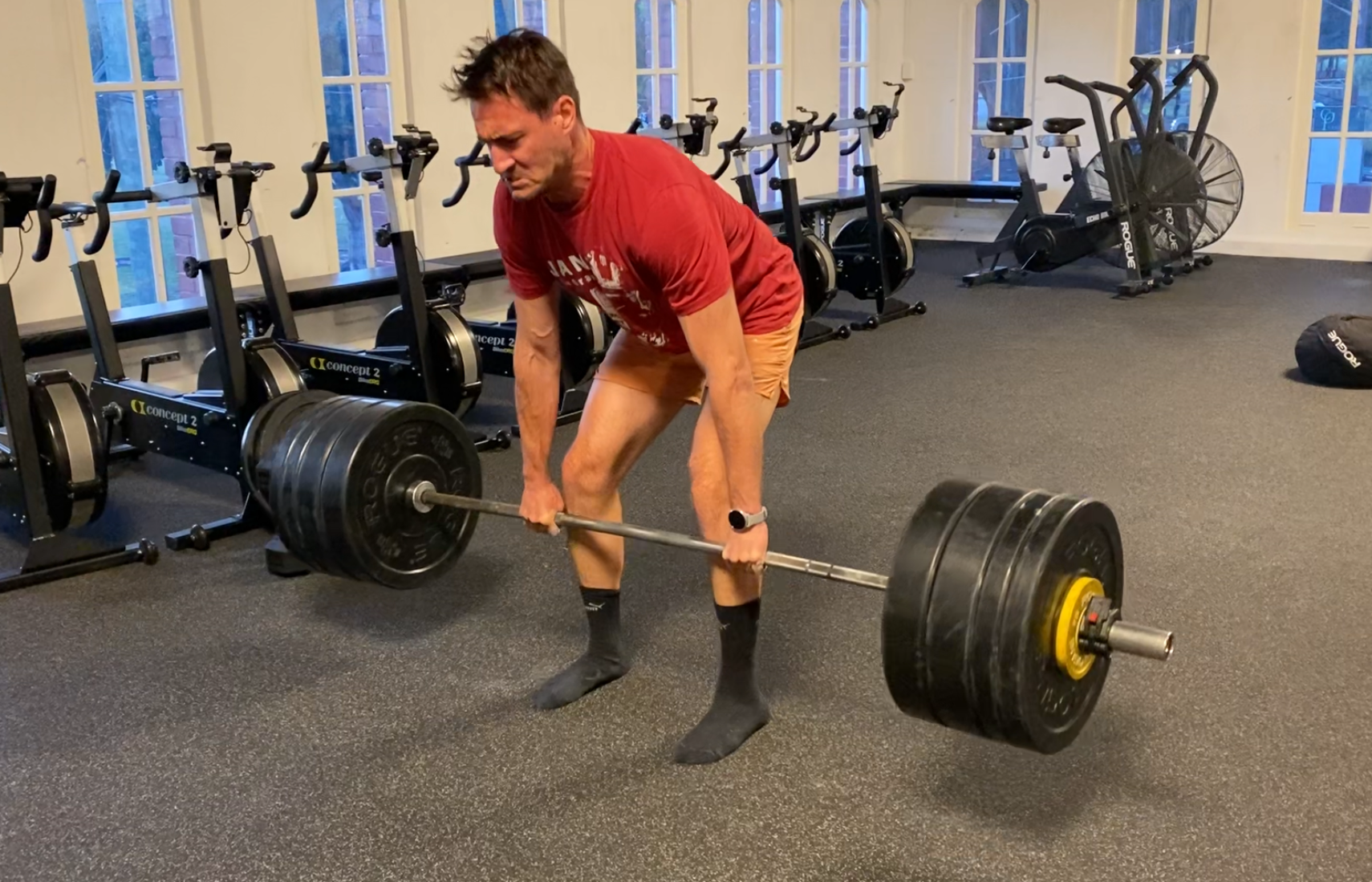
- Deadlifts: Lifting a barbell from the ground to hip level with a neutral spine directly engages the entire posterior chain, teaching the body to lift and stabilize using the hips rather than the lumbar spine.
- Kettlebell Swings: This explosive movement utilizes a hip hinge to drive weight, fostering gluteal power that is essential for absorbing the shocks of uneven terrain.
- Barbell Hip Thrusts: By driving the hips upward against resistance, athletes can isolate the glutes, which Morris refers to as the "sidekick" that the lower back desperately needs for support.
- Barbell Step-ups: This unilateral movement mimics the weight transfer inherent in skiing, improving balance and joint stability in the knees and hips.
Bone Density and Cushioning
Beyond muscle balance, weight training serves a critical role in injury prevention through the enhancement of bone density. High-impact sports carry a high risk of fractures. Resistance training stresses the bone tissue, signaling the body to deposit more minerals and strengthen the skeletal matrix. Furthermore, the development of hypertrophied muscle tissue provides a "cushioning" effect that protects vulnerable joints and bones during falls.
Strategic Implementation: Methodology for Long-Term Success
The transition from a cardiovascular-heavy or "management-based" fitness routine to a structured weight training regimen requires a specific methodology to avoid further injury. Sports scientists and trainers recommend the following protocols for mountain athletes:
Professional Guidance and Form
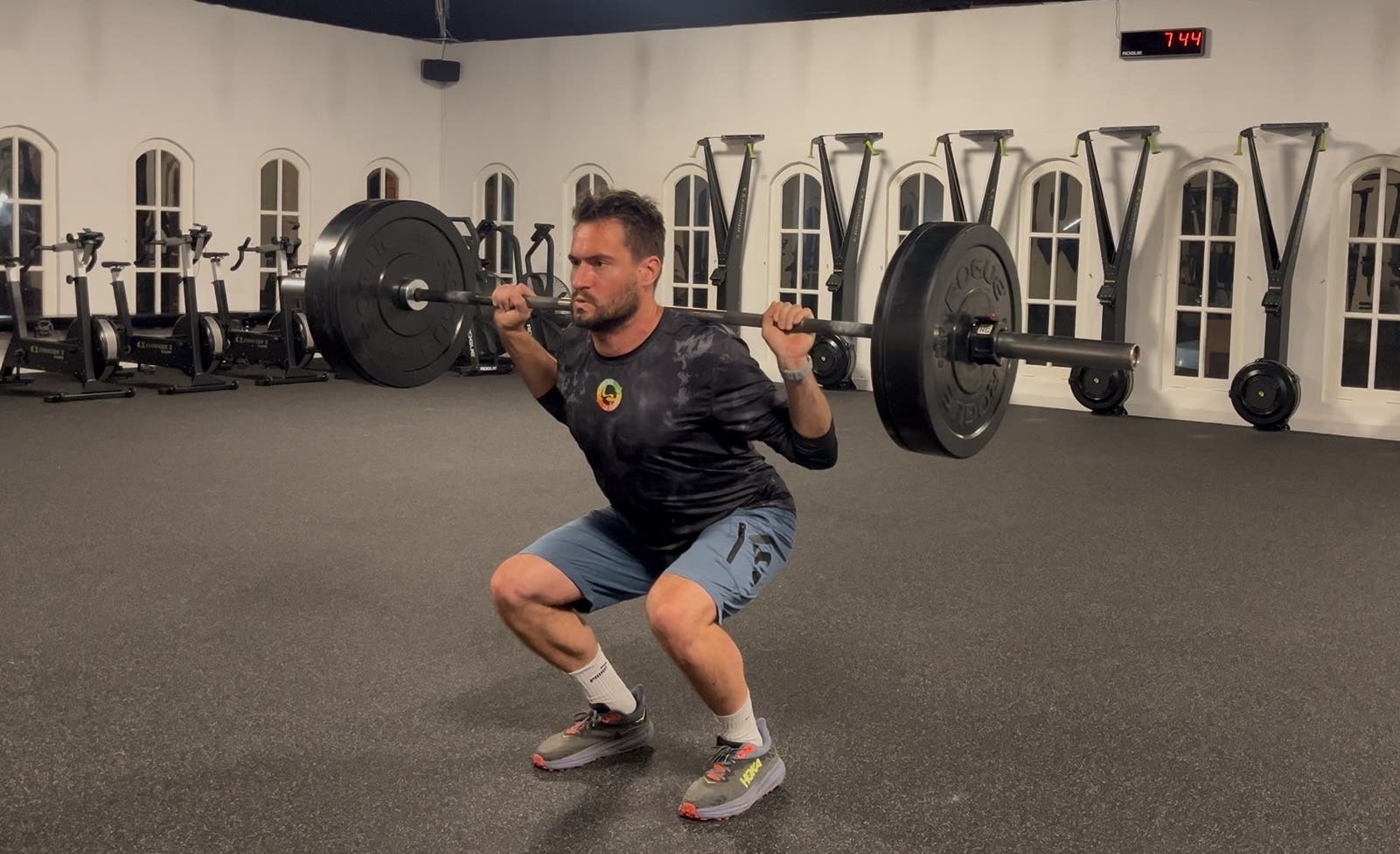
The complexity of compound lifts like the deadlift or squat necessitates professional supervision. For many athletes, group training environments offer a cost-effective way to access expert coaching. The focus must remain on the quality of movement rather than the quantity of weight. As athletes age, their muscles become less malleable, making them more susceptible to tears if improper form is utilized.
Prioritizing Volume Over Maximal Load
Skiers are primarily endurance athletes rather than bodybuilders. Therefore, training programs should generally favor higher repetitions (e.g., 10 repetitions at 60% of one-rep max) over maximal weight (e.g., 3 repetitions at 85% of one-rep max). This approach builds muscular endurance and corrects underlying weaknesses without adding excessive muscle mass that could prove cumbersome in high-altitude environments.
The Avoidance of "Glamour" Muscles
While a balanced physique is beneficial, excessive focus on "glamour" muscles—such as the biceps, chest, and abdominals—can be counterproductive for skiers. Added mass in the upper body increases the "swing weight" that the lower back must stabilize, potentially aggravating existing spinal issues.
Broader Implications for the Skiing Industry and Public Health
The shift toward emphasizing resistance training reflects a broader trend in sports medicine toward "prehabilitation"—proactive training designed to prevent injuries before they occur. The implications of this shift are significant for both individual longevity and the broader healthcare system.
Chronic pain is a leading cause of disability among former athletes. By incorporating weight training early in an athletic career, individuals can extend their "skiing life" by decades. This not only improves quality of life but also reduces the long-term economic burden of surgeries, physical therapy, and lost productivity due to chronic injury.
Furthermore, the psychological impact of returning to a pain-free state cannot be overstated. Athletes who had previously resigned themselves to a lifetime of "cracking and popping" joints have reported feeling a decade younger after just one year of consistent resistance training. As Franco Morris concludes, the "sky is the limit" for those willing to undergo the "metamorphosis" of strength training. Most individuals possess significant room for physiological improvement, allowing them to counter the effects of aging and the physical demands of high-impact sports for a substantial portion of their lives.
In summary, the "miracle cure" for the chronic aches of the mountain lifestyle is not found in rest or stretching alone, but in the deliberate and controlled application of resistance. For the modern skier, the weight room has become as essential as the mountain itself, providing the structural foundation necessary to endure the "equal and opposite reactions" of a life spent on the slopes.

