
The inaugural Red Bull Features Cup concluded in a dramatic and mathematically improbable three-way tie, ultimately resolved by an unforeseen sudden-death hip session that saw Team Asia-Pacific claim a historic victory. This groundbreaking event, designed to redefine competitive snowboarding, showcased unparalleled teamwork, creativity, and adaptability across a uniquely crafted course, culminating in a nail-biting finish that captivated spectators and riders alike.
Setting the Stage: A New Vision for Competitive Snowboarding
The Red Bull Features Cup was conceptualized as a bold departure from traditional individual-focused snowboarding competitions. Its core philosophy centered on fostering collaboration, rewarding diverse skill sets, and injecting an element of playful unpredictability. Event organizers aimed to create an environment where riders could push the boundaries of their creativity and technical prowess without the singular pressure of conventional podium chases. The vision was to celebrate the essence of snowboarding culture – camaraderie, innovation, and pure enjoyment – within a competitive framework.
The event’s unique design was immediately evident in its custom-built course, a sprawling, multi-zone playground that challenged every facet of a rider’s ability. Far from a standard slopestyle or halfpipe setup, the course was a meticulously engineered tapestry of features, described by many as "outrageous looking" and a true testament to modern snowpark design. It was divided into four distinct zones: a high-speed banked slalom, a technical rail jam, an amplitude-focused quarterpipe, and a precision jump session. Each zone demanded a different strategic approach and skillset, ensuring a comprehensive test for the competing teams. Further enhancing the dynamic nature of the competition was the "Mischief Multiplier," a layered creative challenge system integrated throughout the event, offering bonus points for inventive risk-taking and on-the-fly improvisation. This mechanism ensured that raw technicality was balanced with flair and strategic ingenuity, making for a truly unpredictable contest.
The Contenders: Regional Powerhouses Assemble
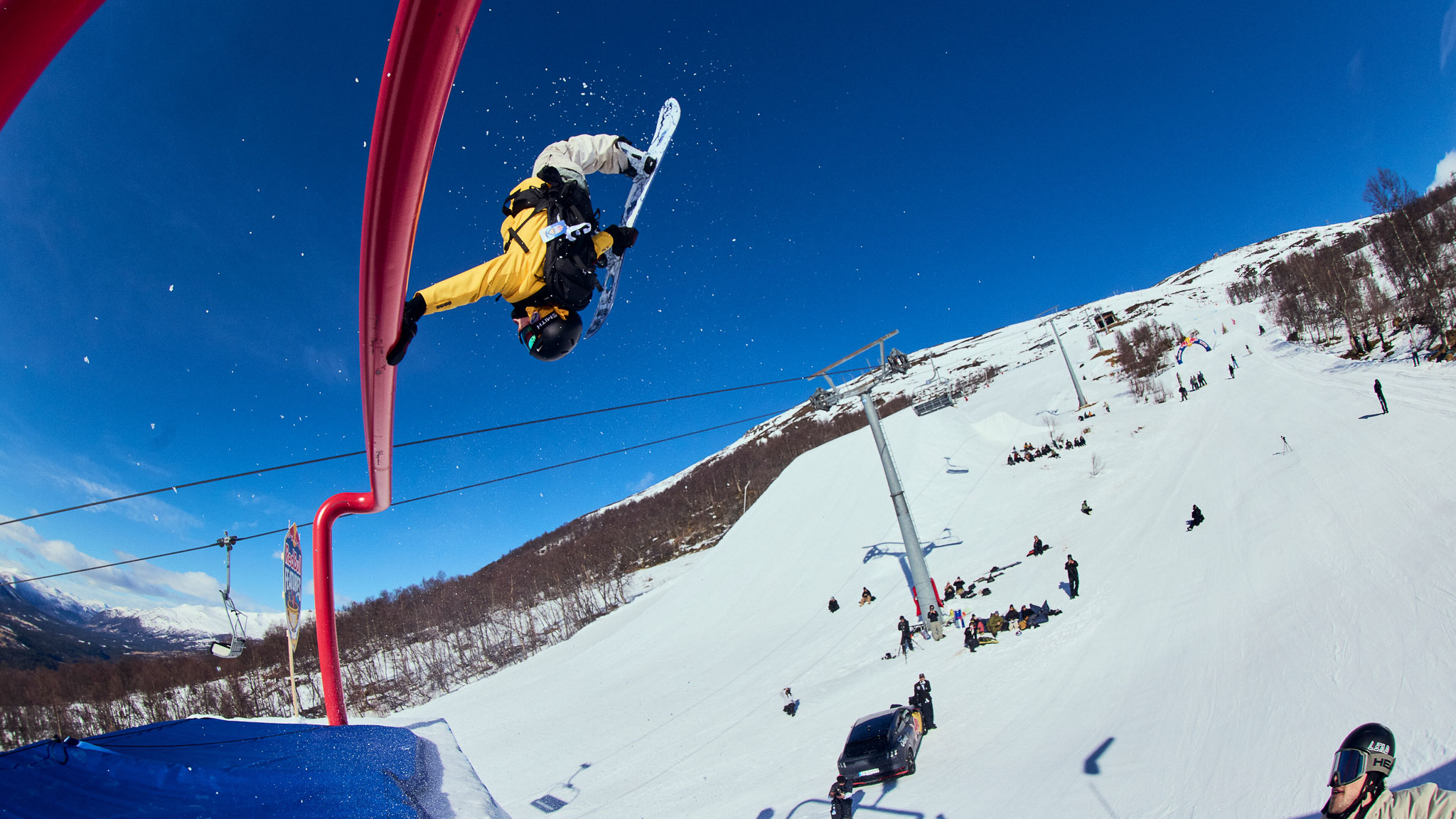
Three elite regional teams converged to battle for the coveted title, each bringing a distinct blend of talent and strategic potential.
-
Team Europe fielded a formidable lineup: Norwegian phenom Marcus Kleveland, renowned for his innovative jump tricks and all-around prowess; Fridtjof Tischendorf, affectionately known as "Fridge," a technical wizard particularly skilled on rails and transitions; Isak Ulstein, known for his smooth style and consistency; and Celia Petrig, a rising star bringing precision and amplitude. Europe was widely considered a powerhouse, particularly in jump and quarterpipe disciplines.
-
Team North America boasted a lineup geared for technical mastery and speed: Luke Winkelmann, celebrated for his dynamic style and banked slalom speed; Denver Orr, a consistent performer known for his rail work; Egan Wint, bringing a strong park background; and Lane Weaver, an agile rider with a keen eye for creative lines. This team was expected to excel in zones demanding precision and technical finesse.
-
Team Asia-Pacific presented a diverse and exciting roster: Japan’s Cool Wakushima, known for her powerful riding and unique approach; Zephyr Lovelock, an Australian talent recognized for his smooth air awareness; Rocco Jamieson, a versatile rider capable across all features; and Miyabi Onitsuka, another Japanese sensation celebrated for her clean execution and style. Asia-Pacific entered as a dark horse, with a blend of talent capable of surprising any competitor across varied conditions.
The stage was set for an epic showdown, not just between individual riders, but between distinct regional styles and team strategies.
Chronicle of Competition: A Zone-by-Zone Battle for Supremacy
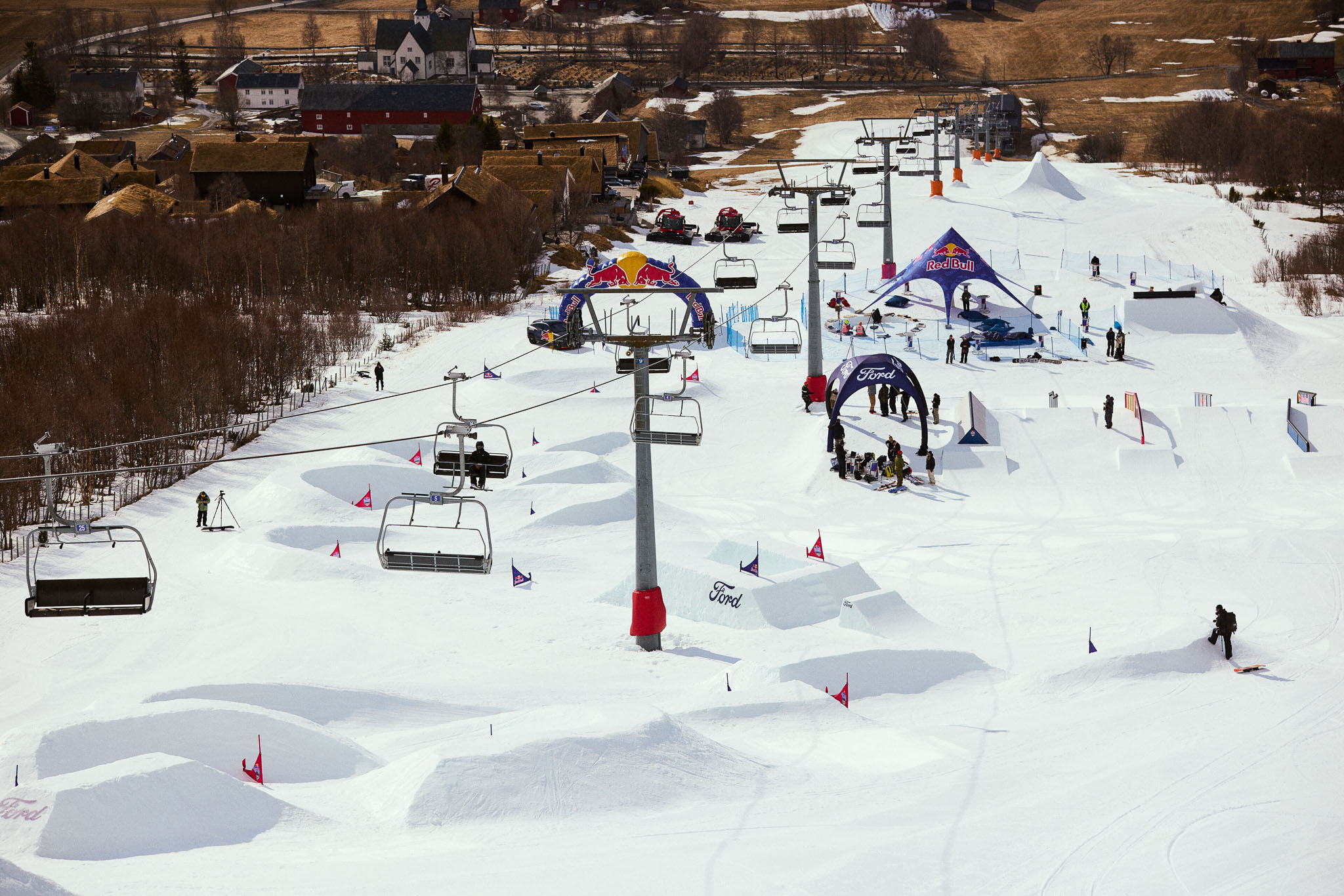
The Red Bull Features Cup unfolded chronologically across its four meticulously designed zones, with points awarded 5-3-1 per zone, creating a constantly shifting leaderboard.
Zone 1: The Calculated Chaos of Banked Slalom
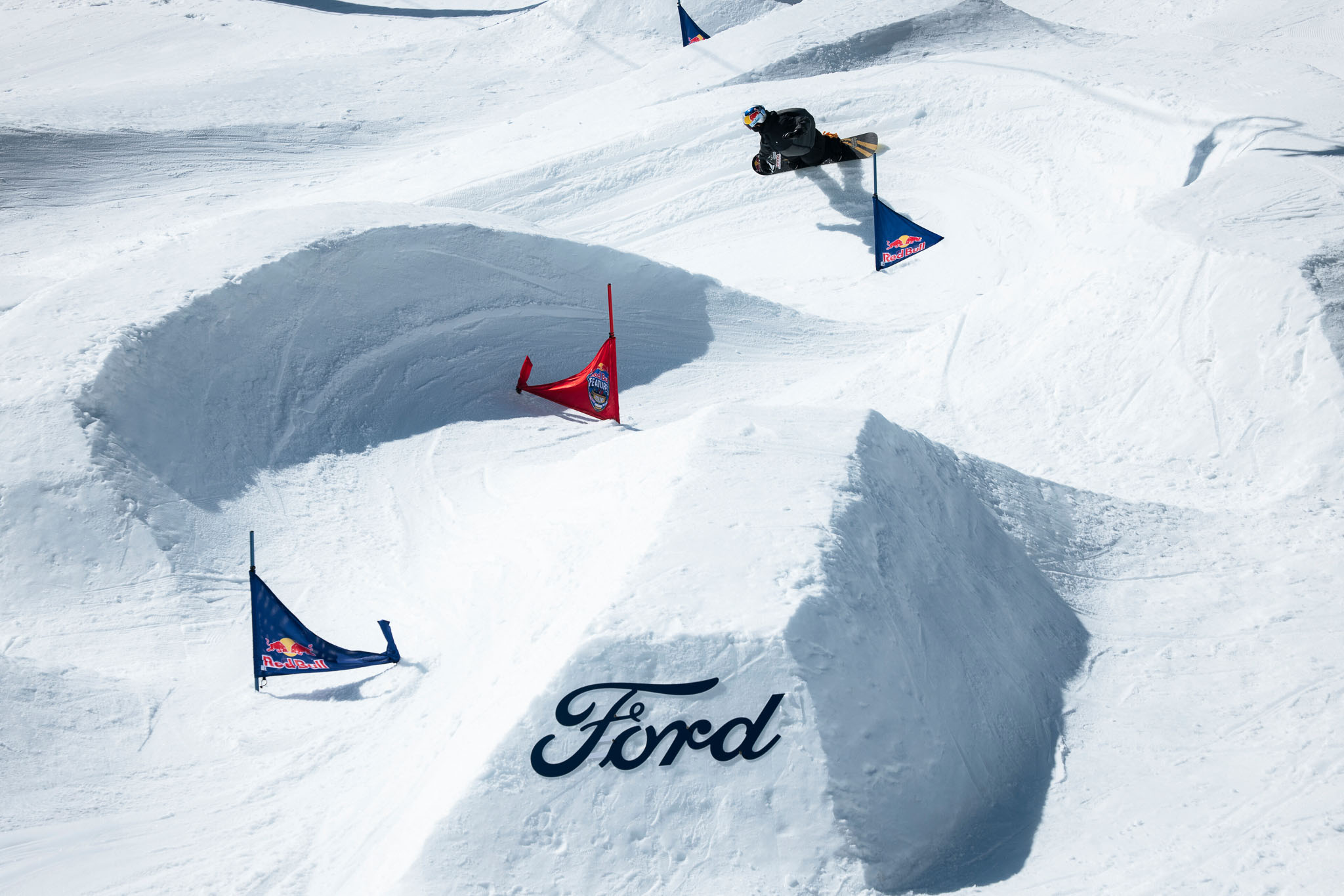
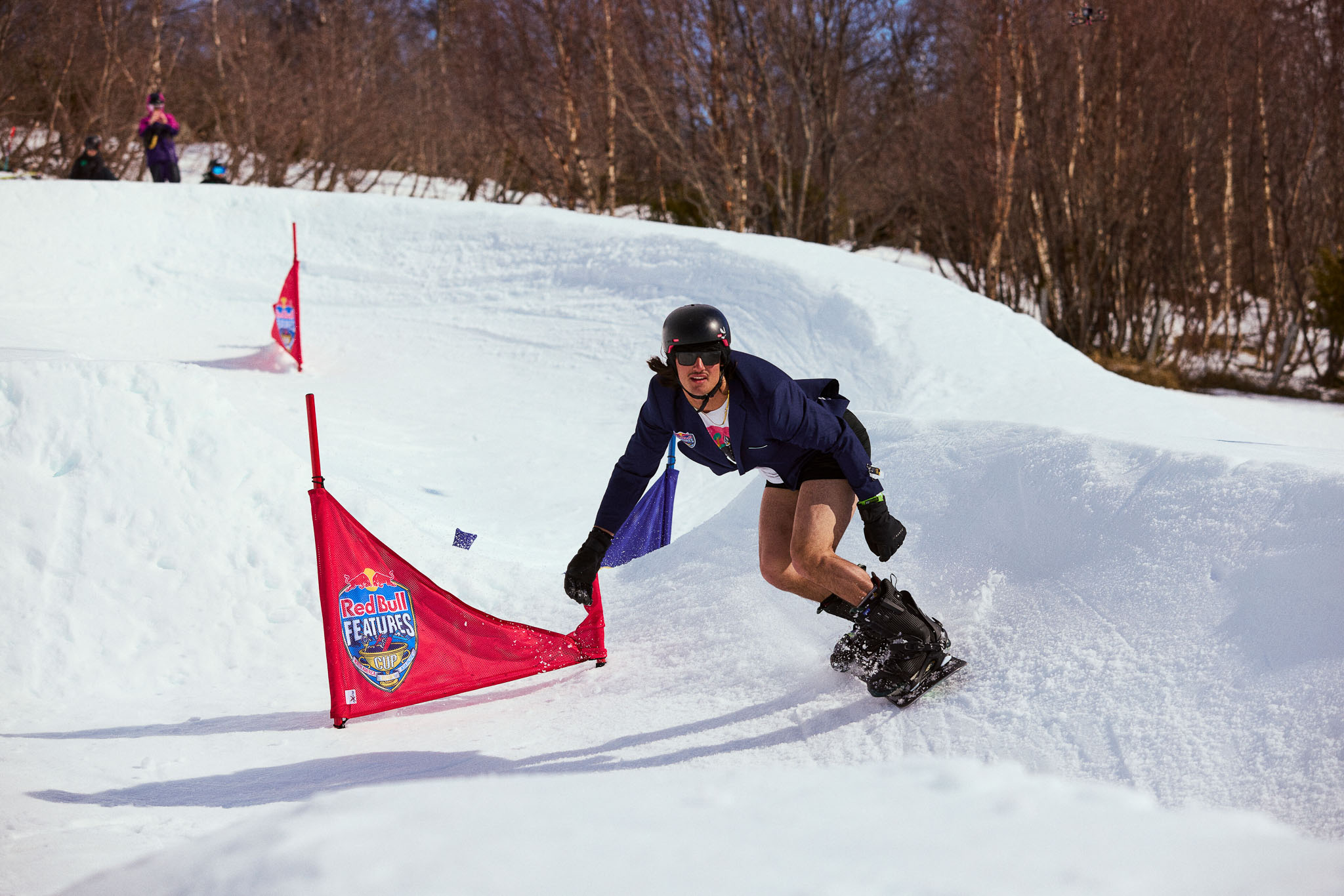
The competition kicked off with the banked slalom, a discipline that married raw speed with strategic navigation and an element of the unexpected. Teams were required to log cumulative times over two runs. The twist: one run on standard snowboards and the other on significantly smaller "mini boards." This format immediately introduced a layer of complexity, demanding adaptability from riders accustomed to their preferred equipment. Penalties for missed gates were strict, but crucially, bonus time deductions were offered for "creative risk-taking," such as executing stylish flips or grabs mid-course, turning a race against the clock into an expressive ballet on snow.
North America’s Luke Winkelmann wasted no time in asserting his team’s dominance, setting an blistering pace on his standard board. His precision and speed through the tightly winding course showcased North America’s capability in high-velocity scenarios. However, the intricacies of the mini-board run, coupled with strategic penalties and creative bonuses leveraged by other teams, ensured that the standings remained incredibly tight after the opening zone. Europe and Asia-Pacific demonstrated commendable adaptability, with riders finding unexpected lines and delivering crucial style points that kept them firmly in contention.
Zone 2: Rail Jam’s Adaptive Edge
The energy surged into the rail jam, a zone that quickly proved to be one of the most dynamic and challenging of the event. It began as a traditional, open session, allowing riders to showcase their signature rail tricks with full creative freedom. The atmosphere was electric as competitors flowed through a complex setup of rails, boxes, and ledges, throwing down technical slides, presses, and spins.
However, the "Mischief Multiplier" truly came alive here with the introduction of a "randomizer" element – a giant spin wheel dictating specific tricks and features riders had to incorporate on the fly. One moment a rider might be asked for a "frontside lipslide to fakie on the down-flat-down," the next a "switch 270 on to a kinked rail." This forced rapid adaptation and rewarded not just technical skill, but also mental agility and composure under pressure. North America, known for its deep roster of technical rail specialists, leaned heavily into this strength, consistently delivering under the randomized conditions and making this zone a clear area of advantage. Europe’s Fridtjof Tischendorf, "Fridge," emerged as a particular standout, his effortless command over various rail features shining through, consistently hitting the dictated tricks with style and precision, solidifying his reputation as a master of the jib.
Zone 3: Quarterpipe’s Aerial Artistry and Team Synergy
The focus then shifted to the quarterpipe, where amplitude, style, and team coordination became paramount. Beyond just boosting high, the zone featured additional elements like a challenging wall ride and a unique hitching post, expanding the canvas for creative expression. The collaborative spirit of the Red Bull Features Cup was highlighted by a special bonus category: synchronized "doubles" runs. Here, one rider would hit low on the quarterpipe’s coping, while a teammate simultaneously aired high over them, demanding impeccable timing, spatial awareness, and mutual trust.
In a testament to the high level of camaraderie and skill, all three teams successfully pulled off synchronized doubles, eliciting cheers from the crowd and adding a truly unique, collaborative energy to the event. Tischendorf once again anchored Europe’s performance, demonstrating exceptional air awareness and smooth landings. Asia-Pacific, despite showcasing strong individual air game across its roster with riders like Zephyr Lovelock boosting with remarkable control and style, fell just short in the zone standings, narrowly edged out by the precise execution of their competitors.
Zone 4: The Jump Session – Precision Over Power
The final zone, the jump session, promised to be a defining highlight and a potential kingmaker. Unlike traditional big air contests, this session implemented a unique progression format: each rider had to build from 180-degree rotations up to a maximum of 900 degrees. This capped rotation level was a deliberate design choice, shifting the focus away from sheer difficulty and towards flawless execution, impeccable style, and consistent landings. It demanded strategic trick selection and a nuanced understanding of flow, creating a session unlike anything typically seen in competitive snowboarding.
Team Europe, with Marcus Kleveland leading the charge, entered this zone as a known powerhouse. Kleveland, renowned for his effortless style and air control, executed his progressive runs with textbook precision, showcasing why he is considered one of the sport’s finest. However, the pressure of the moment spurred all three teams to rise to the occasion. Riders meticulously planned their trick sequences, ensuring each rotation was clean, each grab held long, and each landing stomped. The capped rotation fostered a session of refined artistry, where perfect 540s and stylish 720s garnered as much admiration as the maximum 900s, turning the finale into a tightly contested display of aerial mastery.
The Unprecedented Standstill: A Three-Way Tie
As the dust settled after the final jump session, an extraordinary and mathematically improbable scenario unfolded: all three teams found themselves tied with an identical 12 points. This unprecedented result underscored the exceptional level of competition and the finely balanced scoring system. Team Europe had secured two decisive zone wins, leveraging their strengths in the jump and quarterpipe. Team Asia-Pacific combined a crucial zone win with multiple strong second-place finishes, demonstrating consistent performance across varied challenges. North America, though not securing a zone win, had maintained remarkable consistency across all four disciplines, consistently placing in the top two or three and accumulating points steadily.
The deadlock created an electric atmosphere, with organizers and riders alike grappling with the implications of such a rare outcome. The rules of the Red Bull Features Cup, designed for innovation, had to adapt on the fly, forcing a sudden-death scenario to determine the ultimate victor.
Sudden Death: Asia-Pacific Seizes Victory in the Hip Session
With the three-way tie requiring an immediate resolution, an unplanned fifth zone was hastily set up: a high-stakes hip session. Hips are transitional features distinct from traditional jumps, requiring riders to air off one side of a sloped takeoff and land cleanly on a separate landing, often incorporating creative grabs, spins, and tweaks. This spontaneous challenge perfectly encapsulated the spirit of the Features Cup – requiring improvisation, adaptability, and raw skill under immense pressure.
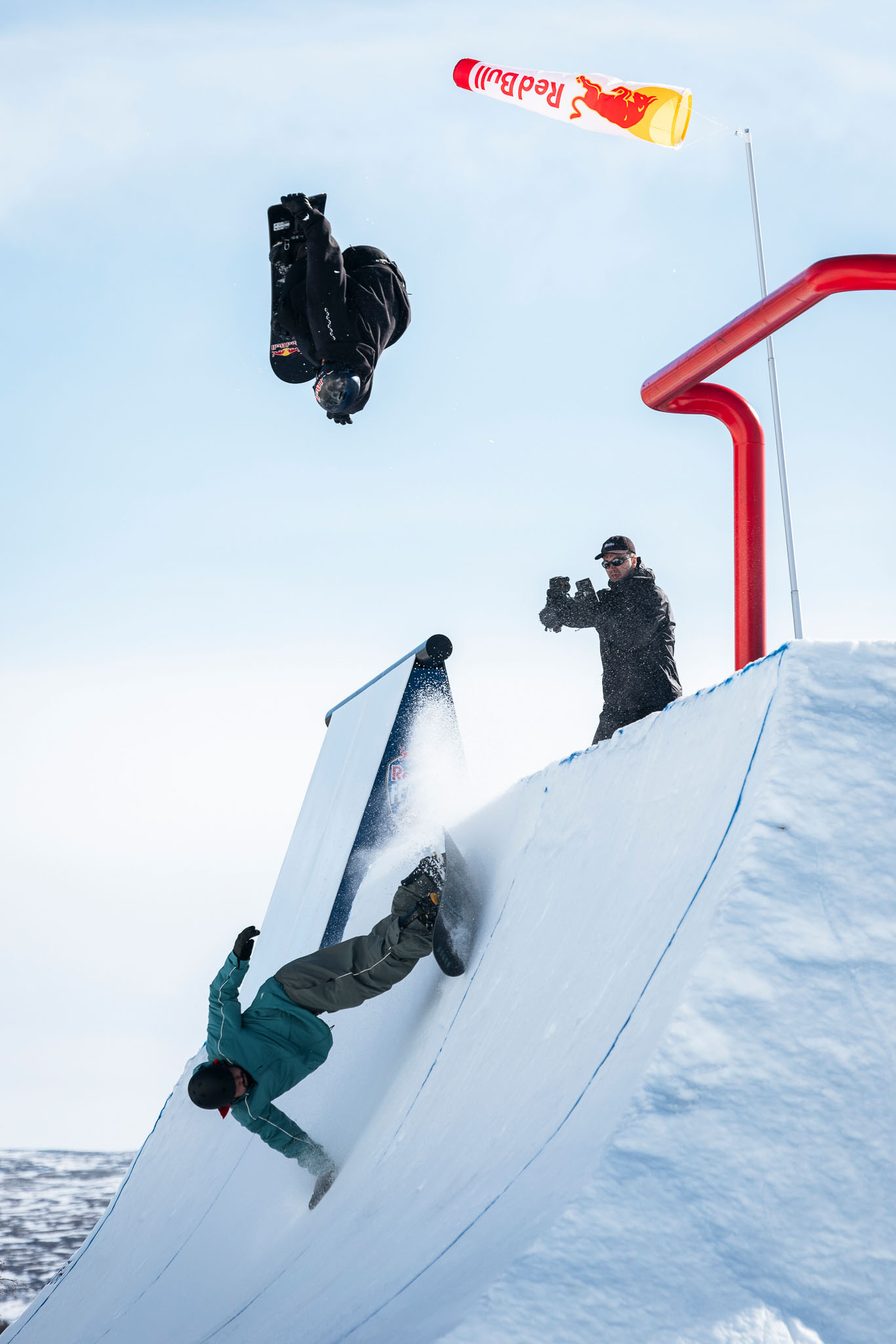
Team Asia-Pacific, riding a wave of momentum and leveraging the deep, all-around capabilities of its roster, capitalized decisively in this sudden-death scenario. Their riders showcased exceptional control, amplitude, and style on the hip, executing unique lines and landing their tricks with an undeniable flair. The collective performance demonstrated not just individual talent, but a cohesive team dynamic that allowed them to perform optimally when it mattered most. The judges, evaluating style, amplitude, and creativity, unanimously awarded the victory to Asia-Pacific, crowning them the inaugural Red Bull Features Cup champions.
Final Results:
1st Asia-Pacific
2nd North America
3rd Europe
Beyond the Podium: A New Era for Snowboarding
While the podium celebrated the victorious Team Asia-Pacific, the defining takeaway from the Red Bull Features Cup transcended mere rankings. The event successfully cultivated a session-driven environment, where riders fed off each other’s energy, pushing boundaries and fostering progression without the often-stifling pressure of traditional contests. The atmosphere was one of mutual encouragement, where innovative tricks and creative lines were celebrated across all teams.
"We set out to create something different, something that truly reflects the spirit of snowboarding," commented a Red Bull event representative following the conclusion. "To see the riders embrace the format, the ‘Mischief Multiplier,’ and the team dynamic with such enthusiasm was incredibly rewarding. The three-way tie was unprecedented, but it only amplified the drama and showcased how evenly matched these incredible athletes are."
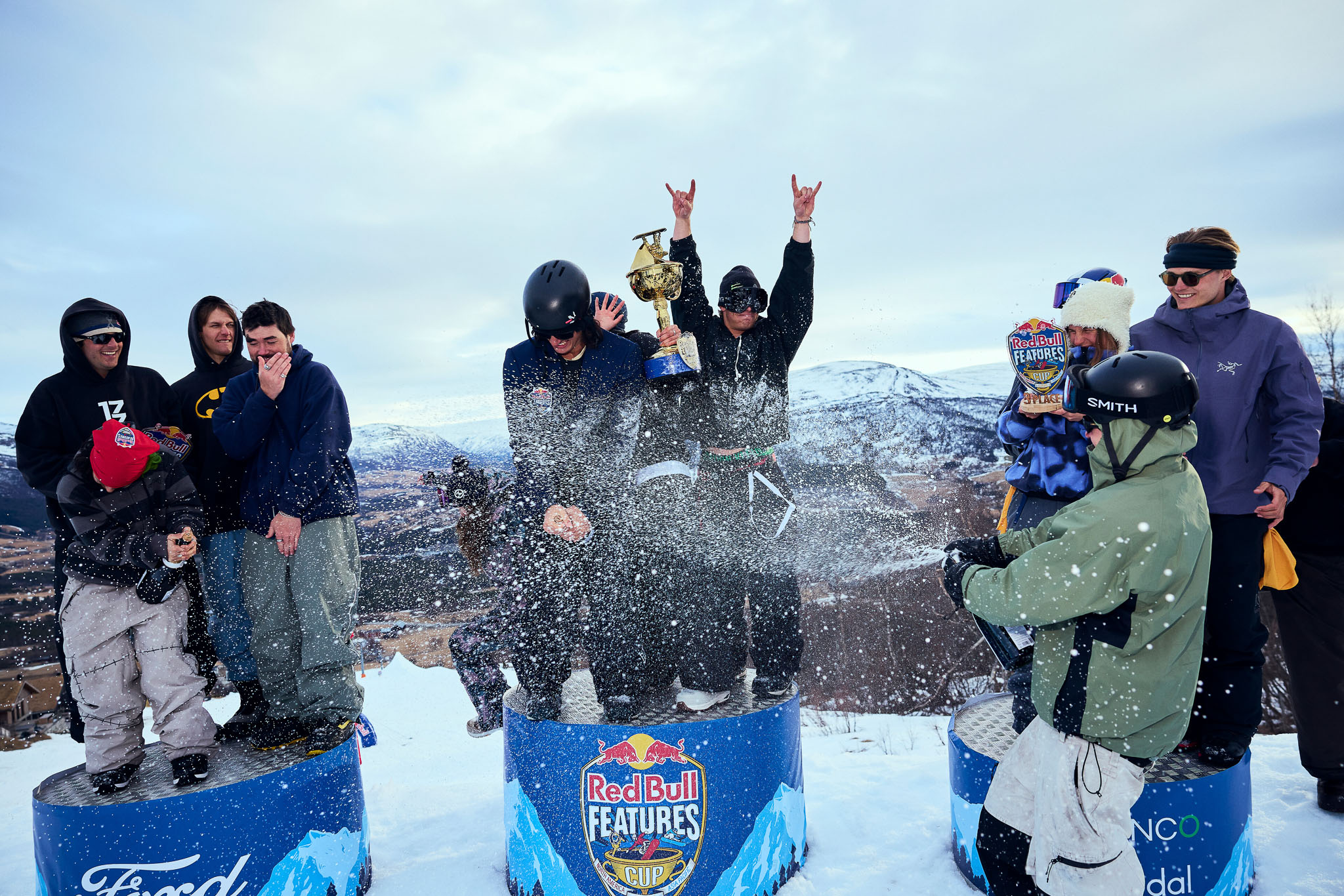
The Red Bull Features Cup marks a significant moment for competitive snowboarding. By emphasizing creativity, teamwork, and an adaptive format, it challenges the established norms of judging and competition structure. Its successful debut sets a new benchmark for how action sports events can evolve – one where fun remains at the core, innovative course design is paramount, and the collaborative spirit of the riding community is celebrated. The implications for the sport are profound: it could inspire a new generation of riders to focus on diverse skill sets, encourage event organizers to explore more dynamic formats, and ultimately broaden the appeal of competitive snowboarding to a wider audience, reaffirming that the future of the sport is as creative and unpredictable as its most dedicated athletes.

