
Kirkwood, California – A legendary and notoriously challenging terrain zone at Kirkwood Mountain Resort, known as The Cirque, has been permanently closed to the public, marking a significant shift for one of the most iconic ski areas in California. This decision, driven by a confluence of safety concerns, historical events, and potential liabilities, underscores the extreme nature of this particular area and the resort’s commitment to managing risk. While the exact date of the permanent closure is not explicitly stated, the reasoning points to a long-standing policy informed by past incidents.
The Allure and Danger of The Cirque
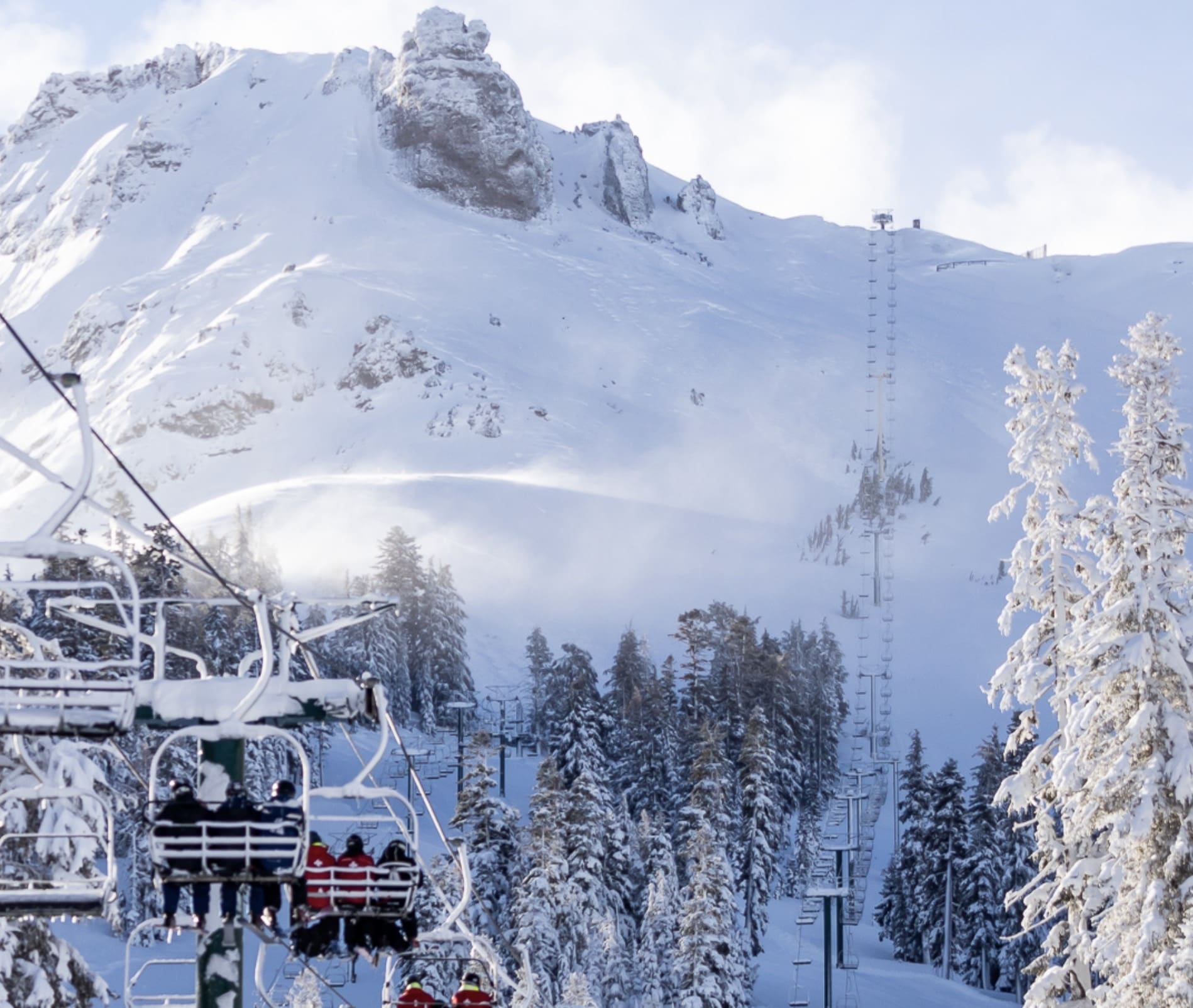
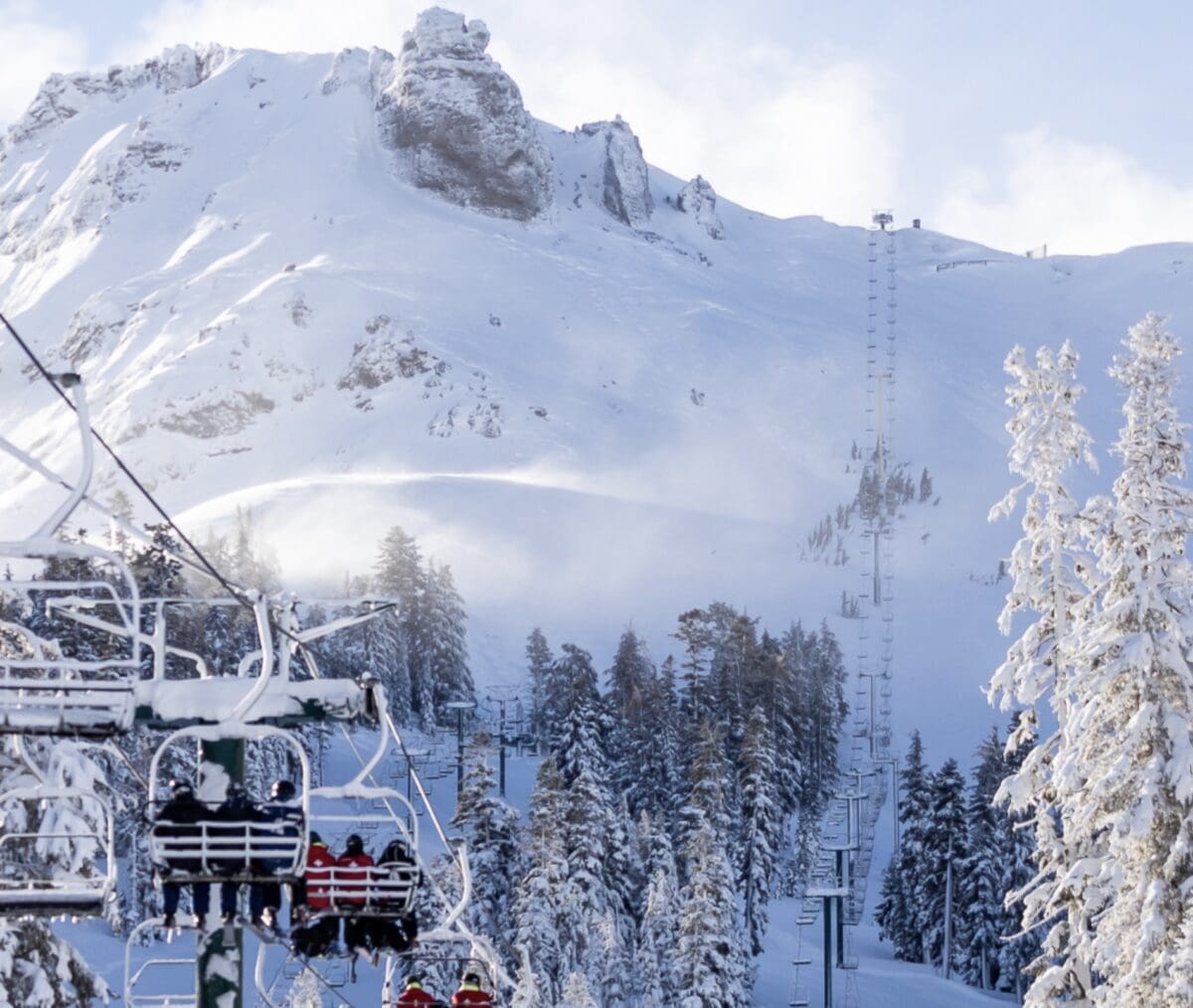
The Cirque at Kirkwood is renowned among expert skiers and riders for its steep pitches, deep couloirs, and formidable cliff bands. It represents the pinnacle of extreme terrain within the resort’s boundaries, offering a raw and untamed experience that appeals to those seeking the ultimate test of skill and nerve. Historically, this area was accessible to the public, providing access to some of the most exhilarating in-bounds skiing and snowboarding available. However, its inherent dangers have always been a significant factor in its management.
The terrain’s character is defined by its dramatic topography, featuring natural obstacles and steep, often icy, slopes that demand precise technique and considerable courage. This challenging environment, while attractive to a niche segment of the skiing community, also presents a heightened risk of severe injury or fatality. The steepness and complexity of The Cirque mean that any misstep can have catastrophic consequences, making it a true "no-fall zone" for all but the most accomplished athletes.
Historical Context and The Turning Point
The decision to permanently close The Cirque to the public is deeply rooted in the history of Kirkwood Mountain Resort and a tragic event that irrevocably altered its accessibility. According to accounts, the permanent closure is attributed to an incident involving the daughter of Dick Reuter, the resort’s first Mountain Manager. The legend suggests that she triggered an avalanche while skiing in The Cirque, an event that prompted Reuter to make the difficult decision to restrict public access indefinitely.
This pivotal moment, while not precisely dated in historical records, set a precedent for the resort’s approach to managing this hazardous area. The desire to prevent future tragedies and safeguard the public became paramount. This historical context is crucial for understanding the resort’s current policy.
Further corroboration of this narrative emerged in a Storm Skiing Podcast interview with Ricky Newberry, the Vice President and General Manager of Kirkwood Mountain Resort. Newberry discussed the factors leading to the closure, including the incident involving Reuter’s daughter, highlighting the profound impact it had on the resort’s safety protocols and management philosophy.
The 2011 Tragedy: A Grim Reminder
The inherent dangers of The Cirque were tragically underscored in 2011 with the death of skier Ryan Hawks. Hawks, a highly respected big-mountain skier, suffered a fatal crash in The Cirque. His passing served as a stark and somber reminder of the extreme risks associated with the terrain and reinforced the resort’s stance on its closure to the general public. This incident further solidified the perception of The Cirque as an area that, while offering unparalleled adventure, demands an exceptionally high level of expertise and caution.
Factors Driving the Permanent Closure
Several key factors have contributed to the permanent closure of The Cirque:
-
Extreme Danger and Liability: The primary driver behind the closure is the undeniable and extreme danger posed by the terrain. The steepness, unpredictable snow conditions, and potential for avalanches make it an inherently risky environment. For Kirkwood Mountain Resort, operating such a zone without stringent controls would expose the resort to significant liability in the event of accidents or fatalities. The cost and complexity of adequately mitigating these risks for public access would be prohibitive.
-
Avalanche Mitigation Challenges: The Cirque is prone to avalanches, a natural phenomenon that requires extensive and ongoing mitigation efforts to manage safely. The scale and complexity of the terrain make comprehensive avalanche control for public access exceptionally challenging and costly. Ensuring the safety of a large number of skiers and riders in such an environment would necessitate a level of resource allocation that may not be feasible or justifiable.
-
"No-Fall Zone" Status: The nature of The Cirque dictates that it is a "no-fall zone." This means that any mistake or loss of control by a skier or rider can quickly escalate into a dangerous situation, often involving falls down steep, rocky, or cliff-lined slopes. This characteristic alone elevates the risk profile significantly beyond that of typical ski resort terrain.
-
Insurance and Operational Costs: Maintaining insurance coverage for a resort that allows public access to an area as dangerous as The Cirque would likely be exceedingly expensive, if not impossible, without significant safety infrastructure and protocols. The financial implications of potential claims and the cost of specialized insurance are substantial deterrents.

Occasional Access: Competitions and Elite Events
Despite its permanent closure to the general public, The Cirque has, on occasion, been opened for elite skiing and snowboarding competitions. This controlled access allows highly skilled professional athletes to test their abilities in this formidable arena under strict safety supervision and with pre-arranged avalanche mitigation protocols.
Notably, The Cirque has been a venue for the Freeride World Tour, a prestigious competition circuit that showcases the world’s best big-mountain skiers and snowboarders. The tour has hosted multiple events in The Cirque, demonstrating that with expert planning, specialized safety measures, and a controlled participant group, the terrain can be safely navigated by the most accomplished individuals. This selective access highlights the distinction between public recreational use and professional sporting events.
Ownership Changes and Continuity of Policy
It is important to note that the permanent closure of The Cirque predates the acquisition of Kirkwood Mountain Resort by Vail Resorts. This means that the decision was made under previous ownership and has been maintained as a continuity of policy under the current management. The extreme nature of the terrain and the historical incidents are fundamental reasons for the closure, transcending changes in resort ownership. This continuity of policy underscores the enduring commitment to safety and risk management regarding this particular area.
Broader Implications and Analysis
The permanent closure of The Cirque serves as a potent symbol of the evolving landscape of ski resort management, particularly concerning extreme terrain. It reflects a broader trend in the industry towards prioritizing guest safety and managing liability, even if it means restricting access to some of the most thrilling and challenging areas.

For Kirkwood, a resort already celebrated for its challenging terrain and rugged character, The Cirque represented a unique, albeit dangerous, offering. Its closure, while understandable from a safety and liability perspective, undoubtedly marks the end of an era for many long-time enthusiasts who once dared to venture into its depths.
The decision also highlights the responsibility of ski resorts to balance the allure of extreme adventure with the practicalities of ensuring public safety. While some may lament the loss of public access, the closure of The Cirque is a pragmatic response to the inherent risks and the realities of managing such a formidable natural environment. It reinforces the understanding that some of the most exhilarating experiences in the mountains must be reserved for those with the highest levels of skill, training, and preparedness, often within the context of sanctioned events.
The legacy of The Cirque at Kirkwood will continue to be one of awe and respect – a testament to the raw power of nature and the extreme demands placed upon those who seek to conquer it. While the gates remain closed to the public, the stories and the legend of this iconic terrain will undoubtedly endure within the annals of ski history.

