
The Genesis of an Anti-Establishment Icon
The mid-1990s represented a pivotal moment for snowboarding. Having "crawled out of the primordial ooze," as one former editor vividly put it, the sport was rapidly evolving from its surf and skate roots into a distinct, high-octane discipline. It was a period characterized by explosive growth, the advent of professional circuits, the inclusion in major sporting events like the X Games, and the burgeoning commercialization that would eventually see it become a "quad-corking, multi-million dollar behemoth." Amidst this rapid expansion, the media landscape was similarly vibrant, with numerous publications vying for the attention of a passionate, yet discerning, audience.
It was into this dynamic environment that Jim Peskett and Tudor ‘Chod’ Thomas, both seasoned veterans from the now-defunct Snowboard World Magazine, launched Whitelines in 1995. Their vision was not to mimic the polished, aspirational tones of their competitors, but to create something far more visceral and representative of the scene’s grassroots energy. The result was what many would describe as a "debaucherously British snowboarding fanzine," a publication that embraced the sport’s inherent chaos and celebrated the often-unpolished reality of rider life. Chris Moran, a former editor and cover star, encapsulated this ethos perfectly in a hypothetical biopic pitch: "Idiots try to put a mirror up to the burgeoning 1990s snowboard scene, but accidentally turn it on themselves instead. Blinded by the glare of their own stupidity, they head out on the kind of travel adventures where someone has to climb into a board bag that’s strapped to the roof rack because they’ve forgotten their passport." This blurb, far from being self-deprecating, served as a concise and accurate manifesto for the Whitelines brand.
The early days of Whitelines were defined by an almost heroic lack of conventional resources and an abundance of unfiltered passion. Operating out of a tiny office in Oxfordshire, the team famously worked with "no budget, no real understanding of how to make a magazine, and no idea of things like spelling, storytelling or basic decency." Yet, these perceived weaknesses were, in fact, their greatest strengths. In an era predating widespread email, articles were often dictated over public payphones from remote locations, with the company secretary, Milly, typing them out from scraps of paper. This direct, often chaotic, method of content creation meant that the magazine was inherently embedded within the scene, capturing its raw, unmediated essence. It also led to charmingly human errors, such as "Tignes" appearing as "teens" in print, which only added to the publication’s authentic, unpretentious appeal. Without the instant feedback loops of modern social media, the team often joked they were "screaming at the moon," free to experiment and push boundaries without immediate public backlash, fostering a truly unique and daring editorial environment.
Chaos Reigns Supreme: Forging a Unique Identity
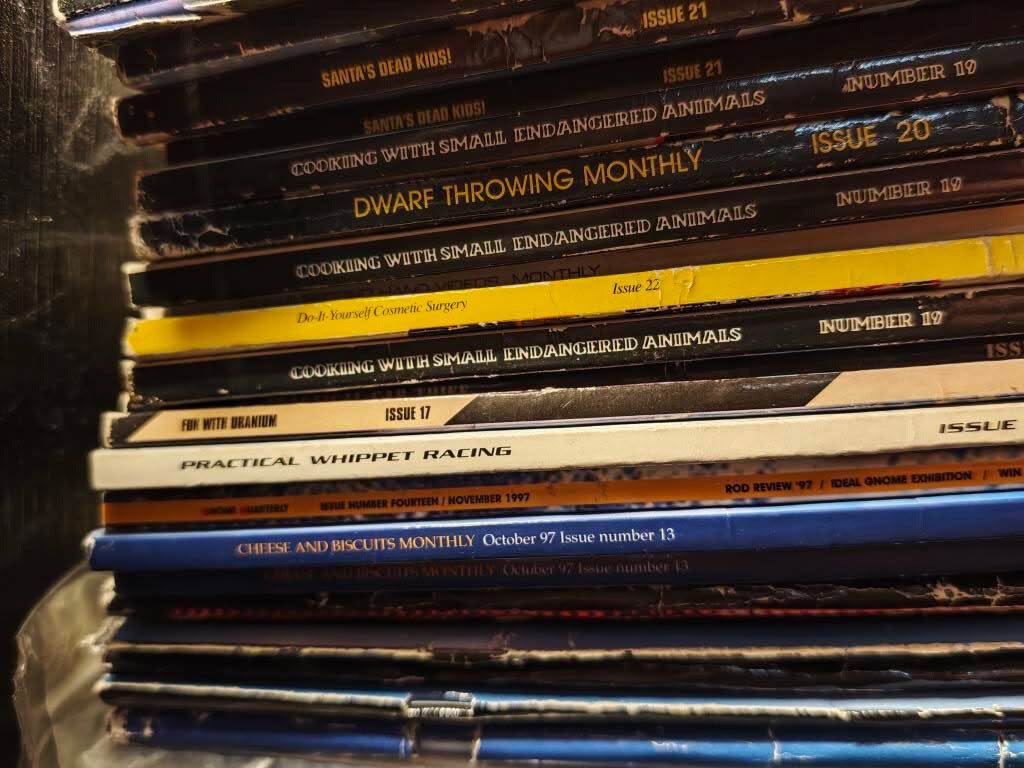
From its inception, Whitelines distinguished itself through a commitment to the "decidedly unserious" nature of snowboarding. While other magazines might have focused on polished athlete profiles or pristine mountainscapes, Whitelines delighted in showcasing "cool people doing cool shit strapped onto planks of wood and letting gravity do the heavy lifting." This approach wasn’t just about content; it permeated every aspect of the magazine’s presentation, from its internal humor to its iconic, often provocative, spine titles.
Tudor ‘Chod’ Thomas, as the designer-in-chief, was the mastermind behind these legendary spine titles, which transformed each issue into a collectible piece of subversive art. One month it might read "Dwarf Throwing Monthly," another "Working With Endangered Animals Weekly," or, as Chris Moran fondly recalled, "Neck Brace Monthly: The Skyscraper Issue," an imaginary publication for those unable to look up. These titles were more than just jokes; they were a direct challenge to convention, a playful jab at the seriousness of traditional publishing, and a clear signal to readers that Whitelines was different. This irreverent spirit extended to every corner of the magazine, including its notorious competition addresses. The team would routinely invent absurd entry instructions, such as "send your entries to the crack in the arse cheeks of Jim Peskett, 1 Stert Street, Abingdon." This relentless teasing of their own publisher, Jim Peskett, often led to exasperated pleas from him and even threats from the UK postal service to blacklist the publishing company due to the bizarre addresses. Such antics, while causing administrative headaches, cemented Whitelines’ reputation as a true "conquistador of chaos," a publication that revelled in pushing boundaries and embracing the anarchic joy of snowboarding culture.
The "naughty kids at school" persona was not just an editorial stance but a lived reality for the Whitelines crew. Their travel adventures were legendary, filled with escapades that, as the article suggests, "would make Led Zep blush." One memorable anecdote involves a hotel in Austria filled with taxidermy. After a night in the bar, an accordion was stolen and hidden, leading to a late-night tug-of-war that woke the hotel. The true climax, however, was the discovery that resident artist Russ Ward had "fully shaved" a large stuffed marmot on a plinth, leaving it with a "mad Lemmy-style goatee." These stories, shared amongst the community, reinforced the magazine’s image as a true reflection of the wild, uninhibited spirit of snowboarding at the time. Even formal complaints were met with defiance; a mother’s letter banning her son from reading the magazine resulted in him being gifted a free lifetime subscription and her letter being awarded "letter of the month." This unwavering commitment to its core identity, regardless of external pressures, solidified Whitelines’ position as a beloved, if unconventional, voice in the sport.
Navigating the Digital Tsunami: The Print to Pixel Pivot
As the 21st century progressed, the media landscape underwent a seismic shift. The mid-2010s marked a significant turning point, with the rise of the internet, social media, and mobile technology fundamentally altering how content was consumed. Print media, once the primary conduit for specialized information and entertainment, found itself increasingly challenged by the demand for "convenience and instant gratification." Magazine shelves, once vibrant with glossy titles, began to thin out, reflecting a broader industry trend.
Whitelines, like many publications, faced the daunting task of adapting to this digital revolution. By 2015, the viability of print-only models was undeniably waning. After two decades of continuous publication, Whitelines officially ceased its regular print editions, with WL120 being the last issue to grace newsstands. The announcement, appropriately made online, came from then-editor Ed Blomfield, who offered a candid and forward-looking statement: "Factory Media’s proposal to sacrifice print frees up the editorial staff to channel all that passion and energy into their websites, including this one. As a team, we’re obviously gutted to see the end of a paper publication into which we poured heart and soul over two decades. But with the good ship WL celebrating its 20th anniversary this year, we’re also excited to see where – with a renewed focus and a healthy budget – we can take it next."
This strategic pivot was not merely a surrender to technological inevitability but a proactive embrace of new opportunities. Blomfield promised "a slicker website delivering more unique video, more gear reviews, more how-tos, more travel… more of all the things you enjoy." The core mission remained "stoking out the readers," and if the readers were migrating online, then Whitelines had to follow. This transition allowed the brand to expand its reach exponentially, no longer constrained by the geographical or logistical limitations of print distribution. The magazine’s highly respected "Whitelines 100" gear guide, a benchmark for the season’s must-have products, found a natural and amplified home in the digital realm, becoming an indispensable resource for snowboarders worldwide. By shedding the demands of print production, the team could dedicate its full energy to creating dynamic, multimedia content, transforming Whitelines from a predominantly UK-focused offering into a truly global favorite. This move showcased a remarkable adaptability, pivoting with a "grace usually reserved for willowy ballet dancers, not middle-aged snowboarders," and demonstrating that the spirit of Whitelines was bigger than its paper form.
Resilience and Rebirth: The Unkillable Spirit
The media industry is notoriously fickle, with publications rising and falling with market trends, advertising fluctuations, or shifts in consumer behavior. Whitelines has faced its share of existential threats, enduring financial pressures and market uncertainties that might have spelled the end for lesser brands. Yet, its enduring presence after three decades has earned it the moniker of "the cockroach that refuses to die, the chewing gum stuck to the sole of snowboarding’s gaffa-taped boot." This resilience is not accidental; it stems from the profound passion and unwavering dedication of the people behind the magazine.
Operating for much of its history on a "shoestring and a dream," Whitelines’ early days were characterized by ingenious, if sometimes ethically ambiguous, methods of self-sustenance. As one staffer openly admitted, "No one had any money, least of all our publisher, but we begged, borrowed and stole enough to get all 120-odd editions out! And we eBayed pretty much every bit of product that anyone ever sent in. Honestly, it kept us all afloat. Sketchy as fuck, eh?" This level of resourcefulness and commitment speaks volumes about the team’s love for snowboarding and their determination to keep the magazine’s heart beating, even if it meant "experimental emergency surgery with no anaesthesia during a power cut."
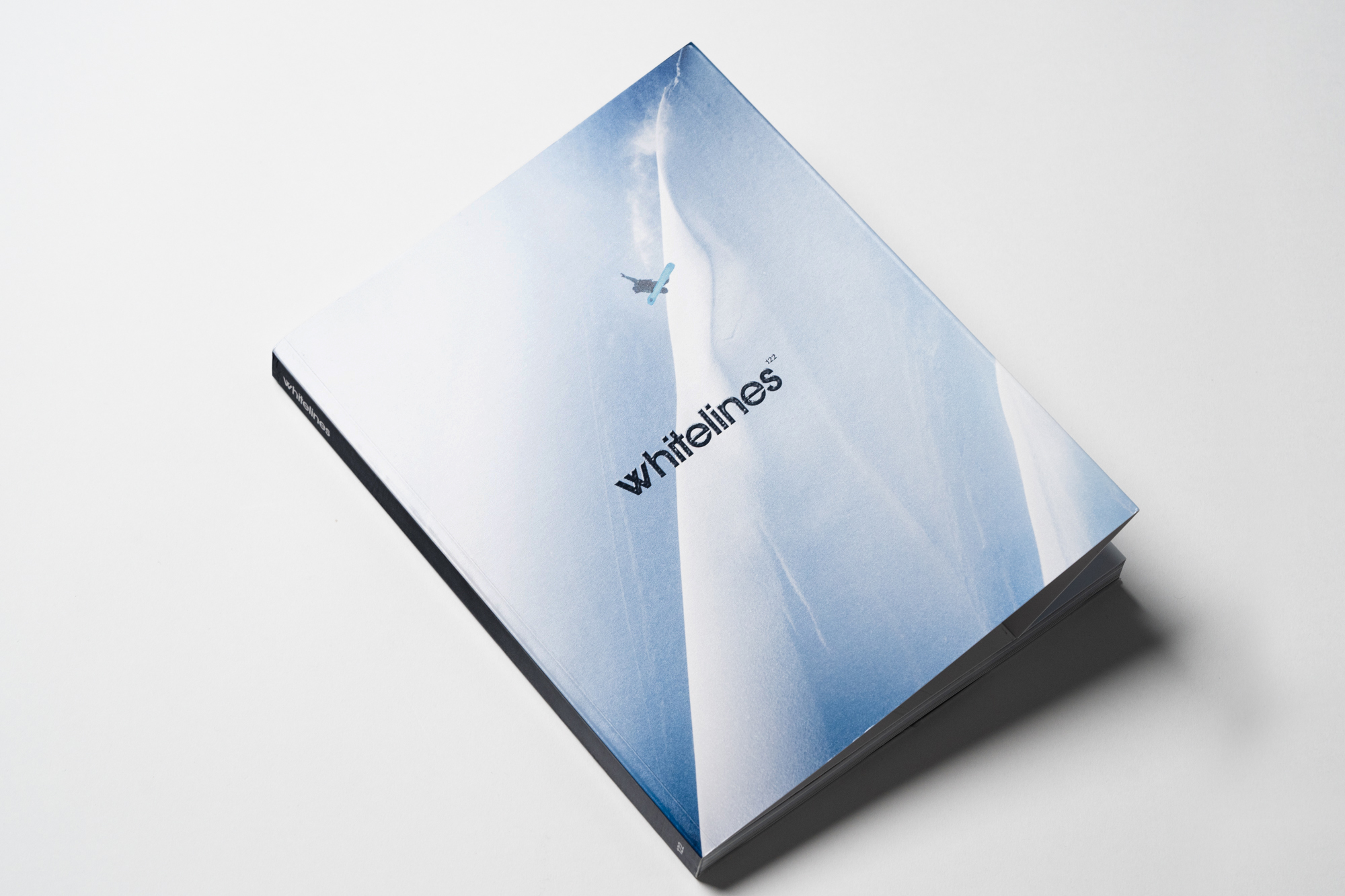
The lure of print, however, proved difficult to resist entirely. After a four-year hiatus from traditional magazines, Whitelines made a brief but impactful return to physical form in 2019 with "The Whitelines Annual." This format, featuring three premium-quality magazines, delivered over 600 pages of exclusive interviews, blockbuster photographs, and meticulously crafted written content from the sport’s top contributors. With Ed Blomfield once again at the helm, this limited second print run served as a nostalgic nod to its roots and a testament to the enduring appeal of a tangible, curated snowboarding experience. It demonstrated that while the digital realm offered unparalleled reach, there remained a cherished place for a high-quality, collectible physical product that readers could "caress like a lover."
Whitelines Today: A Digital Powerhouse and Cultural Touchstone
As of 2026, Whitelines has firmly re-established itself as a purely digital entity, strategically leveraging the vast reach and dynamic capabilities of online platforms. The brief return to print with "The Whitelines Annual" ultimately reaffirmed the undeniable power of digital distribution in today’s media landscape. The magazine’s current focus is on curating and cultivating a "crack team of proper snowboarders across three continents," ensuring global perspective and specialized expertise. This distributed team is dedicated to putting "all the latest innovations through their paces to create premium gear reviews," offering unparalleled insight and guidance to consumers. Beyond gear, Whitelines delves "down to the nitty-gritty with a huge range of people in the industry to lift the curtain with in-depth interviews," providing unique access and understanding of the sport’s movers and shakers. Furthermore, by maintaining "eyes on day-to-day goings on to provide relevant culture hits and providing boots-on-the-ground event coverage," Whitelines continues to showcase the beating heart of snowboarding, connecting its audience directly to the action and the narratives that define the sport.
The sheer scale of Whitelines’ digital presence today underscores its successful adaptation. This season alone, the website attracted an impressive 2 million unique visitors. Its social media footprint boasts over 750,000 followers across various platforms, ensuring broad engagement and community interaction. Moreover, Whitelines content is increasingly appearing in AI snippets and curated feeds, reflecting its authoritative position and relevance in the digital ecosystem. This massive reach stands in stark contrast to the 20,000 copies of a typical print magazine, illustrating the profound shift in media consumption habits and the strategic wisdom of its digital pivot.
Despite the exponential increase in content volume and audience reach compared to its early days, Whitelines remains committed to its tried and true editorial tenet: "every piece has to be engaging, informative or amusing – and ideally all three at once." This unwavering dedication to quality, authenticity, and the irreverent spirit that defined its origins ensures that Whitelines continues to resonate with both long-time devotees and new generations of snowboarders. While the team openly admits to still "wax[ing] poetic about the joys of print, run[ning] the numbers and scrawl[ing] hasty business models on the back of napkins every time we’re three pints deep," the digital future is clear. The sentiment of "Goonies never say die" encapsulates the enduring spirit of Whitelines, a publication that has consistently defied expectations, adapted to monumental shifts, and remained a vital, chaotic, and utterly essential voice in the world of snowboarding for three glorious decades. As for the legendary, irreverent mail addresses, the team can confirm, with a hint of mischievous anticipation, that "we have received no mail addressed to the crack in the arse cheeks of anyone. Yet." The journey of the Conquistadors of Chaos continues, unwritten chapters waiting to be filled with more innovation, more passion, and undoubtedly, more glorious absurdity.

