
The Alps experienced an unexpected and significant late-season snowfall event beginning around May 13th, 2026, bringing much-needed winter conditions to higher elevations and providing a crucial boost for the handful of ski resorts and glacier areas still open or preparing for summer skiing. While the lower slopes have largely surrendered to spring, this wintry blast has replenished snowpacks at altitudes of 1,000 meters and above, offering a welcome reprieve after what had been an exceptionally dry spring.
Unseasonal Deluge Revitalizes Alpine Snow Cover
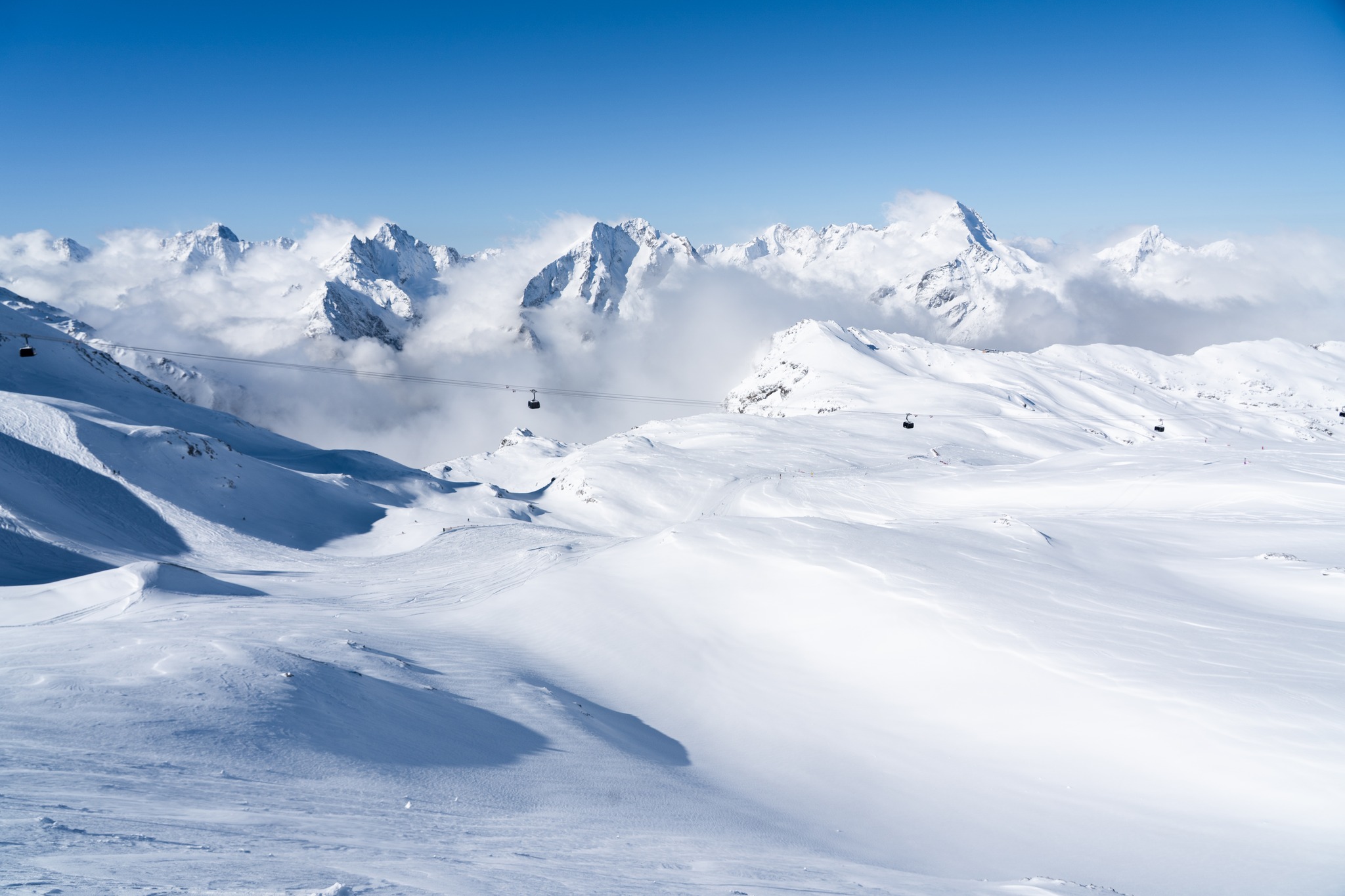
The storm, which began on or around May 13th, 2026, saw temperatures plummet across the Alpine region, leading to snow accumulation at surprisingly low elevations. By the end of the weekend, many areas in the Northern Alps reported up to 40 centimeters (approximately 16 inches) of fresh snow. This late-season dump has been particularly significant for glacier ski areas that rely on consistent snow cover to extend their operational seasons into the summer months.
Key Areas Affected and Snowfall Totals
- Northern Alps: Reports indicate snowfall reaching down to 1,000 meters (3,280 feet) in several locations. By the close of the weekend, accumulations of up to 40 cm were recorded in the Northern Alps.
- Kaunertal, Austria: This glacier ski area concluded its winter season on the weekend of May 17th, 2026, after benefiting from the fresh snowfall.
- Les Saisies, Savoie, France: This resort, situated at 1,650 meters (5,413 feet), witnessed snow on Thursday, May 15th, as evidenced by social media reports, showcasing an unseasonal winter scene. A tweet from @weathertoski on May 14th, 2026, shared an image of the center of Les Saisies at 1650m, stating, "Yes, really!"
- Stubai Glacier, Austria: The popular glacier resort of Stubai closed for its winter season on Sunday, May 17th, 2026, after receiving an impressive 45 cm (approximately 18 inches) of fresh snow during its final weekend of operation.
- Les Deux Alpes, France: This renowned glacier resort, which remains open for summer skiing and snowboarding, also saw beneficial snowfall. Images from Tuesday, May 12th, 2026, provided by the Les Deux Alpes Tourist Office, depicted snow-covered landscapes, highlighting the resort’s preparedness for the summer season.
Southern Alps Also Benefit
The positive impact of the storm was not confined to the north. The Southern Alps also experienced favorable conditions, with Les Deux Alpes in France reporting beneficial snow accumulation. This timely snowfall is critical for resorts like Les Deux Alpes, which aim to provide skiing and snowboarding opportunities throughout the summer.
Expert Analysis and Implications for Summer Skiing
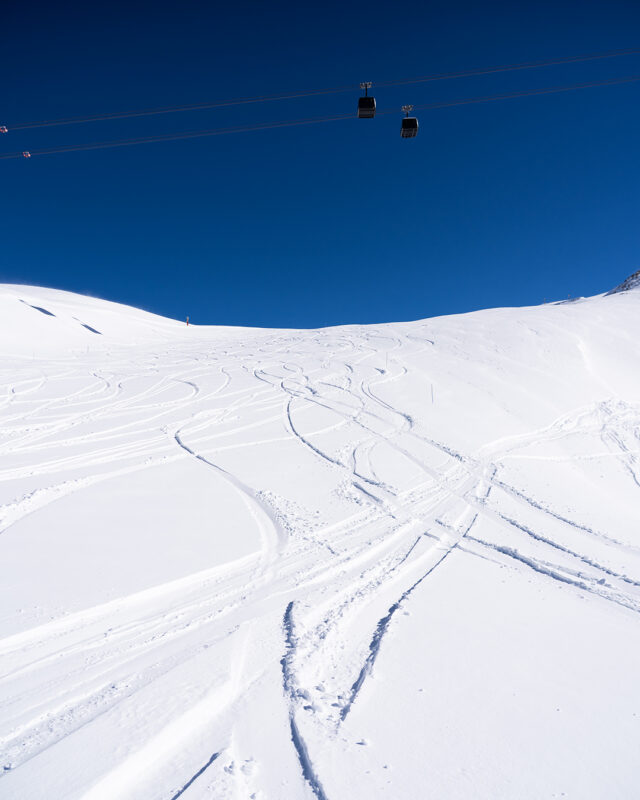
The unseasonal snowfall has been met with cautious optimism by winter sports professionals. Fraser Wilkin, an alpine weather expert from weathertoski.co.uk, commented last week on the significance of the event: "Needless to say, all this new snow is great news for the Alpine glaciers, many of which risked looking very threadbare early in the summer after what had, until now, been an exceptionally dry spring."
Wilkin further elaborated on the immediate impact, stating, "This late wintry spell will delay the thaw at altitude." However, he cautioned against assuming optimal conditions for the entire summer: "It does not by any means guarantee that snow conditions on the few glaciers planning to be open mid-summer (e.g., Saas-Fee, Zermatt) will be in great condition."
A Volatile Weather Outlook
The expert analysis also points to the transient nature of such late-season weather phenomena. Wilkin predicted a potential return to warmer temperatures: "Indeed, it looks likely that the weather in the Alps may turn hot again later next week with above-average temperatures locked in for some time." This suggests that while the current snowfall provides a welcome boost, skiers and snowboarders planning summer excursions should remain aware of the potential for rapidly changing conditions as summer heat takes hold.
Context: The Extended Ski Season and Glacier Operations
The Alps are home to several glacier ski areas that offer year-round or extended-season skiing. These operations are vital for ski instructors, professional athletes who use them for training, and dedicated enthusiasts who crave snow sports outside the traditional winter months. Resorts like Hintertux in Austria, the Pitztal Glacier, and Stubai Glacier in Austria, as well as Les Deux Alpes and Val Thorens (partially) in France, and Zermatt and Saas-Fee in Switzerland, are known for their summer skiing programs.
The viability of these summer operations is heavily dependent on the preservation of snowpack built up during the winter and spring. A dry spring can significantly deplete these reserves, making it challenging and costly to maintain skiable areas. This recent snowfall, therefore, serves as a critical intervention, replenishing these precious snow reserves.
Challenges of Summer Skiing
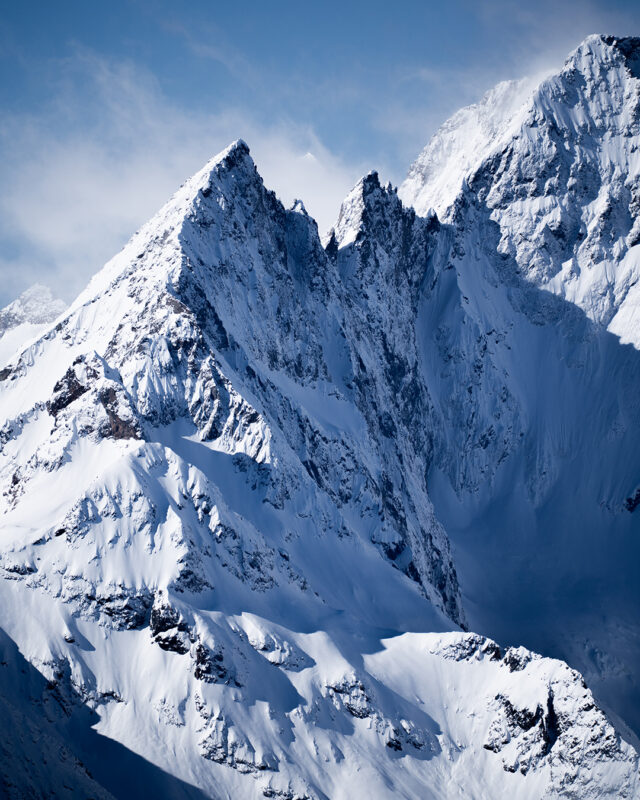
Despite the current positive developments, summer skiing on glaciers is not without its challenges. The intense summer sun, even at high altitudes, contributes to snow melt. The quality of the snow can also vary significantly, often becoming slushy or icy depending on the time of day and specific weather patterns. The infrastructure required to keep glaciers operational throughout the summer, including snow grooming and piste maintenance, represents a substantial investment for resort operators.
Broader Implications for the Alpine Tourism Industry
This late-season snowfall has immediate positive implications for the Alpine tourism sector. It extends the appeal of certain resorts and provides an attractive offering for a niche but significant segment of the winter sports market. For those resorts that have just closed their winter seasons, the unexpected snow can also serve as a positive final impression, potentially influencing future booking decisions.
The event underscores the dynamic and often unpredictable nature of Alpine weather. While climate change trends suggest warmer overall temperatures and a reduction in natural snowfall in the long term, significant weather events, including late-season snowfalls, can still occur. For the industry, adapting to these climatic shifts and maximizing opportunities presented by such events remains a key strategic imperative.

Looking Ahead: Summer Skiing Destinations
For those seeking to ski or snowboard during the summer months, several key destinations typically offer opportunities:
- Les Deux Alpes, France: Known for its extensive glacier skiing area, typically open for extended periods.
- Zermatt, Switzerland: Offers high-altitude glacier skiing with stunning views of the Matterhorn, often open year-round.
- Saas-Fee, Switzerland: Another high-altitude Swiss resort with glacier skiing capabilities.
- Hintertux Glacier, Austria: Famous for its year-round skiing operations.
- Stubai Glacier, Austria: While its winter season concluded with this snowfall, it is a significant glacier area that may offer summer skiing in some years or sections.
- Pitztal Glacier, Austria: Another Austrian glacier that provides summer skiing options.
The recent snowfall will undoubtedly enhance the conditions at these locations, offering a more robust and enjoyable experience for summer skiers and snowboarders. However, as noted by weather experts, the long-term forecast suggests a potential return to warmer conditions, meaning the quality of snow may fluctuate throughout the summer.
PlanetSKI’s Commitment to Ski News
PlanetSKI.eu, a leading digital platform for ski news, resort information, and snowsports updates, continues to provide comprehensive coverage of the Alpine season. Their ongoing commitment to delivering timely and relevant information ensures that skiers and snowboarders remain informed about the latest developments, from the first snowfall of winter to the final runs on high-altitude glaciers. Their reporting on this unexpected spring snowfall highlights the resilience and adaptability of the Alpine ski industry in the face of evolving weather patterns. Readers are encouraged to check back for further updates as the summer skiing season progresses and weather conditions evolve across the Alps.

