
The 2025/26 European winter season has seen avalanche fatalities climb to 147, exceeding the 147 recorded during the 2017/18 season, a concerning trend that underscores the inherent volatility of mountain environments and the complexities of snowpack stability. This figure, while fluctuating annually, remains a stark reminder of the persistent dangers faced by those venturing into alpine terrain. The previous winter, 2024/25, recorded a significantly lower death toll of 70, while the long-term annual average hovers around 100 fatalities. This year’s elevated numbers place the season among the more perilous in recent memory, drawing comparisons to seasons like 2015/16 when 151 lives were lost and the particularly severe 2009/10 season, which tragically saw 190 fatalities.
The meteorological conditions that precipitated this elevated risk profile began early in the winter. Unseasonably cold weather in November contributed to the formation of unstable faceted snow crystals deep within the snowpack. These delicate structures, lacking the bonding strength of more consolidated snow, created persistent weak layers. The situation was exacerbated by a subsequent period of heavy snowfall in January and February. This intense precipitation effectively overloaded these pre-existing weak layers, creating highly susceptible conditions for slab avalanches. The vast majority of victims were caught in these slab avalanches or in collapses directly linked to these buried weak layers. Tragically, many of these events were triggered by human activity, particularly skiers venturing off-piste after fresh snowfall, a common scenario that highlights the critical need for awareness and caution in backcountry environments.
Two recent incidents, occurring on May 8th and 9th, 2026, underscore the continued risks even as the traditional winter season draws to a close. In the French Alps, a backcountry skier tragically lost their life on Saturday, May 9th, while descending the north face of the Aiguille du Plan in Chamonix. The skier was part of a group of three. Authorities described the snow conditions at the time as "new and wet," indicating a fresh layer of snow with high moisture content, which can contribute to instability. Avalanche risk at the time was assessed as Level 2, a moderate but not insignificant level of danger.
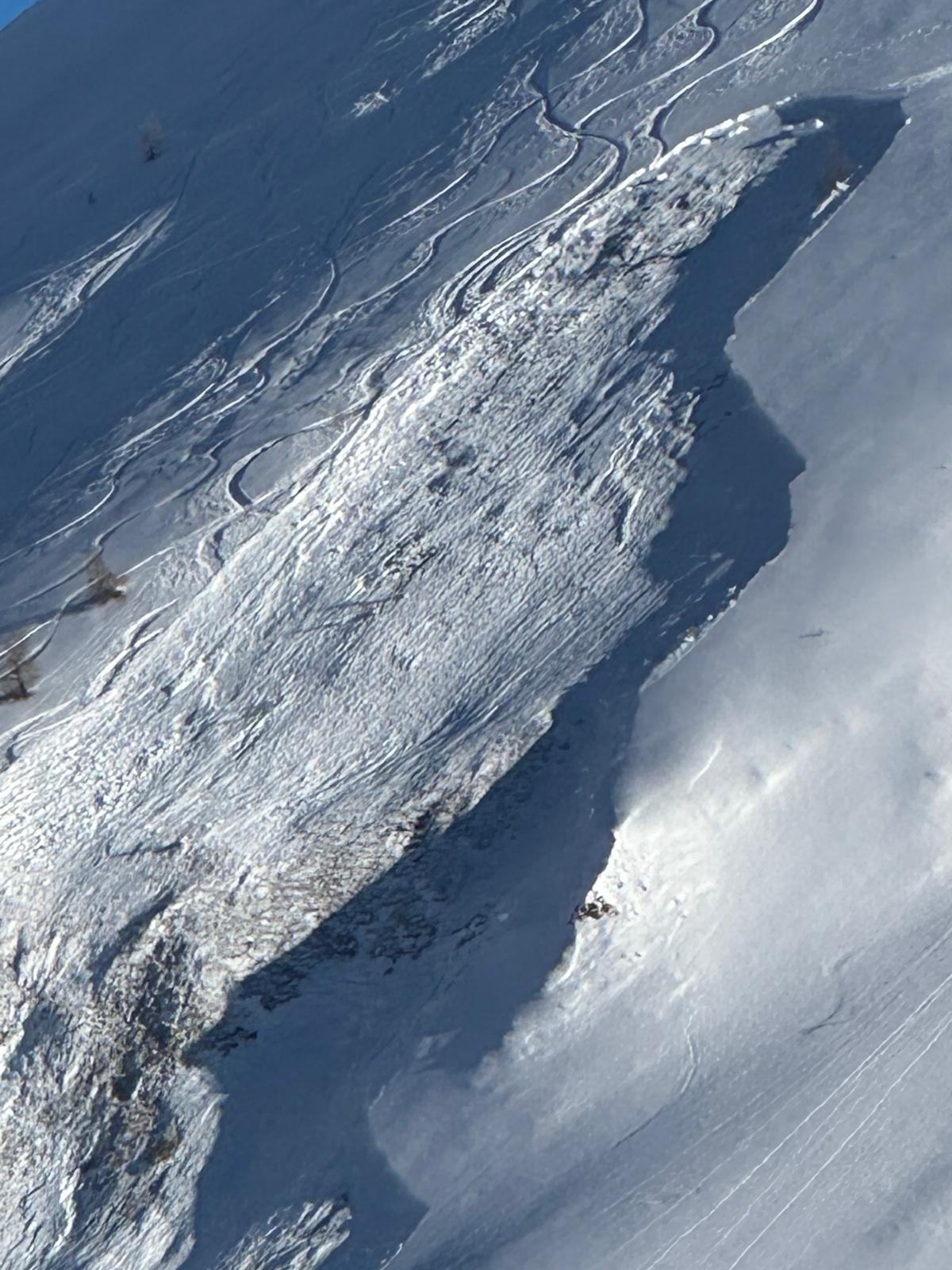
Just one day prior, on Friday, May 8th, a ski mountaineer perished while ascending the north face of the Aiguillette de l’Olan in Saint-Christophe-en-Oisans, France. This incident was characterized by authorities as "mountaineering" due to the steep nature of the face and the fact that skis were carried on the backpack, suggesting a technical ascent. The ski mountaineer was with a colleague at an altitude of 3,300 meters when a slab avalanche released. Similar to the Chamonix incident, the avalanche risk level was also assessed as Level 2. These two fatalities, occurring within days of each other and late in the season, serve as a potent reminder that avalanche danger does not simply cease with the end of winter.
European Avalanche Fatalities by Country 2025/26: A Snapshot
While the overall European toll has reached concerning levels, the distribution of these tragedies varies significantly by country. Notably, several nations have reported no avalanche deaths during the 2025/26 season. These include the Czech Republic, Finland, Germany, Iceland, Liechtenstein, Romania, Scotland, and Sweden. This absence of fatalities in these regions can be attributed to a combination of factors, including lower average snowfall, less extreme alpine terrain, established avalanche warning systems, and potentially higher levels of public awareness and adherence to safety protocols.
Conversely, countries with extensive high-alpine regions, such as France, Switzerland, Austria, and Italy, invariably bear the brunt of avalanche incidents. While a comprehensive breakdown for every country is still being compiled, the pattern of previous years suggests these nations will account for the majority of the 147 fatalities. The specific data for each country will provide a more granular understanding of regional risk factors and the effectiveness of local safety measures.
Historical Context: The Worst Winters on Record
To fully appreciate the gravity of the 2025/26 season, it is crucial to place it within a historical context. The most devastating winter for avalanche-related deaths on record remains the winter of 1950/51. That catastrophic season saw a staggering 247 people lose their lives to avalanches across Europe. The scale of destruction during that period was immense, with Switzerland alone reporting 98 avalanche fatalities. Beyond human casualties, the natural disasters of 1950/51 led to the destruction of approximately 1,500 buildings and the loss of 235 head of livestock, painting a grim picture of the power of uncontrolled snow slides.
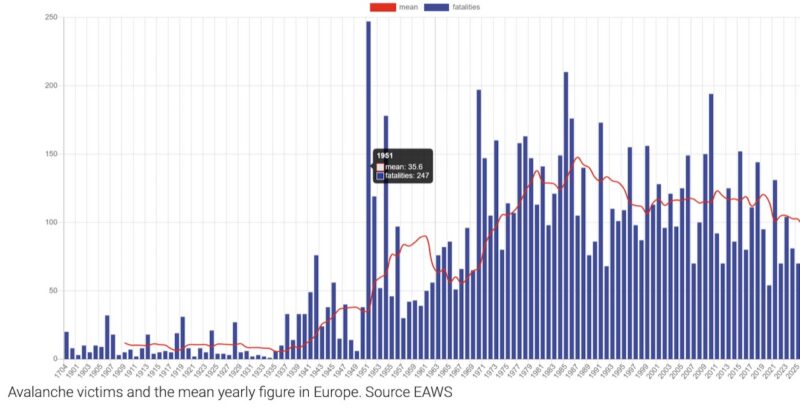
The current season’s figure of 147, while lower than the 1950/51 peak, is still a significant number and places it among the more severe winters of the past 70 years. The ability of avalanche fatalities to fluctuate so widely year-on-year highlights the dynamic and unpredictable nature of mountain environments, influenced by a complex interplay of snowfall patterns, temperature fluctuations, and underlying snowpack structure.
Analysis of the 2025/26 Season’s Unique Challenges
A particularly striking aspect of the 2025/26 winter season has been the deceptive nature of the avalanche danger. For much of the season, the risks were not always easily discernible, even for seasoned professionals. This difficulty in prediction and recognition poses a significant challenge to both avalanche forecasters and the individuals venturing into the mountains. The primary period of heightened danger was concentrated between late December and late February, a two-month window where the conditions were most conducive to large and dangerous avalanches.
During March and April, the snowpack generally began to stabilize, often aided by melt-freeze cycles that can strengthen the snow layers. However, the late-season incidents in May demonstrate that residual risks, particularly in shaded, high-altitude areas, can persist. The "new and wet" snow reported in the Chamonix incident is a classic indicator of instability, where freshly fallen snow has not had sufficient time to bond with the underlying layers, or where warming temperatures are causing the snowpack to become saturated and prone to rapid release.
What has been particularly notable this winter is the number of experienced individuals caught in avalanches. Reports indicate that a significant proportion of victims were not novice skiers but rather seasoned professionals and enthusiasts, including ski patrollers, mountain guides, off-piste instructors, experienced ski tourers, and members of alpine clubs. This trend is deeply concerning, as it suggests that even those with extensive knowledge and experience are falling victim to the unpredictable nature of avalanches. It underscores the fact that no individual, regardless of their expertise, is entirely immune to the dangers of the mountains. This raises questions about the efficacy of current forecasting models in capturing highly localized or rapidly evolving conditions, and the challenges of risk assessment even for those with deep understanding of snow science.
Official Responses and Future Implications
While specific official statements from European avalanche warning services and governmental bodies regarding the 2025/26 season are still emerging, the consistent reporting of high fatality numbers inevitably prompts a review of existing safety protocols and public awareness campaigns. Following such a season, it is standard practice for avalanche centers to conduct post-season analyses. These analyses typically involve:
- Detailed meteorological data review: Examining temperature, precipitation, and wind patterns throughout the winter.
- Snowpack structure analysis: Investigating the formation and persistence of weak layers.
- Incident investigation: Gathering detailed information on each avalanche fatality, including the type of avalanche, trigger, terrain, and the experience level of the victim.
- Forecasting model evaluation: Assessing the accuracy and limitations of the predictive models used.
The findings from these analyses are crucial for informing future forecasting efforts, refining public safety messages, and potentially influencing policy decisions related to backcountry access and safety education.
The implications of a season with such a high number of fatalities are far-reaching. For the avalanche forecasting community, it serves as a critical learning opportunity, highlighting areas where understanding and predictive capabilities may need to be enhanced. For backcountry users, it reinforces the paramount importance of thorough preparation, including checking daily avalanche forecasts, understanding snowpack conditions, carrying essential safety equipment (avalanche transceiver, probe, shovel), and possessing the knowledge to use it effectively. It also underscores the value of informed decision-making in the field, including the ability to recognize and avoid hazardous terrain and conditions.
The persistent danger of avalanches, as evidenced by the 2025/26 season, is a stark reminder that the mountains, while offering unparalleled beauty and recreational opportunities, demand respect and a profound commitment to safety. The lessons learned from this season will undoubtedly shape how winter recreationists and safety professionals approach the mountains in the years to come, with a renewed emphasis on vigilance, education, and a deep appreciation for the powerful forces of nature.

