
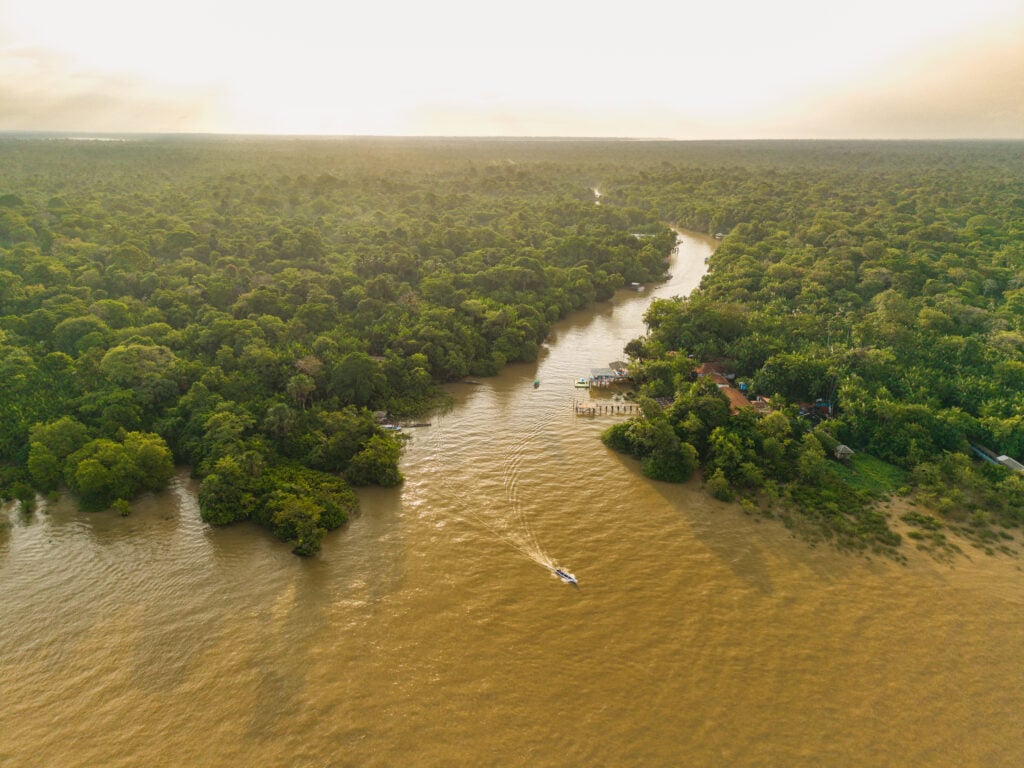
The 30th Annual United Nations Climate Change Conference, known as COP30, concluded in Belém, Brazil, leaving a complex legacy of heightened grassroots ambition set against persistent diplomatic paralysis. Hosted at the "Gateway to the Amazon," the summit drew approximately 60,000 participants from nearly 200 nations, all converging in one of the world’s most ecologically critical regions to negotiate the next phase of global climate governance. Despite the symbolic backdrop of the rainforest, the conference struggled to bridge the gap between the urgent demands of climate science and the economic interests of major energy-producing states.
The two-week summit, held from November 11 to November 28, served as a critical juncture for the Paris Agreement’s goal of limiting global warming to 1.5°C. However, as the final gavels fell, the discrepancy between the "Blue Zone" negotiations and the lived realities of climate-vulnerable communities became the defining narrative of the event.
The Geopolitical Landscape: A Divided U.S. Presence
A significant point of contention throughout COP30 was the shifting role of the United States. For the first time in several cycles, the U.S. federal government did not send an official negotiating delegation, a move attributed to the policy directives of the Trump administration. This absence created a palpable vacuum in the "Blue Zone"—the inner sanctum where formal UN negotiations occur. Historically, U.S. diplomats have acted as essential brokers in multi-lateral climate deals; observers noted that without a formal federal presence, the momentum for high-level consensus was significantly hampered.
However, the lack of a federal delegation did not equate to a total absence of American influence. A robust contingent of subnational leaders, including governors and mayors from 26 states, participated through the Local Leaders Forum and the U.S. Climate Alliance. California Governor Gavin Newsom emerged as a prominent figure, utilizing the summit to bypass federal inaction by signing methane reduction agreements with Colombia and electric vehicle (EV) expansion pacts with Nigeria.
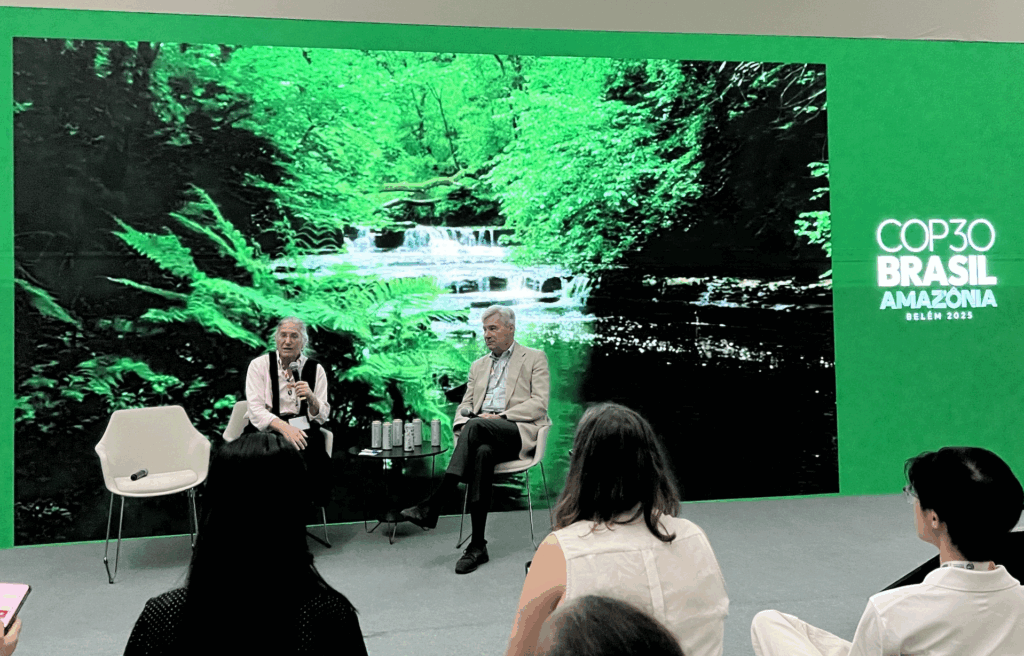
Further representing the U.S. perspective was Senator Sheldon Whitehouse of Rhode Island, the sole member of Congress in attendance. During meetings with researchers and students, Whitehouse highlighted the domestic challenges of climate policy, asserting that the "artificial state" of American partisanship on climate issues is largely fueled by significant spending from the fossil fuel industry. His presence underscored a growing trend in global climate diplomacy: the rise of "subnational" and "non-state" actors filling the void left by retreating national governments.
The Role of Civil Society and Research Institutions
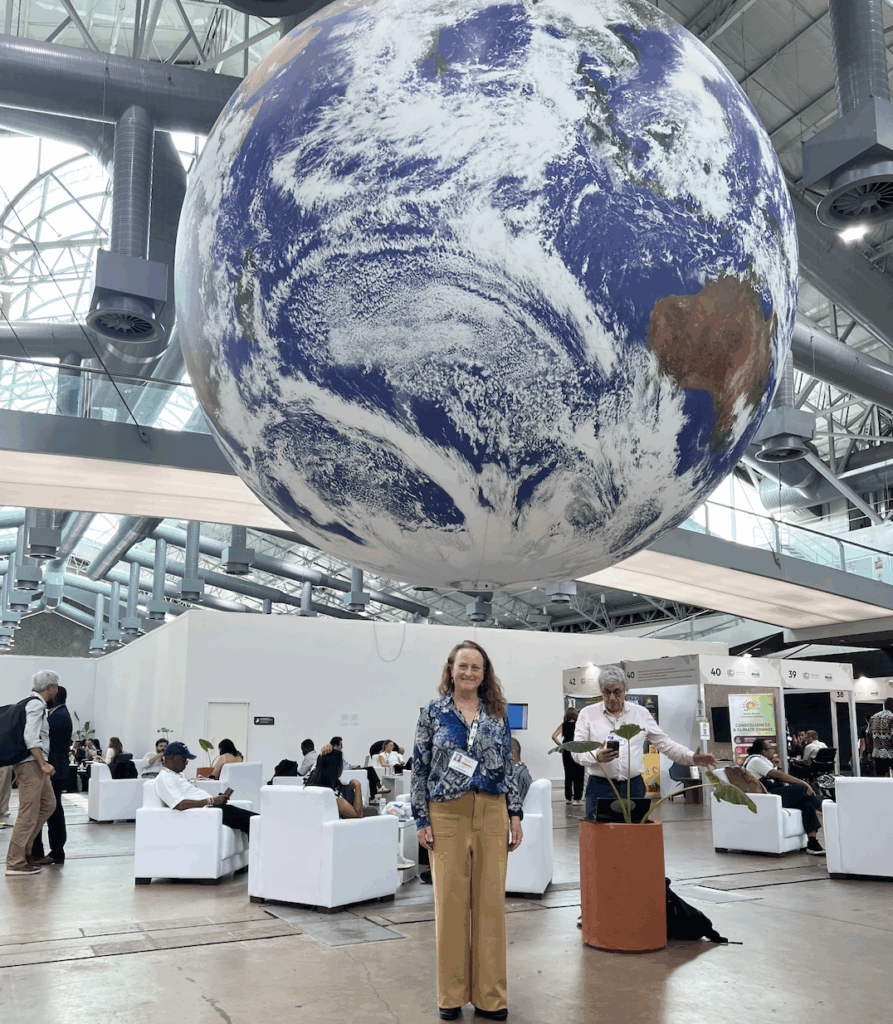
While the high-level negotiations often stalled, the "Blue Zone" functioned as a vibrant hub for the Research and Independent Non-Governmental Organizations (RINGO) community. This constituency, recognized by the United Nations Framework Convention on Climate Change (UNFCCC), brought together academic institutions such as Colorado State University (CSU) and the University of Colorado Boulder, alongside international NGOs like the Peru-based Instituto de Montaña.
These organizations focused on the intersection of scientific research and community-led adaptation. A week-long exhibit showcased climate resilience strategies spanning from the Rocky Mountains in Colorado to the high Andes in Peru. For many participants, including students and early-career researchers, the summit provided a firsthand look at how global policy decisions—or the lack thereof—impact mountain ecosystems and the water security of millions.
The summit also served as a platform for climate litigation updates. Saúl Luciano Lliuya, a Peruvian farmer whose landmark lawsuit against the German energy giant RWE has become a cornerstone of global climate law, was a central figure in the civil society space. Lliuya’s participation in Greenpeace actions and interactive exhibits served as a reminder of the growing movement to hold major polluters financially accountable for "loss and damage" in vulnerable regions.
Indigenous Leadership and the Barriers to Power
Hosting COP30 in the Amazon was a deliberate choice intended to center Indigenous voices. The number of Indigenous delegates in the Blue Zone rose to 900, a significant increase from the 300 recorded at COP29. These delegates brought centuries of traditional ecological knowledge to the table, advocating for land rights as a primary climate solution and demanding that Indigenous territories be officially recognized within National Determined Contributions (NDCs).
Despite this increased visibility, Indigenous leaders argued that their presence remained largely symbolic. The structural inequities of the summit were highlighted by the logistical hurdles faced by many Global South participants. Barriers such as restrictive visa requirements, high travel costs, and the dominance of English-only programming excluded several key voices. For instance, representatives from mountain communities in Cameroon and the Andes reported being unable to participate fully due to transit visa denials and a lack of Quechua-to-English translation services.
Furthermore, the influence of Indigenous delegates was overshadowed by the sheer volume of fossil fuel interests. Data indicated that there were more than twice as many fossil fuel lobbyists inside the Blue Zone as there were Indigenous representatives. This tension was exacerbated by host nation Brazil’s decision to move forward with new exploratory oil drilling projects shortly before the summit began, a move that many activists labeled as contradictory to the spirit of the Amazon-based conference.
The Final Document and the Fossil Fuel Omission
The primary objective of COP30 was to establish a clear roadmap for the 2035 climate targets. According to the United Nations Environment Programme (UNEP), the world requires a 55% reduction in greenhouse gas emissions by 2030 to remain on a 1.5°C pathway. To achieve this, a consensus on the "phase-out" of fossil fuels was viewed as the essential outcome of the Belém negotiations.
While more than 80 nations pushed for language that explicitly committed to transitioning away from coal, oil, and gas, the final negotiated document failed to include the term "fossil fuels." This omission was widely attributed to intense pressure from petrostates and nations with heavy industrial dependencies on hydrocarbons.
The absence of this language was met with sharp criticism from scientists and environmental advocates. For experts who have tracked climate impacts in mountain regions for decades, the failure to address the primary driver of global warming in the final text represented a significant diplomatic setback. However, proponents of the process pointed to "meaningful wins" in other areas, such as:
- Enhanced Finance Mechanisms: Incremental progress in the "Loss and Damage" fund to assist developing nations.
- Adaptation Frameworks: New commitments to protecting biodiversity-rich corridors in the Amazon and other critical biomes.
- Methane Pacts: Increased participation in the Global Methane Pledge, targeting one of the most potent short-term warming agents.
Analysis of Implications: A "Path of Persistence"
The outcome of COP30 suggests a shifting paradigm in global climate action. As the traditional "top-down" approach of UN negotiations hits structural roadblocks, a "bottom-up" momentum is gaining traction. The collaboration between researchers, Indigenous leaders, and subnational governments in Belém demonstrated that climate action is increasingly being driven by those on the front lines of the crisis.
The 1.5°C target remains scientifically necessary but diplomatically elusive. The 55% emissions reduction target required by 2035 now places immense pressure on the next round of NDCs, which countries are expected to submit in 2025. Without a clear international mandate to end fossil fuel reliance, the burden of action shifts to national courts—through litigation like the Lliuya case—and to market forces driven by subnational policy.
The Belém summit served as a stark reminder of the complexity of the "just transition." While the world is "hungry for climate action," as observers noted, the financial and political structures of the current global economy continue to favor the status quo. The advice of one U.S. negotiator echoed through the closing halls of the venue: "We need everyone, everywhere, all at once."
For mountain communities, the Outdoor State, and Indigenous stewards of the Amazon, COP30 was not the definitive victory many had hoped for, but it reinforced the necessity of a multifaceted approach. As the world looks toward COP31, the focus will likely shift from broad declarations to the granular, hard-fought battles of local policy, corporate accountability, and legal precedent. The "Gateway to the Amazon" proved that while the path to a stable climate is open, the gatekeepers remain firmly entrenched.

