
The indefinite suspension of summer skiing operations on the Horstman Glacier at Whistler Blackcomb marks a definitive turning point in the environmental and economic trajectory of the North American outdoor industry. For decades, the glacier served as a premier training ground for elite athletes and a summer destination for global enthusiasts, but the accelerating retreat of the ice has rendered these operations unsustainable. This shift, witnessed firsthand by veteran Salomon athlete and climate advocate Mike Douglas, serves as a localized manifestation of a global phenomenon: the shrinking of the cryosphere and the resulting disruption of the winter sports economy. As the physical landscape of the mountains changes, the industry is undergoing a forced evolution, moving away from passive awareness toward aggressive corporate responsibility and systemic advocacy.
The decline of the Horstman Glacier is not an isolated meteorological event but part of a documented, long-term trend of negative mass balance in British Columbia’s glacial systems. In the 1990s, the glacier was a focal point for the "New School" skiing movement, providing a year-round platform for innovation in freestyle and backcountry techniques. However, over the last 30 years, the rate of melt has outpaced the winter accumulation of snowpack. By 2020, Whistler Blackcomb management made the decision to cease summer operations indefinitely, citing the safety risks posed by the receding ice and the logistical impossibility of maintaining a viable ski surface. This closure serves as a stark metric for the health of the alpine environment, signaling that the traditional rhythms of the winter sports calendar are no longer guaranteed.
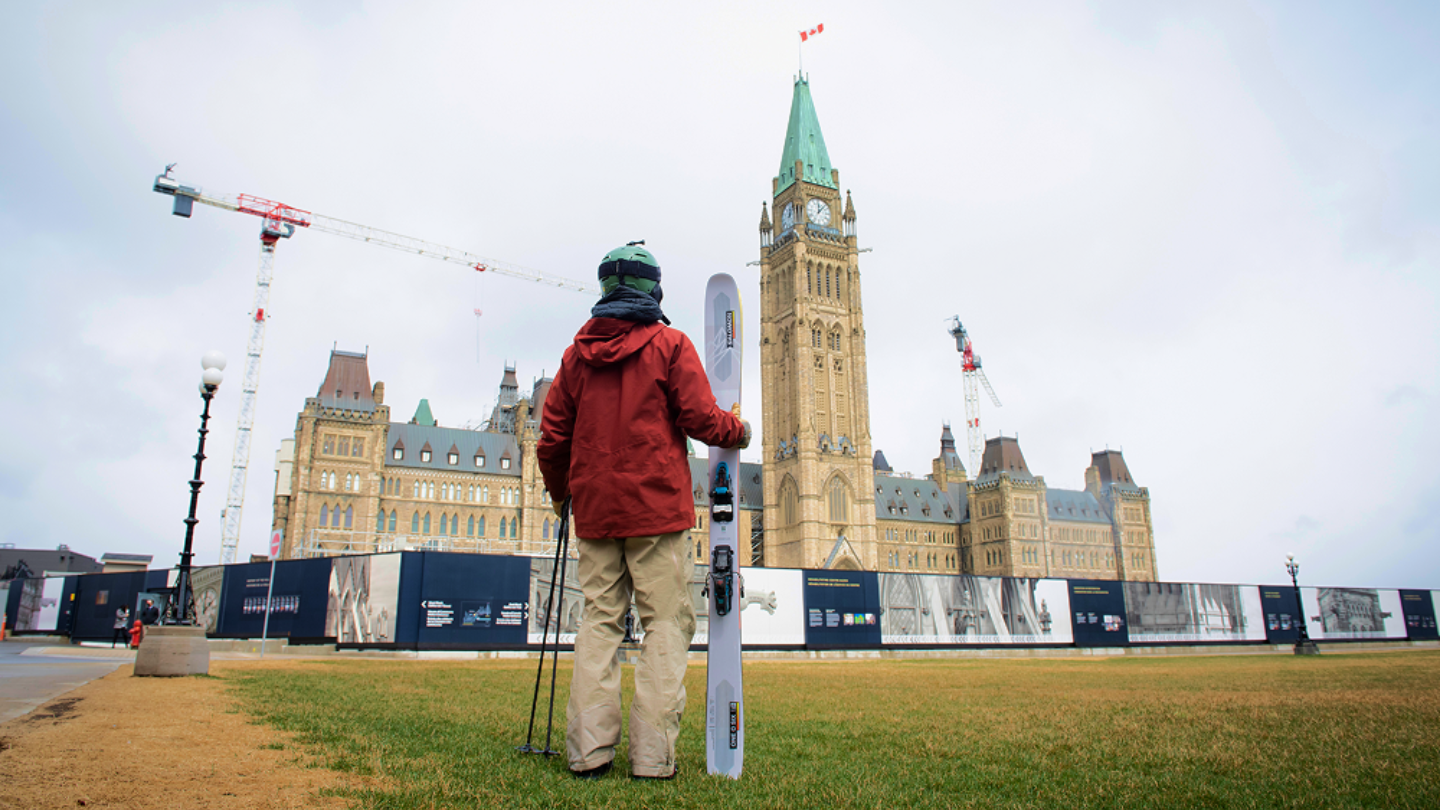
Mike Douglas, often referred to as the "Godfather of Freeskiing" for his role in developing the first twin-tip skis and pioneering modern freestyle, has transitioned from a witness of these changes to a central figure in the industry’s response. Having spent over three decades on the slopes of Whistler Blackcomb, Douglas has observed the gradual shortening of winter seasons and the rising snowlines that threaten the viability of low-altitude resorts. His partnership with Protect Our Winters (POW) Canada, which began in 2018, reflects a broader shift among professional athletes who are increasingly leveraging their platforms to influence policy and corporate behavior rather than merely promoting equipment.
The response from the corporate sector, led by brands such as Salomon, represents a departure from traditional corporate social responsibility (CSR) models. The outdoor industry is uniquely vulnerable to climate change, as its entire business model relies on predictable seasonal patterns and accessible natural environments. Consequently, sustainability has moved from a marketing department initiative to a core operational requirement. Salomon’s current strategy focuses on three primary pillars: responsible manufacturing, supply chain transparency, and climate advocacy. This involves a rigorous assessment of Scope 1, 2, and 3 emissions, with a particular emphasis on the carbon footprint associated with the production and distribution of hard goods like skis, boots, and bindings.
In terms of manufacturing, the industry is exploring circular economy principles to reduce waste. Salomon has implemented initiatives aimed at creating recyclable products, such as the Index.01 running shoe and advancements in ski construction that allow for easier disassembly and material recovery. These technical shifts are critical, as the production of sporting equipment traditionally involves complex composites and resins that are difficult to recycle. By redesigning products with their end-of-life in mind, companies can mitigate the environmental impact of the millions of units of gear produced annually for the global market. Furthermore, the optimization of logistics—reducing the distance materials travel and transitioning to renewable energy sources for factory operations—is essential for meeting net-zero targets.
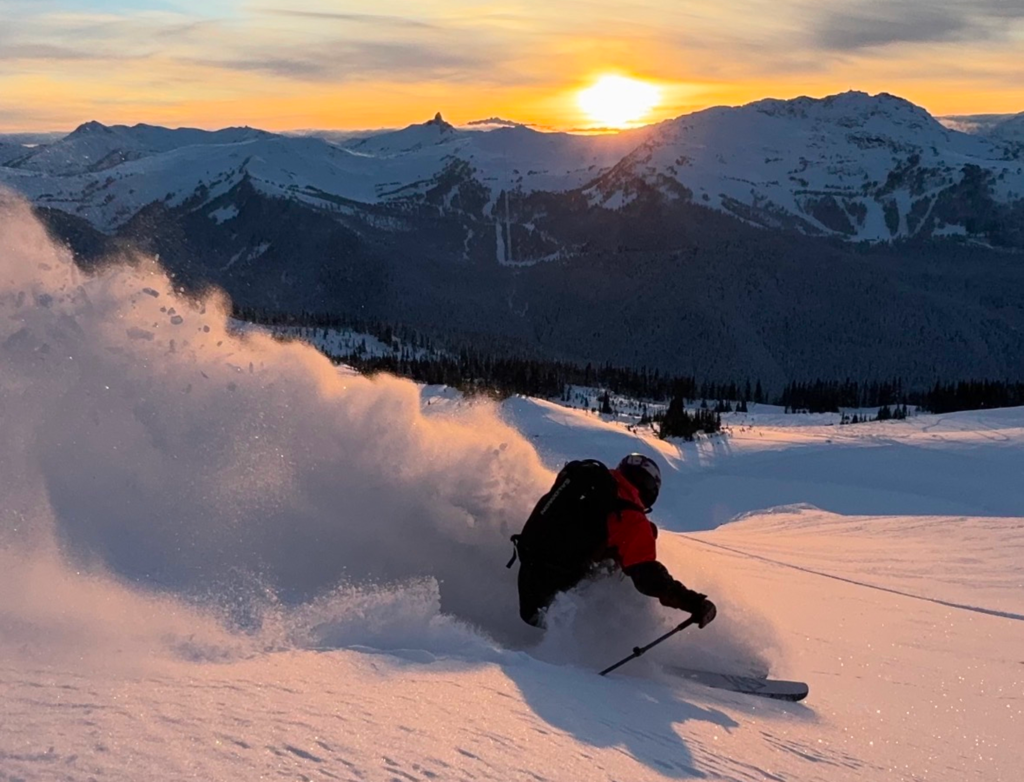
The collaboration between Salomon and Protect Our Winters illustrates the power of collective action in the outdoor sector. POW, founded in 2007 by professional snowboarder Jeremy Jones, has evolved into a sophisticated non-partisan advocacy group that focuses on legislative solutions to climate change. By training athletes like Mike Douglas in climate science and policy communication, POW bridges the gap between the outdoor community and political decision-makers. This advocacy is not limited to public awareness campaigns; it extends to direct lobbying for clean energy policies, carbon pricing, and land conservation efforts. The "Quality Ski Time" (QST) tour and various film projects supported by Salomon serve as vehicles for this message, reaching a global audience and framing climate action as a necessity for the survival of the sport.
Statistical data from the Intergovernmental Panel on Climate Change (IPCC) and various glaciological studies provide a sobering backdrop to these efforts. In Western Canada, it is estimated that 80% of mountain glaciers could disappear by the end of the century if current warming trends continue. This loss of ice has profound implications beyond the loss of skiing terrain. Glaciers act as natural water towers, regulating streamflow and providing critical freshwater resources during dry summer months. The disappearance of the Horstman Glacier is a visible indicator of a hydrological shift that will affect agriculture, power generation, and ecosystem health throughout the Pacific Northwest.
The economic implications for the winter sports industry are equally significant. A study by the University of Waterloo and the University of Innsbruck found that without significant reductions in global emissions, only a fraction of the world’s previous Winter Olympic venues would be climatically reliable by mid-century. For resorts like Whistler Blackcomb, which is a major driver of tourism revenue for British Columbia, the loss of summer skiing is a precursor to more complex challenges, including the need for increased snowmaking infrastructure and the diversification of year-round mountain activities. The cost of adaptation is high, but the cost of inaction is projected to be substantially higher, involving the potential collapse of regional winter tourism economies.

Official responses from within the industry suggest a growing consensus that individual efforts, while necessary, are insufficient to address the scale of the crisis. Industry leaders are increasingly calling for systemic change, including more stringent environmental regulations and a rapid transition to a low-carbon economy. The partnership between brands and advocacy groups is a strategic move to pool resources and exert greater influence on national and international climate policy. As Mike Douglas has noted, the "window for action is closing," and the industry must utilize its significant economic leverage to advocate for the protection of the environments that sustain it.
The broader impact of this shift is a redefinition of what it means to be a "responsible" brand in the 21st century. Consumers, particularly younger demographics, are increasingly making purchasing decisions based on a company’s environmental record and social values. This shift in consumer behavior is forcing brands to move beyond "greenwashing" and provide verifiable data regarding their sustainability claims. Transparency in the supply chain, the use of bio-based materials, and a commitment to reducing the overall volume of production are becoming benchmarks for success in the outdoor market.
In conclusion, the loss of summer skiing on the Horstman Glacier is a poignant reminder of the fragility of the alpine environment and the urgent need for a coordinated response from all sectors of the outdoor industry. The evolution of Mike Douglas from a freestyle pioneer to a climate advocate, and the pivot of Salomon toward integrated sustainability, reflect a necessary maturation of the winter sports community. While the challenges posed by a warming climate are immense, the integration of responsible manufacturing, athlete-led advocacy, and systemic policy work provides a framework for resilience. The path forward requires a recognition that the future of winter is not a guaranteed resource, but a landscape that must be actively defended through corporate integrity and collective responsibility. The transition from taking to giving back is no longer a moral choice but a functional imperative for an industry that exists at the front lines of environmental change.

