
Scientific researchers and members of the Protect Our Winters (POW) Science Alliance have successfully deployed advanced monitoring technology on Alaska’s North Slope to quantify a critical but often overlooked driver of global climate change: greenhouse gas emissions from permafrost thaw slumps. Led by Dr. Kelly Gleason, an assistant professor of eco-hydro-climatology at Portland State University, and Dr. Jenny Watts, an ecologist and carbon flux expert from the Woodwell Climate Research Center, the expedition to the Toolik Field Station represents a significant milestone in Arctic research. The team installed the first flux tower in the Arctic specifically designed to evaluate methane and carbon dioxide emissions from a permafrost thaw slump, a localized area of rapidly collapsing frozen ground that serves as a concentrated source of atmospheric warming agents.
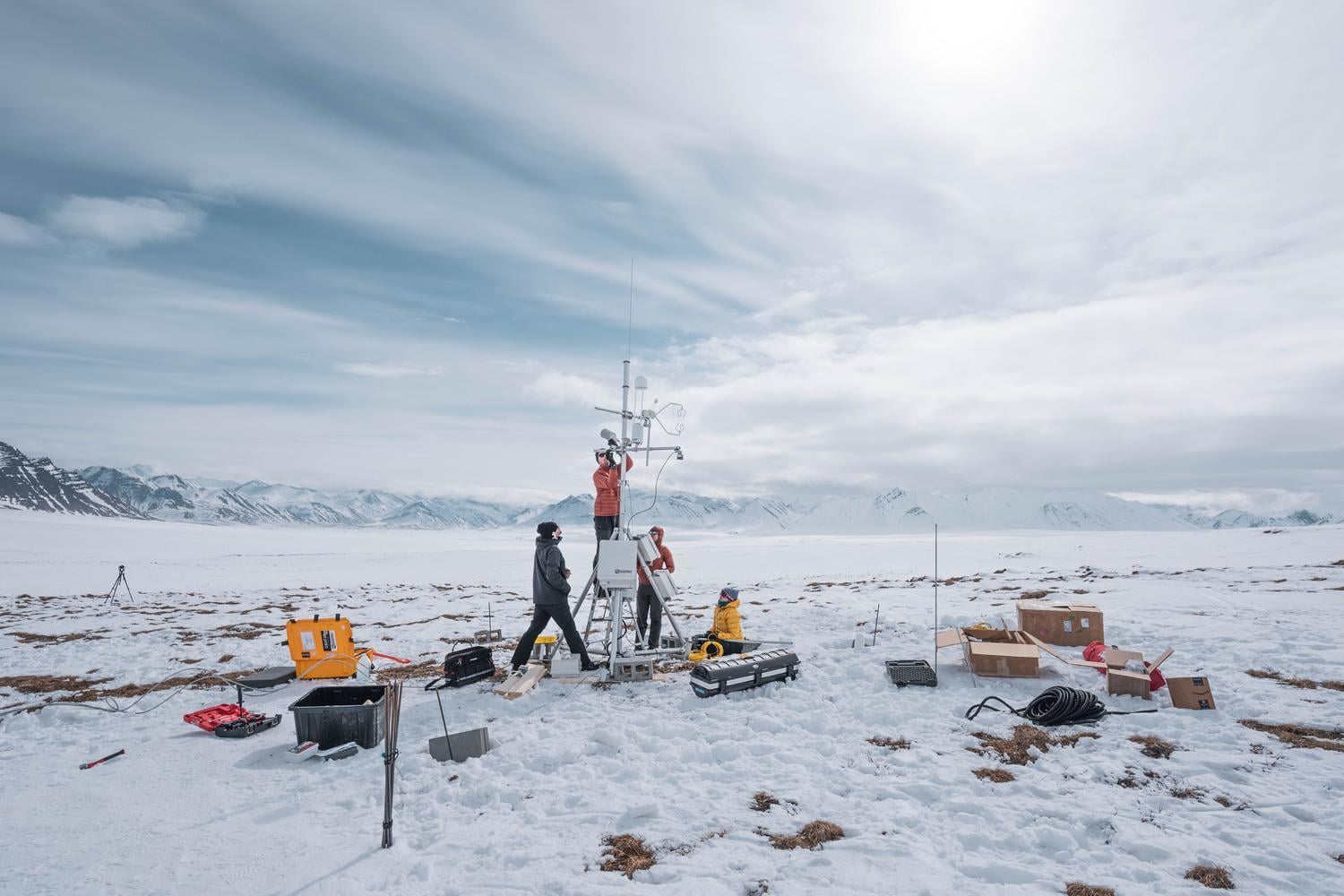
The mission, which included researchers Kyle, Christina, and Kai, underscores the growing urgency of understanding the Arctic’s feedback loops. As the region warms at nearly four times the global average—a phenomenon known as Arctic amplification—the once-stable frozen ground is beginning to fail, releasing ancient organic matter that has been sequestered for millennia. The data collected by this new installation is expected to fill a critical gap in global climate models, which currently struggle to account for the high-intensity emissions produced by these dramatic geological failures.
The Mechanics of Permafrost Collapse and Thaw Slumps
Permafrost is defined as ground that remains at or below 0°C (32°F) for at least two consecutive years. In the Arctic, this frozen layer can extend hundreds of meters deep, acting as a massive subterranean refrigerator that stores approximately 1,400 to 1,600 billion metric tons of carbon—nearly twice the amount currently present in the Earth’s atmosphere. When this ground thaws, the organic matter within it—remnants of ancient plants and animals—begins to decompose. This process is facilitated by microbial activity, which converts the carbon into carbon dioxide or, in oxygen-poor environments, methane, a greenhouse gas with a warming potential over 80 times greater than CO2 over a 20-year period.
Thaw slumps are among the most visually and environmentally dramatic manifestations of permafrost degradation. These features occur when ice-rich permafrost melts, causing the overlying soil to lose its structural integrity and slump downhill. The result is a steep, eroding "scar" on the landscape that exposes fresh layers of frozen earth to the sun and air, creating a self-perpetuating cycle of erosion and emission. While intact tundra emits greenhouse gases at a relatively predictable rate, thaw slumps represent "hot spots" where emissions can be several orders of magnitude higher. Despite their significance, these localized events are often too small to be captured by the coarse resolution of current global climate models, leading to potential underestimations of future warming.
Chronology of the Toolik Field Station Expedition
The deployment of the flux tower at Toolik Field Station followed months of logistical planning and technical preparation. Toolik, operated by the University of Alaska Fairbanks, serves as a premier site for long-term ecological research in the Arctic, providing the necessary infrastructure for scientists to operate in one of the most remote environments on Earth.
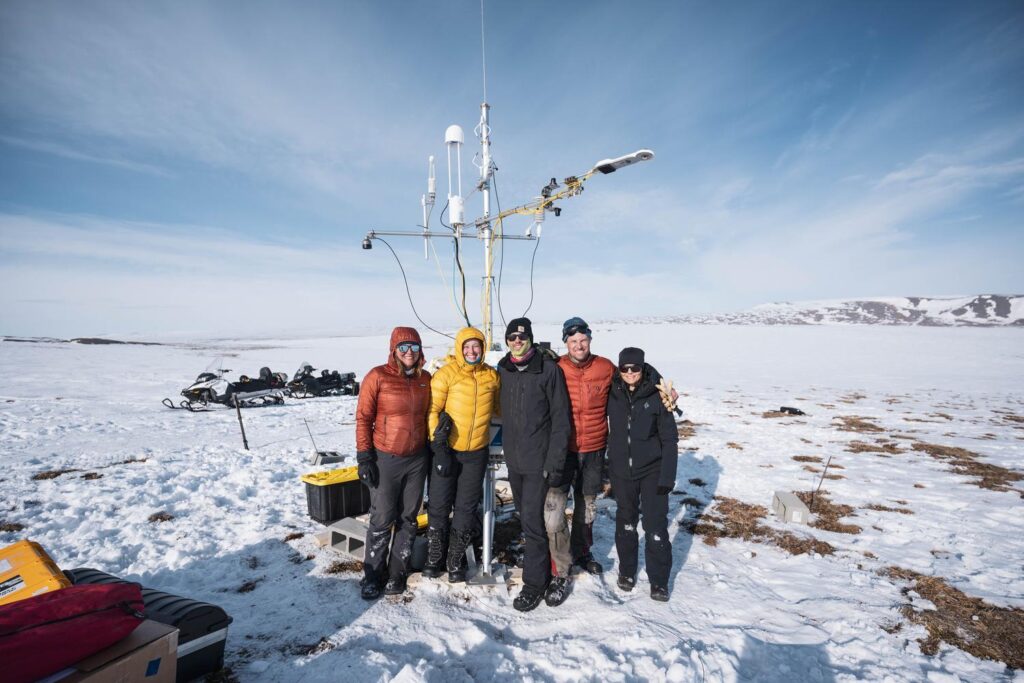
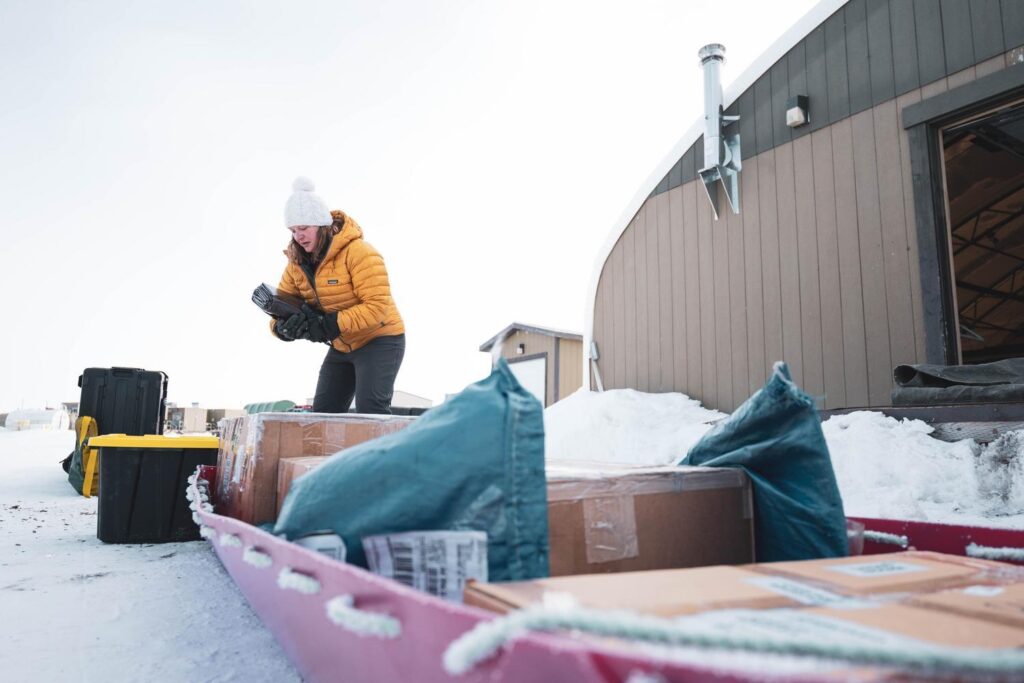
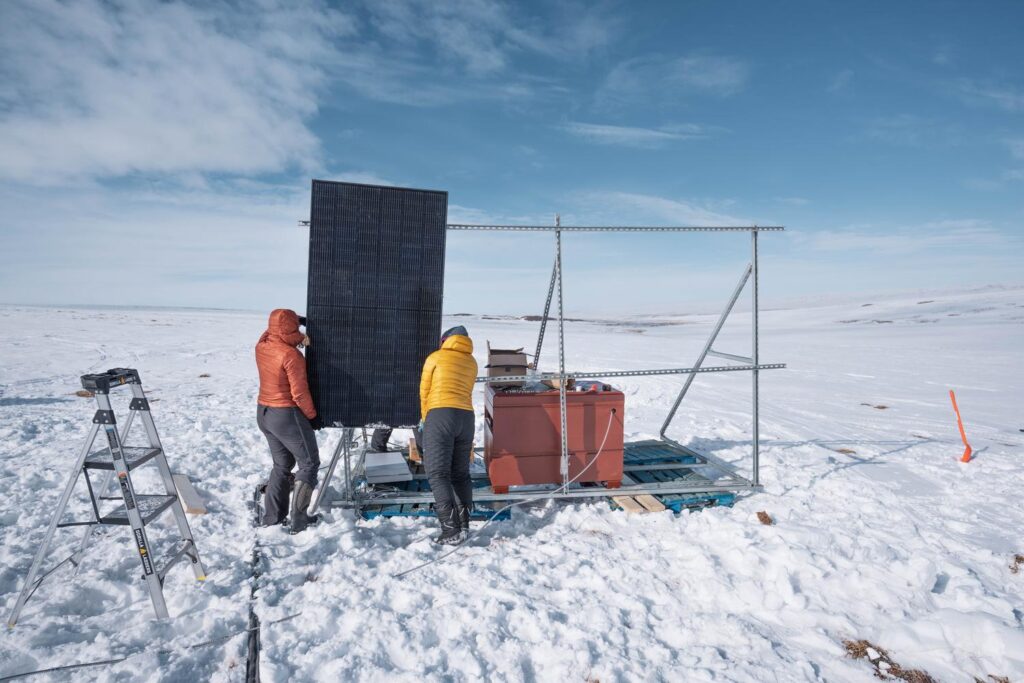
Upon arrival, the research team faced the immediate challenge of transporting several tons of equipment across the frozen tundra. The cargo included a 15-foot-tall aluminum frame, specialized side arms, guy-lines, and heavy-duty cement anchors required to stabilize the structure against high Arctic winds. Powering the sensitive instrumentation required eight deep-cell batteries, each weighing over 100 pounds, supported by four large solar panels. This equipment was hauled via snowmachines and sleds across the North Slope, navigating a landscape characterized by hoarfrost-covered snow and sub-zero temperatures.
The installation process was a feat of cold-weather engineering. The team had to secure the tower into the permafrost and deploy an electrical enclosure capable of protecting delicate sensors from the elements. Once operational, the tower began utilizing eddy covariance—a statistical method used to measure the vertical turbulence of the air—to calculate the exchange of gases between the ground and the atmosphere. By measuring the concentration of methane and carbon dioxide in rapid succession, the tower provides a real-time account of the "invisible" gases escaping from the slump.
The Dual Role of Snow: Albedo vs. Insulation
A primary focus of Dr. Gleason’s research during the expedition involved the complex role of snow cover in the Arctic energy balance. Traditionally, snow is viewed as a cooling agent due to its high albedo, or reflectivity. Clean, white snow can reflect up to 90% of incoming solar radiation back into space, preventing the ground from absorbing heat. However, Dr. Gleason’s findings suggest that as the Arctic climate shifts, the insulating properties of snow may be counteracting its cooling benefits.
As sea ice retreats, larger expanses of open water are exposed to the atmosphere, leading to increased evaporation and higher humidity. This atmospheric moisture often translates into heavier snowfall in certain Arctic regions. While deeper snow may stay on the ground longer into the spring, it also acts as a thick thermal blanket, trapping the Earth’s internal heat and shielding the ground from the frigid winter air.
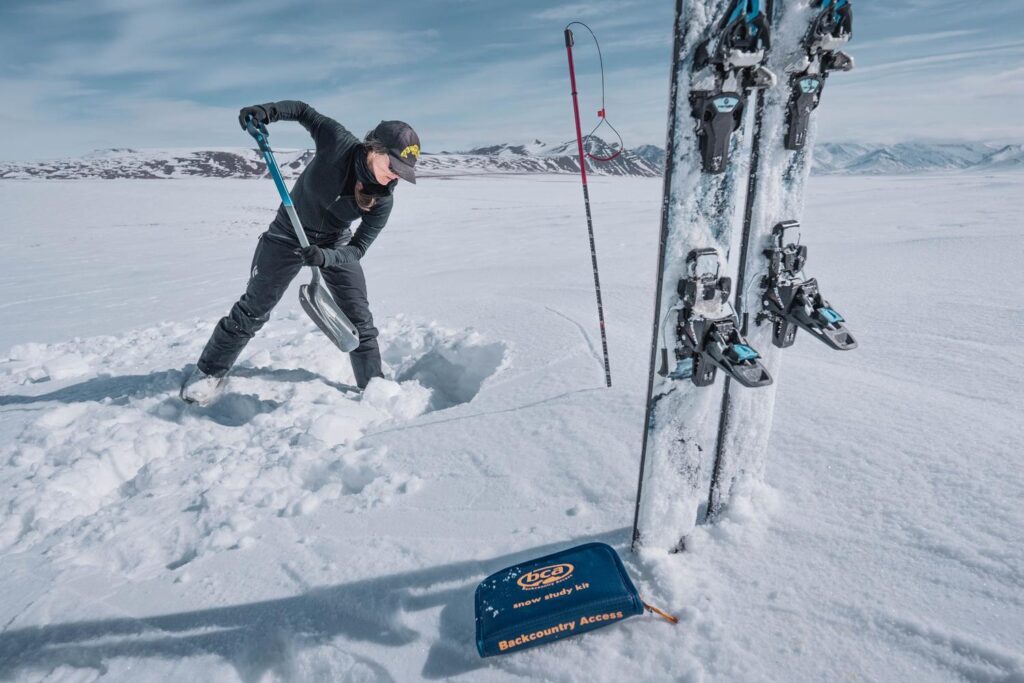
To investigate this, the research team excavated multiple snow pits to record temperature profiles. The data revealed a stark contrast between shallow and deep snowpacks:
- Shallow Snowpack (57 cm): The temperature cooled steadily from the surface down to the base, reaching -10°C at the soil interface. This allowed the permafrost to remain deeply frozen and dormant.
- Deep Snowpack (Approx. 200 cm): Despite similar surface temperatures of -3°C, the temperature warmed significantly with depth. At 35 cm, the temperature was -8°C, but just above the soil, it rose to nearly -3°C.
At temperatures near -3°C, microbial life in the soil can remain active, even in the middle of the Arctic winter. This indicates that deeper snow cover is actively warming the permafrost, potentially accelerating the very thaw and decomposition processes the flux tower was designed to measure. This "insulation feedback" represents a troubling cycle where more snow—initially thought to be a sign of a healthy cold climate—actually hastens the release of greenhouse gases from the ground below.
Supporting Data and Broader Scientific Context
The research conducted by Gleason and Watts aligns with recent findings from the Intergovernmental Panel on Climate Change (IPCC) and the National Oceanic and Atmospheric Administration (NOAA). According to the 2023 Arctic Report Card, the Arctic continues to experience its warmest years on record, with permafrost temperatures across the region reaching all-time highs.
The inclusion of the POW Science Alliance in this research highlights a shift in the scientific community toward integrated advocacy. Protect Our Winters, an organization founded by professional athletes to mobilize the outdoor sports community against climate change, has increasingly relied on its Science Alliance to bridge the gap between academic research and public policy. By turning raw data into narratives about the changing landscape, the alliance seeks to influence legislative action on carbon emissions.
Dr. Gleason noted that while her work in the Western United States typically focuses on snow-water equivalent (SWE) for water resource management, the Arctic mission required a shift in perspective. In mountain environments, snow is a reservoir; in the Arctic, it is a regulator of the global thermostat. The data from the Toolik flux tower will eventually be integrated into broader datasets, helping scientists understand if the Arctic is transitioning from a net carbon sink—an area that absorbs more carbon than it releases—to a net carbon source.
Implications for Global Climate Policy
The implications of the Toolik research extend far beyond the borders of Alaska. The "unseen" methane emissions from thaw slumps could represent a significant portion of the "unaccounted-for" warming observed in recent global temperature trends. If permafrost emissions continue to accelerate, the carbon budget—the amount of carbon humans can emit while staying within the temperature limits set by the Paris Agreement—will be significantly reduced.
Experts in the field suggest that the findings from this expedition will provide essential evidence for policymakers. "Science alone is not enough," the researchers emphasized. The transition from observation to responsibility is a core tenet of the POW Science Alliance. By documenting the physical reality of permafrost collapse, the team provides a factual basis for advocacy, arguing that the protection of the Arctic is not merely an environmental concern but a matter of global security and economic stability.
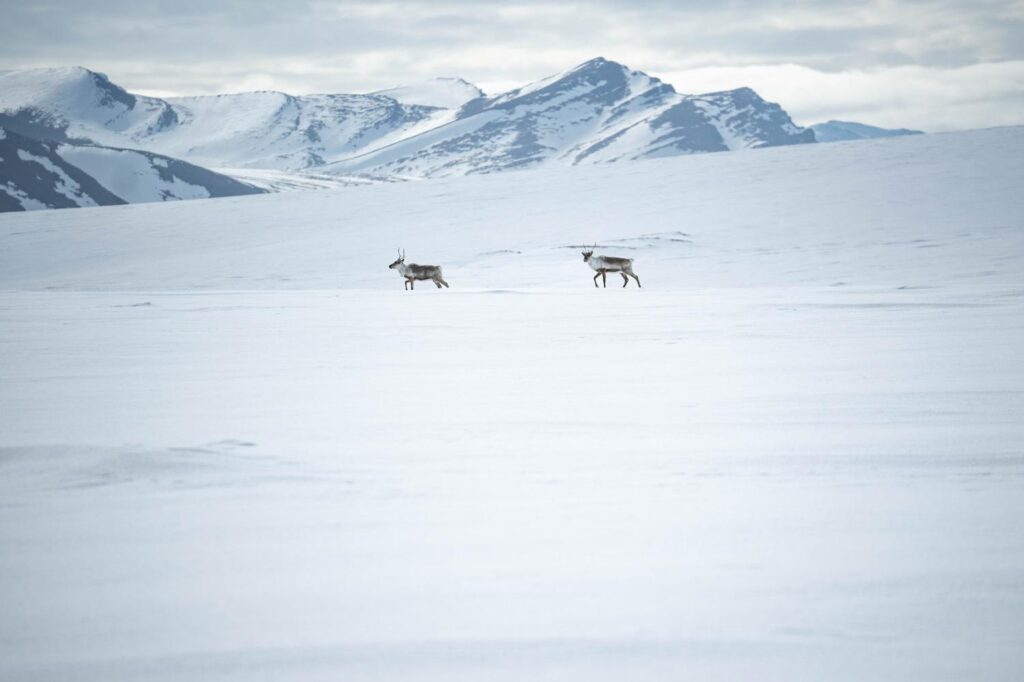
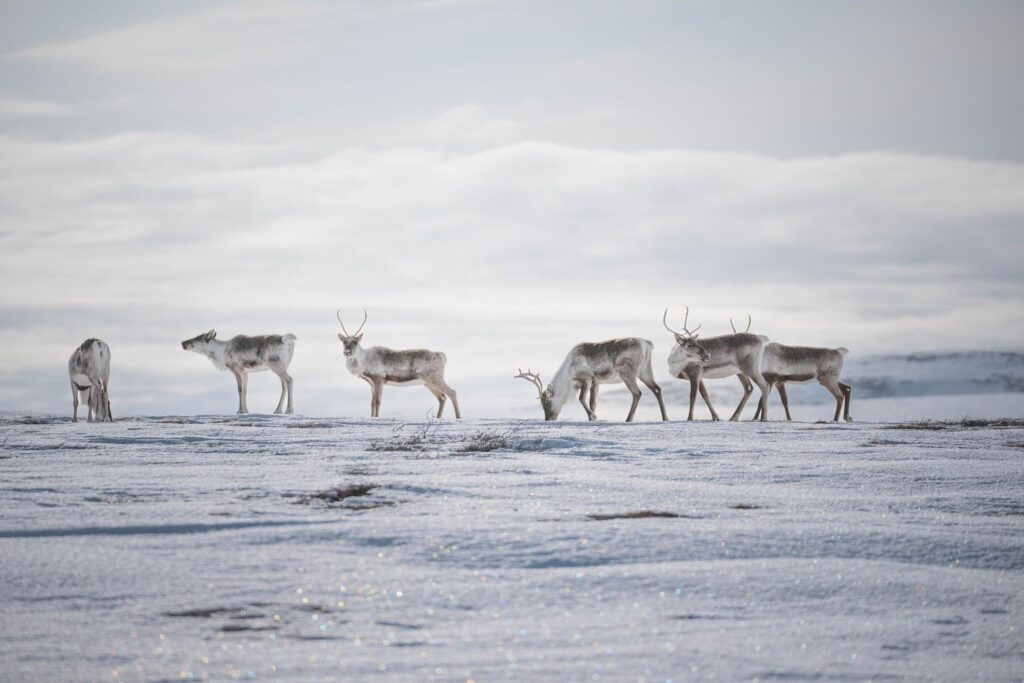
The North Slope of Alaska remains a "sacred" and fragile landscape, home to caribou herds and ancient geological features that have remained unchanged for millennia. However, the work of Dr. Gleason and her colleagues makes it clear that this region is currently in a state of profound flux. As the flux tower continues to transmit data from its remote perch, it serves as a sentinel, providing the world with a clearer picture of the invisible threats rising from the thawing earth. The ultimate goal of the project is to ensure that the magic and biodiversity of the Arctic are preserved through a combination of rigorous science and informed, urgent action.

