
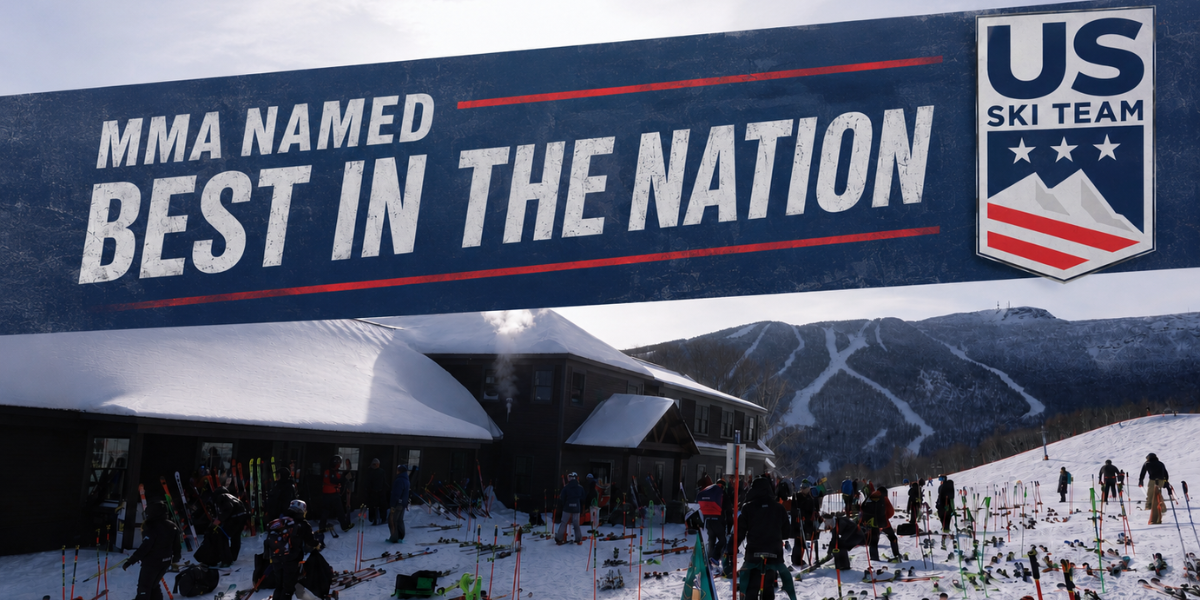
Stowe, VT – Mt. Mansfield Academy (MMA), a revered institution nestled at the base of Vermont’s iconic Mt. Mansfield, has achieved a pinnacle of recognition in American ski racing, being named U.S. Ski & Snowboard’s Club of the Year in both Alpine and Overall categories for the current season. This dual honor, coupled with its consistent Gold Certified Club status – one of the highest distinctions within the organization’s robust club development system – underscores MMA’s enduring impact on athlete development and the broader ski racing community. The accolades are not merely a testament to elite competitive results but reflect nearly a century of unwavering commitment to holistic athlete development, coaching consistency, academic excellence, and a deeply ingrained community-driven culture that has positioned MMA as one of North America’s most respected programs.
A Legacy Forged in Time: Decades of Dedication and Development
Founded in 1934, MMA’s journey predates much of modern organized ski racing, evolving from its nascent roots into a sophisticated full-time academy. This long-standing history provides a unique lens through which to view its recent triumphs. The "Club of the Year" recognition from U.S. Ski & Snowboard, the national governing body for Olympic skiing and snowboarding, signifies a program that excels across multiple stringent criteria, including athletic performance, coaching quality, safety standards, financial stability, and community engagement. For MMA, this honor validates a foundational philosophy rooted in patience, passion, and a steadfast belief in long-term athlete growth, rather than a singular focus on immediate podium finishes.
Executive Director Igor Vanovac articulates this guiding principle, stating, "Recognition like this is really a byproduct of doing the daily work the right way over a long period of time." This sentiment resonates deeply with the academy’s leadership, a collective that includes Junior Program Director Micheline Lemay, Athletic Director Andrew Gannon, U16 Head Coach Lorant Gudasz, and Head of School Lori Furrer, alongside a dedicated team of coaches and faculty. Their collective efforts have cultivated an environment where athletes are nurtured from their earliest experiences on snow through to elite international competition. Vanovac emphasizes, "We have continued to believe in a long-term approach to athlete development rather than chasing short-term success. The program has grown, expectations have grown, and results have grown, but we have stayed committed to development."
The MMA Pipeline: From Stowe to the World Stage
The success of MMA’s developmental pipeline is evident in the trajectory of its alumni and current athletes. Olympian Ryan Cochran-Siegle, a prominent figure in U.S. ski racing, remains one of MMA’s most recognizable graduates, embodying the potential for sustained excellence fostered within the program. His journey from the slopes of Stowe to the Olympic stage serves as an inspiration and a tangible benchmark for aspiring racers.
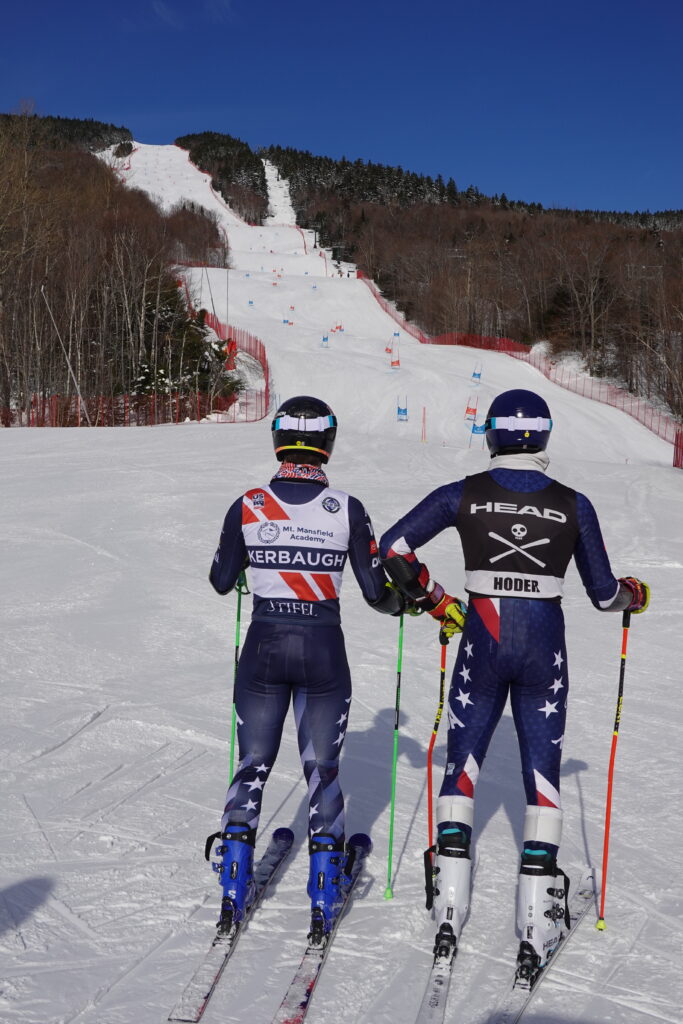
Beyond established stars, current athletes continue to demonstrate the effectiveness of MMA’s approach. Maxi Hoder, a testament to the academy’s patient development model, recently earned a coveted World Cup slalom start after an impressive second-place finish in the NorAm slalom standings. The NorAm Cup series, a crucial stepping stone for North American athletes aiming for the World Cup circuit, demands consistent high-level performance across a season, making Hoder’s achievement particularly noteworthy. Similarly, MMA alumnus John Kerbaugh further solidified this trajectory by earning a place on the highly competitive U.S. Ski Team this season, a direct reflection of the academy’s ability to prepare athletes for the sport’s highest echelons.
At the younger levels, MMA’s influence is equally profound. U16 standouts Hugo Vanovac and Vivi Hermsdorf represented the United States at AlpeCimbra, an event widely regarded as the premier international U16 race series globally. Their participation at such a prestigious junior event highlights MMA’s success in identifying and cultivating talent from a young age, preparing them for the rigors of international competition while instilling a love for the sport.
Andrew Gannon, who joined MMA this season after a distinguished career founding and leading Plymouth State’s NCAA Division I ski program, sees this recognition as a powerful affirmation of his decision. "There are very few places that remain truly community-oriented, and for me, I’m a total community person," Gannon remarked, underscoring the communal spirit that differentiates MMA in an increasingly competitive athletic landscape.
A Program Built on Patience, Not Pressure
In an era often characterized by intense early specialization and the relentless pursuit of immediate results, MMA consciously champions a divergent path. This philosophy, deeply embedded in its coaching methodology, prioritizes comprehensive athlete development over fleeting victories. "The strength of the program is not really focusing on the quick result," U16 Head Coach Lorant Gudasz elaborated. "It’s developing the athletes fully and being patient with the process."
The remarkable ascent of Maxi Hoder serves as a compelling narrative illustrating this patient approach. While recognized for his talent, Hoder was not initially pegged as an undeniable prodigy within the U.S. development system. Yet, through years of dedicated effort, perseverance, and a deep-seated belief in his potential, he steadily progressed, ultimately breaking onto the international scene. Micheline Lemay, Junior Program Director, describes his journey with admiration: "His story is such a cool story. He stuck with it and he kept working hard and he believed."
For MMA’s educators and coaches alike, Hoder’s trajectory is a powerful validation of the academy’s long-term vision: to cultivate athletes who remain genuinely connected to the sport through an intrinsic love of skiing, all while fostering their growth as students and individuals. Lemay encapsulates this holistic view: "Ski racing teaches athletes so much through every experience. The athletes who continue to grow in the sport are the ones who truly love skiing." This perspective ensures that athletes develop resilience, problem-solving skills, and a lifelong appreciation for outdoor activity, far beyond the confines of race gates.
The Academic Edge: Nurturing Well-Rounded Individuals
What truly distinguishes MMA is its unwavering commitment to balancing athletic achievement with rigorous academic growth. The individualized approach that supports athletes on the mountain extends seamlessly into the classroom. Here, students benefit from a flexible yet challenging academic environment, carefully designed to accommodate the demands of elite competition without compromising educational standards. This integrated model is critical for student-athletes who often face extensive travel schedules and intense training regimes.
Head of School Lori Furrer highlights the unique educational framework: "Our model has been a bit different than other programs through the years. Although we believe strongly in what we have built, it is rewarding to have that recognized from outside." A cornerstone of this model is the seamless communication and collaboration between teachers and coaches. The academy’s intimate size facilitates close coordination of academic schedules, travel plans, and individualized support for each student-athlete.
"Teachers and coaches can easily connect on individuals," Furrer explains. "We coordinate race schedules with teachers planning around the times students are in the building." This collaborative ethos is particularly vital during challenging periods. Furrer notes, "When a student-athlete is struggling, it typically shows both on the hill and in the classroom. Those conversations turn into a plan for the support they need to succeed in both areas." This comprehensive support system extends to areas like mental health and sport psychology, which have become increasingly integral to holistic athlete development in modern ski racing.
Academic commitment and rigor remain central to MMA’s identity. Many students engage in Advanced Placement (AP) level coursework, demonstrating the high academic standards upheld by the institution. Furthermore, MMA proactively prepares younger athletes for the complexities of balancing academics and travel at the FIS (International Ski Federation) level. By teaching essential time management and independent learning skills early on, the academy equips students for the demands of continuing their coursework while competing internationally. "We prepare students early for the demands of continuing coursework while traveling," Furrer affirms. The small class sizes foster deep, lasting relationships between students and faculty, often influencing students’ post-ski racing college paths and career choices. "We frequently see students choose college paths based on experiences they’ve had here with specific teachers," she adds, underscoring the profound impact of MMA’s educational environment.
The Foundation Starts Young: Cultivating Lifelong Skiers
Much of MMA’s comprehensive developmental philosophy begins long before athletes fully enroll in the academy’s full-time program. Micheline Lemay, who has expertly directed MMA’s junior programs for over two decades, oversees athletes from ages seven through eleven. These formative years are considered critical not only for shaping future ski racers but also for cultivating lifelong skiers with a genuine love for the sport.
Lemay’s guiding principle for the junior program is encapsulated in her "safety, fun, and fundamentals" tagline. "First, kids need to feel safe and know how to navigate the mountain. Then they can start to have fun," she emphasizes. This approach ensures a positive initial experience, building confidence and competence before introducing the competitive aspects of racing. Development at MMA extends far beyond gates and race results; coaches meticulously emphasize sportsmanship, emotional growth, teamwork, and resilience alongside technical skiing skills. "I’m a huge component of whole child development," Lemay states. "I put a lot of energy into the social emotional side of children, sportsmanship, respect, preparedness."
This holistic approach is woven into the daily fabric of the program. Younger athletes are actively encouraged to explore various aspects of the mountain – skiing bumps, venturing into the woods, navigating variable terrain, and engaging in extensive free skiing – long before a heavy focus on structured racing takes hold. The mountain itself, Stowe Mountain Resort, plays an indispensable role in this developmental process. "Stowe in and of itself is such an incredible playground," Lemay enthuses. "The terrain does a lot of the teaching." Gudasz echoes this sentiment, "We always say the best coach on the hill is actually the hill. It’s the playground where kids develop their skillset." This organic, play-based learning environment fosters adaptability, creativity, and a profound connection to the natural environment.
A Cohesive Community: The Enduring Strength of MMA
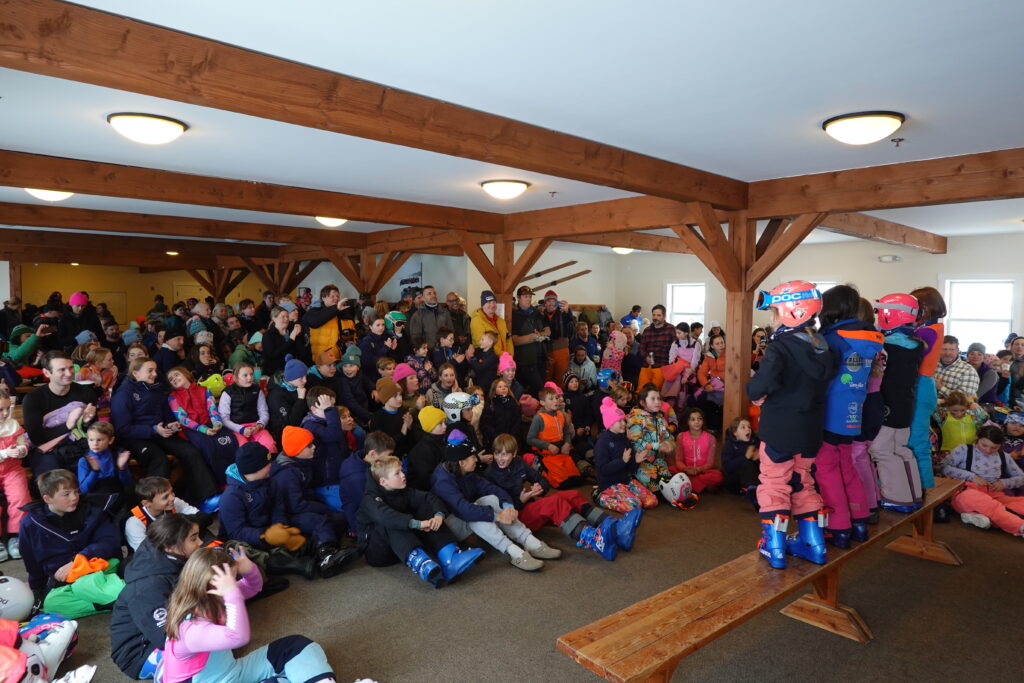
One of MMA’s most distinctive and enduring strengths lies in the remarkable continuity of its coaching staff and the deep reservoir of ski racing knowledge that permeates the entire program. Gudasz and Vanovac, for instance, have dedicated nearly two decades to meticulously building the academy’s systems and athlete pathways. Andrew Gannon’s recent arrival further enriched this expertise, bringing additional invaluable experience from collegiate and elite development levels.
"The goal is to keep the program high quality while maintaining that small community focus," Gannon asserts. "That’s what makes this place special." This community extends beyond the core staff, encompassing former World Cup athletes, highly accomplished coaches, and local ski racing legends who remain deeply involved. Olympians and former national team athletes regularly contribute their insights, providing younger racers direct access to generations of invaluable experience and mentorship.
Gudasz highlights this unique dynamic: "When I say community, that’s what I mean. There’s a lot of knowledge in town and everyone supports athlete development." For Lemay, this robust community network often provides the crucial support system that helps athletes navigate the inherent challenges and demanding nature of ski racing. "Sometimes it can be a really challenging sport," she reflects. "But the friendships and team dynamics are such a huge part of it."
This supportive ecosystem now spans multiple generations. Many former athletes return to MMA to coach, eager to impart their wisdom and passion to the next generation. Others are now enrolling their own children into the academy, a powerful testament to the program’s enduring positive impact. "I had Maxi since he was six years old," Lemay recounts, illustrating the deep, long-term relationships forged at MMA. "Now I’m seeing athletes who grew up in the program bringing their own kids here." Gannon firmly believes that this unparalleled continuity and generational engagement is what truly sets MMA apart from many contemporary development programs. "It’s not just about the kids who make the U.S. Ski Team," Gannon emphasizes. "Every athlete who comes through this organization has a meaningful connection to the program." He adds, "Whether athletes go to college, the U.S. Ski Team, or somewhere else, they always come back here," illustrating the profound sense of belonging and loyalty MMA inspires.
Evolving with Modern Ski Racing: Innovation and Adaptation
While MMA’s foundational developmental philosophy remains steadfastly rooted in patience and passion, the academy has simultaneously demonstrated a remarkable capacity to evolve and adapt to the increasingly sophisticated demands of modern ski racing. Over the past two decades, MMA has undergone significant expansion, transforming from a winter-term program into a comprehensive, full-time academy. This evolution includes the establishment of dedicated strength and conditioning facilities, the implementation of year-round programming, and the integration of advanced athlete monitoring systems.
"We evolved from a winter term program to a full time program," Gudasz confirms. "Strength and conditioning is now a must." Today, MMA athletes engage in structured offseason training regimens, undergo movement screening, utilize remote conditioning platforms, and participate in year-round athletic development designed not only to optimize performance but also to mitigate injury risk and cultivate long-term durability. This scientific approach ensures that athletes are physically prepared for the intense demands of competitive ski racing.
Academically, the school has paralleled these athletic advancements. "There has been quite the development in academics at MMA through the years," Furrer notes. "From a small winter term school to a program that offers a variety of options to meet the needs of many, we are definitely not stagnant." Each year, faculty members meticulously review course offerings and craft individualized academic plans that best support student-athletes in balancing their increasingly demanding race schedules with rigorous academic expectations. "Time-management has to be the focus for both staff and students," Furrer explains. "We have to mesh the academic expectations with the ever-increasing race schedules of our students."
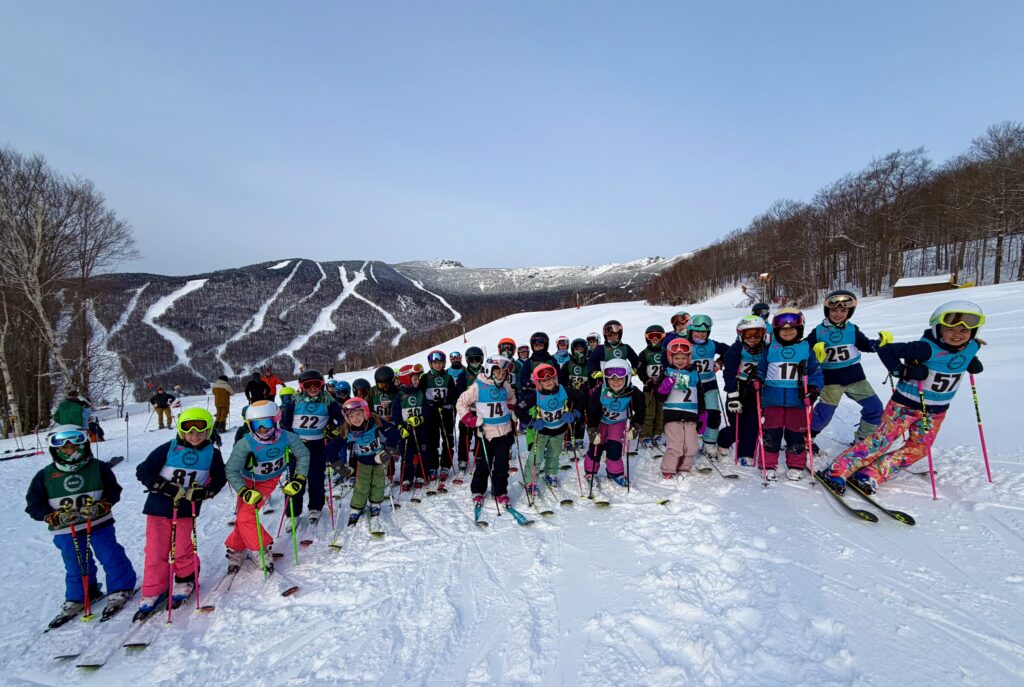
Even as training methodologies have grown more sophisticated and data-driven, MMA continues to prioritize balance, perspective, and mental wellness. This holistic view ensures that athletes do not become consumed solely by results. "What I’m seeing now is kids truly enjoying skiing again," Gannon observes. "They want to be here all the time. It’s not just putting boots on and running gates – they genuinely love being on snow." This emphasis on intrinsic joy is crucial for long-term engagement and success in a high-pressure sport.
Looking Ahead: Sustaining Excellence and Inspiring Future Generations
For Mt. Mansfield Academy, the U.S. Ski & Snowboard Club of the Year recognition is not viewed as a culmination but rather as a powerful affirmation of the unique environment the program has meticulously cultivated over decades. It is a moment to acknowledge past achievements while galvanizing efforts for the future. "The goal is to continue building a program that develops great student-athletes, but also great people who stay connected to skiing and the sport for life," Vanovac articulates, outlining a vision that transcends competitive outcomes.
Gannon echoes this forward-looking perspective: "In a small organization, we can still do big things. We want athletes to flourish not only because of success, but because of the joy of skiing." This emphasizes the importance of intrinsic motivation and a love for the sport as key drivers of sustained engagement and performance.
For Lori Furrer, the award also provides a valuable platform to share MMA’s broader narrative, extending beyond the mere tabulation of race results. "I think the value comes in the opportunity for us to tell our story – nothing fancy or philosophical, just who we are, what we do, and what our student-athletes have accomplished," she states. This allows the academy to showcase its comprehensive approach and the myriad ways it enriches the lives of its students.
Perhaps most critically, MMA strives to instill in its students the profound understanding that ski racing, while a significant part of their journey, does not exclusively define their identity or potential. "I always hope our students become independent learners, self-advocates, have an awareness of the world around them and are good human beings," Furrer reflects. "Critical is to ensure they know that ski racing does not define them – they have much to contribute beyond their results."
As a new generation of aspiring athletes emerges from the storied slopes of Stowe, the foundational principles that have guided Mt. Mansfield Academy for nearly a century remain unwavering: patient development, passionate coaching, steadfast academic commitment, and a vibrant community united by an abiding love for skiing. After more than 90 years, this time-tested formula continues not only to produce elite ski racers but, more importantly, to shape exceptional individuals prepared for life’s diverse challenges.

