
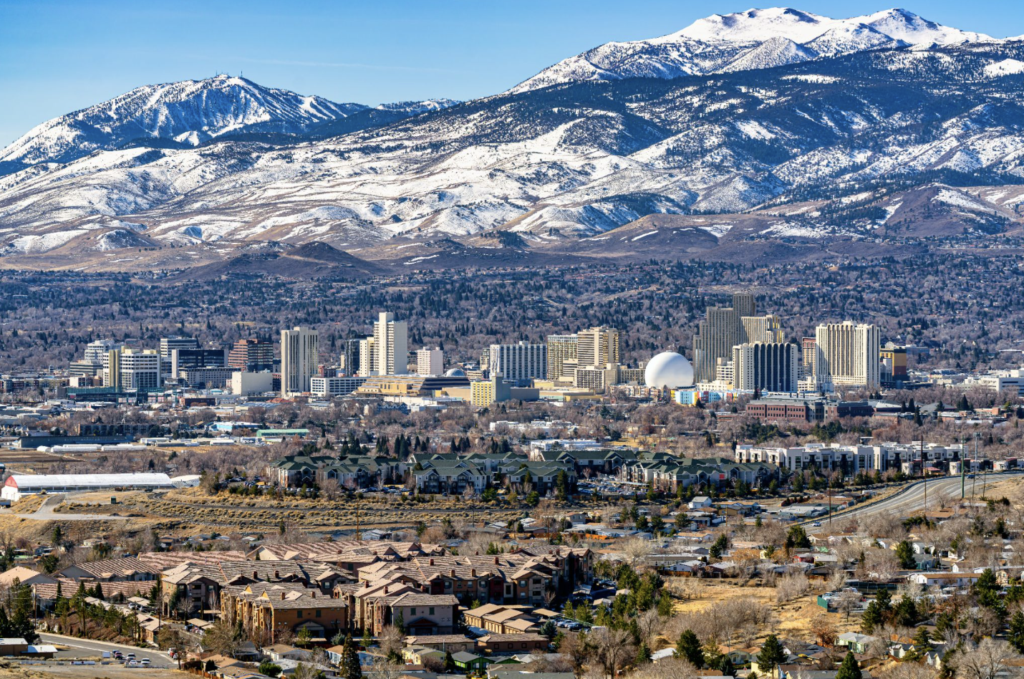
The city of Reno, Nevada, has become a focal point for localized climate action following the successful advancement of the Trego Battery Energy Storage System (BESS). This 200-megawatt (MW) infrastructure project represents a significant milestone in the state’s transition toward a decarbonized electrical grid. Designed to capture and store surplus renewable energy for use during periods of peak demand, the Trego BESS is projected to provide enough power to support approximately 68,000 households. The project’s progress highlights a growing trend of community-led advocacy overcoming traditional barriers to renewable energy infrastructure, such as regulatory delays and local opposition.
The Trego project emerges at a critical juncture for Nevada’s energy landscape. As the state pursues aggressive renewable portfolio standards, the integration of large-scale storage has become a technical necessity. By providing a buffer between energy generation and consumption, the Trego BESS aims to reduce the strain on the regional grid, lower the risk of outages during extreme weather events, and facilitate the retirement of fossil-fuel-based "peaker" plants.
Technical Specifications and the Role of LFP Technology
The Trego BESS is engineered to address the inherent intermittency of renewable energy sources like solar and wind. In Nevada, where solar generation is abundant during daylight hours, the grid often faces a "duck curve" scenario—a significant drop in net load during the day followed by a sharp spike in demand as the sun sets. The 200-MW capacity of the Trego facility allows it to absorb excess solar energy during the afternoon and discharge it into the grid during the evening peak.
A distinguishing feature of the Trego project is its utilization of Lithium Iron Phosphate (LFP) battery technology. Unlike traditional lithium-ion batteries that rely on Nickel Manganese Cobalt (NMC) chemistries, LFP batteries are increasingly favored for stationary storage applications due to their superior thermal and chemical stability. LFP batteries are less prone to "thermal runaway"—a condition where a battery enters an uncontrollable self-heating state—making them a safer alternative for installations located near residential or environmentally sensitive areas.
Furthermore, LFP technology offers a longer cycle life and does not require the use of cobalt, a material often associated with significant ethical and environmental concerns in the global supply chain. For local residents and stakeholders, the choice of LFP chemistry was a pivotal factor in mitigating concerns regarding fire safety and long-term environmental impact.
Economic Impact and Regional Development
The economic implications of the Trego BESS extend beyond the immediate energy sector. Projections indicate that large-scale battery storage projects generate substantial economic activity within their host communities. According to industry data utilized by advocates during the approval process, these projects can generate approximately $14 million in economic activity for every 5 megawatts of capacity. For a 200-MW project like Trego, the potential total economic impact could exceed $560 million over the life of the project.
This economic stimulus is distributed through several channels:
- Construction and Labor: The development phase requires specialized labor, including electrical engineers, heavy equipment operators, and technicians, many of whom are sourced from local trade unions.
- Tax Revenue: Large-scale energy installations provide a consistent stream of property tax revenue for municipal and county governments. These funds are often earmarked for public services, including schools, emergency services, and infrastructure maintenance.
- Supply Chain Demand: Local businesses, ranging from hardware suppliers to hospitality services for contractors, benefit from the increased commercial activity associated with the project’s multi-year development timeline.
Community Advocacy and the Overcoming of NIMBYism
The success of the Trego BESS is largely attributed to a concerted effort by local advocates and scientists to address public concerns. Infrastructure projects of this scale often face "Not In My Backyard" (NIMBY) sentiment, characterized by local opposition based on fears of property value depreciation, aesthetic changes, or perceived safety risks.
In Reno, the Protect Our Winters (POW) alliance and local community members took a proactive approach to the public hearing process. Among the key figures was Dr. Anne Nolin, a Snow Hydrologist and Professor in the Geography Department at the University of Nevada, Reno. As a member of the POW Science Alliance, Dr. Nolin’s involvement provided a bridge between technical expertise and community concerns.
Initially, even proponents of clean energy expressed questions regarding the safety and necessity of the battery installation. However, through a process of transparent information sharing and public testimony, the narrative shifted from one of uncertainty to one of empowerment. Dr. Nolin and other community members participated in public hearings, providing evidence-based support for the project. They argued that local infrastructure is the "front line" of climate action and that the risks of inaction—such as continued reliance on carbon-intensive energy and grid instability—far outweigh the localized impact of a storage facility.
Chronology of Project Development
The path to the Trego BESS approval followed a structured regulatory timeline common to major energy developments in the Western United States:
- Phase 1: Site Selection and Environmental Review: Developers identified the Trego site based on its proximity to existing transmission lines and its minimal impact on local ecosystems. Environmental assessments were conducted to ensure the project complied with state and federal regulations.
- Phase 2: Technical Design and Safety Permitting: Engineers finalized the transition to LFP technology, specifically addressing the safety concerns raised by local planning boards.
- Phase 3: Public Comment and Community Engagement: This phase involved a series of town hall meetings and public hearings where residents voiced concerns regarding noise, visibility, and safety.
- Phase 4: Advocacy Mobilization: Organizations like POW mobilized "outdoor advocates" and local professionals to testify in favor of the project, countering opposition with data-driven arguments about economic benefits and grid reliability.
- Phase 5: Approval and Implementation: Following the strong showing of community support, local decision-makers moved forward with the necessary zoning and building permits, clearing the way for construction.
Broader Implications for Nevada’s Energy Goals
The Trego BESS is a vital component of Nevada’s broader strategy to achieve its Renewable Portfolio Standard (RPS). Under Senate Bill 358, signed into law in 2019, Nevada is mandated to source 50% of its electricity from renewable sources by 2030, with a long-term goal of net-zero emissions by 2050.
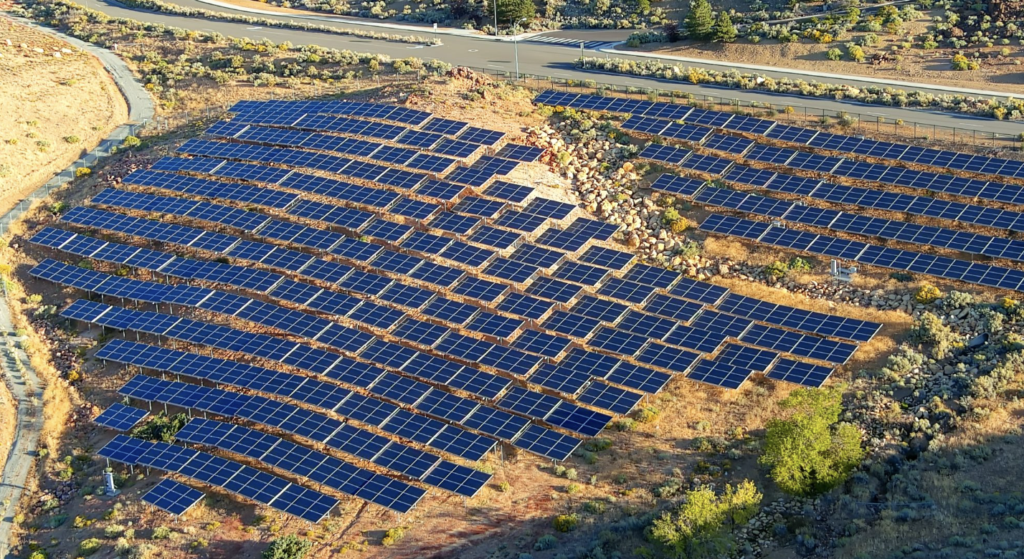
To reach these targets, the state must overcome significant logistical hurdles. Nevada has some of the best solar resources in the nation, but without massive increases in storage capacity, the grid cannot absorb the volume of energy produced during peak solar hours. The Trego project serves as a blueprint for how other municipalities can integrate high-capacity storage into their local grids.
Analysts suggest that the "Reno model"—characterized by the involvement of local scientific experts and outdoor industry advocates—could be replicated in other Western states facing similar challenges. By framing clean energy infrastructure not just as a global necessity but as a local economic and safety benefit, advocates are finding new ways to secure approval for essential projects.
Analysis: The Future of Distributed Energy Storage
The advancement of the Trego BESS signals a shift in the American energy transition. For years, the focus remained on generation—building massive wind farms and solar arrays. However, the current bottleneck in the transition is the "midstream" of the energy sector: storage and transmission.
Without projects like Trego, the United States risks a scenario where renewable energy is "curtailed" (wasted) because the grid cannot handle the surge in supply. The 200-MW capacity of this project represents a significant step toward a more resilient, decentralized grid. Furthermore, the use of LFP batteries suggests a maturing market where safety and sustainability are prioritized over raw energy density.
As the Trego project moves toward its operational phase, it will serve as a live test case for the integration of large-scale LFP storage in high-desert environments. Its success will likely influence future investments by utility providers such as NV Energy and independent power producers across the Great Basin.
In conclusion, the Trego Battery Energy Storage System is more than a technical installation; it is a testament to the efficacy of local organizing. By combining scientific literacy with community mobilization, Reno has demonstrated that the path to a clean energy future is paved through local government chambers and public hearings. For Nevada, and for the rest of the country, the Trego project stands as a reminder that the transition to renewable energy is as much a social and political process as it is a technical one.

