
The 2025-2026 snow season across the Western United States has concluded as one of the most volatile and meteorologically concerning periods in recent history, characterized by a phenomenon researchers are describing as a "snow drought" driven by record-breaking temperatures rather than a lack of precipitation. While the region experienced near-average moisture levels in several states, the absence of sustained cold prevented the accumulation of a stable snowpack, leading to a "hot mess" that disrupted the winter tourism economy and raised significant alarms regarding summer water security. As the region transitions into the warmer months, hydrologists and climate scientists are evaluating the long-term implications of a winter where the traditional "frozen reservoir" failed to materialize, leaving major river basins vulnerable to early-season shortages.
A Season of Disrupted Expectations: The 2025-2026 Chronology
The winter began with a sense of cautious optimism among water managers and outdoor enthusiasts, but that sentiment quickly eroded as the primary accumulation months unfolded. The trajectory of the season was defined not by a lack of storms, but by the temperature of those storms. In many high-altitude regions where snow typically anchors the landscape by November, precipitation fell as rain or "winter mix," failing to create the necessary base for ski operations and spring runoff storage.
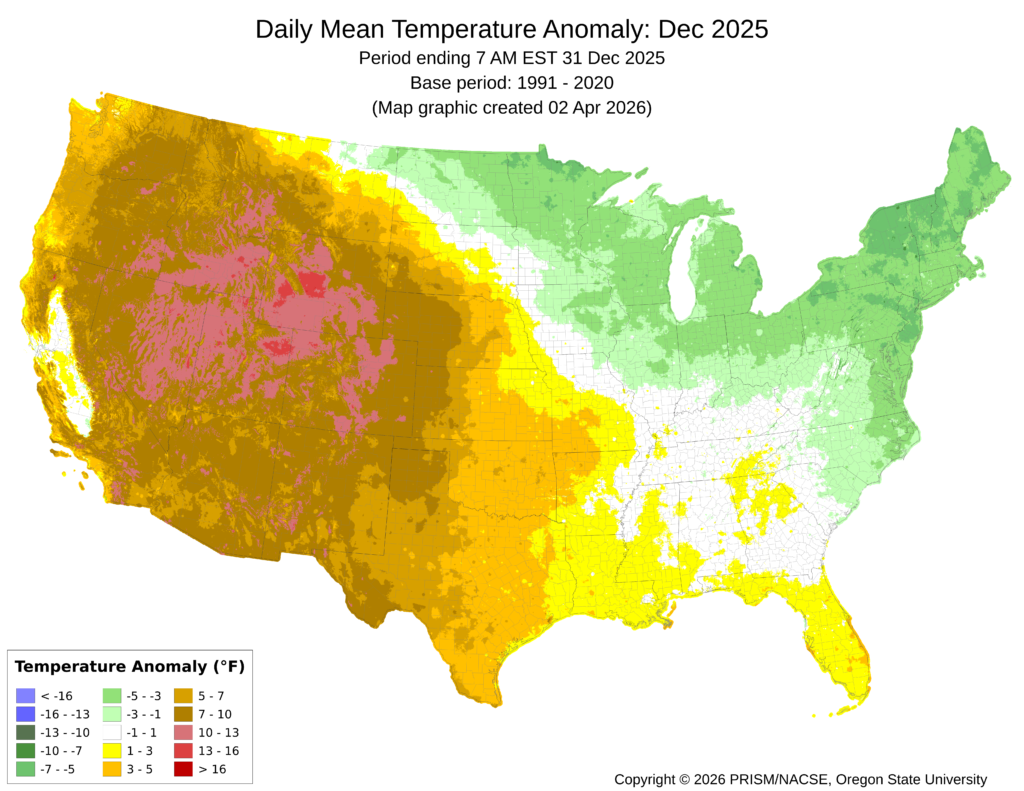
By December 2025, the situation transitioned from concerning to catastrophic for the winter recreation industry. Data from the PRISM Climate Group indicated that much of the Western United States experienced temperature anomalies ranging from 5 to 15 degrees Fahrenheit above historical averages. This unprecedented warmth during a critical month for snowpack development resulted in what many resort operators described as a "nightmare" scenario. Traditional opening dates were pushed back repeatedly. Initially, operators aimed for the New Year’s holiday, then Martin Luther King Jr. Day, and eventually President’s Day weekend. In many instances, full operations were not achieved until the spring break period, by which time the window for a profitable season had largely closed.
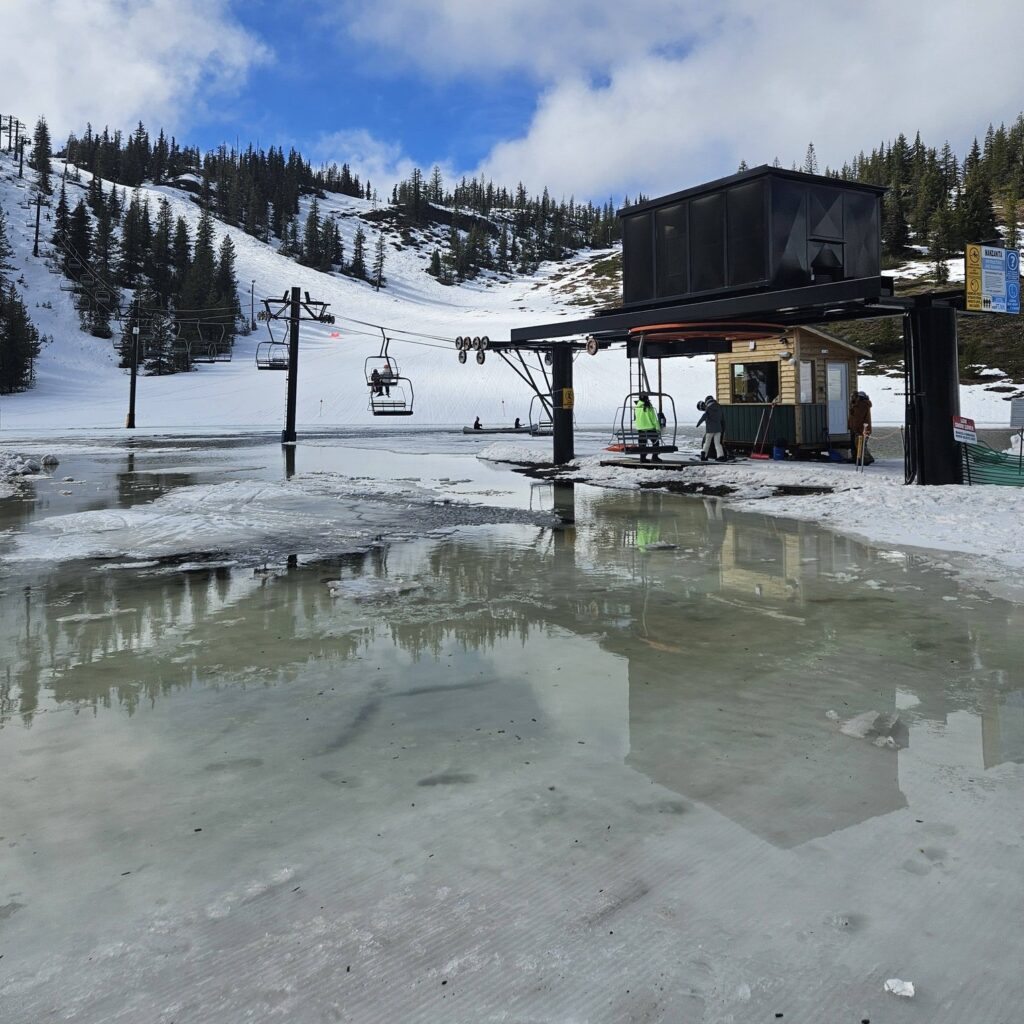
The mid-March period provided a visual testament to the season’s instability. At the Hoodoo Ski Area on Oregon’s Santiam Pass, an unscheduled "pond skim"—an event usually reserved for the final days of the season in late April or May—occurred naturally due to rapid melting and rain-on-snow events. This premature melt-out became a recurring theme across the Cascades, the Sierra Nevada, and the Northern Rockies.
Meteorological Breakdown: The Role of Temperature Anomalies
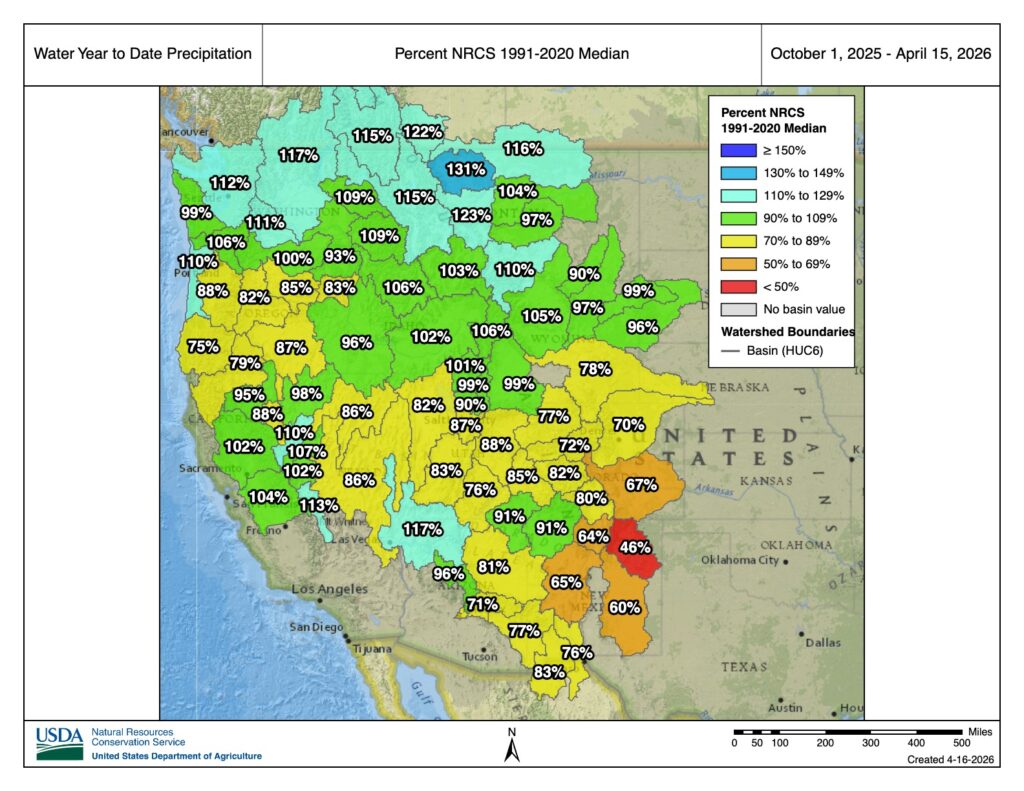
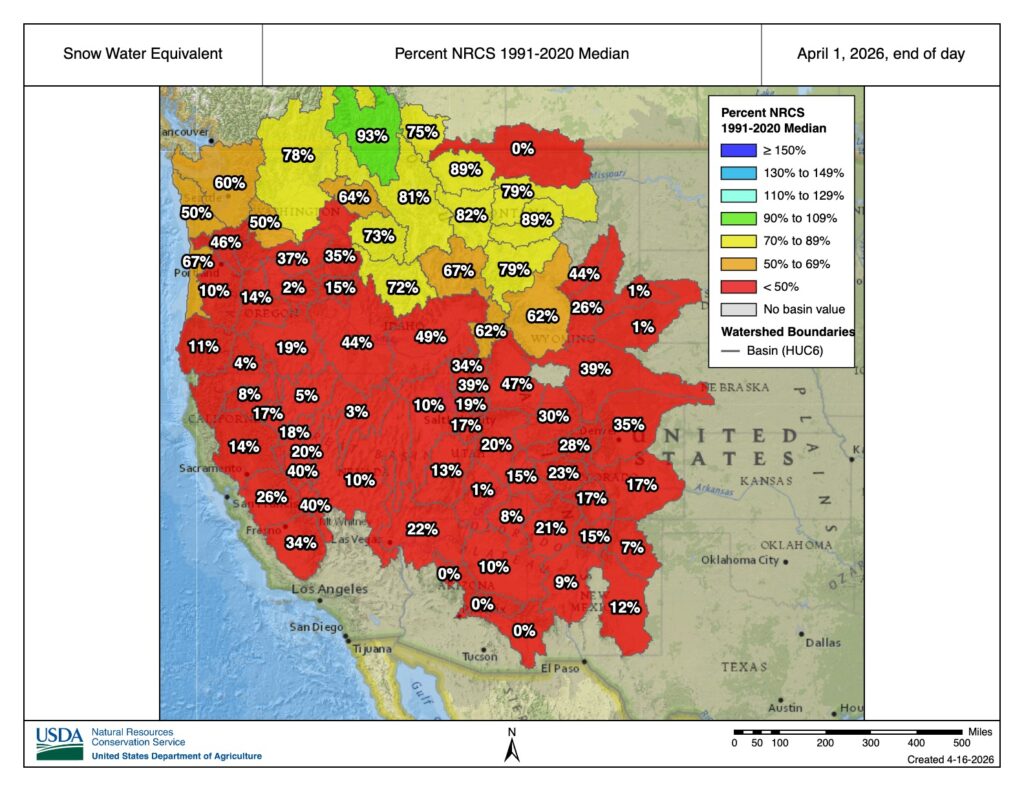
To understand the 2025-2026 season, analysts point to the "recipe" for snow: a combination of moisture and cold. According to the Natural Resources Conservation Service (NRCS), the "wet" component of the equation was relatively stable. The 2025-2026 water year precipitation, measured as a percentage of the average over the period of record, showed a divided but not entirely dry West. Oregon, Utah, and Colorado ran slightly below average, while northwest Wyoming, Montana, Idaho, and Washington actually trended slightly wet.
The "smoking gun" for the failed snowpack was the persistent warmth. The atmospheric conditions prevented the moisture from freezing and staying frozen. While the Northeast and Upper Midwest of the United States saw temperatures up to 5 degrees Fahrenheit below average, the West remained trapped under a ridge of high pressure that funneled warm Pacific air into high-elevation basins.
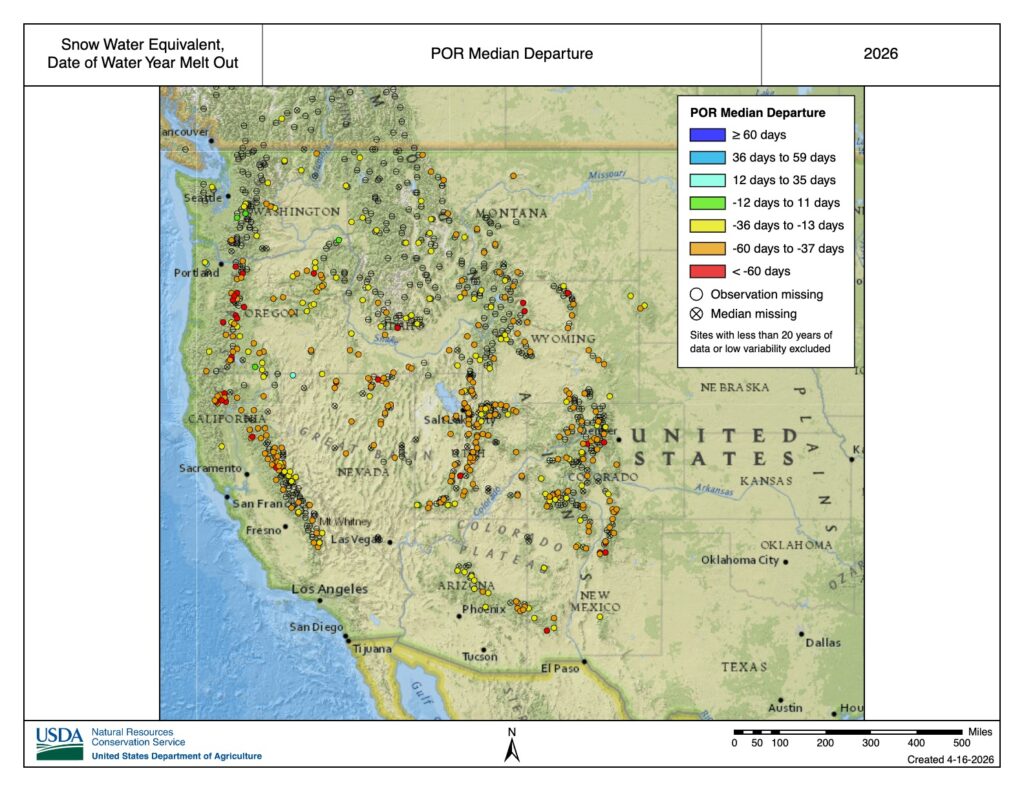
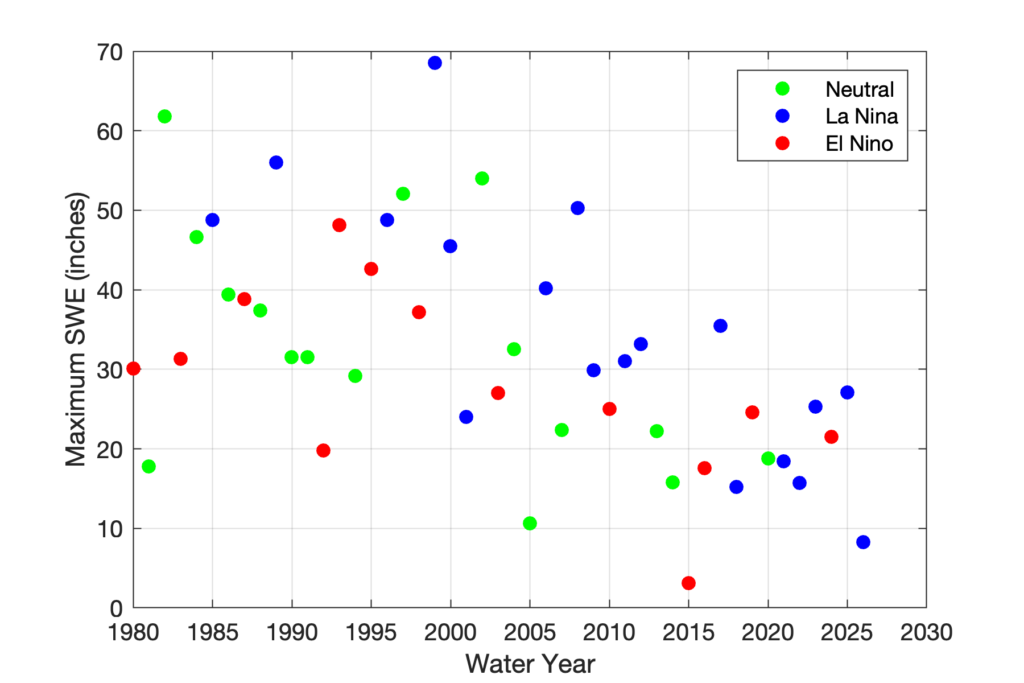
By the critical benchmark of April 1—the date typically used to measure peak Snow Water Equivalent (SWE)—the data revealed a grim reality. Many observation stations across the West posted their lowest peak SWE values in the past 45 years. In some jurisdictions, the snow had vanished entirely by mid-April. These "snow-off" dates occurred not just days or weeks early, but in some cases, two full months ahead of schedule.
The Hydrologic Reservoir: Snow as Vital Infrastructure
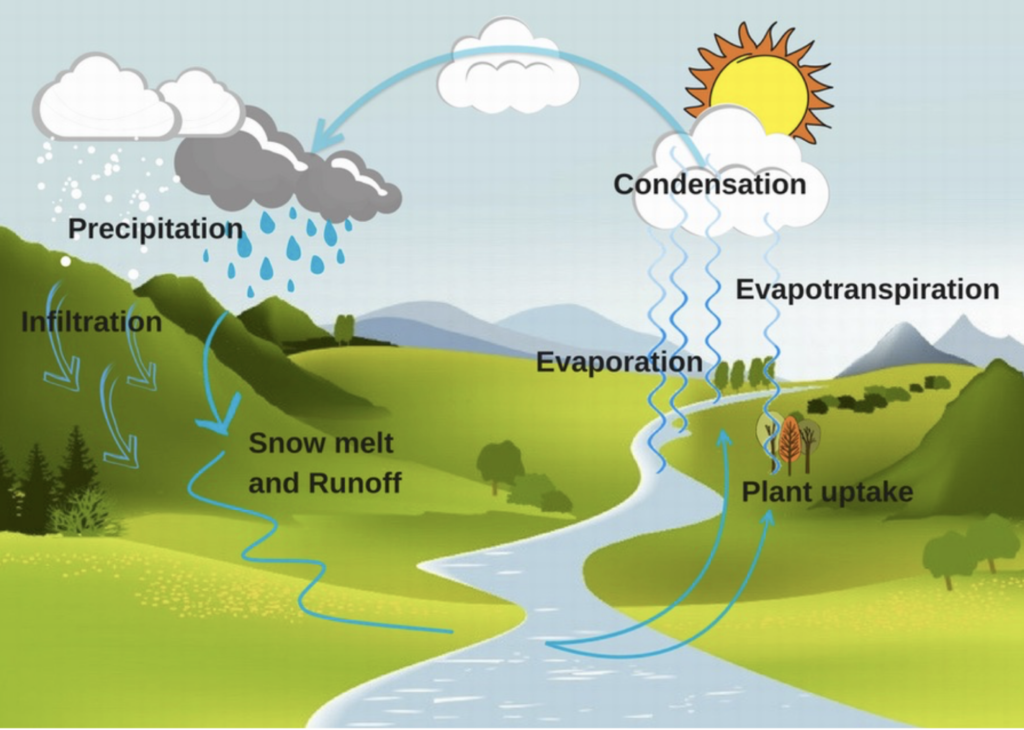
The loss of a robust snowpack is more than a disappointment for the ski industry; it represents a failure of the region’s most significant water storage system. To contextualize the importance of snow, scientists often look at the broader hydrologic cycle. Although Earth is often called the "Blue Planet," the amount of freshwater available for human use is remarkably small. If all the water on Earth were gathered into a sphere, its diameter would be only 40% of the moon’s. Once saltwater, polar ice caps, and deep inaccessible groundwater are removed, less than one-hundredth of one percent of Earth’s water is available to support daily human needs.
In the Western United States, the seasonal snowpack acts as a massive, distributed reservoir. It stores water during the wet winter months and releases it slowly during the dry summer months. This natural "lag" between precipitation and runoff is essential for several reasons:
- Flood Mitigation: By holding water in solid form, the snowpack prevents massive volumes of liquid runoff from overwhelming river systems during winter storms.
- Stream Temperature Regulation: The slow melt of high-altitude snow ensures a steady supply of cold water to rivers throughout the summer, which is critical for the survival of salmon, trout, and other aquatic species.
- Agricultural Supply: The timing of the snowmelt traditionally aligns with the peak demand for crop irrigation in late spring and early summer.
Estimates suggest that the amount of water stored as snow in the contiguous United States at its peak is approximately five times the capacity of Lake Mead, the nation’s largest man-made reservoir. When the snowpack fails, the burden of water storage shifts entirely to man-made infrastructure, which was not designed to operate without the assistance of natural high-elevation storage.
Case Study: The Colorado River Basin and Lake Mead
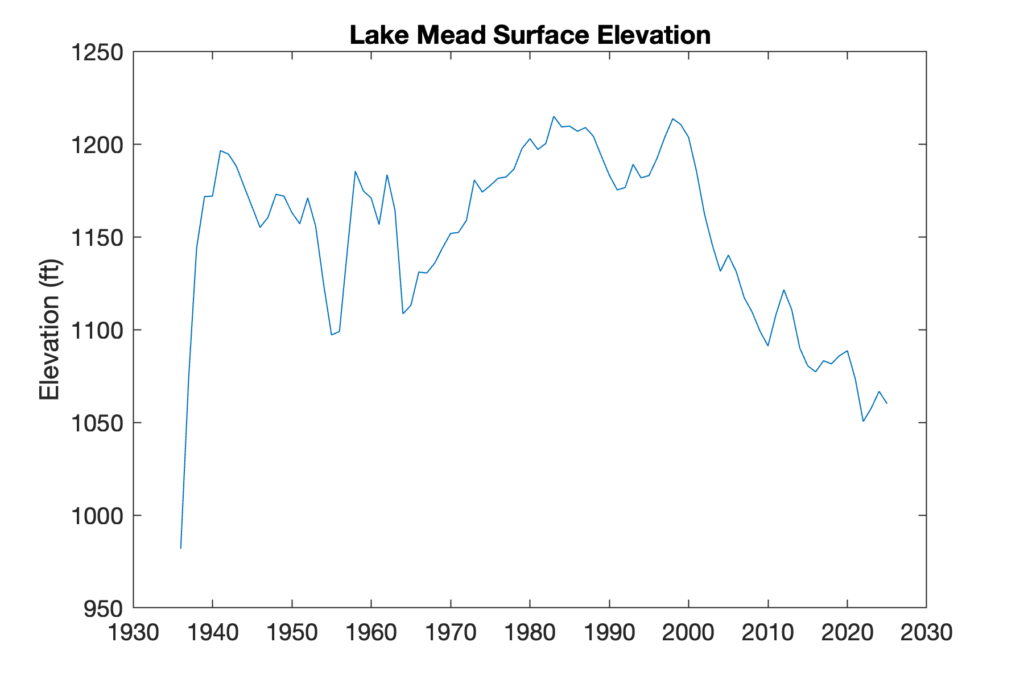
The implications of the 2025-2026 snow drought are most visible in the Colorado River Basin, a system that provides water to nearly 40 million people and supports billions of dollars in agricultural output. Years of consecutive dry conditions and rising temperatures have already depleted Lake Mead and Lake Powell to historic lows.
The 2025-2026 season has intensified the urgency of negotiations among the seven basin states (Arizona, California, Nevada, Colorado, New Mexico, Utah, and Wyoming). With the April 1 SWE values at a tiny fraction of the average, the projected inflow to Lake Mead is expected to be significantly below the thresholds required to maintain current allocation levels. Water managers are now facing "increasingly urgent conversations" about how to distribute the dwindling runoff among municipal users and farmers. The "insurance policy" provided by the snowpack has essentially been canceled for the 2026 calendar year, leaving the region reliant on dwindling surface reservoir levels.
Scientific Analysis and Long-Term Trends
Dr. David Hill, a professor at Oregon State University and a National Geographic Explorer, notes that while the 2025-2026 season was an extreme outlier, it fits into a broader, more concerning trend. "Snow is unpredictable and highly variable across many different time scales," Hill observed in his analysis of the season. He emphasizes that while "feast or famine" cycles are a natural part of the Western climate, the long-term trend shows that snowpacks are dwindling in both volume and duration.
The 2025-2026 season is what climate scientists call a "temperature-dominated" snow drought. In the past, low snow years were usually the result of low precipitation. However, in a warming climate, the West is increasingly seeing years where precipitation is normal, but it simply isn’t cold enough to keep it on the ground. This shift fundamentally alters the timing of the water cycle.
Data from the Hogg Pass SNOTEL site in Oregon serves as a representative example of this volatility. While annual maximum SWE has always fluctuated, the frequency of "low-tide" years has increased, and the recovery periods—the "booms" following the "busts"—are becoming less frequent or less robust.
Broader Impact and Economic Implications
The economic fallout of the 2025-2026 season extends far beyond the ticket windows of ski resorts. The winter tourism industry in the West is a multi-billion dollar driver of rural economies. When resorts pause operations or close months early, the impact ripples through hotels, restaurants, transportation services, and retail sectors.
Furthermore, the early melt-out poses a severe wildfire risk. When the snow vanishes two months early, the high-elevation vegetation and timber begin to dry out much sooner. This extends the "fire season," providing a longer window for ignitions to occur in desiccated fuels. State forestry departments and federal agencies are already bracing for an aggressive fire season, noting that the moisture received in the winter has already evaporated or run off, leaving the landscape parched before the heat of July and August arrives.
Conclusion: Navigating a New Hydrologic Reality
As the Western United States moves into the summer of 2026, the "glass half full" perspective offered by some analysts is being tested. While it is true that one record-breaking bad year can be followed by a record-breaking good year, the structural changes in the climate are making the "good years" harder to come by.
The 2025-2026 season serves as a stark reminder that the region’s water infrastructure, legal frameworks for water rights, and economic dependencies are all built on the assumption of a reliable winter freeze. As that freeze becomes less certain, the need for adaptive management, increased conservation, and a deeper understanding of snow-water resources becomes a matter of regional survival. The "hot mess" of 2025-2026 may not be a one-off anomaly, but rather a preview of the challenges that will define the next century of life in the American West.

