
As the global travel industry continues to witness a shift in mountain tourism, the transition from winter sports to year-round alpine engagement has become a focal point for major European and North American resorts. In June 2026, seasoned ski journalist James Cove arrived in Åre, Sweden, marking the beginning of an extensive summer itinerary that includes the European Alps, the Canadian Rockies, and the coastal paths of the United Kingdom. This shift highlights a growing trend among outdoor enthusiasts who, traditionally drawn to the snow-covered slopes of the winter season, are increasingly seeking the solitude and physical challenge of the mountains during the summer months. While Cove has historically spent his summers glacier skiing in the Alps or pursuing winter conditions in the Southern Hemisphere—including Australia, New Zealand, and South America—his focus has shifted toward high-altitude hiking, a segment that is experiencing unprecedented growth in Scandinavia’s largest ski resort.
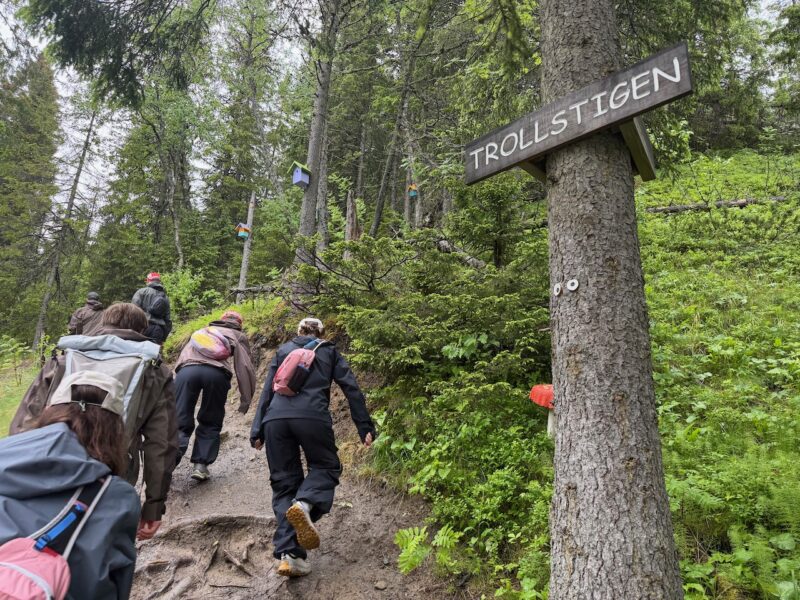
The Cultural and Historical Landscape of Åre’s Trails
The summer season in Åre offers a stark contrast to its bustling winter identity. The resort, which serves as a cornerstone of Swedish mountain culture, is currently leveraging its vast trail network to attract a different demographic of travelers. One of the primary entry points for summer visitors is the "Trail of the Trolls," a route that transitions quickly from the village center into the steep, lush terrain characteristic of the Jämtland region. The trail serves as a gateway to more significant landmarks, such as Nalleklippan, or "The Teddybear Ledge."
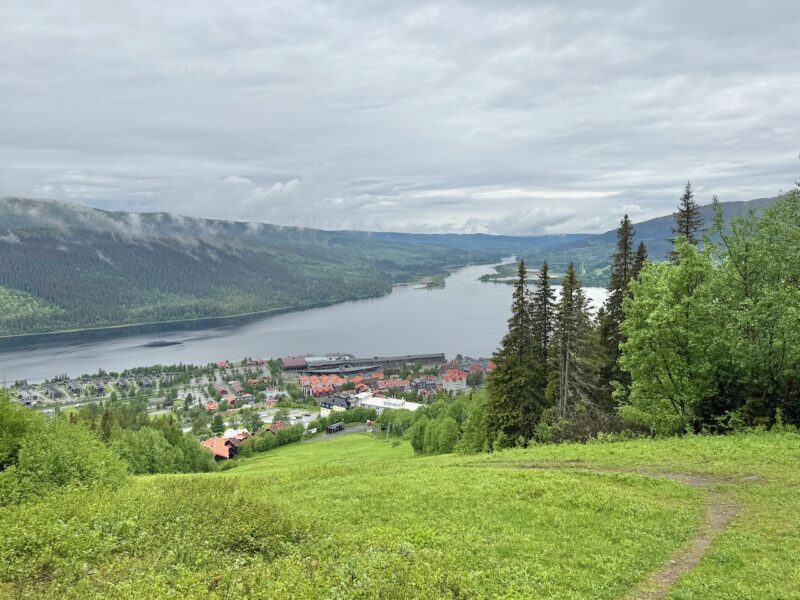
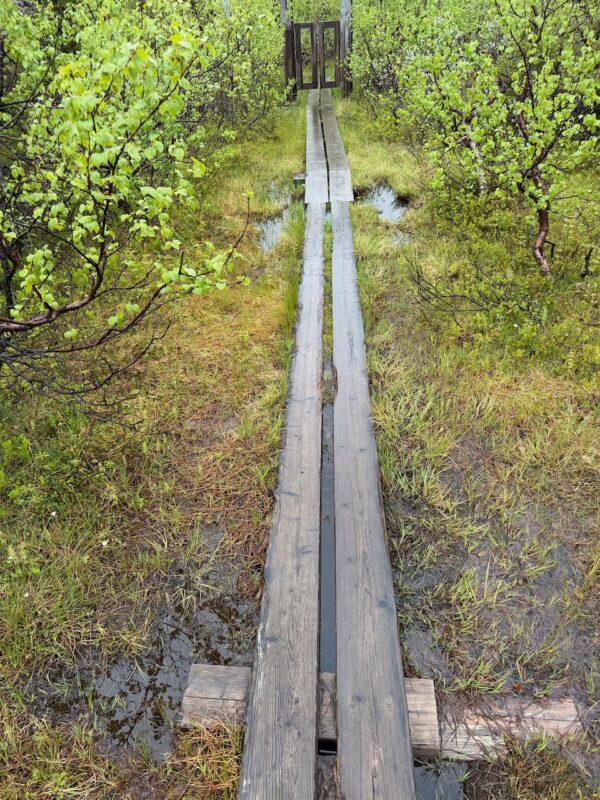
The history of Nalleklippan provides a window into the early 20th-century origins of mountain tourism in the region. Named in 1908 by local hotelier Ture Marcus, the ledge honors Erik "Nalle" Frestadius, a frequent visitor to Åre during the Belle Époque of Scandinavian travel. The nickname "Nalle," which translates to "teddybear" in Swedish, reflects the personal and often communal history of these mountain paths. For modern hikers, these landmarks offer more than just a scenic vista; they represent a century of human engagement with the Swedish wilderness. Despite the prevalence of modern infrastructure, the experience remains dictated by the elements. On June 11, 2026, the region experienced steady, gentle rainfall, a common occurrence in the subarctic climate that necessitates specialized equipment and the use of boardwalks to navigate the saturated terrain.
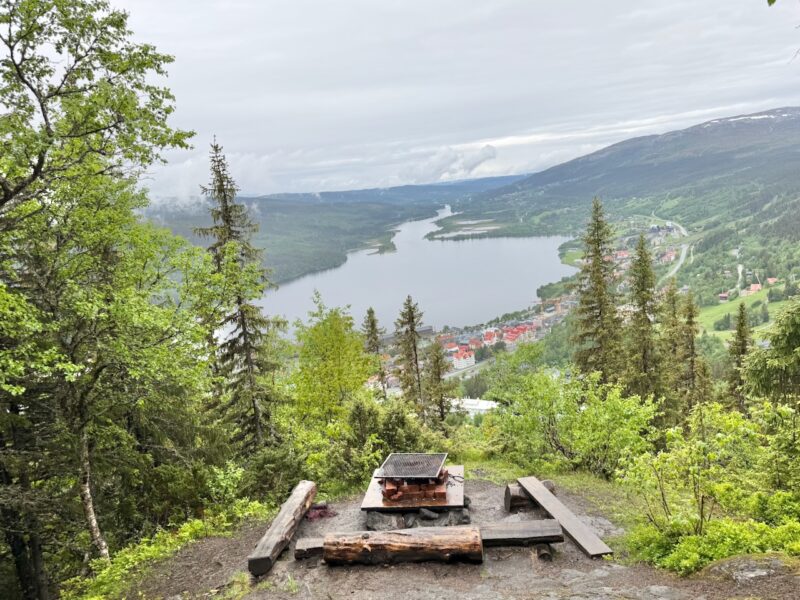
Infrastructure and the "Ghost Town" Phenomenon
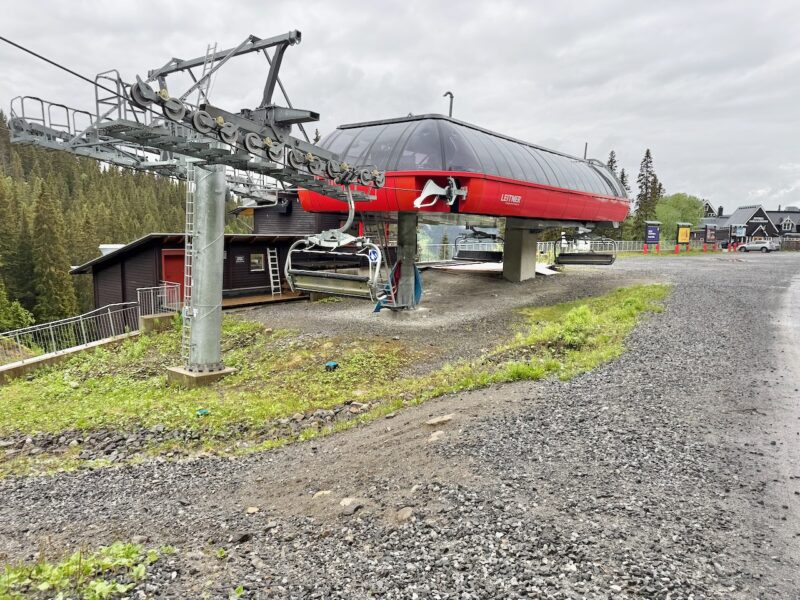
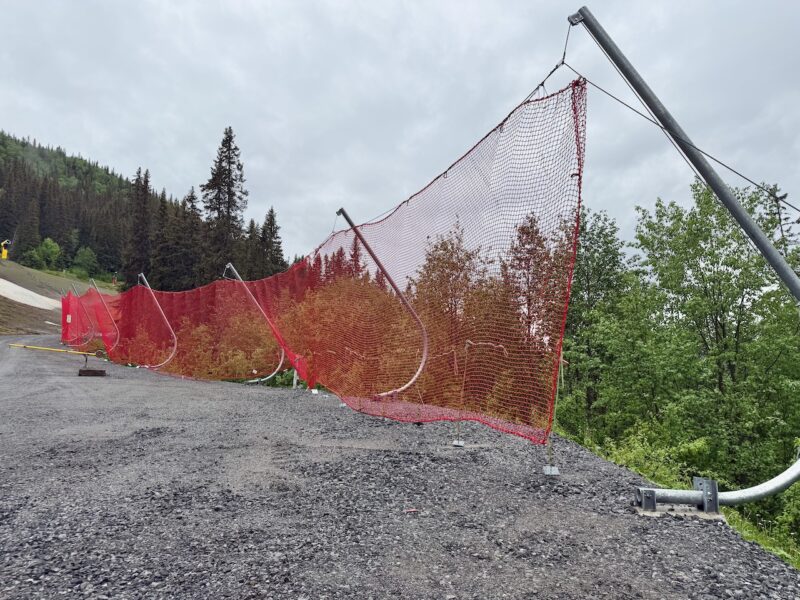
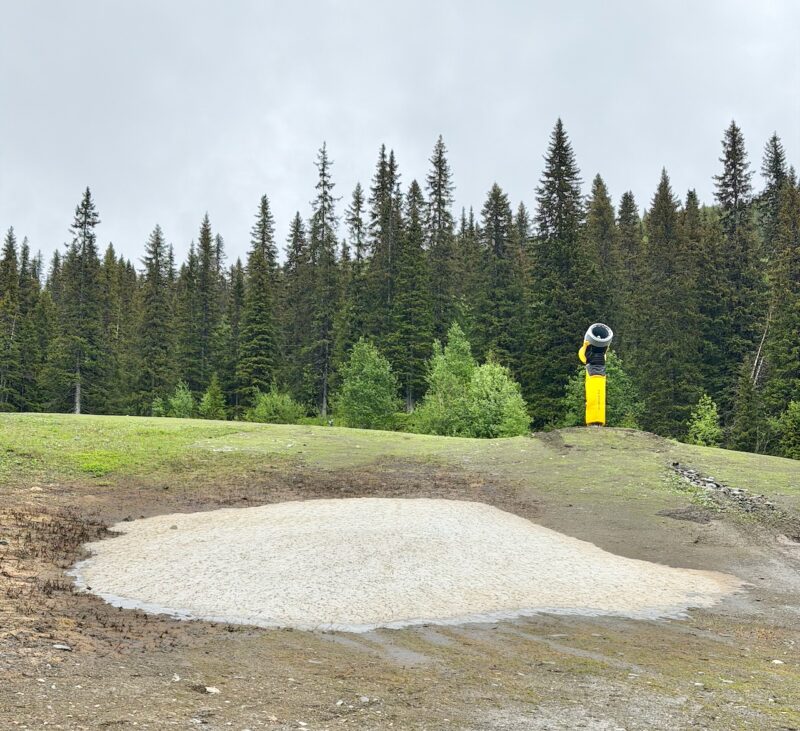
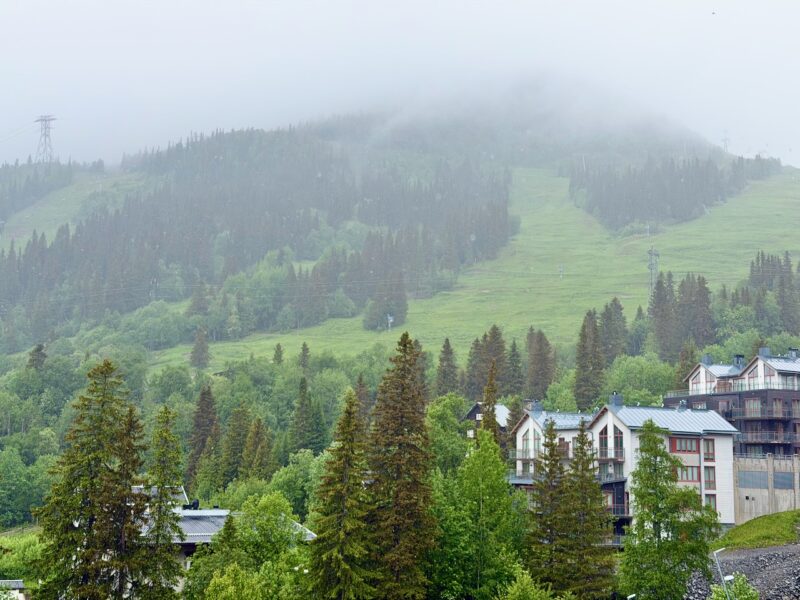
A recurring observation for those who visit ski resorts in the off-season is the atmospheric "ghost town" quality of the landscape. In June, the massive mechanical infrastructure of Åre—including its 42 ski lifts and the only cable car in Sweden—sits silent. This silence, however, provides a unique perspective on the scale of the resort. Åre boasts the largest vertical drop in Scandinavia, descending nearly 900 meters from the summit to the shores of Lake Åresjön.
The presence of a cable car is often regarded as a benchmark for a resort’s vertical significance. In Scandinavia, this distinction is shared only with Voss in Norway, a member of the "Norway – Home of Skiing" collective. The scale of Åre is further evidenced by its 89 slopes and two snowparks, the latter designed in collaboration with Olympic medalist Jesper Tjäder. During the summer, these areas become a canvas for the imagination, where the absence of snow allows for a detailed inspection of the terrain that attracts thousands of skiers and snowboarders each winter. The infrastructure remains a testament to the World Championship-level events the resort has hosted, even as the focus shifts to mountain biking and alpine trekking.
Expert Guidance: The Perspective of Henrik Windstedt
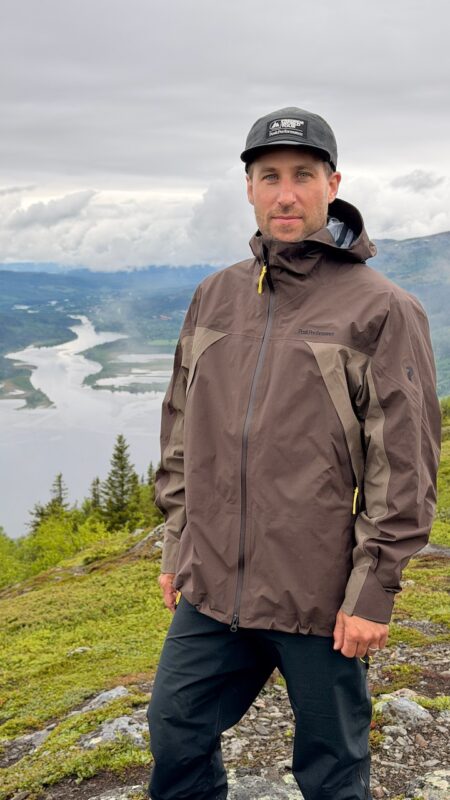
To navigate the complexities of the Åre backcountry, Cove was accompanied by Henrik Windstedt, a figure synonymous with modern Swedish skiing. As a four-time winner of the Freeride World Tour, Windstedt represents the pinnacle of professional mountain sports. His transition into summer guiding reflects a broader trend among professional athletes who view the mountains as a singular, year-round entity rather than a seasonal playground.
Windstedt emphasizes the versatility of the Swedish trail system, which caters to both casual day-hikers and serious expeditioners. "There are fabulous trails here in Åre, whether you want a hike of a couple of hours or to embark on a multi-day trip where you can stay in cabins or simply camp wild," Windstedt noted during the ascent. He highlighted the purity of the environment, noting that the mountain streams provide fresh, potable water—a hallmark of the Swedish "Allemansrätten" (the right of public access) which encourages a deep, respectful connection with nature. Windstedt also pointed out the geographical uniqueness of the resort, noting that unlike many other Scandinavian destinations, Åre features distinct high-altitude and low-altitude zones, creating diverse ecosystems and microclimates within a relatively small radius.
The Business of the Outdoors: Peak Performance’s 40th Anniversary
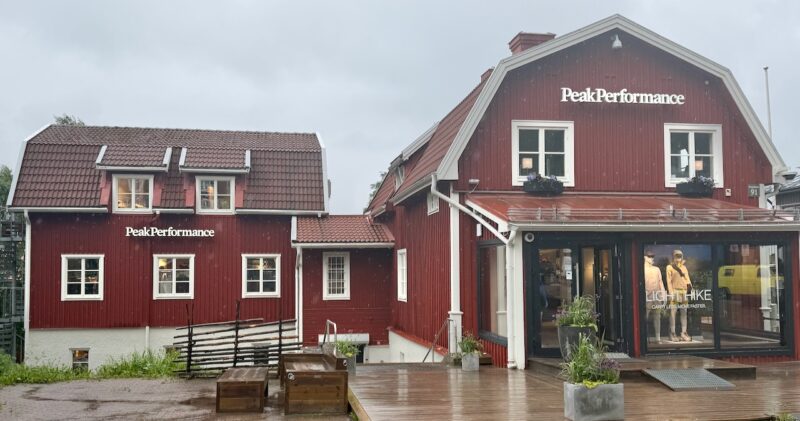
The evolution of Åre is inextricably linked to the commercial success of Peak Performance, the Scandinavian clothing brand founded in the village in 1986. As the company celebrates its 40th anniversary in 2026, its trajectory serves as a case study for the broader outdoor industry. Founded by a group of skiers—including Stefan Engström, who now resides in Zermatt, Switzerland—the brand began in a single shop with the goal of creating functional, aesthetically pleasing ski wear.
Four decades later, the company has evolved into a global leader under the ownership of Amer Sports. However, the most significant shift in its business model is not related to snowsports. According to Sebastian Saksson, the regional area manager for Scandinavia and the UK, the brand’s fastest-growing category is now summer outdoor wear. "Hiking gear is seeing our biggest growth and has enormous potential as more people embrace the outdoors in the summer," Saksson stated.

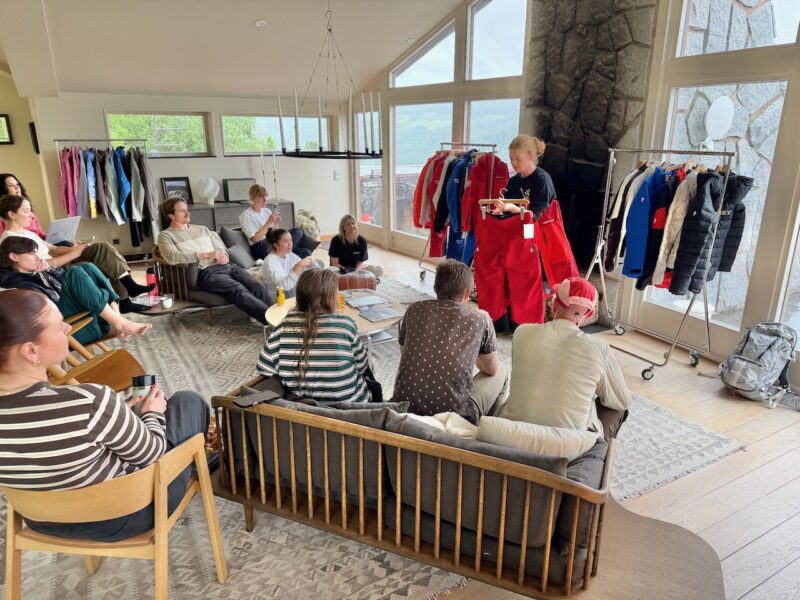
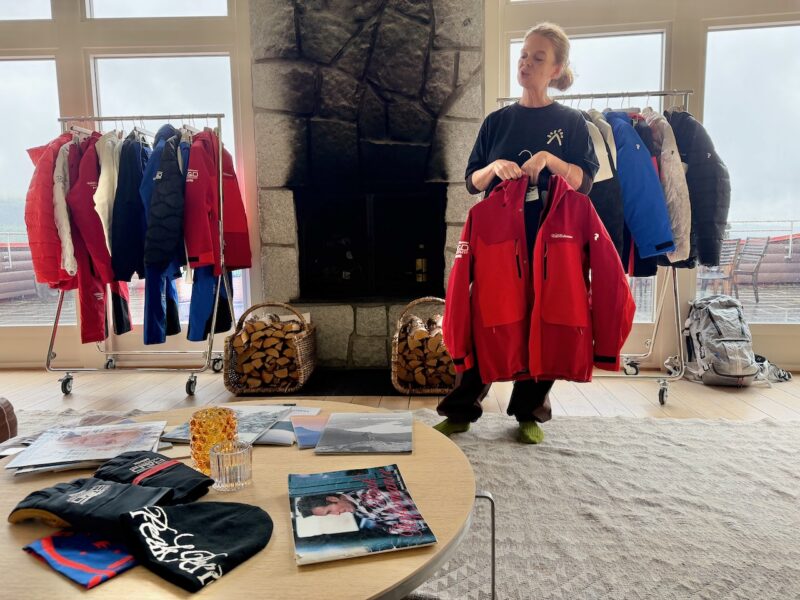
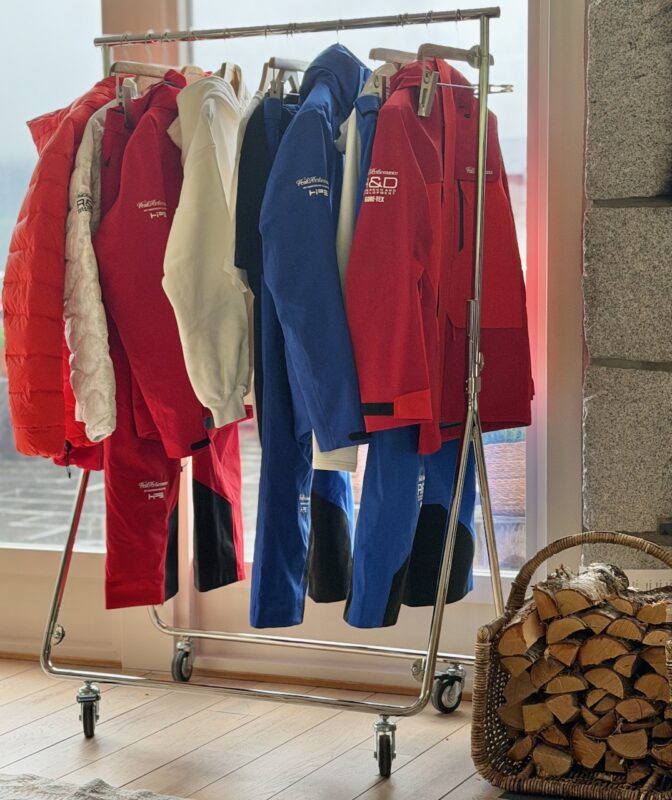
This commercial pivot reflects a wider market reality: the "summerization" of the mountain economy. As climate change impacts the reliability of winter seasons in certain regions, brands and resorts are diversifying their offerings. Peak Performance’s 2026/27 winter collection, which was previewed to a select group of international journalists in Åre, continues to push the boundaries of technical apparel, but the emphasis on versatile, year-round hiking gear is what is currently driving the company’s expansion.
Comparative Analysis and Regional Impact
When comparing Åre to other global destinations, the resort holds a unique position. While James Cove identifies Zermatt, Switzerland, as his premier choice for skiing—a sentiment shared by Peak Performance co-founder Stefan Engström—Åre’s appeal lies in its rugged, accessible wilderness and its status as a regional powerhouse. The resort’s ability to maintain high-capacity infrastructure in a northern latitude gives it a competitive edge in the Scandinavian market.
The summit of Totthummeln, sitting at 828 meters, may seem modest compared to the 4,000-meter peaks of the Valais Alps, but the prominence of the terrain and the proximity to the Arctic Circle create a demanding environment. The economic impact of summer tourism in Åre is significant, providing a stabilized year-round income for local businesses, hotels, and mountain guides. This sustainability is crucial for mountain communities that have historically struggled with the boom-and-bust cycle of seasonal tourism.
Chronology of Summer 2026 Mountain Tourism Trends
The 2026 summer season is proving to be a landmark year for alpine trekking. The chronology of Cove’s journey reflects a broader movement:
- Early June: The commencement of the Scandinavian season, focusing on the lush, water-rich environments of Sweden and Norway.
- Late June to July: A shift toward the high Alps (Switzerland, France, and Italy), where traditional glacier skiing is increasingly being replaced by high-altitude trail running and technical climbing.
- August: The peak of the North American season, with the Canadian Rockies seeing record numbers of international visitors seeking "cool-cation" destinations to escape extreme heat in lower latitudes.
- September: The focus moves to the UK’s coastal and downland paths, such as the South Downs Way and the South West Coastal Path, as travelers seek milder autumnal conditions.
Broader Implications for the Future of Mountain Travel
The observations from Åre suggest that the future of mountain tourism is rooted in diversification. The reliance on a "white gold" economy—dependent entirely on snowfall—is being replaced by a more resilient model that values the mountain landscape in all its seasonal forms. For resorts like Åre, this means investing in mountain bike parks, hiking trail maintenance, and summer festivals.
Furthermore, the rise of "slow travel" and the pursuit of "clean" environments (fresh water, unpolluted air) are becoming primary drivers for the modern traveler. As Henrik Windstedt observed, the ability to drink from a mountain stream and breathe "cool and clean mountain air" is no longer a peripheral benefit but a core product. As James Cove continues his journey through the Alps and the Rockies, the lessons from Åre—a blend of historical reverence, professional athletic insight, and strategic commercial evolution—will likely serve as a blueprint for the global mountain industry in the years to come. The "Trail of the Trolls" is more than just a path up a hill; it is a symbol of a resort, and an industry, in the midst of a successful and necessary transformation.

