
The meteorological landscape of the European Alps has undergone a dramatic transformation during the final week of May 2026, shifting from an unseasonably cool and snowy spring into a period of intense heat. Following a first half of May characterized by significant snowfall at high altitudes, a powerful high-pressure system has moved across Central Europe, driving temperatures upward and pushing the freezing level to heights exceeding 4,000 meters. This rapid warming is fundamentally altering the snowpack on the continent’s remaining glacier ski areas, signaling an early transition from wintry conditions to the slushy, solar-affected terrain typical of mid-summer.
The sudden shift comes after a period of optimism for the alpine industry. Earlier in the month, fresh accumulations of snow provided a late-season boost to high-altitude resorts, offering conditions that many experts described as "excellent" and "wintry." However, the current dominance of high pressure has introduced a period of sustained solar radiation and warm air masses, which are now impacting the four remaining glacier ski areas still operational in the Alps.
Meteorological Analysis: The 4,000-Meter Freezing Level
In alpine meteorology, the freezing level—the altitude at which the temperature reaches zero degrees Celsius—is a critical indicator of snow stability and preservation. A freezing level of 4,000 meters is exceptionally high for late May, as it places even the highest skiable terrain in the Alps well below the melting point. Most European glacier skiing takes place between 2,800 and 3,600 meters; with the freezing level hovering above the peaks of the Jungfrau, the Matterhorn, and the Grossglockner, the snowpack is unable to refreeze effectively overnight.
Fraser Wilkin, a leading specialist from the meteorological service weathertoski.co.uk, noted the severity of the transition just ahead of the weekend. According to Wilkin, the Alps experienced a cooler-than-average start to May, which preserved the snow and allowed for a high-quality skiing experience. "The weather in the Alps is on the change, with high pressure bringing increasingly hot and sunny weather," Wilkin stated. He warned that the snow conditions would move from the "relatively wintry" state seen in previous weeks to a "mid-summer" profile.
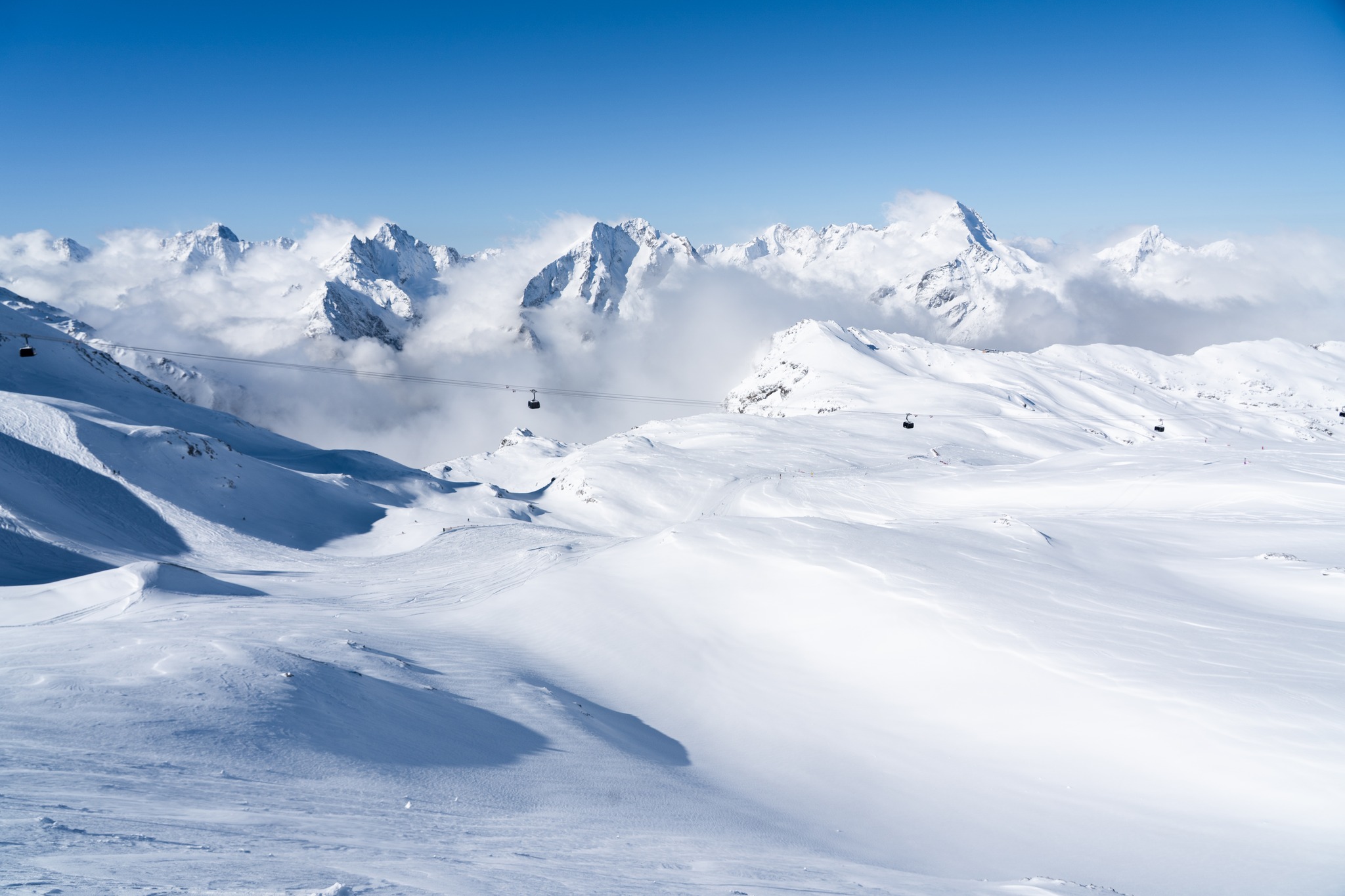
This profile is defined by a rapid diurnal cycle: the morning begins with a hard, icy crust formed by whatever limited cooling occurs overnight, which then softens almost immediately as the sun rises. By midday, the high temperatures and intense UV levels turn the surface into deep slush, a condition often referred to in the industry as "mashed potatoes."
Resort Status and Operational Updates
As of May 26, 2026, the number of operational ski areas in the Alps has begun to dwindle, a standard occurrence as the spring season concludes, though the current heatwave has accelerated the closure of certain sectors.
Kitzsteinhorn, Austria
The Kitzsteinhorn glacier, located above Kaprun in the Salzburg region, officially concluded its winter and spring operations on Sunday, May 24, 2026. The resort had enjoyed a robust May, benefiting from the "decent falls of snow" mentioned in meteorological reports from earlier in the month. The closure of Kitzsteinhorn marks the end of the spring season for one of Austria’s most popular high-altitude destinations, leaving only a handful of year-round or summer-specific glaciers open to the public.
Les 2 Alpes, France
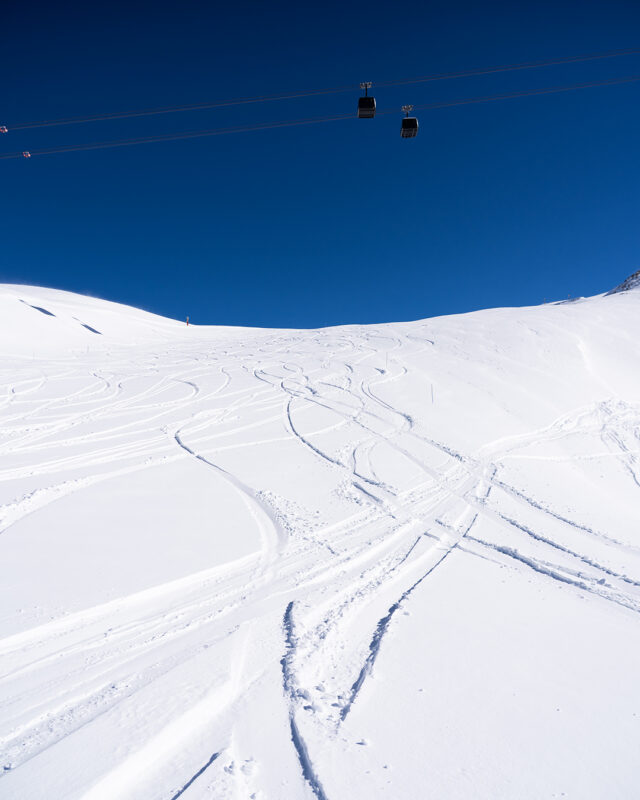
In France, Les 2 Alpes remains a focal point for summer skiing. Images released by the Les 2 Alpes Tourist Office on May 12 showed a deep, healthy snowpack following the early May storms. However, the current high-pressure system is testing the resilience of these slopes. Management at Les 2 Alpes typically prepares for summer skiing by grooming the glacier meticulously to reflect sunlight and preserve the base. The current heat spike necessitates an earlier start for skiers, with many heading to the lifts at dawn to capture the brief window of firm snow before the afternoon melt sets in.
Hintertux and Zermatt
While the broader Alpine region scales back, the Hintertux Glacier in the Austrian Zillertal and the Matterhorn Glacier Paradise in Zermatt, Switzerland, continue their tradition of year-round operations. These resorts are currently the primary beneficiaries of the early May snow, though they are also the most affected by the rising freezing levels. Operational adjustments, such as closing lifts earlier in the afternoon to prevent excessive wear on the slushy lower runs, are being implemented to manage the environmental impact of the heat.
The Scandinavian Exception: Riksgränsen
While the Alps grapple with soaring temperatures, the situation in Scandinavia offers a distinct contrast. Riksgränsen, situated well within the Arctic Circle in Swedish Lapland, concluded its primary daily winter season over the most recent weekend. However, the resort’s season is far from over.
Riksgränsen has announced plans to re-open for weekend operations (Friday through Sunday) leading up to the Midsummer holiday in June. Unlike the Alps, where the sun’s intensity is the primary driver of snow melt, the Arctic resorts benefit from lower sun angles and a different atmospheric profile. The ability to ski under the Midnight Sun remains a significant draw for the resort, which leverages its unique geography to offer a skiing experience that often lasts longer than its southern European counterparts.
Chronology of the May 2026 Alpine Weather Event
To understand the current state of the glaciers, it is necessary to look at the timeline of weather events that have defined the month:
- May 1 – May 10: A series of low-pressure systems move across the Alps. High-altitude regions receive between 30cm and 60cm of fresh snow. Temperatures remain 2-4 degrees Celsius below the seasonal norm.
- May 11 – May 18: Conditions stabilize. Skiers report "excellent" powder and packed-powder conditions on glaciers such as Les 2 Alpes and Hintertux.
- May 19 – May 21: A massive high-pressure ridge begins to build from the south. Temperatures at 2,000 meters rise into the double digits.
- May 22 – May 25: The "heat spike" peaks. The freezing level is recorded at 4,200 meters in the Western Alps. Kitzsteinhorn closes as scheduled, but under significantly warmer conditions than anticipated.
- May 26: Meteorological updates confirm the persistence of the high-pressure system. Ski conditions are officially reclassified as "summer slush."
Environmental and Economic Implications
The rapid rise in the freezing level is more than a mere inconvenience for vacationers; it has broader implications for glacial health and the regional economy. Glaciologists monitor these late-spring heatwaves closely, as the "albedo effect"—the ability of snow to reflect sunlight—is diminished when snow becomes wet and slushy. Darker, wet snow absorbs more heat, which in turn accelerates the melting of the underlying glacial ice.
From an economic perspective, the transition to summer conditions shifts the demographic of the mountains. The "wintry" May attracted hardcore enthusiasts and professional ski teams looking for training gates. The "slushy" June and July conditions tend to attract sightseers and summer tourists who view skiing as a novelty secondary to hiking or mountain biking.
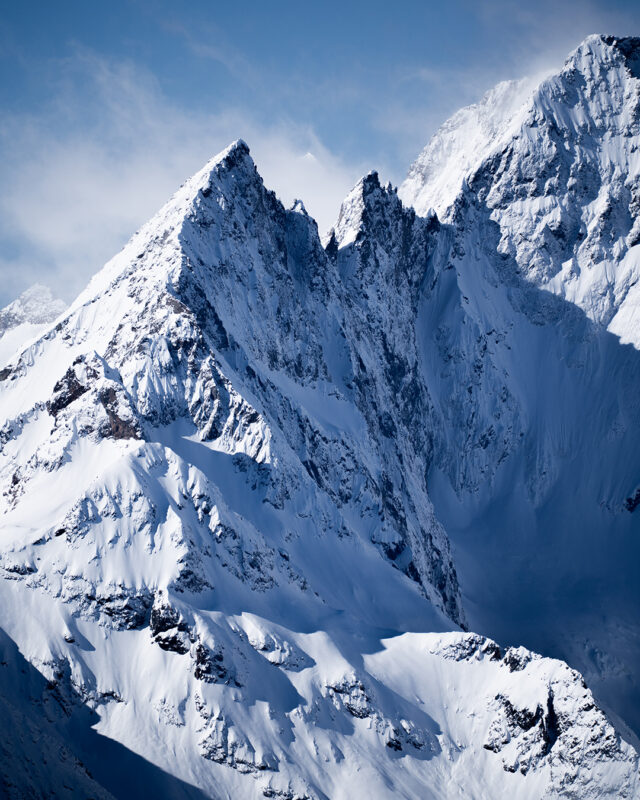
Resorts are increasingly forced to adapt to these volatile weather patterns. Techniques such as "snow farming"—stockpiling snow under insulated blankets during the winter to be used to patch summer slopes—have become standard practice in Zermatt and Les 2 Alpes. The current heatwave underscores the necessity of these measures as the window for "natural" high-quality skiing continues to fluctuate.
Conclusion: Navigating the Summer Season
As the Alps move into June, the focus for the ski industry will remain on the high-altitude glaciers. While the "excellent" conditions of early May have passed, the significant snow base accumulated during the winter and the early May storms provides a buffer against the current heatwave. For skiers and snowboarders, the message from experts like Fraser Wilkin is clear: the season has changed. Success on the slopes now requires early starts and an acceptance of the soft, heavy snow that defines the alpine summer.
The resilience of resorts like Riksgränsen in the north and the year-round stalwarts in the Alps demonstrates the enduring appeal of snowsports, even as the climate presents increasingly complex challenges to the traditional ski calendar. As high pressure continues to dominate the European weather map, the industry remains vigilant, balancing the demands of tourism with the critical need for glacial preservation.

