
Forward progress has been halted on the Box Fire, a wildfire that ignited within the unique desert landscape of Saguaro National Park in southern Arizona. The blaze, which was initially reported on June 13th, 2026, at 7:15 AM MST, has consumed approximately 136 acres, primarily within the park’s Rincon Mountain District. The Arizona Department of Forestry and Fire Management (AZ DFFM) confirmed the containment status, signaling a critical step in mitigating the impact on this ecologically significant area. The fire’s location, in the eastern district of the park and west of the Juniper Basin Campground, placed it in a sensitive riparian and mountainous zone characterized by dense saguaro cacti, palo verde trees, and various desert flora.
Chronology of the Box Fire
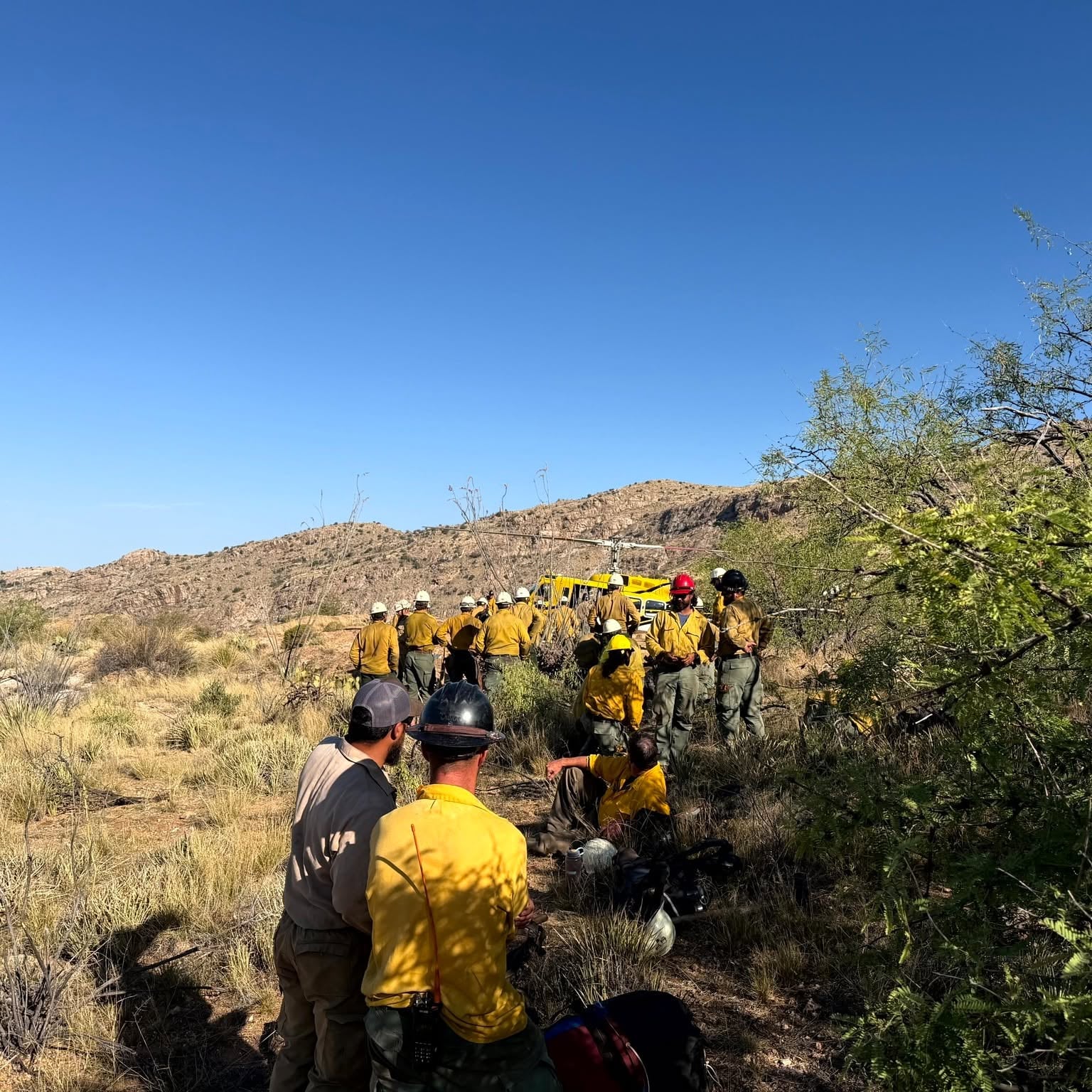
The genesis of the Box Fire can be traced back to the morning of June 13th, 2026. Within hours of its initial report, the blaze began to spread, prompting an immediate response from local and state firefighting agencies. By the morning of Sunday, June 14th, the Southeast Zone Type 3 Incident Management Team officially assumed command of the firefighting efforts. This transition in command signifies a coordinated approach to managing the incident, involving a dedicated team of experienced personnel responsible for strategic planning, resource allocation, and operational execution. At the height of the suppression efforts, 97 personnel were actively engaged in combating the wildfire, working tirelessly to contain its spread.
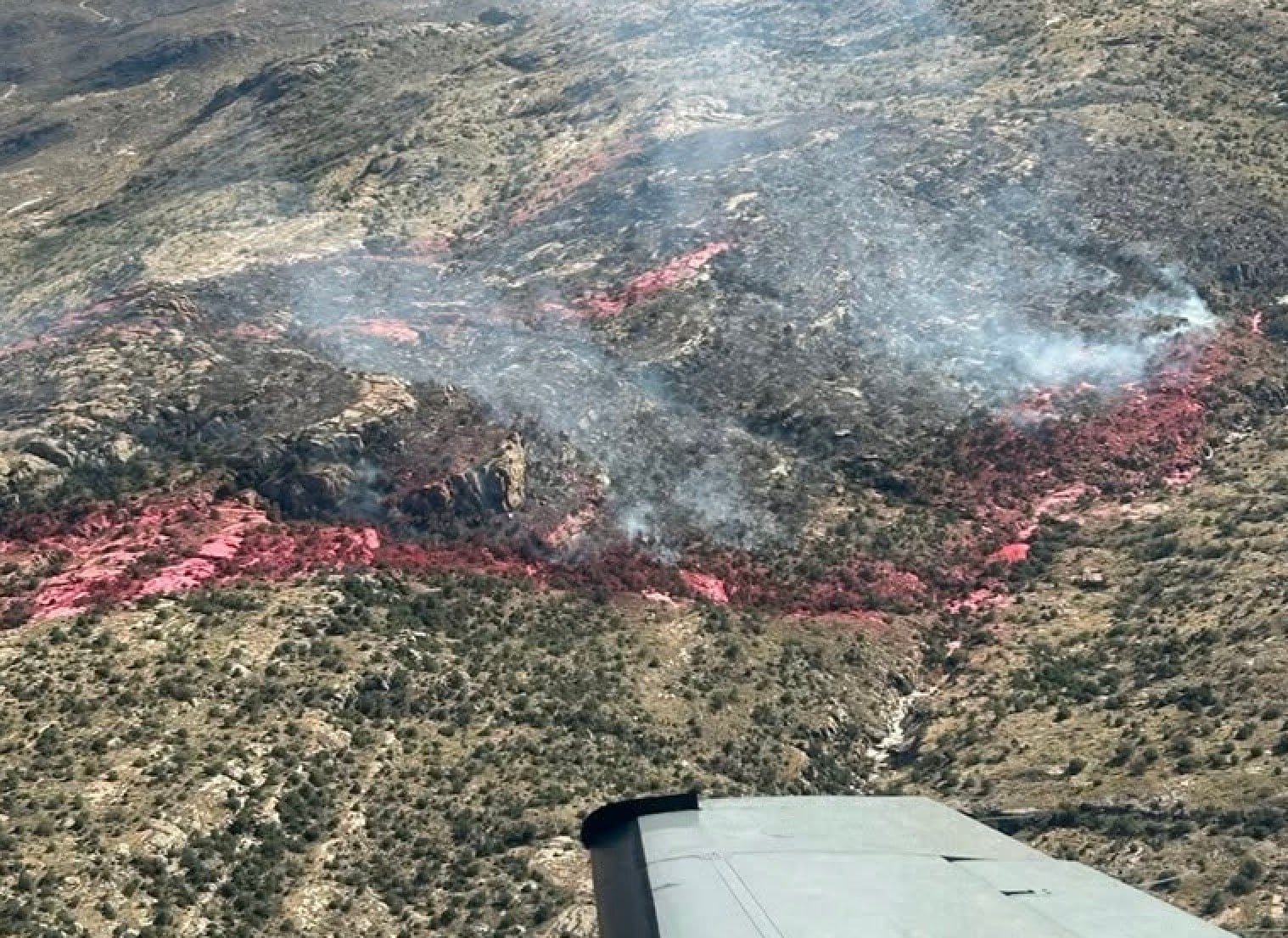
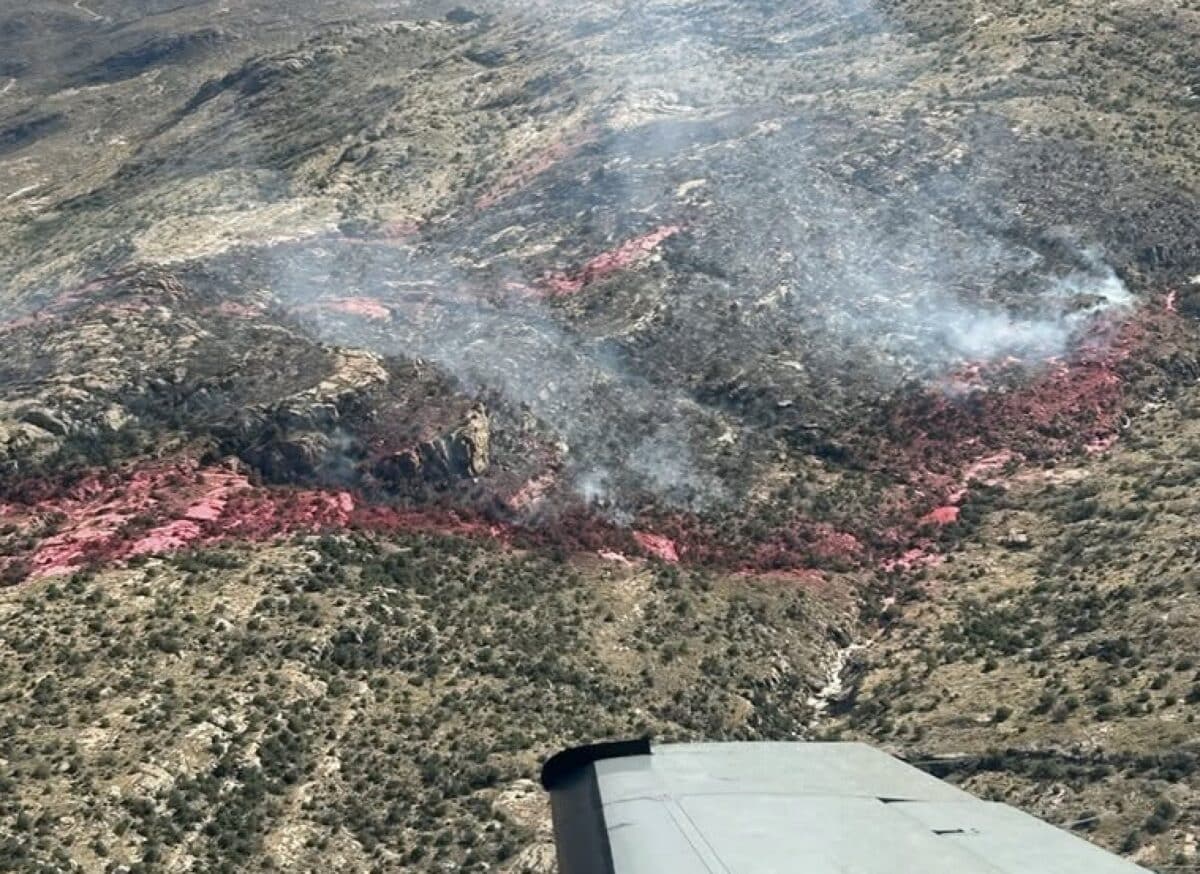
The suppression strategy employed by the firefighters involved direct engagement with the fire’s perimeter. This approach, often considered the most effective method for containing wildfires, focuses on establishing control lines directly adjacent to the fire’s edge. To supplement ground operations, aerial resources played a crucial role, providing continuous support through water and retardant drops. These airborne missions were vital in slowing the fire’s advance and creating opportunities for ground crews to gain a stronger foothold. Firefighters have been working around the clock, demonstrating a persistent commitment to securing the fire’s perimeter and reinforcing the gains made in containment.
Geographic and Environmental Context
Saguaro National Park, a protected area renowned for its iconic saguaro cacti and diverse Sonoran Desert ecosystem, presents unique challenges for wildfire management. The Rincon Mountain District, where the Box Fire occurred, is characterized by rugged terrain, steep slopes, and a mix of desert scrub and higher elevation woodland. This topography can influence fire behavior, making access difficult for ground crews and potentially accelerating the fire’s spread through rapid uphill movement. The park’s ecological sensitivity means that even a seemingly small fire can have significant consequences for native plant and animal populations, many of which are adapted to specific environmental conditions and can be vulnerable to rapid, uncharacteristic changes. The presence of saguaro cacti, which are slow-growing and can take decades to mature, means that any damage to these iconic plants represents a long-term ecological loss.
The proximity of the Box Fire to the Juniper Basin Campground and other backcountry areas also raised immediate concerns for public safety and park accessibility. The decision to implement trail and area closures was a necessary measure to ensure the safety of visitors and to allow firefighters unimpeded access to the fire zone.
Official Response and Containment Efforts
The Arizona Department of Forestry and Fire Management, in collaboration with the National Park Service, has been at the forefront of the Box Fire response. The AZ DFFM’s involvement underscores the state’s commitment to managing and mitigating wildfire threats across Arizona, particularly in areas of high ecological and recreational value. The establishment of an Incident Command System (ICS) facilitated a structured and efficient response, ensuring that all resources were coordinated effectively.
The Southeast Zone Type 3 Incident Management Team’s assumption of command on June 14th marked a significant escalation in the organized response. This team’s expertise in managing Type 3 incidents, which are typically of moderate complexity, was crucial in developing and executing the suppression strategy. The team’s efforts focused on both immediate containment and the long-term objective of securing the fire’s perimeter to prevent any rekindling or further spread.
Temporary Closures and Public Safety Measures
To facilitate the critical work of the firefighting crews and to ensure public safety, several areas within Saguaro National Park have been temporarily closed. These closures include:
- Tanque Verde Ridge Trail: This popular hiking trail, known for its scenic vistas, has been closed to prevent any potential encounters between hikers and active fire suppression operations.
- Loma Alta Trailhead: The access point for the Loma Alta Trail has also been shut down, restricting entry into the affected area.
- X9 Ranch Access Routes: Roads and pathways leading to the X9 Ranch area have been closed to vehicle and pedestrian traffic.
- Juniper Basin and Grass Shack Backcountry Campgrounds: These popular camping destinations have been temporarily inaccessible to visitors as a precautionary measure and to allow for unobstructed access for emergency personnel.
These closures, while inconvenient for park visitors, are a standard and essential component of wildfire management, prioritizing the safety of the public and the effectiveness of the suppression efforts. The National Park Service is responsible for communicating these closures and providing updates on the status of the affected areas.
Supporting Data and Implications
While the precise ignition cause of the Box Fire has not been publicly detailed, wildfires in Arizona during the summer months are often attributed to natural causes such as lightning strikes, or human-related activities, including unattended campfires or discarded smoking materials. The arid conditions prevalent in the Sonoran Desert, coupled with high temperatures and low humidity, create a tinderbox environment where fires can ignite and spread rapidly. Data from the National Interagency Fire Center (NIFC) consistently shows an increase in wildfire activity during warmer months across the Southwestern United States.
The 136-acre burn scar, while relatively contained in terms of acreage, represents a disruption to the delicate desert ecosystem. The long-term implications of such fires include potential impacts on soil stability, water runoff patterns, and the recovery rates of native vegetation. Saguaro National Park’s management plan likely includes strategies for post-fire ecological assessment and potential restoration efforts, depending on the severity of the damage. The park’s role in preserving biodiversity means that any significant ecological disturbance requires careful monitoring and intervention to ensure the resilience of the Sonoran Desert’s unique flora and fauna.
The swift response and successful containment of the Box Fire are a testament to the preparedness and dedication of the firefighting agencies involved. The ability to halt forward progress within a relatively short timeframe, especially in challenging terrain, is crucial in preventing larger, more destructive wildfires. This incident serves as a reminder of the ongoing vigilance required to protect natural landscapes from the persistent threat of fire, particularly in regions prone to drought and high temperatures. The continued collaboration between state and federal agencies will remain paramount in safeguarding natural resources and ensuring the safety of communities in fire-prone areas. Further updates on the fire’s status and the reopening of park facilities are expected to be released by Saguaro National Park and the AZ DFFM as suppression efforts are fully concluded and the area is deemed safe for public access.

