
In an era where the allure of the open road and the majesty of untouched landscapes beckon, the National Parks system of North America offers an unparalleled tapestry of natural beauty accessible through meticulously engineered roadways. Ash, a seasoned former park ranger and now a prominent outdoor recreation guide and founder of the popular YouTube channel "Dirt in My Shoes," has identified five of the most exceptional scenic drives within this system. These routes transcend typical tourist experiences, offering immersive journeys into diverse ecosystems, from the stark beauty of alpine tundra to the dramatic vistas of glacier-carved mountain passes. Each drive is designed to showcase natural wonders that might otherwise remain unseen by the casual visitor, transforming a simple road trip into an expedition of discovery.
The Pinnacle of High-Altitude Exploration: Trail Ridge Road, Rocky Mountain National Park
Trail Ridge Road, an engineering marvel within Rocky Mountain National Park, stands as the highest continuously paved road in the United States, stretching approximately 50 miles and ascending to elevations exceeding 12,000 feet. This iconic byway provides a rare opportunity for visitors to experience the delicate and unique alpine tundra ecosystem without the need for strenuous, multi-day hikes. Typically accessible from Memorial Day weekend through mid-October, the road’s opening and closing dates are subject to weather conditions, with early snowfall often necessitating an earlier closure. The drive offers a dramatic shift in scenery, transitioning from montane forests to the treeless, windswept expanse of the tundra, where hardy flora and fauna have adapted to extreme conditions. Hikers can access numerous trailheads along the route, including the popular Tundra Communities Trail, which offers interpretive signs explaining the fragile environment. The road’s construction, which began in 1932 and was completed in 1938, was a significant undertaking, involving extensive planning and labor to navigate the challenging terrain. The elevation gain is substantial, leading to thinner air and cooler temperatures even in the summer months, prompting visitors to be prepared with layers of clothing. Wildlife sightings are common, with elk, bighorn sheep, and marmots frequently observed grazing in meadows or along the roadside.
Yosemite’s Alpine Jewel: Tioga Road
Tioga Road, traversing 47 miles through the high country of Yosemite National Park, offers a distinct and often more tranquil experience compared to the park’s renowned Yosemite Valley. At elevations nearing 10,000 feet, this route, typically open from June through October, provides access to a different facet of Yosemite’s grandeur. It winds through granite domes, alpine meadows, and past pristine lakes, showcasing the park’s geological diversity and its role as a vital watershed. Key attractions along Tioga Road include Tuolumne Meadows, a vast subalpine meadow renowned for its wildflowers in the spring and summer, and Tenaya Lake, a stunning glacial lake reflecting the surrounding granite peaks. The road’s history is intertwined with the development of Yosemite as a tourist destination, with efforts to make its high country more accessible beginning in the late 19th century. Its seasonal closure is essential for preserving the road and its environment from harsh winter conditions. The opening of Tioga Road each year is eagerly anticipated by hikers, climbers, and campers seeking to explore the less-visited, yet equally spectacular, regions of Yosemite. The contrast between the bustling valley floor and the serene high country is a testament to the park’s varied landscapes.

A Symphony of Glaciers and Lakes: The Icefields Parkway, Banff National Park
Connecting the iconic destinations of Lake Louise and Jasper National Park, the Icefields Parkway in Canada’s Banff National Park is a 144-mile stretch of unparalleled natural beauty. This world-renowned drive is celebrated for its breathtaking panoramas of glaciers, turquoise lakes, and cascading waterfalls. Recognized as one of the premier scenic drives globally, the parkway is a UNESCO World Heritage Site and offers access to numerous hiking trails, viewpoints, and visitor centers. The Columbia Icefield, North America’s largest ice cap, is a central feature, with opportunities for guided tours onto the Athabasca Glacier. Wildlife is abundant along this route, with black bears, grizzly bears, elk, and bighorn sheep frequently spotted by observant travelers. The parkway’s development began in the 1930s and was completed in 1940, opening up a vast wilderness to the public. Its accessibility allows for exploration of the Canadian Rockies’ most dramatic landscapes, making it a cornerstone of any visit to Banff and Jasper. The sheer scale of the glaciated terrain and the vibrant colors of the glacial meltwater lakes create a visual spectacle that draws visitors from around the globe. The parkway is meticulously maintained year-round, though winter conditions can present challenges, with avalanche control and road closures being a seasonal concern.
An Engineering Marvel Through the Crown of the Continent: Going-to-the-Sun Road, Glacier National Park
Going-to-the-Sun Road in Glacier National Park, Montana, is not merely a drive; it is an experience that showcases the raw, untamed beauty of the "Crown of the Continent." This 50-mile engineering marvel winds its way through the heart of the park’s mountainous interior, culminating at Logan Pass. The road’s construction, spanning from 1921 to 1932, was a monumental undertaking, carved into sheer cliffs and navigating treacherous terrain. Due to its narrowness and steep grades, vehicle length is restricted to 21 feet and width to 8 feet, with an 8-foot height restriction also in place for certain sections. This regulation helps ensure the safe passage of vehicles and preserves the integrity of the road. The road is typically accessible from late June through late September or mid-October, depending on snowfall and maintenance schedules. Logan Pass, at an elevation of 6,646 feet, serves as the highest point on the road and is a popular trailhead for hikes such as the Highline Trail and the Hidden Lake Overlook Trail, offering unparalleled views of glacial cirques and alpine meadows. The road’s designation as a National Historic Landmark underscores its significance in both engineering and landscape preservation. The dramatic drop-offs and sweeping vistas make this drive an unforgettable adventure, highlighting the power of natural forces and human ingenuity.
A Trans-Appalachian Passage: Newfound Gap Road, Great Smoky Mountains National Park
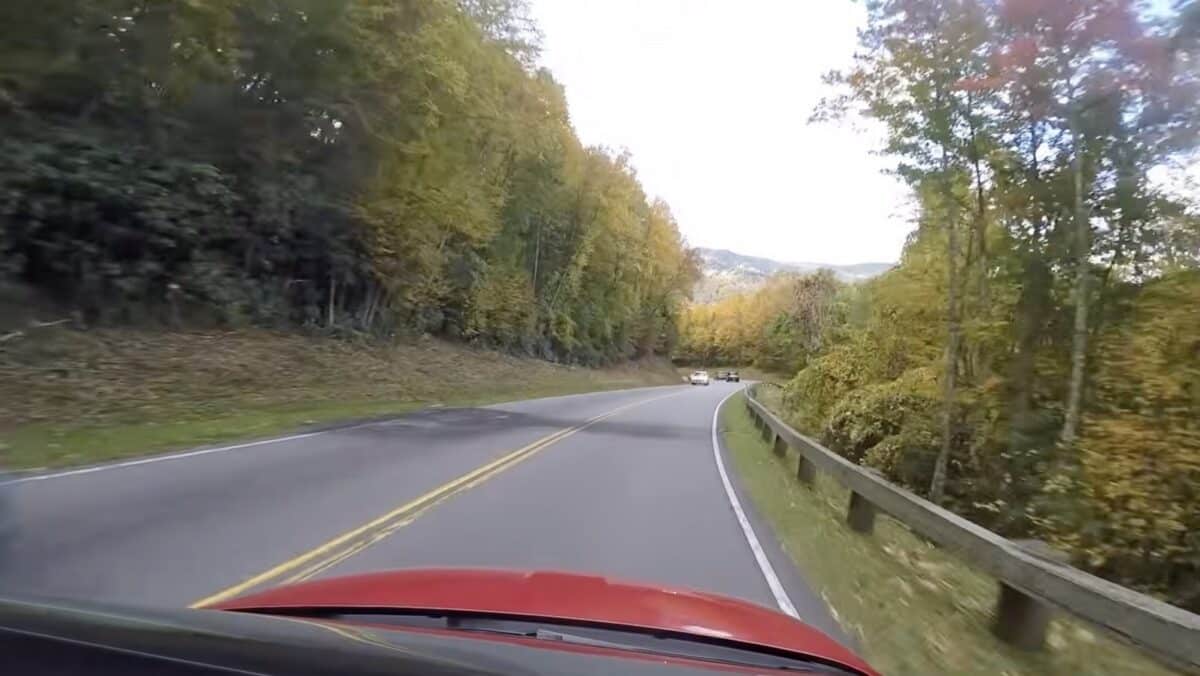
Newfound Gap Road, a vital artery through the Great Smoky Mountains National Park, connects Gatlinburg, Tennessee, to Cherokee, North Carolina, spanning approximately 31 miles. This scenic highway climbs to an elevation of 5,046 feet at the state line, offering panoramic views of the rolling, forested peaks that define this iconic park. Generally open from March through November, the road provides access to numerous overlooks, hiking trails, and the Oconaluftee Visitor Center. The road’s name originates from a gap in the ridgeline where surveyors found no significant depression, hence "new found" or "newfound" gap. The construction of Newfound Gap Road was a significant project during the Great Depression, providing much-needed employment and opening up the park to a wider audience. Key stops include the Appalachian Trail access point at Newfound Gap, Clingmans Dome (the highest point in the park, accessible via a separate spur road and a strenuous hike), and numerous pull-offs offering stunning vistas, particularly during the vibrant fall foliage season. The park itself, established in 1934, is the most visited national park in the United States, a testament to its accessibility and the enduring appeal of its natural beauty. The drive along Newfound Gap Road is a journey through a diverse Appalachian ecosystem, showcasing deciduous forests, rhododendron thickets, and the distinctive misty ambiance that gives the Smokies their name.
The Broader Impact and Significance of National Park Scenic Drives
These five scenic drives represent more than just picturesque routes; they are gateways to understanding and appreciating the immense natural heritage preserved within North America’s national parks. They facilitate access to areas that might otherwise be inaccessible to the average visitor, fostering a deeper connection with the environment and promoting conservation awareness. The economic impact of these drives is also substantial, drawing millions of tourists annually who contribute to local economies through lodging, dining, and retail. Furthermore, the careful planning and maintenance of these roads reflect a commitment to balancing visitor access with the imperative to protect fragile ecosystems. The ongoing challenges of climate change and increasing visitor numbers necessitate adaptive management strategies to ensure these natural treasures remain for future generations. The information provided by experts like Ash from "Dirt in My Shoes" serves to highlight these remarkable experiences, encouraging responsible exploration and a greater appreciation for the wild spaces that define our continent. The continued preservation and thoughtful development of these scenic drives are crucial for maintaining the integrity of the national park system and its mission to inspire awe and stewardship.

