
A tense encounter on a mountaintop in Provo, Utah, has ignited a debate surrounding the legality and appropriate use of electric-powered vehicles in US Forest Service lands, specifically highlighting the distinction between electric-assisted bicycles and electric motorcycles. The incident, captured in a widely circulated video, depicts a confrontation between a hiker and the rider of a SUR-RON X electric motorcycle, raising questions about regulatory enforcement and the growing presence of motorized recreation in natural spaces.
The Spark of the Dispute: Legal Definitions and Disputed Territory
The core of the conflict appears to stem from differing interpretations of Utah’s regulations regarding electric-powered vehicles. Utah law, particularly Utah Code Section 41-6a-102, enacted with an effective date of May 1st, 2024, provides a clear definition of an "electric assisted bicycle." Crucially, this definition excludes any vehicle with fewer than four wheels that meets either of two criteria: possessing the capability to reach speeds of 20 miles per hour or greater solely on motor power, or being equipped with a continuous rated motor power of 750 watts or greater.
This legal framework is significant because it establishes a threshold that many high-powered e-bikes, and particularly electric motorcycles, exceed. The vehicle in question, an Electric Light Bee SUR-RON X, boasts a rated power output ranging from 3,000 to 6,000 watts and a top speed of approximately 46 mph. Based on these specifications, the SUR-RON X unequivocally falls outside the state’s definition of an "electric assisted bicycle." Consequently, its operation is prohibited on trails designated for e-bikes and is generally restricted to areas where traditional gasoline-powered off-highway vehicles and dirt bikes are permitted.
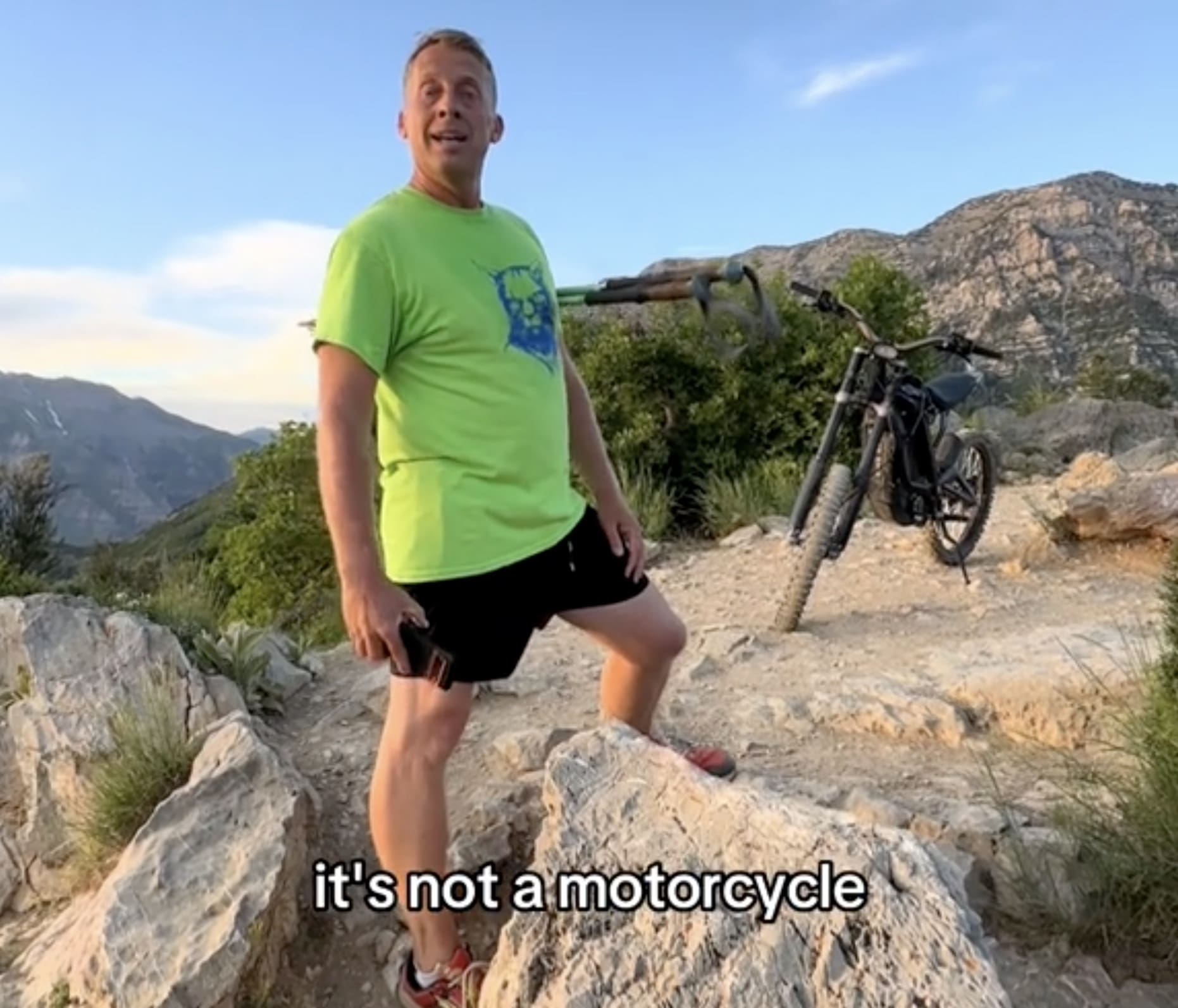
The confrontation occurred on US Forest Service land, a jurisdiction governed by specific rules regarding motorized vehicle access. Hikers and other non-motorized users often express concerns about the impact of motorized vehicles on trail erosion, wildlife disturbance, and overall user experience. The hiker in the video, clearly agitated, asserted that the presence of the SUR-RON X was illegal, emphasizing the distinction between a recreational trail and a space where such powerful machines are not authorized.
Chronology of the Encounter
While the exact timeline leading up to the recorded confrontation is not fully detailed, the video itself captures the heated exchange. It begins with the hiker confronting the SUR-RON rider, vocalizing their displeasure and citing the illegality of the vehicle’s presence. The rider, in response, appears to dismiss the hiker’s concerns, reportedly resorting to derogatory language by referring to the hiker as a "Karen." This exchange escalated quickly, with the hiker becoming increasingly frustrated by the rider’s apparent disregard for the rules and the dismissive nature of their response.
In a moment of heightened tension, the hiker threatened to contact law enforcement, indicating their intention to involve authorities to address the alleged violation. The article notes that the confirmation of whether the police were actually dispatched or involved in resolving the dispute remains unverified. The encounter concluded with the SUR-RON rider departing the scene, leaving the hiker with their concerns unresolved and the underlying issue of motorized vehicle use in natural areas brought to the forefront.
Supporting Data and Context: The Rise of Electric Powersports
The incident in Utah is not an isolated event but reflects a broader trend in outdoor recreation. The proliferation of electric-powered vehicles, from e-bikes to more powerful off-road machines, has introduced new dynamics and challenges to trail management.

- E-Bike Market Growth: The global e-bike market has experienced substantial growth in recent years, driven by advancements in battery technology, increasing environmental consciousness, and a desire for more accessible outdoor activities. According to market research firms, the e-bike market size is projected to continue its upward trajectory, with significant growth anticipated in North America. This surge in popularity means more electric-powered two-wheeled vehicles are hitting trails, blurring the lines for some users.
- Electric Motorcycle Advancements: Electric motorcycle technology has also advanced rapidly, offering performance comparable to, and in some cases exceeding, traditional internal combustion engine motorcycles. Companies like SUR-RON have capitalized on this by producing lightweight, powerful, and relatively affordable electric off-road bikes, making them accessible to a wider audience. This increased accessibility, however, necessitates a clear understanding of where these vehicles can legally and safely operate.
- Regulatory Patchwork: The regulation of e-bikes and electric motorcycles on public lands often varies significantly by jurisdiction. While some areas have embraced e-bikes, classifying them under broader bicycle regulations, others maintain stricter controls, particularly for higher-powered models. The US Forest Service, like other land management agencies, navigates this complex landscape, aiming to balance recreational access with resource protection and user safety. Utah’s specific codification of "electric assisted bicycles" is an example of a state attempting to provide clearer guidelines.
Official Responses and Implications
While no direct official statement from the US Forest Service or local law enforcement regarding this specific incident has been published, the event underscores the ongoing need for clear communication and enforcement of existing regulations. Land managers are often faced with the challenge of educating the public about evolving vehicle technologies and their appropriate use in diverse natural environments.
The implications of such encounters extend beyond a single dispute:
- Enforcement Challenges: The rapid adoption of new technologies presents enforcement challenges. Trail rangers and law enforcement officers may require updated training and resources to effectively identify and address violations involving various classes of electric vehicles.
- User Conflict Mitigation: Disputes between different user groups (hikers, cyclists, equestrians, and motorized vehicle users) are common in outdoor recreation. Clear signage, educational campaigns, and well-defined trail designations are crucial for mitigating conflict and promoting harmonious use of public lands.
- Trail Management Strategies: The increasing presence of electric-powered vehicles may necessitate a re-evaluation of trail management strategies. This could involve assessing trail suitability for different vehicle types, implementing speed limits where appropriate, and considering the environmental impact of higher-powered machines.
- Legal Clarity and Public Awareness: The Utah code’s specific definition of an "electric assisted bicycle" serves as a valuable tool for clarifying legal boundaries. However, the effectiveness of such laws hinges on widespread public awareness and adherence. Incidents like the one in Provo highlight the importance of educating riders about their responsibilities and the specific regulations governing their equipment.
Broader Impact and Future Considerations
The incident on the Utah mountaintop serves as a microcosm of a larger conversation about the integration of technology into outdoor recreation. As electric vehicles become more powerful, accessible, and prevalent, the need for clear, consistently enforced regulations, coupled with robust public education, becomes paramount. Land management agencies, alongside advocacy groups and manufacturers, have a shared responsibility to ensure that these advancements enhance, rather than detract from, the enjoyment and preservation of our natural landscapes.
For individuals venturing into the backcountry with any electric-assisted vehicle, a proactive approach to understanding local laws is essential. This involves consulting official regulations, seeking guidance from land management agencies, and exercising responsible trail etiquette. The distinction between a pedal-assist bicycle and a potent electric motorcycle is not merely semantic; it carries significant implications for trail integrity, user safety, and the preservation of the shared outdoor experience for all. The ongoing dialogue and potential for future regulatory adjustments will likely be shaped by incidents such as the one captured on that Provo mountaintop.

