
The 2025-26 season marks a tremendous milestone for the Northwest Avalanche Center (NWAC)—50 years of operation, serving the Pacific Northwest with science-based avalanche forecasting, community-centered education, and an unshakable dedication to public safety. What began as a handful of passionate scientists working out of the University of Washington has evolved into a nationally respected avalanche center. This is the story of NWAC: how a few visionaries, a mountain of challenges, and some innovative thinking created one of the most trusted names in mountain weather and avalanche forecasting.
The Genesis of a Critical Need: Avalanche Awareness in the 1970s

The mid-20th century witnessed a burgeoning interest in winter recreation across the western United States. Skiing, mountaineering, and snowmobiling gained traction, drawing more people into avalanche-prone terrain. Tragically, this surge in popularity was accompanied by a sharp increase in avalanche fatalities. While the average number of avalanche deaths in the U.S. had hovered around seven per year in earlier decades, by the 1970s, this figure had more than doubled, frequently exceeding twenty annually. This stark reality underscored a critical gap in public safety: the absence of a systematic, reliable method for predicting and communicating avalanche danger.
In the western U.S., and specifically within the mountainous regions of the Pacific Northwest, avalanche control programs and safety education initiatives were beginning to take shape. However, these efforts were often localized and lacked a unified, consistent approach to forecasting. Recognizing this escalating threat, individuals like Paul Frankenstein of the Forest Service’s Snoqualmie National Forest and Frank "Bud" Reanier of the National Weather Service (NWS) in Seattle began issuing informal avalanche warnings during periods of extreme hazard. These ad-hoc alerts served as vital, albeit limited, precursors to a more formal system.
A significant step toward real-time forecasting emerged in the early 1970s with the establishment of the first avalanche hotline in the Northwest. Ken White, then with the Forest Service, launched "442-SNOW," initially serving the Snoqualmie Pass area. This pioneering effort, though basic in its scope, laid crucial groundwork for the comprehensive forecasting network that NWAC would eventually develop, providing essential, timely information to the public.
The Birth of NWAC: Science Meets Urgency
The mid-1970s marked a pivotal period for avalanche safety in the region, characterized by a formalization of efforts through a groundbreaking collaboration. This initiative brought together key stakeholders: the Snoqualmie National Forest, Mount Rainier National Park, and the Seattle office of the National Weather Service. At the forefront of this scientific endeavor were researchers from the University of Washington, most notably the esteemed snow scientist Dr. Ed LaChapelle, alongside his promising graduate students Mark Moore and Rich Marriott.
Their primary mission was to develop a practical and effective avalanche forecasting program. The immediate impetus for this program was the critical need to ensure the safety of highway operations, particularly along the vital Interstate 90 corridor and the newly accessible North Cascades Highway. These routes were not only essential for regional transportation and commerce but also notoriously vulnerable to the destructive power of avalanches, posing a constant threat to travelers.
December 6, 1975: NWAC’s First Forecast
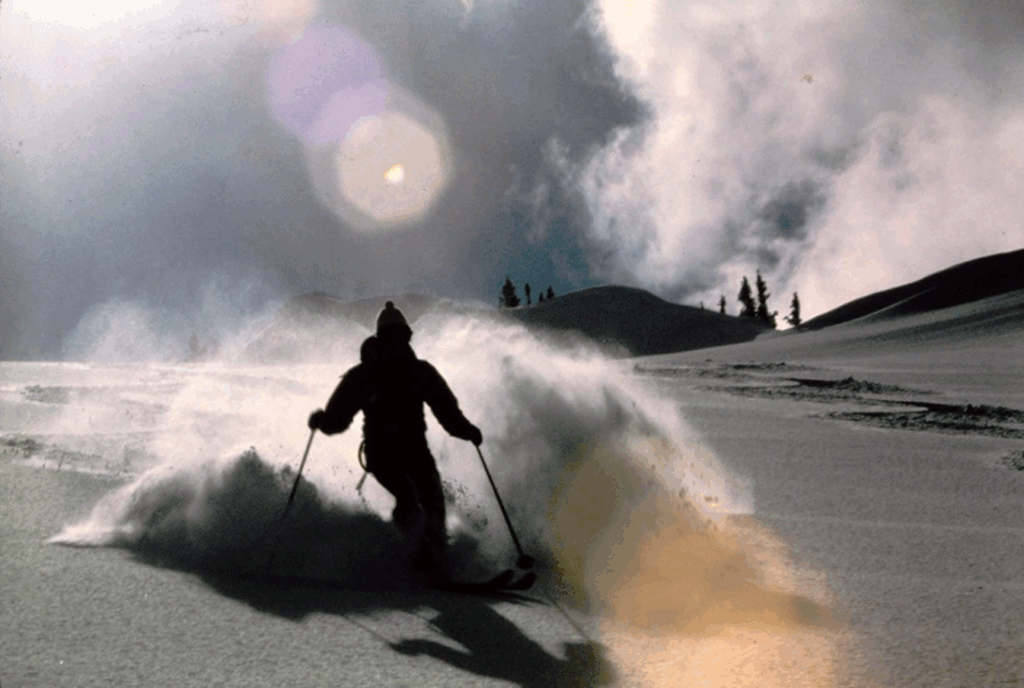
What began as a focused research initiative soon blossomed into a fully operational program. On December 6, 1975, NWAC issued its first official backcountry avalanche forecast. This momentous occasion positioned NWAC as the second program of its kind in the United States, following closely behind Colorado’s Avalanche Information Center (CAIC), which had begun issuing forecasts in 1973.
The early operational core of NWAC was driven by the dedication of Rich Marriott and Mark Moore, who were still pursuing their graduate studies. Working closely with Dr. LaChapelle and Bud Reanier, they were instrumental in issuing forecasts, developing essential instrumentation, and forging vital connections with local, state, and federal agencies. Their combined efforts established the foundational principles and practices that would guide NWAC for decades to come.
NWAC Takes Shape: The Late 1970s and 1980s
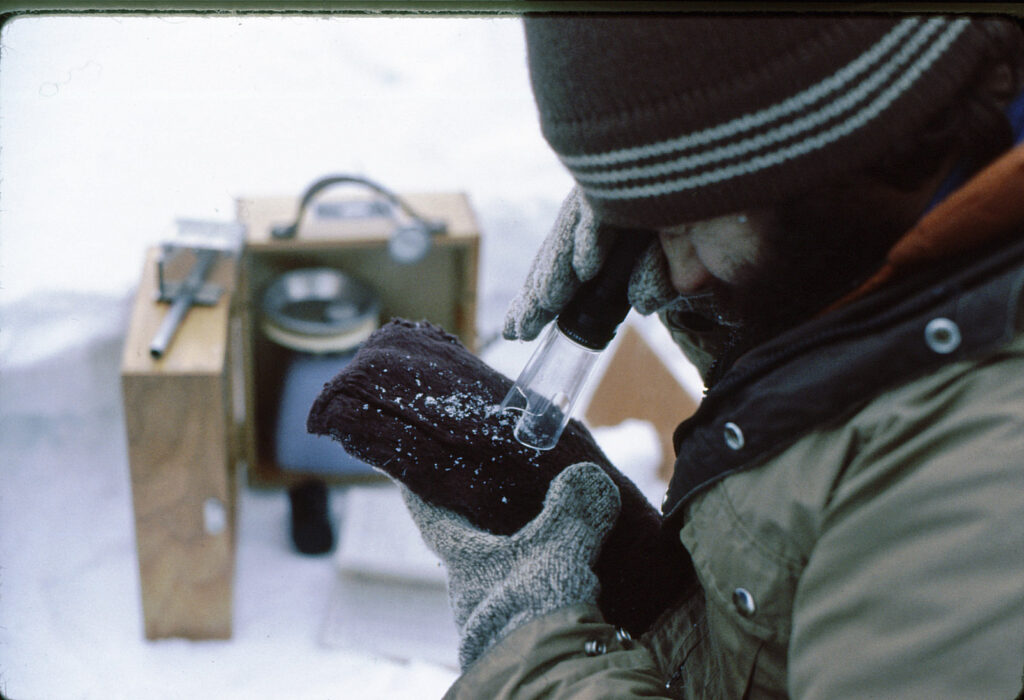
The late 1970s ushered in a new era of formalization and stability for NWAC. In 1978, a significant cooperative agreement was established, uniting the Forest Service, the National Weather Service, the Washington State Department of Transportation (WSDOT), and the National Park Service. A key advocate for this formalized structure was Roland "Em" Emetaz, whose strong support within the Forest Service was crucial in solidifying NWAC’s operational footing. This agreement facilitated cost-sharing and officially placed the program’s administration under the Forest Service’s Pacific Northwest Regional Office.
In these formative years, NWAC operated with a lean but dedicated team and limited resources. The original NWAC team, instrumental in building the program during the 1970s and 1980s, included:
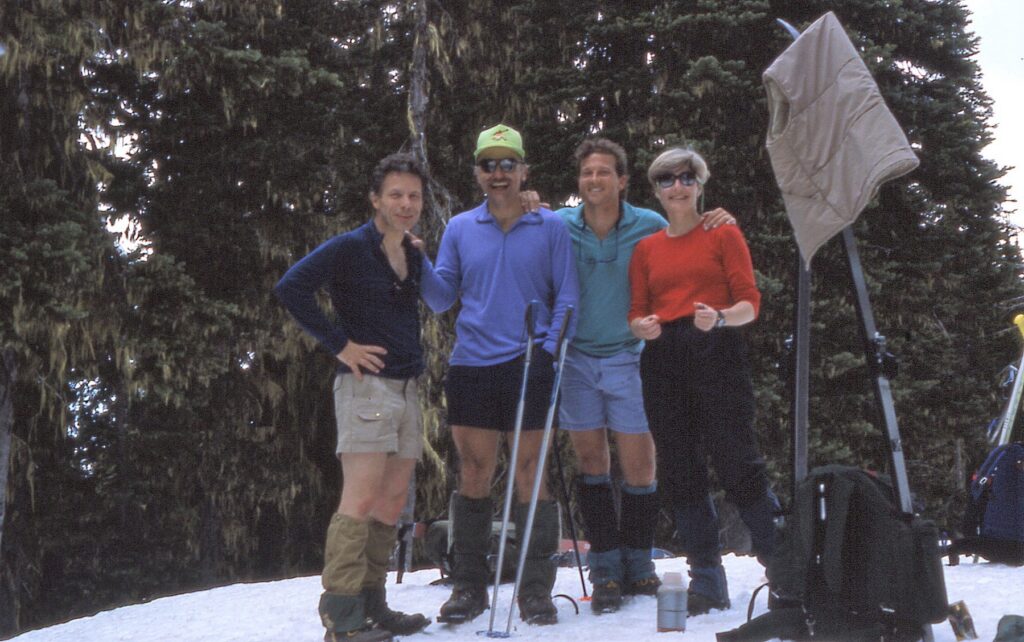
- Mark Moore: A foundational figure who would steer NWAC for his entire career, retiring in 2012.
- Rich Marriott: A key innovator who later transitioned to a successful career in broadcast meteorology.
- Ed LaChapelle: The guiding scientific mind and mentor.
- Bud Reanier: A crucial NWS liaison and advocate.
- Paul Frankenstein: An early Forest Service proponent.
- Ken White: Initiator of the first avalanche hotline.
- Roland "Em" Emetaz: A vital Forest Service administrator.
Several other forecasters made significant contributions during this period. Pam Speers Hays and Sue Ferguson were among those who dedicated multiple years to NWAC, leaving their indelible mark on its development.
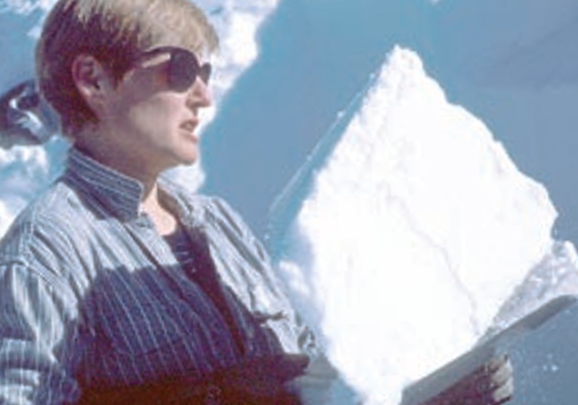
Sue Ferguson, in particular, was a towering figure in snow science and avalanche safety. Holding a BS in Physics from the University of Massachusetts and a PhD in Geophysics and Atmospheric Sciences from the University of Washington, she was mentored by Dr. Ed LaChapelle. Ferguson served as the Director of the Utah Avalanche Center from 1984 to 1986 and then as an avalanche meteorologist at NWAC from 1986 to 1992. Her academic contributions were profound, including instructional books on glaciers and avalanches, and she played an instrumental role in founding The Avalanche Review and the American Avalanche Association. Tragically, Sue Ferguson lost her battle with cancer in 2005, but her legacy of scientific rigor and advocacy continues to inspire. Mark Moore eloquently captured her impact in a tribute, stating, "Upon arriving at the Northwest Avalanche Center, she lost no time in putting her mark on the operation and on what she felt were the best ways were for logging data and getting information. She was precocious and a quick learner and she had a great ability to gain a broad and reasoned perspective on whatever task she took upon herself to discover."
Beyond the core forecasting team, the contributions of Phil Taylor, a local Seattle engineer, were indispensable. Taylor, who first connected with Mark and Rich at the University of Washington in the 1970s, dedicated himself to developing, testing, and building much of the specialized weather and wind measuring equipment that NWAC continues to utilize. His instruments, renowned for their durability in harsh Pacific Northwest conditions, are deployed not only across the Cascades but also on remote peaks globally. Andy Harrington, a current NWAC Avalanche Forecaster, acknowledged Taylor’s often-overlooked impact: "To say that his contributions to our industry are overlooked would be an understatement. Although never in the spotlight, he worked closely with some of the pioneers of our industry to create instrumentation that helps us all perform our jobs better. The tools and guidance he provided over the years have allowed so many of us to better understand factors that contribute to avalanches in the mountains."
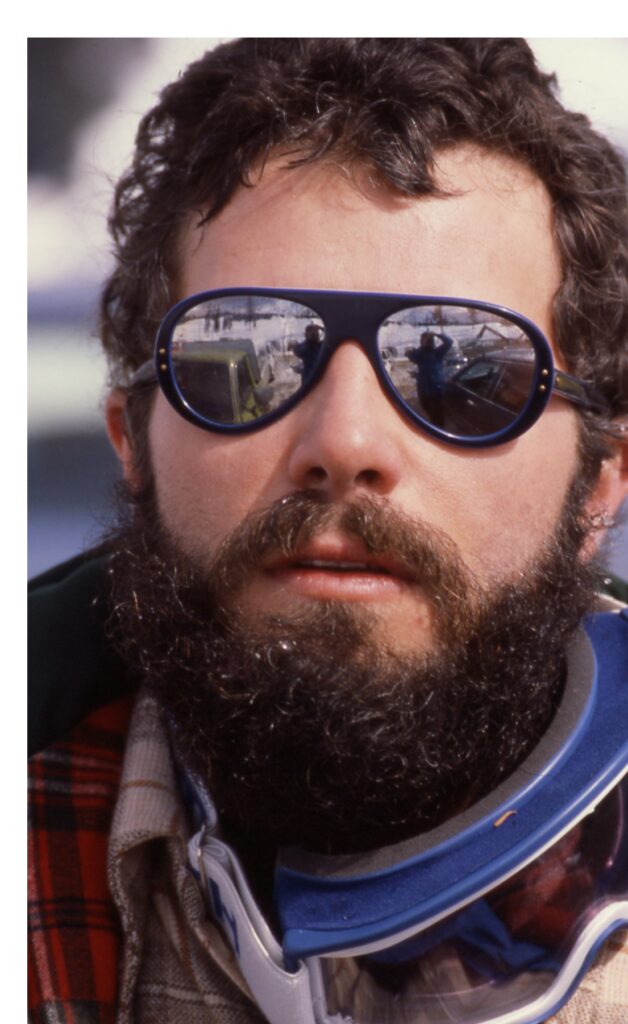
Innovation on a Shoestring Budget
Operating in its nascent stages, NWAC faced significant resource constraints. Modern technology was not readily available, compelling early staff to become adept at fabricating and repairing their own equipment. Mark Moore recalled the challenges of establishing communication lines: "We had to lease a [phone] line between Seattle and Stevens Pass. We had our own line for feeding information all the time." A rudimentary modem was employed to decode weather data transmitted via telephone lines, often from remote locations like ski resorts.
When essential equipment failed—a frequent occurrence—the solutions were as ingenious as they were resourceful. These early innovators often relied on readily available materials and creative problem-solving:
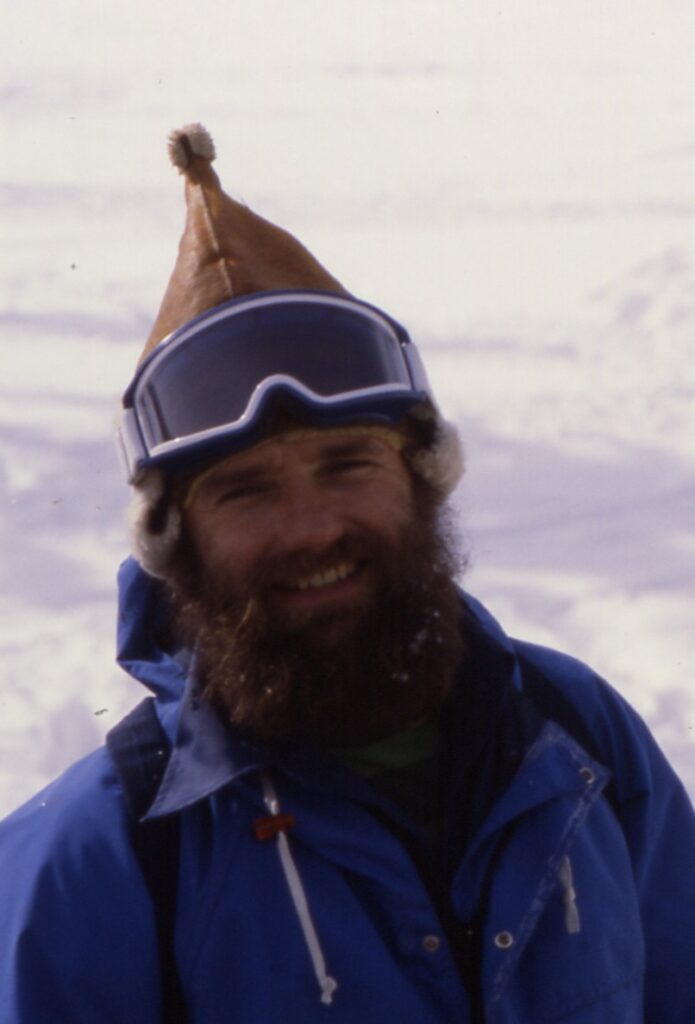
- Repurposed materials: Duct tape, wire, and salvaged parts were commonly used to keep vital instruments operational.
- DIY sensor modifications: Staff often adapted existing sensors or built new ones from scratch to meet specific forecasting needs.
- Field repairs: Forecasters developed a high degree of self-sufficiency, capable of performing on-site repairs in challenging mountain environments.
Winning Over the Weather Service
The co-location of NWAC with the Seattle National Weather Service office in 1978 was a strategic move, but it was not without its initial friction. Rich Marriott humorously recalled the early days: "The forecasters didn’t like us. Mark and I looked like we had just come out of the backcountry after two years—huge hair, huge beards. They wanted to have us deloused."
However, the persistent delivery of high-quality mountain observations and the growing volume of data collected by NWAC gradually won over even the most skeptical NWS forecasters. The program’s value became undeniable, demonstrating its critical role in enhancing the overall understanding of regional weather patterns. Bud Reanier, then Deputy Meteorologist-in-Charge at the NWS Seattle, played a pivotal role in this integration, championing the program’s potential and facilitating its acceptance within the broader meteorological community. His belief in NWAC’s mission was instrumental in fostering a collaborative environment.
Expansion and Professionalization: 1990s – 2000s
For several decades, NWAC maintained a core team of three forecasters. During this period, they meticulously refined their forecasting methodologies and systematically expanded their network of mountain weather stations. This steady growth was crucial in gathering more comprehensive data across the diverse terrains of the Pacific Northwest.
A significant development occurred in 1999 with the establishment of the nonprofit organization, Friends of the Northwest Weather and Avalanche Center. This community-driven initiative was formed to bolster the center’s public education outreach and fundraising efforts, recognizing the growing need for external support. Over time, this nonprofit entity would eventually merge with the Forest Service’s NWAC operations, creating a more unified and robust organizational structure.
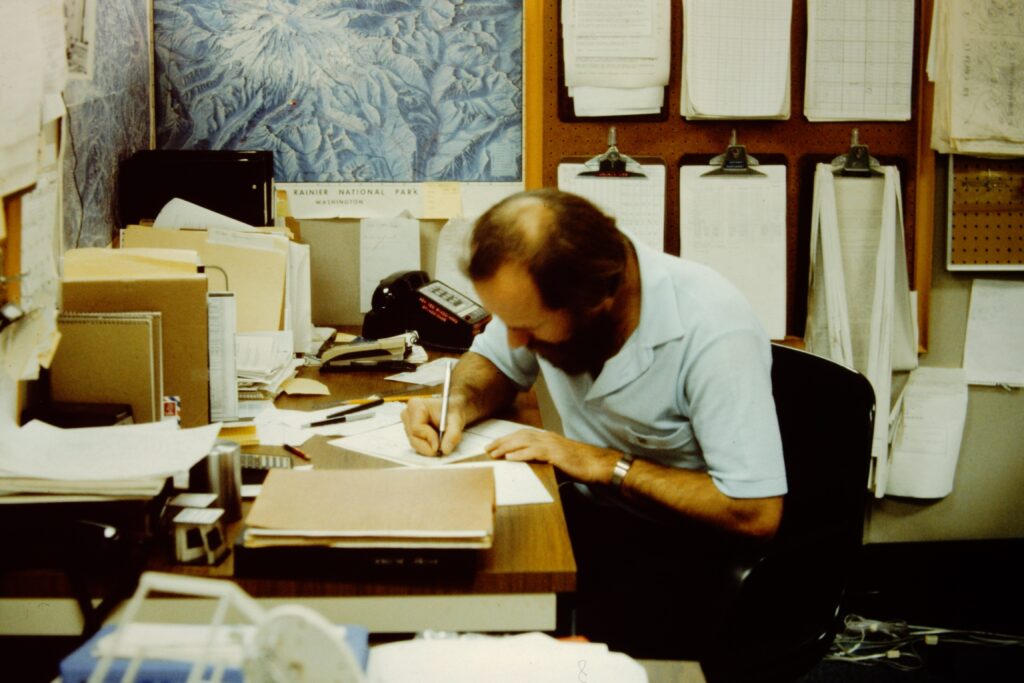
Alongside Mark Moore, two forecasters became pillars of NWAC for nearly three decades: Kenny Kramer (serving from 1989 to 2019) and Garth Ferber (from 1993 to 2016). Garth Ferber, known for his calm demeanor, was as adept on challenging mountain ascents as he was behind the forecast desk. He played a leading role in advancing NWAC’s weather station program, providing invaluable mentorship to emerging forecasters. Kenny Kramer, who became NWAC’s Forecast Director in 2013, possessed exceptional forecasting skills, a talent that perhaps belied his personal passion for surfing and tropical locales. Kramer, alongside Scott Schell (NWAC’s Non-Profit Executive Director), Dennis D’Amico (NWAC’s current Forecast Director), and Simon Trautman (now Director of the National Avalanche Center), were instrumental in navigating NWAC’s transition and expansion during the 2010s. This era was marked by a surge in backcountry use and rapid technological advancements, necessitating a modernization of NWAC’s operations and outreach.
In 2013, NWAC took a significant step in expanding its operational capacity by introducing a field-based professional observer program. This initiative began with six observers, including Dallas Glass, who now serves as NWAC’s Forecast Deputy Director. Since 2017, NWAC has experienced consistent growth in its field and community-based forecasting staff. The team has evolved from its historical baseline of three meteorologists to a total of eleven forecasters strategically positioned across the region, from Bellingham to Hood River and Seattle to Leavenworth, enhancing the granularity and responsiveness of its forecasting.
Today: A Center of Innovation and Impact
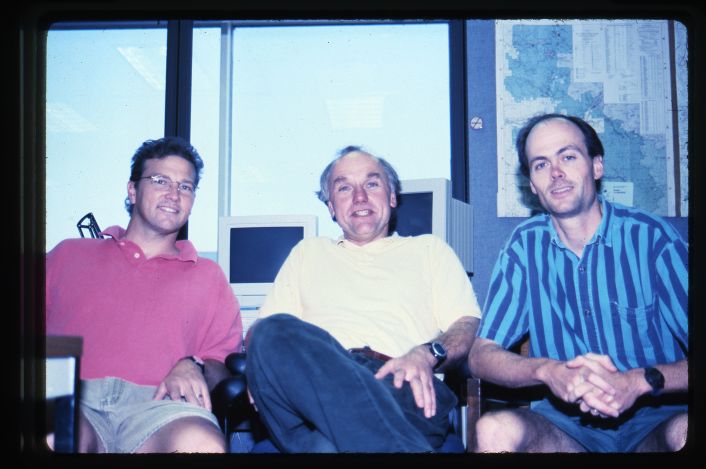
The Northwest Avalanche Center has evolved into a sophisticated operation, characterized by its commitment to scientific rigor, technological advancement, and community engagement. NWAC currently operates with:
- 11 full-time forecasters: A dedicated team of experts responsible for analyzing weather data and issuing avalanche forecasts.
- 3 meteorologists: Core staff members providing essential meteorological expertise.
- A robust network of 135+ remote weather stations: These stations provide critical real-time data on snowpack conditions, temperature, precipitation, and wind across the region.
- A network of 200+ trained avalanche observers: Volunteers and professionals who contribute invaluable field observations, offering on-the-ground insights into snowpack stability.
Collectively, NWAC has achieved significant milestones:
- Over 1,300 forecasts issued annually: Providing consistent and timely avalanche hazard information to the public.
- Thousands of backcountry users educated annually: Through public awareness campaigns, avalanche safety courses, and online resources.
- Millions of dollars in community support: Demonstrating the vital role NWAC plays and the public’s trust in its mission.
NWAC’s success is sustained through the unwavering support of its long-standing partners:
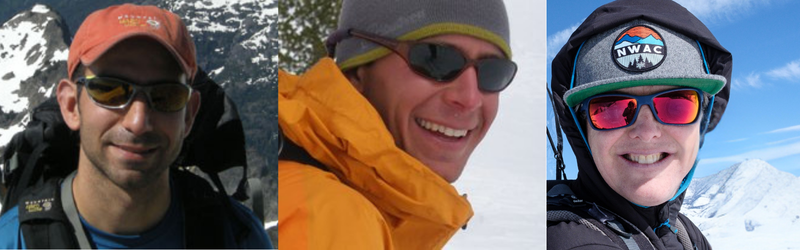
- U.S. Forest Service: Providing critical operational and administrative support.
- National Weather Service: Facilitating data sharing and meteorological expertise.
- Washington State Department of Transportation (WSDOT): Collaborating on avalanche mitigation for critical roadways.
- National Park Service: Ensuring safety within national park boundaries.
- Friends of NWAC: A dedicated nonprofit organization supporting public education and fundraising.
Looking Ahead: The Next 50 Years
From the resourceful fixes of its early days, often involving "chewing gum and beer cans" to keep equipment running, to today’s sophisticated data analysis, high-tech modeling, and widespread smartphone accessibility, NWAC has consistently embraced innovation. The journey from two graduate students painstakingly assembling an avalanche forecast to a center issuing over 1,300 forecasts annually, educating thousands of backcountry users, and garnering millions of dollars in community support over the years is a testament to its enduring mission.
As the popularity of backcountry exploration continues to grow, NWAC’s role in ensuring public safety becomes even more critical. The center is a profound reflection of the Pacific Northwest community itself—resilient, resourceful, and deeply committed to the safety and well-being of its members. As NWAC celebrates its 50th anniversary, it honors the pioneers who laid its foundation, the partners who have sustained its operations, and the public whose trust and engagement have been paramount to its success.
Looking toward the future, NWAC remains steadfast in its core belief: informed recreation saves lives. Whether individuals are ascending a quiet ridge, navigating a snow-covered highway, or imparting avalanche safety knowledge to others, they are an integral part of NWAC’s ongoing narrative. The organization is proud of its rich history, deeply grateful for the ongoing support it receives, and enthusiastically anticipates the challenges and triumphs of the next 50 years.

