
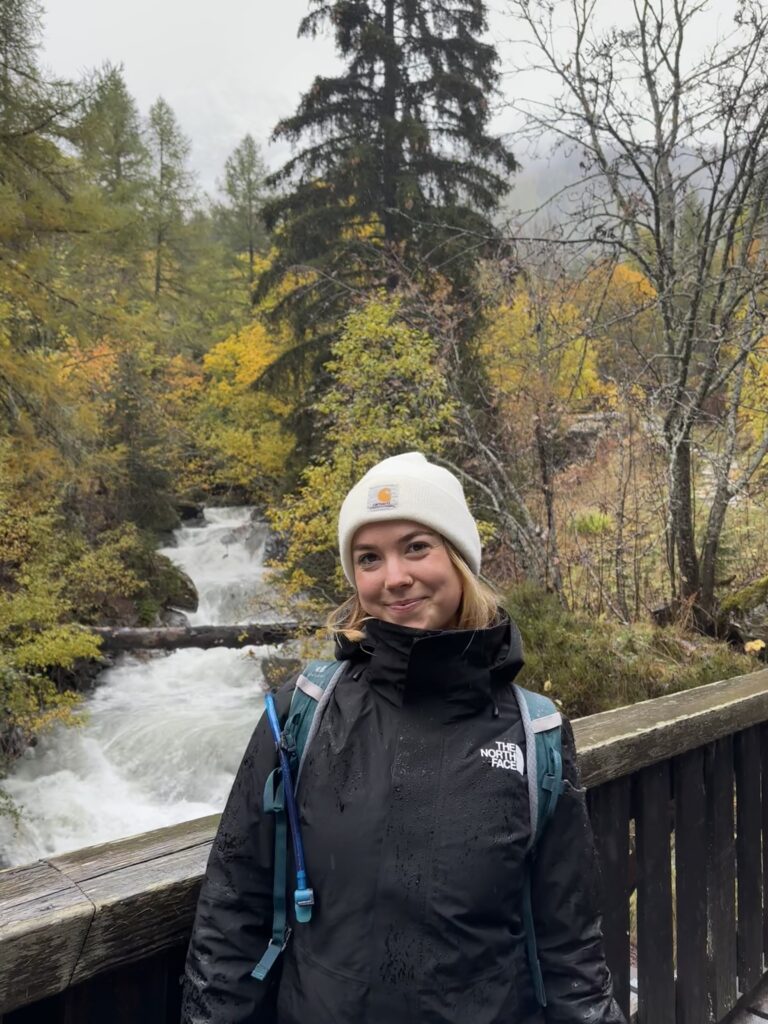
The Northwest Avalanche Center (NWAC) has welcomed a new Volunteer and Communications Coordinator, a strategic appointment aimed at bolstering the organization’s outreach efforts and reinforcing its commitment to avalanche safety education across the Pacific Northwest. This individual, returning to their Pacific Northwest roots after a period of international experience, brings a fresh perspective and a robust background in communications and marketing to an organization dedicated to providing critical avalanche information and fostering a culture of safety in the backcountry.
Bridging International Experience with Local Mission
After two years immersed in teaching English and exploring the French Alps, the new coordinator expressed a desire to reconnect with their home region and apply their professional skills within the nonprofit and outdoor industries. NWAC emerged as an ideal platform, offering a unique intersection of their passion for mission-driven work and a community deeply invested in outdoor recreation. This move signifies a deliberate effort by NWAC to leverage diverse experiences and broaden its engagement with the public.
A Multifaceted Role Focused on Community and Connectivity
In their capacity as Volunteer and Communications Coordinator, the role is designed to be dynamic and impactful. Key responsibilities include nurturing and supporting NWAC’s vital volunteer network, a group instrumental in the organization’s operations and reach. Furthermore, the position will involve the development and execution of social media strategies, contributing to a more robust online presence and engagement with backcountry enthusiasts. Event planning and general support for expanding NWAC’s reach to diverse user groups are also integral to the role. This multifaceted approach underscores NWAC’s commitment to inclusivity, aiming to connect with individuals of all experience levels and backgrounds interested in the backcountry.
Deepening Local Roots and Embracing New Horizons
While acknowledging a lifelong affinity for the West South zone, particularly due to formative skiing experiences at Crystal Mountain, the coordinator also voiced enthusiasm for exploring the Snoqualmie Pass zone, considered the organization’s immediate backyard. This sentiment reflects NWAC’s operational footprint and its dedication to serving the mountain communities of Washington State. The Snoqualmie Pass area, a popular destination for winter recreation, presents significant opportunities for direct engagement and on-the-ground safety initiatives.
The Universal Imperative of Backcountry Awareness
A central tenet of the coordinator’s message to backcountry users is the fundamental principle of shared responsibility and awareness, regardless of experience. The statement, "The moment you step foot (or ski or board or sled!) into backcountry terrain, you are a backcountry skier/rider/snowshoer/user," encapsulates NWAC’s philosophy. This emphasizes that entry into the backcountry, whether for the first time or as an seasoned professional, necessitates an understanding of avalanche risks. The organization firmly believes that while everyone deserves equitable access to the outdoors, this access is inextricably linked to the knowledge and respect of mountain conditions. This approach aims to democratize safety education, making it accessible and relevant to all who venture into potentially hazardous environments.

Future Trajectory: Accessibility, Innovation, and Inclusivity
The future of NWAC and avalanche safety is viewed with considerable optimism, driven by a commitment to making resources universally accessible. The coordinator highlighted several ambitious projects poised to advance this mission. A significant undertaking is the development of a new, centralized website designed to aggregate avalanche forecasts from centers across the nation. This initiative promises to be a game-changer, offering a streamlined and comprehensive platform for users seeking vital safety information.
Beyond technological advancements, NWAC is focused on deepening its community engagement. Continued efforts to build and support its network of volunteers and members are paramount. Moreover, the organization is dedicated to expanding programs and opportunities that encourage participation from individuals of all backgrounds. This focus on diversity and inclusion aims to dismantle barriers and ensure that the knowledge and resources necessary for safe backcountry travel are available to everyone, fostering a more informed and resilient outdoor community.
A Glimpse into Memorable Mountain Experiences
Reflecting on recent experiences, the coordinator shared a vivid account of a memorable day skiing in Chamonix. The experience, characterized by a "bluebird day surrounded by a cathedral of alpine peaks," offered a profound connection with nature and a stark reminder of the beauty and power of the mountains. Such moments of awe and reflection underscore the intrinsic value of outdoor pursuits and the importance of experiencing them safely. This personal anecdote serves to humanize the broader mission of NWAC, connecting the technical aspects of avalanche safety with the deeply personal rewards of engaging with the natural world.
NWAC’s Role in Mountain Safety: A Historical Context
The Northwest Avalanche Center (NWAC) was established in 1975, emerging from a growing awareness of avalanche hazards in the heavily utilized mountain ranges of Washington and Northern Idaho. The organization was founded in response to several tragic avalanche incidents that highlighted the need for a centralized entity to monitor snowpack conditions and issue timely warnings. Initially operating with limited resources, NWAC has grown into a critical component of the region’s outdoor safety infrastructure. Its mission has consistently been to provide accurate, accessible, and timely avalanche forecasts and safety education to recreationalists, public land managers, and emergency responders.
The center’s operational area covers over 30,000 square miles of mountainous terrain, encompassing popular destinations like Mount Rainier National Park, the North Cascades, and the Olympic Mountains, as well as numerous national forests and wilderness areas. NWAC employs a team of professional forecasters who conduct extensive field observations, analyze weather data, and utilize a network of weather stations and remote sensing technologies to assess avalanche risk.
The Evolving Landscape of Avalanche Safety Education
Over the decades, avalanche safety education has transitioned from a niche concern for professional mountaineers to a widely recognized necessity for all backcountry users. Early educational efforts often focused on advanced techniques and risk management for experienced individuals. However, with the dramatic increase in popularity of activities like backcountry skiing, snowboarding, snowshoeing, and snowmobiling, the demand for accessible, foundational safety knowledge has surged.
Organizations like NWAC have been at the forefront of this evolution, developing tiered educational programs catering to various skill levels. These programs typically include avalanche awareness courses, rescue skills training, and, for more advanced users, professional-level avalanche education. The proliferation of online resources, including forecast discussions, informational videos, and interactive tools, has further democratized access to crucial safety information.
Supporting Data and the Impact of NWAC’s Work
The importance of NWAC’s mission is underscored by statistics on avalanche fatalities. While precise numbers fluctuate annually, the Pacific Northwest has historically been a region with a significant number of avalanche incidents. According to the Colorado Avalanche Information Center’s National Avalanche Fatality Database, the United States averages around 25 avalanche fatalities per year. While not all of these occur within NWAC’s direct forecast area, the data highlights the persistent risk.
NWAC’s forecasts are accessed by hundreds of thousands of users annually through its website, mobile app, and partner platforms. This widespread engagement suggests a strong reliance on the center’s expertise. The organization’s efforts in volunteer recruitment and management are also critical, as volunteers often assist in snow observations, data collection, and outreach events, significantly amplifying the center’s capacity. A robust volunteer program can reduce operational costs while simultaneously fostering a deeper sense of community ownership and engagement in avalanche safety.
Analysis of Implications: Enhanced Accessibility and Inclusivity
The appointment of a dedicated Volunteer and Communications Coordinator signifies a strategic investment by NWAC in its public engagement and outreach capabilities. By focusing on enhancing communication strategies and strengthening the volunteer network, NWAC aims to achieve several critical objectives:
- Broader Reach: Improved social media presence and targeted communication efforts can ensure that avalanche safety information reaches a wider audience, including demographics that may not have previously engaged with NWAC resources.
- Increased Volunteer Engagement: A well-supported volunteer program leads to more robust data collection through snow observations and a stronger local presence at community events, enhancing the accuracy and relevance of forecasts.
- Democratization of Safety: By emphasizing accessibility and developing inclusive programs, NWAC can help dismantle perceived barriers to avalanche education, ensuring that individuals from all backgrounds feel empowered to learn and practice safe backcountry habits.
- Community Building: Strengthening the connection between NWAC and its community of users and volunteers fosters a shared responsibility for safety and promotes a culture where avalanche awareness is a standard practice.
The initiative to create a centralized national avalanche forecast website is particularly noteworthy. Such a platform could standardize information delivery, improve user experience, and potentially facilitate greater collaboration among avalanche centers nationwide. This move aligns with broader trends in data integration and digital accessibility, positioning NWAC as a leader in modernizing avalanche safety infrastructure.
The coordinator’s personal reflections on experiencing the French Alps and her desire to explore local zones like Snoqualmie Pass are not merely anecdotal. They reflect a broader understanding of the universal appeal of mountain environments and the shared challenges and joys they present. By connecting personal passion with professional dedication, NWAC is poised to deepen its impact and continue its vital work of safeguarding lives in the winter backcountry. The organization’s commitment to innovation, coupled with its dedication to community, suggests a promising future for avalanche safety education and awareness in the Pacific Northwest and beyond.

