
In a groundbreaking display of innovation, skill, and sportsmanship, the inaugural Red Bull Features Cup culminated in an unprecedented three-way tie, ultimately seeing the Asia-Pacific team emerge victorious after a sudden-death hip session. The event, designed to challenge traditional competitive snowboarding formats, emphasized creativity, teamwork, and diverse skill sets across a multi-zone course that captivated both riders and spectators. The dramatic conclusion underscored the meticulously crafted format’s success in fostering intense, yet collaborative, competition.
A New Paradigm for Snowboarding Competition
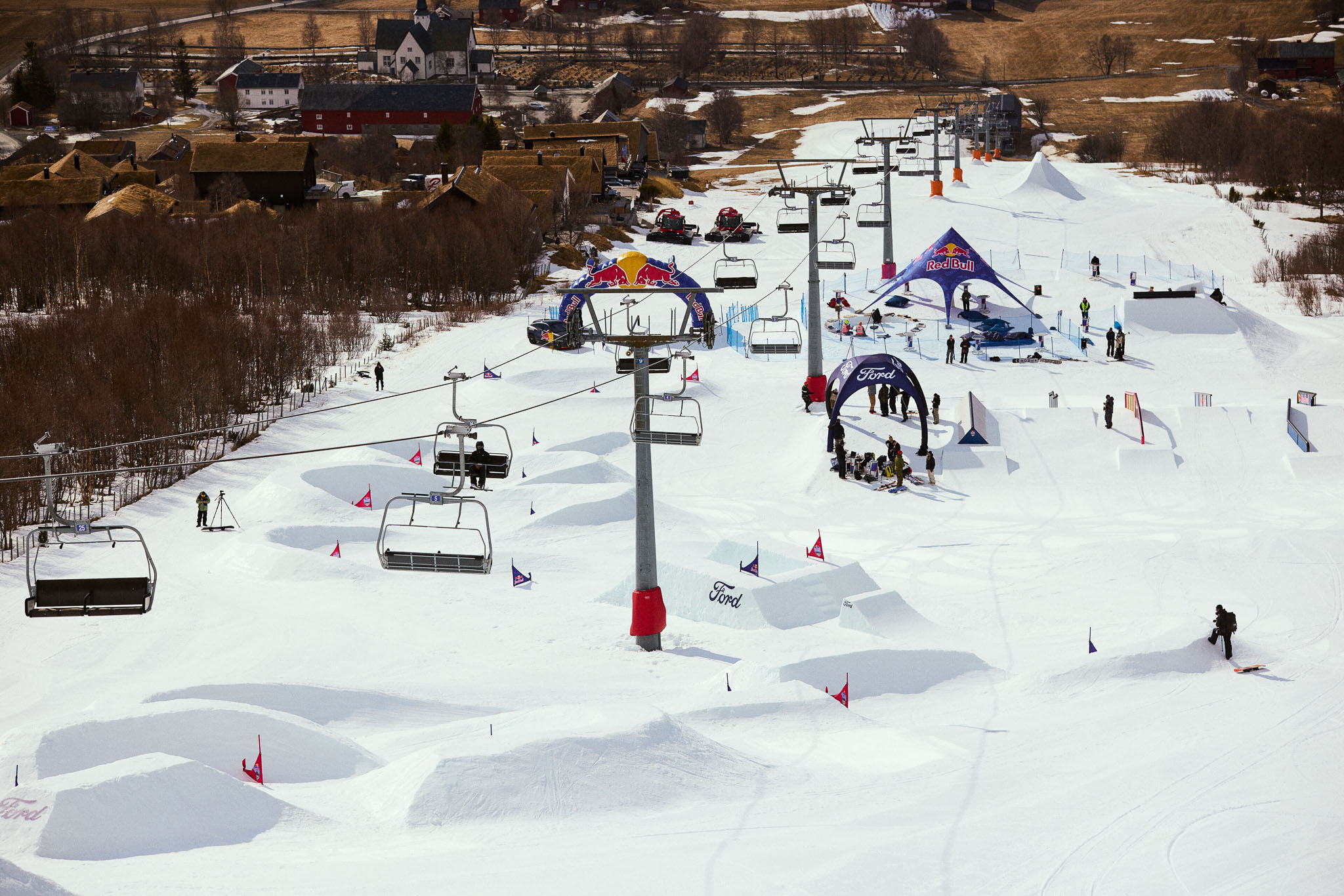
The Red Bull Features Cup was conceptualized as a fresh take on competitive snowboarding, moving beyond the often-specialized disciplines of traditional events like Slopestyle or Big Air. Its core philosophy was to celebrate the all-around snowboarder, integrating speed, technicality, amplitude, and style into a single, cohesive challenge. Event organizers aimed to create an environment where riders could push boundaries collaboratively, fostering a "session" vibe rather than a cutthroat individual contest. The unique course, described by many as "outrageous looking" (Photo: Olav Stubberud / Red Bull), was a testament to this vision, seamlessly blending elements that demanded a broad spectrum of snowboarding prowess.
Three regional powerhouses converged for this innovative contest: Team Europe, featuring the formidable lineup of Marcus Kleveland, Fridtjof Tischendorf, Isak Ulstein, and Celia Petrig; Team North America, comprising Luke Winkelmann, Denver Orr, Egan Wint, and Lane Weaver; and Team Asia-Pacific, with Cool Wakushima, Zephyr Lovelock, Rocco Jamieson, and Miyabi Onitsuka. Each team arrived with distinct reputations, hinting at the strategic battles that would unfold. Europe, with Kleveland’s renowned aerial mastery, was seen as a strong contender for jump-focused zones. North America, boasting technical rail riders, anticipated excelling in jib-oriented challenges. Asia-Pacific, a blend of rising stars and seasoned talent, was expected to showcase versatility.
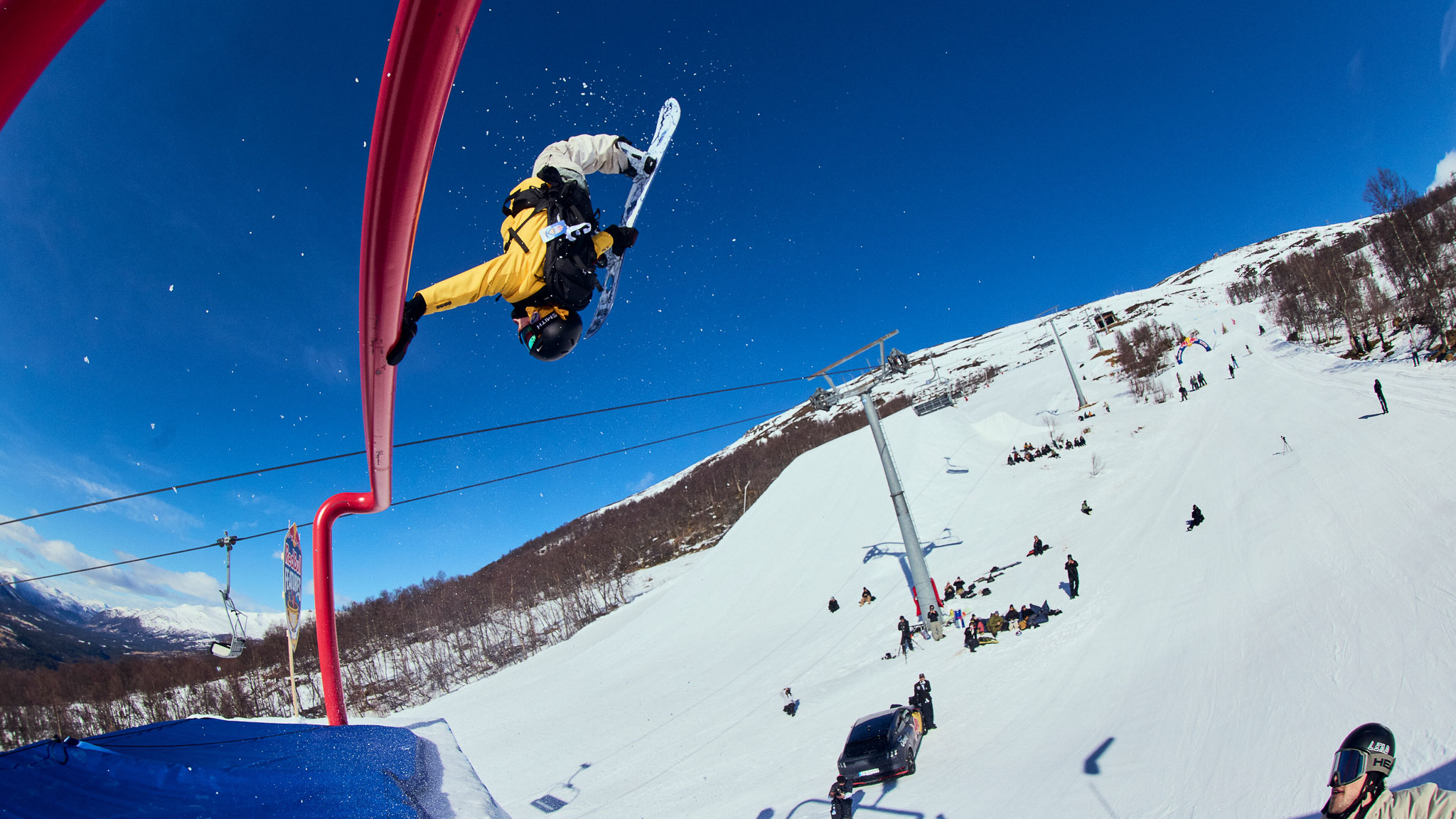
The competition was structured across four distinct zones: banked slalom, rail jam, quarterpipe, and jump. Points were awarded 5-3-1 for first, second, and third place in each zone, ensuring that consistent performance across all disciplines was paramount. Adding a layer of unpredictable excitement was the "Mischief Multiplier," a series of creative challenges layered throughout the event, offering bonus points for adapting to spontaneous twists and demonstrating true ingenuity. "The Mischief Multiplier wasn’t just about throwing a curveball; it was about rewarding riders who could think on their feet and integrate new elements seamlessly into their runs," explained an event director, highlighting the innovative spirit of the competition.
Chronology of Challenges: A Test of Diverse Skills
Zone 1: The Banked Slalom – Speed, Strategy, and Surprise
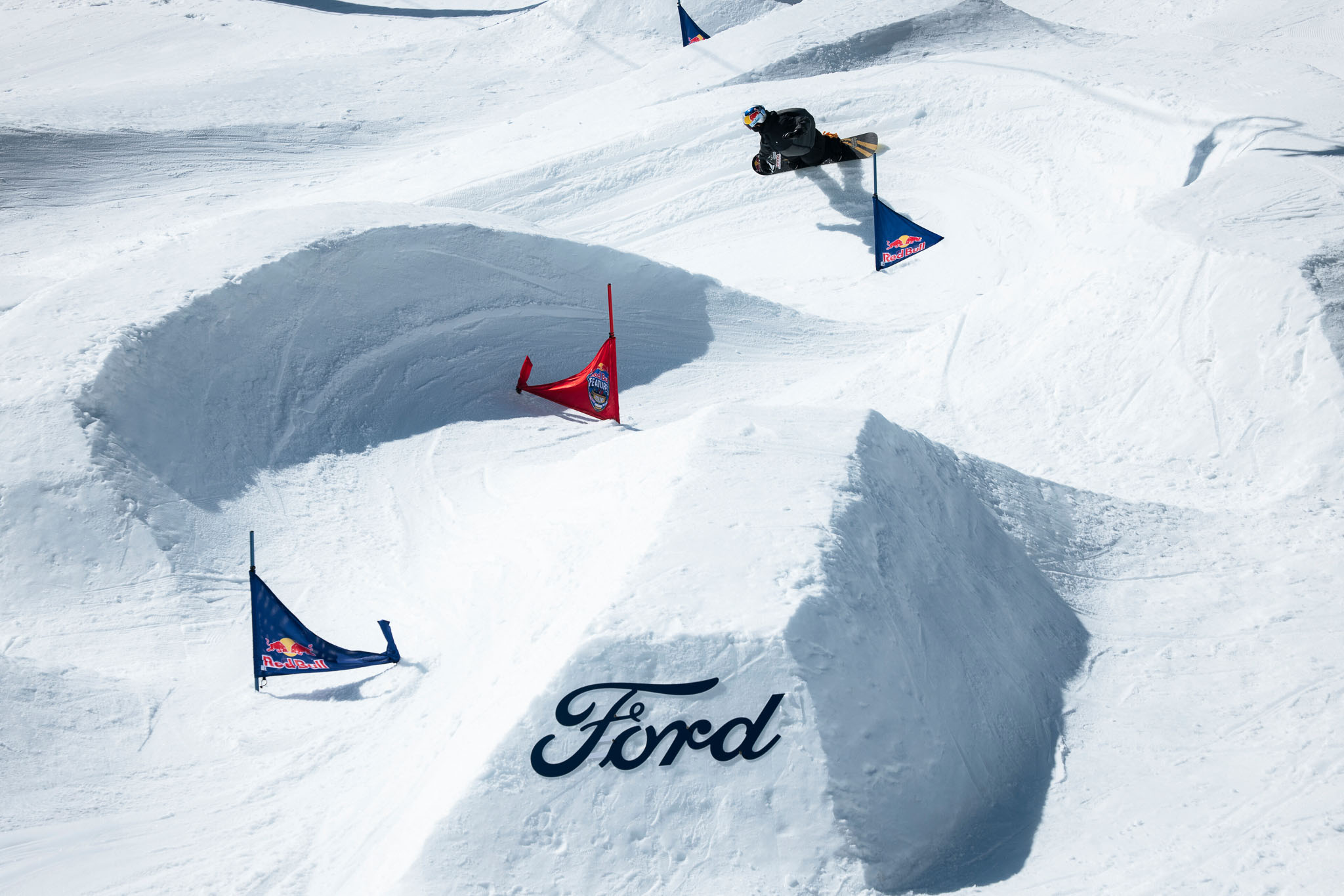
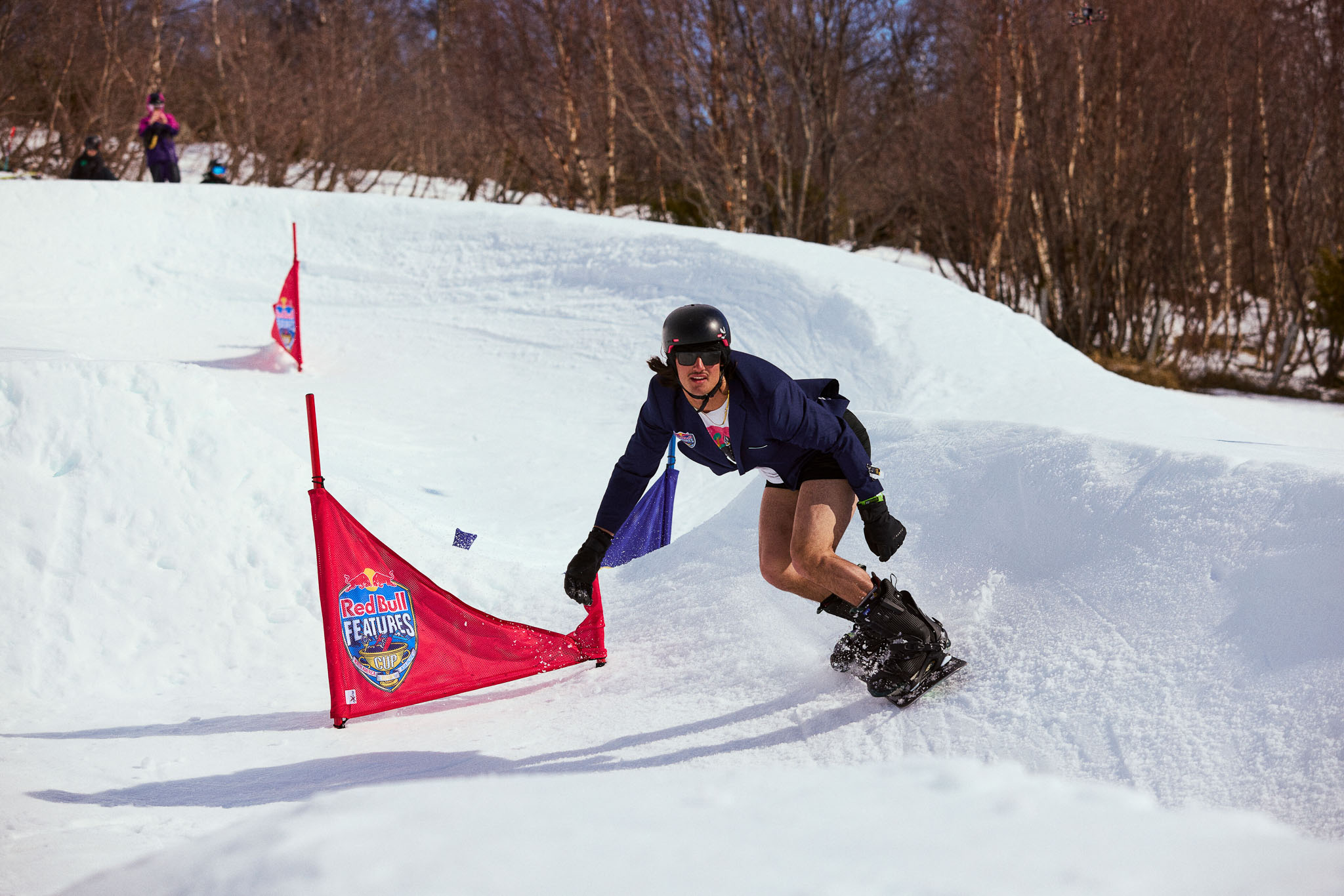
The Red Bull Features Cup commenced with the banked slalom, a discipline that married raw speed with strategic line choices and the added complexity of varied equipment. Teams faced two runs, one on standard snowboards and another on significantly smaller mini boards, a format twist designed to test adaptability and fundamental board control. Cumulative times across all team members determined the standings, but the "Mischief Multiplier" was immediately in play, introducing penalties for missed gates and, uniquely, time deductions for creative risk-taking, such as mid-course flips.
North America’s Luke Winkelmann set a blistering pace on his standard board, executing clean turns with remarkable efficiency, showcasing the team’s initial speed advantage. His performance underscored North America’s aggressive approach to the speed zone. However, the penalties incurred by other team members and the bonus opportunities for creative tricks meant that the standings remained incredibly tight. "Riding the mini boards after a standard run felt like learning to snowboard all over again, but it was incredibly fun and forced us to really focus on technique," commented a rider, emphasizing the novelty of the challenge. Despite individual brilliance, the cumulative nature and the "Mischief Multiplier" kept any single team from dominating early, setting the stage for a closely contested event.
Zone 2: The Rail Jam – Technicality Under Pressure
Following the high-speed opener, the competition transitioned to the rail jam, a zone where technical precision and creative adaptation were paramount. The rail jam began as a traditional, open session, allowing riders to showcase their signature tricks and lines on a variety of features. However, the "Mischief Multiplier" quickly elevated the intensity, introducing a randomized element via a spin wheel. This wheel dictated specific tricks or features that riders had to incorporate into their runs on the fly, demanding immediate strategic adjustments and rewarding those who could maintain composure and creativity under pressure.
North America, widely recognized for its depth in technical rail riding, immediately leaned into this strength. Riders like Luke Winkelmann and Denver Orr (Photo: Theo Acworth / Red Bull) demonstrated exceptional control and innovation, consistently landing complex combinations as the randomizer spun. Their ability to adapt to sudden changes, from specific grinds to required spins into features, allowed them to make this zone a clear strength, garnering valuable points. Europe’s Fridtjof Tischendorf, affectionately known as "Fridge," also emerged as a major standout. Fridge delivered a masterclass in versatility, executing intricate rail tricks with fluidity and style under both open and randomized conditions, earning him significant acclaim from judges and fellow competitors. "The spin wheel was insane; one minute you’re planning a line, the next you’re trying to figure out how to put a frontside 270 out on a kinked rail you’ve never hit like that before," Tischendorf reportedly stated, highlighting the mental agility required.
Zone 3: The Quarterpipe – Amplitude, Coordination, and Collaborative Flair
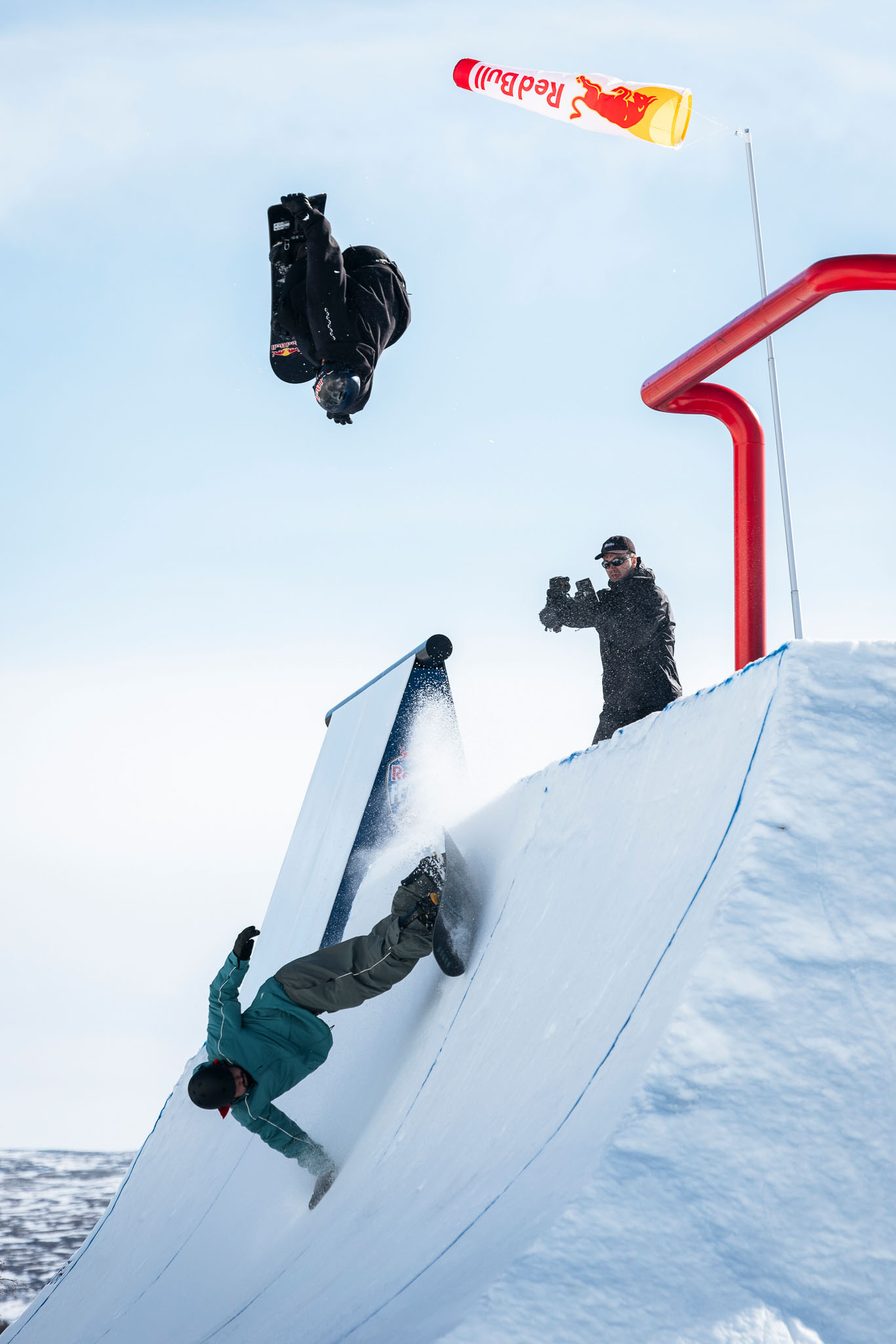
The third zone shifted focus dramatically to amplitude, air awareness, and, uniquely, team coordination within the quarterpipe. The feature itself was enhanced with additional elements such as a wall ride and a "hitching post," expanding the creative options for riders beyond simple airs. A significant bonus opportunity was introduced for synchronized "doubles" runs, where one rider would hit low on the coping while a teammate aired directly over them – a visually spectacular and technically demanding maneuver requiring precise timing and trust.
All three teams rose to this collaborative challenge, successfully pulling off their synchronized doubles runs, much to the delight of the crowd and judges. This collaborative spirit exemplified the event’s underlying ethos, showcasing teamwork in a discipline often seen as individual. Europe’s Fridtjof Tischendorf once again anchored his team’s performance, demonstrating exceptional air control and style, further solidifying his reputation as an all-around force. Asia-Pacific, despite showcasing strong air awareness across its roster and executing impressive individual quarterpipe tricks, fell just short in the zone standings. North America also delivered a solid performance, with their team’s general versatility shining through. The successful execution of doubles by all teams added a distinct collaborative energy to the event, a clear departure from the purely competitive tension of traditional contests.
Zone 4: The Jump Session – Controlled Progression and Uncapped Style
The final individual zone, the jump session, proved to be a defining highlight of the competition. It featured a unique progression format designed to emphasize execution, style, and consistency over sheer rotational difficulty. Riders were required to build their trick progression, starting from 180s and incrementally increasing rotation, with a maximum cap of 900 degrees. This innovative rule shifted the focus away from triple corks and high-difficulty maneuvers, instead challenging teams to carefully plan their trick selection, ensuring maximum style and perfect landings within the rotational limits.
This capped rotation level fostered a jump session unlike anything seen in conventional contests. The emphasis was squarely on amplitude, grab execution, clean landings, and overall flow, rather than simply going bigger or spinning more. Europe, led by the undeniable talent of Marcus Kleveland (Photo: Theo Acworth / Red Bull), came into this zone as a powerhouse. Kleveland, renowned for his flawless execution and unique style, delivered a clinic in controlled progression, showcasing a mastery of mid-range rotations that appeared effortless. However, all three teams rose to the challenge, with Asia-Pacific and North America also delivering highly polished and stylish runs, ensuring a tightly contested finale to the zone-based competition. The strategic planning involved in selecting tricks that would maximize points within the capped rotation became a critical factor. "It was refreshing to focus on the perfect grab and landing rather than just adding another rotation," Kleveland reportedly observed, capturing the sentiment of many riders who appreciated the shift in focus.
An Unprecedented Three-Way Tie and the Sudden-Death Decider
In a testament to the extraordinary depth of talent and the meticulously balanced event format, the Red Bull Features Cup concluded its four primary zones in a rare and mathematically improbable three-way tie. Each of the three formidable teams – Europe, North America, and Asia-Pacific – finished with an identical 12 points. This outcome underscored the exceptional level of competition and the effectiveness of a scoring system that rewarded diverse strengths and consistent performance.
Europe had secured two zone wins, leveraging their aerial prowess and Tischendorf’s all-around brilliance. Asia-Pacific, while securing one zone win, consistently placed second in multiple other zones, showcasing their balanced roster and strategic approach. North America maintained a steady performance across all four zones, demonstrating impressive consistency that kept them perfectly level with their competitors. The scoreboard, reflecting 5-3-1 points for each zone, highlighted how every single placement mattered. "We’ve seen close calls before, but a three-way tie at this level, with such a diverse scoring system, is truly historic," an event official remarked, visibly surprised yet thrilled by the dramatic turn of events. This unprecedented deadlock immediately forced a sudden-death scenario, escalating the tension to an almost unbearable degree.
The tie was ultimately broken in a high-stakes hip session, an unplanned fifth zone that became the dramatic crucible for the event’s climax. A hip feature, often celebrated for its ability to foster creative lines, amplitude, and stylish grabs, was quickly prepared, transforming the contest into a raw, head-to-head showdown. Asia-Pacific, capitalizing on their accumulated momentum and the collective depth of their versatile roster, rose to the occasion. Their riders executed clean, high-amplitude airs with innovative grabs and confident landings, demonstrating superior consistency and flair under immense pressure. In a thrilling sequence, Cool Wakushima, Zephyr Lovelock (Photo: Olav Stubberud / Red Bull), Rocco Jamieson, and Miyabi Onitsuka collectively outmaneuvered their rivals, securing the overall victory and etching their names into the history books as the inaugural Red Bull Features Cup champions. "That hip session was pure adrenaline. We just focused on riding together, pushing each other, and landing everything clean. To win like that, it’s unbelievable," a jubilant Cool Wakushima stated post-event.
Final Results:
1st Asia-Pacific
2nd North America
3rd Europe
A New Benchmark for Competitive Snowboarding
While the podium finishers celebrated their hard-fought achievements, the defining takeaway from the Red Bull Features Cup extended far beyond the final standings. The event successfully cultivated a unique "vibe" – a session-driven environment where riders genuinely fed off each other’s energy. This collaborative atmosphere fostered an unparalleled level of creativity and progression, notably absent of the intense, often isolating, pressure found in more traditional, individual-focused contests. The event proved that competitive snowboarding could thrive when teamwork matters, creativity leads, and fun remains at the absolute core.
The Red Bull Features Cup has unequivocally set a new benchmark for competitive snowboarding. Its innovative format, which seamlessly blended diverse disciplines, integrated strategic twists like the "Mischief Multiplier," and culminated in a truly dramatic finish, offered a compelling vision for the future of the sport. The emphasis on all-around talent, adaptability, and rider camaraderie resonated deeply within the snowboarding community. "This event showed us what’s possible when you rethink the rules. It’s not just about who goes biggest, but who can do it all, with style and a smile," remarked a prominent snowboarding journalist, highlighting the event’s profound impact.
The successful debut of the Red Bull Features Cup suggests a significant shift in how competitive snowboarding could evolve. By prioritizing holistic skill sets and fostering a supportive, yet fiercely competitive, environment, it has opened new avenues for rider development and spectator engagement. The event not only delivered an unforgettable spectacle but also laid down a compelling blueprint for future competitions, proving that innovation, when rooted in the true spirit of snowboarding, can redefine the sport’s landscape. The legacy of this inaugural event, particularly its unprecedented tie-breaker and Asia-Pacific’s dramatic triumph, will undoubtedly resonate through the snowboarding world for years to come. The future of competitive snowboarding, as envisioned by the Red Bull Features Cup, looks both exciting and deeply authentic to the sport’s adventurous spirit.

