
The inaugural Red Bull Features Cup concluded in dramatic fashion, with the Asia-Pacific team emerging victorious after an unprecedented three-way tie necessitated a sudden-death hip session. Held at a world-class, purpose-built snow park, this revolutionary event brought together three formidable regional teams – Europe, North America, and Asia-Pacific – to redefine competitive snowboarding through a unique blend of skill, strategy, and sheer creativity. The competition unfolded over four distinct zones, culminating in a nail-biting finish that underscored the event’s groundbreaking format and its potential implications for the future of the sport.
A New Vision for Competitive Snowboarding: The Genesis of the Red Bull Features Cup
The Red Bull Features Cup was conceived as a direct response to the evolving landscape of competitive snowboarding, aiming to inject a fresh dynamic into a sport often criticized for its increasing reliance on highly technical, repetitive tricks. Organizers sought to create an environment where raw talent, adaptable strategy, and collaborative spirit would take precedence over individual, high-difficulty maneuvers. The vision was to craft a "rider’s event," one that celebrated the diverse skill sets within snowboarding and fostered a sense of community and shared progression, rather than purely cutthroat competition. Early discussions among prominent figures in the snowboarding world, including legends and current pros, highlighted a desire for an event that mirrored the organic progression and camaraderie found in backcountry sessions or park laps with friends, but on a grand competitive stage. This ethos was woven into every aspect of the event’s design, from the multi-zone course layout to the innovative scoring system and the "Mischief Multiplier" creative challenges.
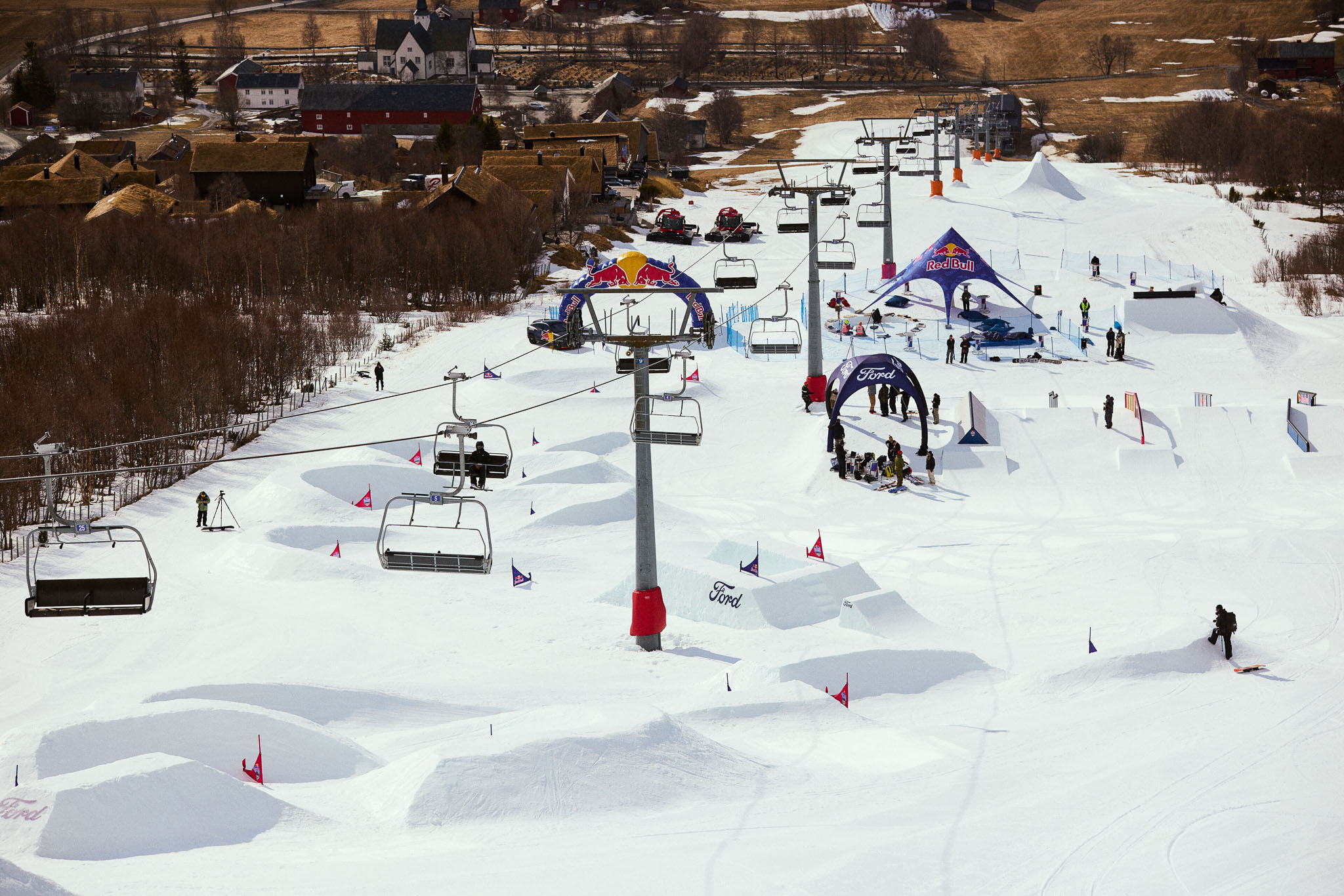
The event’s structure was meticulously designed to test a comprehensive range of snowboarding abilities. Each regional team comprised four elite riders, carefully selected not just for their individual prowess but also for their complementary skill sets, crucial for navigating the team-based challenges. Europe boasted a roster of technical titans: Marcus Kleveland, Fridtjof Tischendorf, Isak Ulstein, and Celia Petrig. North America countered with a blend of style and power: Luke Winkelmann, Denver Orr, Egan Wint, and Lane Weaver. The Asia-Pacific contingent, ultimately the victors, showcased a formidable mix of versatile talent with Cool Wakushima, Zephyr Lovelock, Rocco Jamieson, and Miyabi Onitsuka. The course itself was a marvel of snow park engineering, featuring a sprawling layout that seamlessly integrated natural terrain with sculpted features, designed by a collaborative team of veteran course builders and professional riders. Its "outrageous" appearance, as noted by spectators, was a testament to its innovative design, promising a visually spectacular and technically demanding arena for the world’s best.
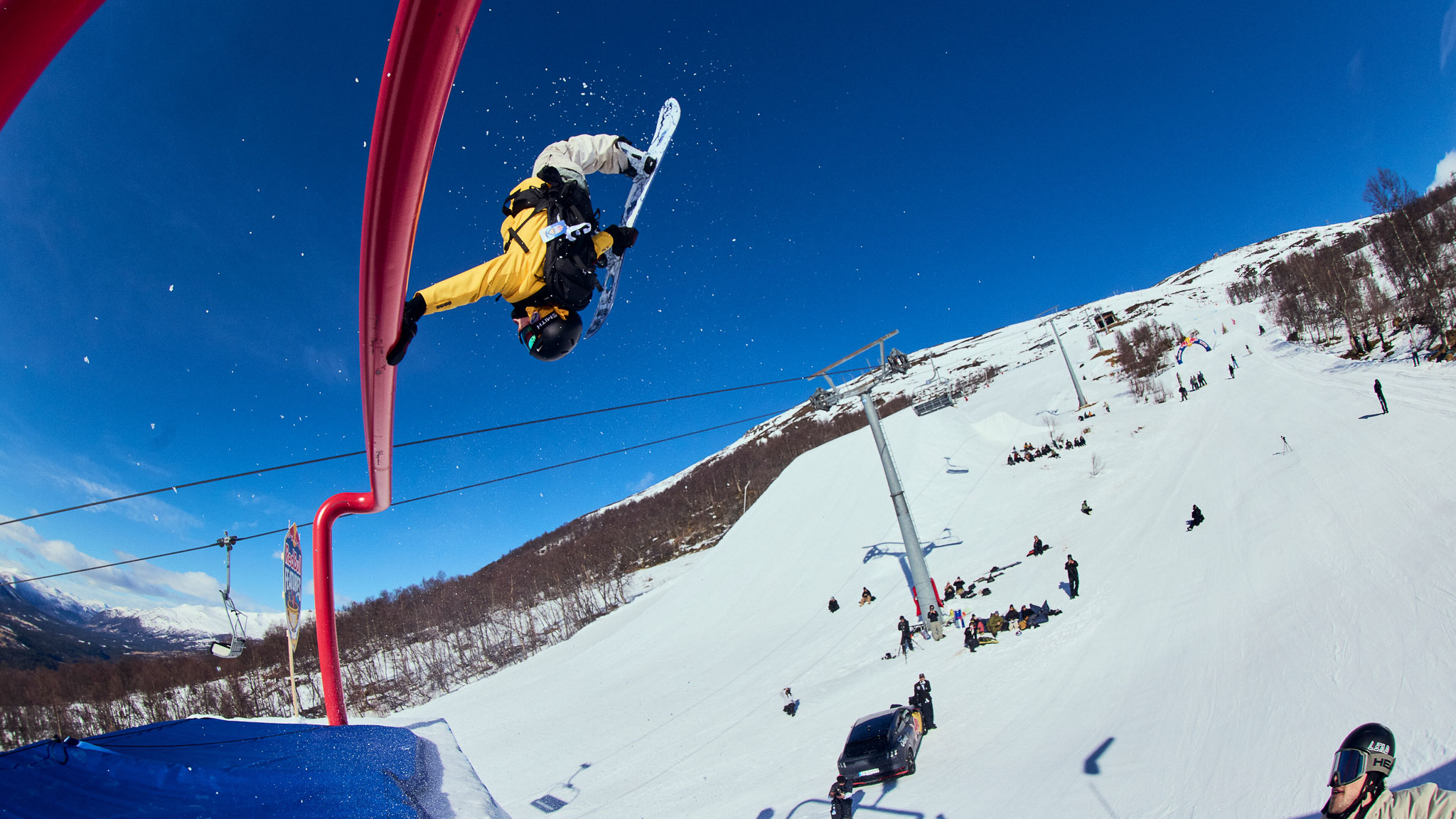
Chronology of Competition: Navigating the Four Zones of Innovation
The competition was divided into four distinct zones: banked slalom, rail jam, quarterpipe, and jump, each carrying equal weight in the initial scoring, awarding points 5-3-1 for first, second, and third place respectively. Crucially, the "Mischief Multiplier" was layered throughout, introducing spontaneous creative challenges that could significantly alter standings and reward on-the-fly adaptation.
Zone 1: The Banked Slalom – Speed, Strategy, and Miniature Mayhem
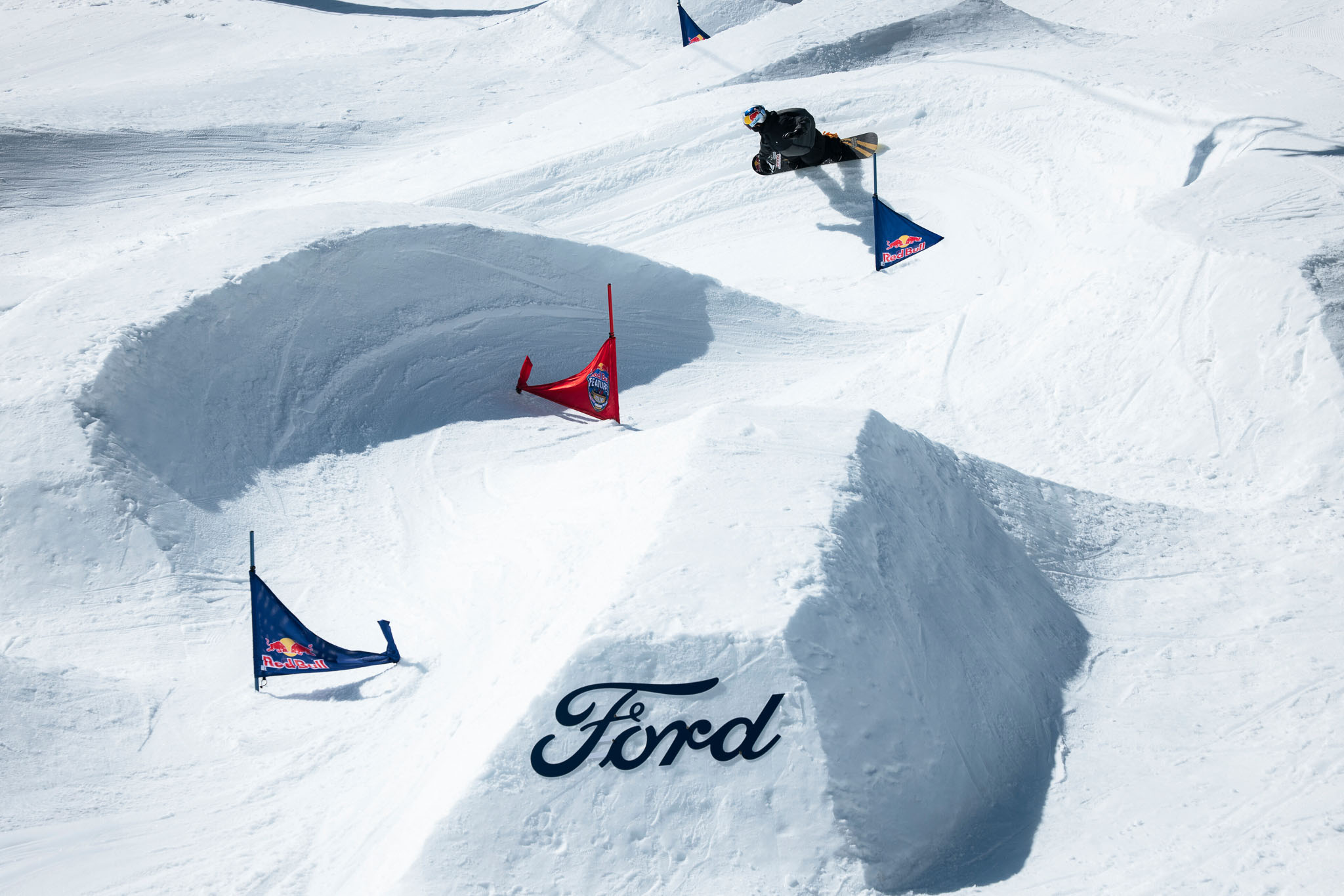
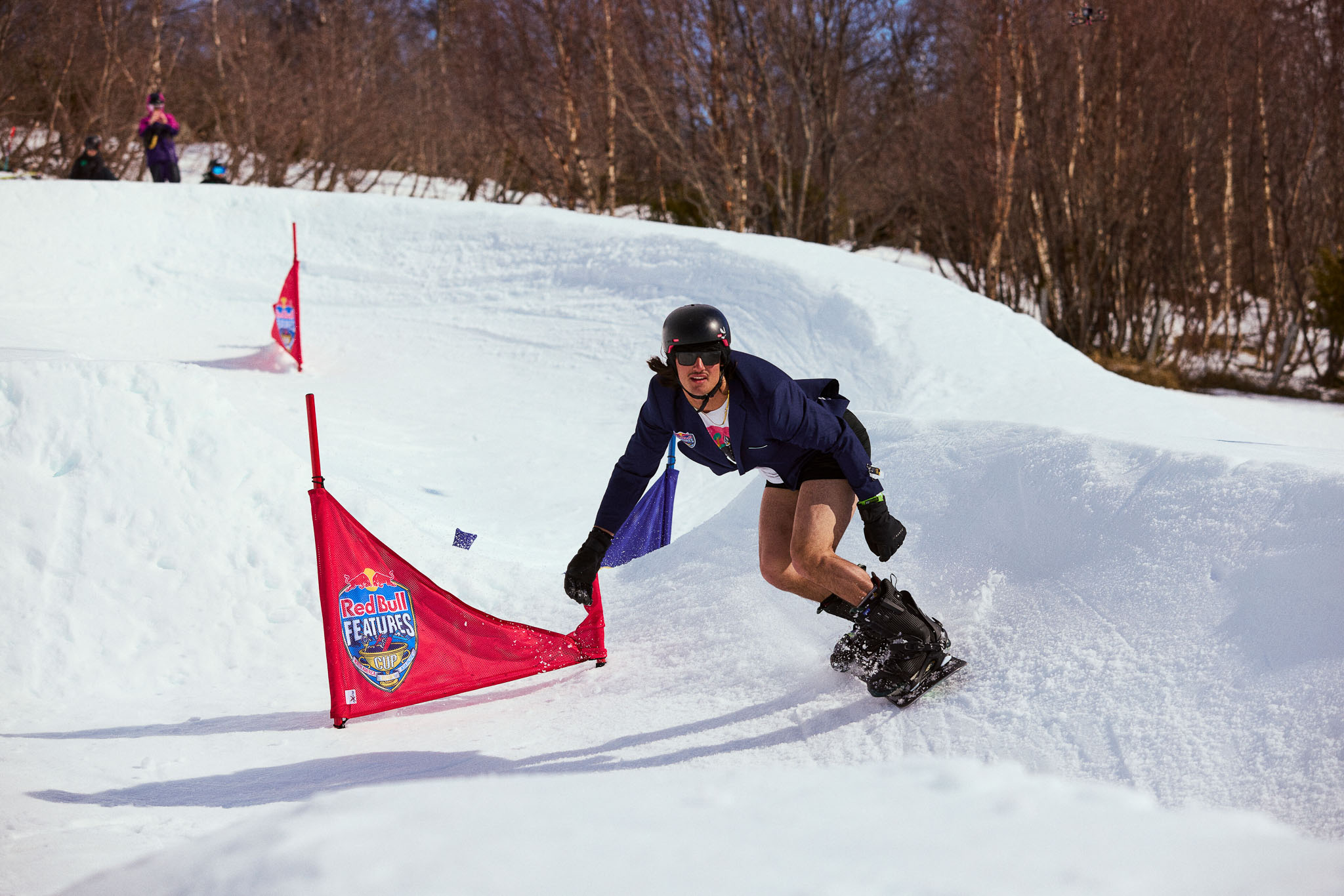
The opening salvo was the banked slalom, a discipline that traditionally marries speed with precision. However, the Red Bull Features Cup rendition added layers of strategic complexity. Teams were required to log cumulative times across two runs. The first run was on standard competition boards, where raw speed and clean lines were paramount. North America’s Luke Winkelmann, known for his explosive power and precise carving, immediately set a blistering pace, demonstrating the team’s inherent speed advantage. His initial run, executed with surgical accuracy through the challenging turns, put North America in a strong early position.
The second run introduced the event’s first major twist: mini boards. These significantly shorter boards demanded an entirely different approach, emphasizing quick reflexes, agile footwork, and a playful attitude over pure downhill velocity. This segment tested riders’ adaptability and control, often leading to spectacular, if sometimes chaotic, displays. Penalties were strictly enforced for missed gates, adding pressure to an already challenging format. To further spice things up, time bonuses were awarded for "creative risk-taking," specifically time deductions for incorporating tricks like mid-course flips. This encouraged riders to balance speed with flair, pushing the boundaries of what’s typically seen in a banked slalom. While Winkelmann’s standard board run gave North America an edge, a few minor penalties and the unpredictable nature of the mini-board runs kept the cumulative standings incredibly tight, with Europe and Asia-Pacific consistently applying pressure. Fridtjof Tischendorf for Europe showcased surprising agility on the mini-board, indicating Europe’s versatility early on.
Zone 2: The Rail Jam – Technicality Meets Unpredictable Innovation
The competition then moved to the rail jam, a zone designed to celebrate technical prowess and creative street-style snowboarding. This session began as a traditional, open-format jam, allowing riders to showcase their signature rail tricks and combinations. North America, with its deep roster of urban and technical rail specialists like Denver Orr and Egan Wint, quickly established dominance. Their seamless transitions, complex grinds, and stylish slides demonstrated why this zone was a perceived strength for them. The crowd was treated to a masterclass in controlled chaos, as riders attacked a variety of rails, boxes, and ledges.
However, the "Mischief Multiplier" soon made its presence felt, transforming the session with a randomizer element: a spin wheel. This wheel dictated specific tricks or features that riders had to incorporate on the fly – a switch-up to a specific rail, a gap to a particular box, or even a required hand drag. This forced rapid adaptation and rewarded not just execution, but also the mental agility to interpret and integrate spontaneous challenges. Europe’s Fridtjof Tischendorf, affectionately known as "Fridge" for his cool demeanor under pressure, truly shone here. He consistently delivered under both the open and randomized conditions, executing intricate maneuvers with apparent ease and adding a layer of sophisticated style that impressed both judges and fellow competitors. Asia-Pacific, while strong, found North America’s technical depth and Europe’s Tischendorf’s adaptability a tough benchmark in this highly dynamic zone.
Zone 3: The Quarterpipe – Amplitude, Air Awareness, and Synchronized Spectacle
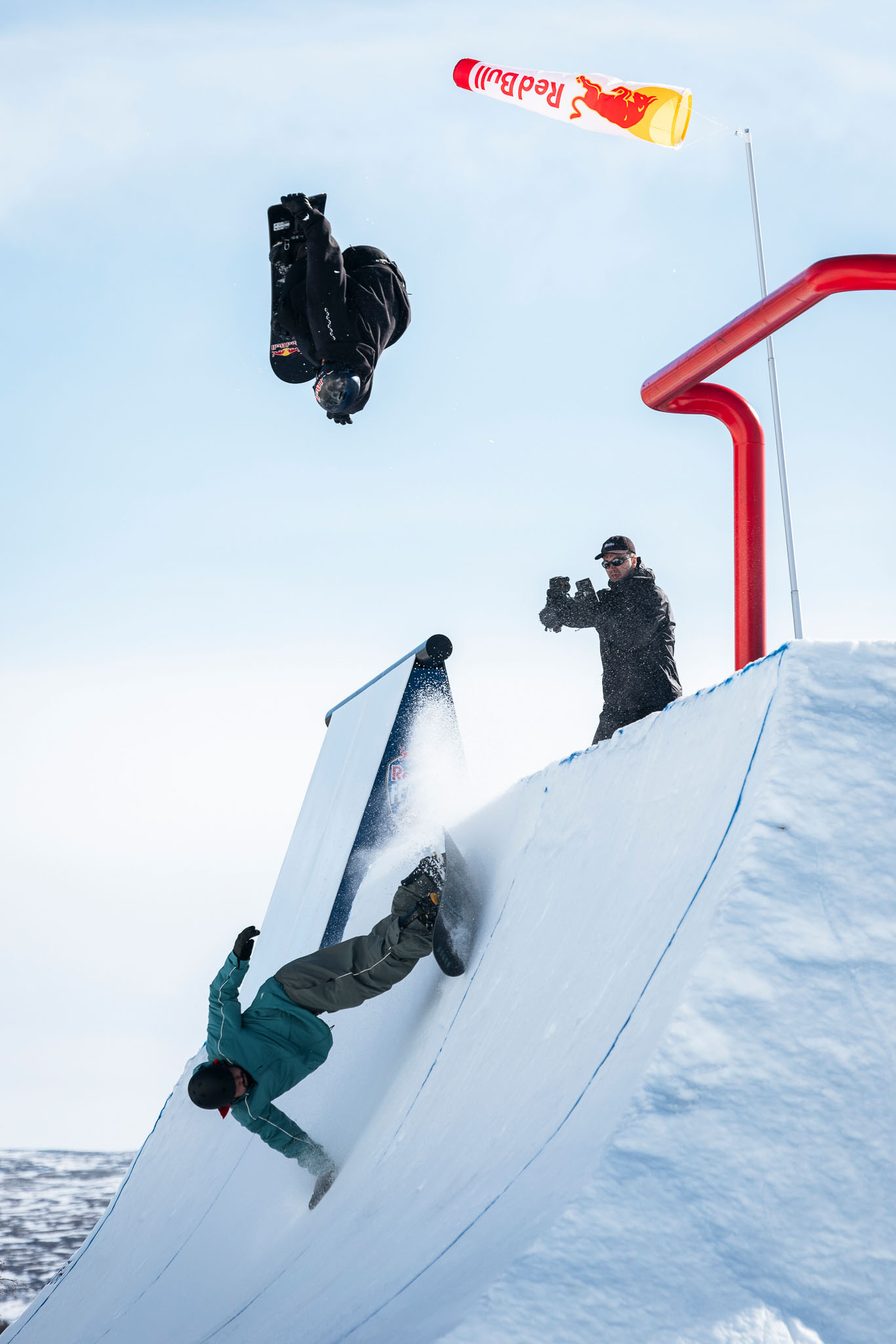
The quarterpipe zone shifted the focus dramatically to amplitude, air awareness, and team coordination. The feature itself was a towering structure, complemented by additional elements like a wall ride and a "hitching post" for creative extensions, encouraging riders to think beyond simple airs. A major highlight and source of bonus points were the synchronized "doubles" runs. This daring maneuver involved one rider hitting low on the coping while a teammate aired directly over them, demanding impeccable timing, spatial awareness, and mutual trust.
In a display of impressive teamwork and skill, all three teams successfully pulled off these challenging doubles, much to the delight of the roaring crowd. The collaborative energy was palpable, transforming a potentially individualistic discipline into a shared spectacle. Tischendorf once again proved to be an anchor for Europe, consistently boosting massive airs with immaculate grabs and landings, solidifying his reputation as one of the event’s most versatile performers. Asia-Pacific, with Cool Wakushima and Miyabi Onitsuka showcasing exceptional air awareness and fluidity, executed several stylish lines and impressive height. Despite their strong individual performances and successful doubles, they narrowly missed out on top points in this zone, often due to a fraction less amplitude or a minor imperfection in landing compared to the European and North American teams who edged them out through sheer scale and precision on their largest hits.
Zone 4: The Jump Session – Controlled Progression and Stylistic Mastery
The final zone, the jump session, was designed to be a defining highlight, pushing riders to demonstrate controlled progression and stylistic mastery rather than simply maximizing rotation. The unique format required each rider to build from basic 180-degree rotations, incrementally increasing difficulty up to a maximum of 900 degrees. This capped rotation level deliberately shifted the focus away from triple corks and other high-spin aerials, redirecting attention toward execution, style, and flow. Teams had to meticulously plan their trick selection, ensuring consistency and clean landings at each progression step.
Europe, led by the incomparable Marcus Kleveland, entered this zone as a clear powerhouse. Kleveland, a master of air control and technical perfection, executed his progression with surgical precision, showcasing a range of stylish grabs and buttery landings that left little doubt about his command of the air. However, all three teams rose to the challenge, delivering a tightly contested finale. North America’s Luke Winkelmann matched Kleveland’s precision with his signature clean style, while Asia-Pacific’s Zephyr Lovelock and Rocco Jamieson impressed with their consistent amplitude and unique grab variations. The capped rotation level created a session unlike anything seen in traditional competition, where the emphasis was squarely on the artistry of snowboarding. Each 900 felt like a carefully crafted masterpiece, rather than a mere escalation of difficulty.
The Unprecedented Standstill: A Three-Way Tie Forces Sudden Death
In a truly astonishing turn of events, a testament to the evenly matched field and the ingenious scoring system, the competition concluded after all four zones in a mathematically improbable three-way tie. Each team had accumulated 12 points, creating a deadlock that sent ripples of excitement and disbelief through the crowd and the riders alike. Europe had secured two zone wins, leveraging Kleveland’s jump prowess and Tischendorf’s all-around versatility. Asia-Pacific, despite only one outright zone win, consistently placed second or third across multiple zones, demonstrating remarkable depth and consistency. North America, while not dominating any single zone, maintained a steady presence in the top ranks, showcasing their balanced team strength and strategic consistency.
The revelation of the tie brought the entire event to a dramatic halt. The energy in the arena shifted from intense competition to a collective anticipation. Organizers, having never truly anticipated such a perfectly balanced outcome, swiftly convened to determine a fair and thrilling tie-breaker. The decision was made to introduce an unplanned fifth zone: a sudden-death hip session.
Sudden Death and Asia-Pacific’s Triumph in the Hip Session
The hip session, a feature designed for creative transfers and stylish airs, became the crucible for victory. This format demanded creative lines, amplitude, and flawless execution under immense pressure. It was a true test of nerve and raw talent, with the entire championship hinging on a single, decisive performance from each team. The atmosphere was electric, with riders and spectators holding their breath.
Asia-Pacific, perhaps fueled by the momentum of their consistent performance and a collective hunger for victory, capitalized on this high-stakes scenario. Cool Wakushima, known for her fluid style and fearless approach, laid down a series of highly technical transfers with incredible amplitude and unique grabs. Zephyr Lovelock followed with a massive air, showcasing impeccable control and a signature tweak that drew gasps from the crowd. Rocco Jamieson delivered a powerful and precise hit, reinforcing the team’s collective strength. Miyabi Onitsuka, with a final, perfectly executed air, sealed the deal. Their combined performance in this impromptu zone was a masterclass in dynamic hip riding, demonstrating exceptional air awareness, innovative line selection, and unwavering composure. The judges awarded Asia-Pacific the decisive points, crowning them the inaugural Red Bull Features Cup champions.
Final Results:
1st Asia-Pacific
2nd North America
3rd Europe
Rider and Organizer Reactions: A Paradigm Shift in Competition
The podium ceremony was less about individual glory and more about shared achievement and camaraderie. "This win feels incredible, especially after such an insane tie-breaker," commented Cool Wakushima, captain of the Asia-Pacific team. "But honestly, the best part was riding with these guys and feeling that team energy. The format really pushed us to think differently, and the ‘Mischief Multiplier’ kept everyone on their toes. It was pure snowboarding fun."
Luke Winkelmann of North America reflected on the event’s unique demands: "The mini-boards in the banked slalom and that randomizer in the rail jam? Totally wild, totally brilliant. It forced us out of our comfort zones and reminded us why we love this sport – it’s about adaptability and creativity. We’re stoked on second, but even more stoked on the experience."
Marcus Kleveland, representing Europe, echoed the sentiment: "Coming into the jump session, we knew we had to be flawless, but it wasn’t just about big spins. It was about execution, style, and flow at every level. The spirit of this event, the vibe, it’s infectious. It’s a different kind of pressure, a good kind."
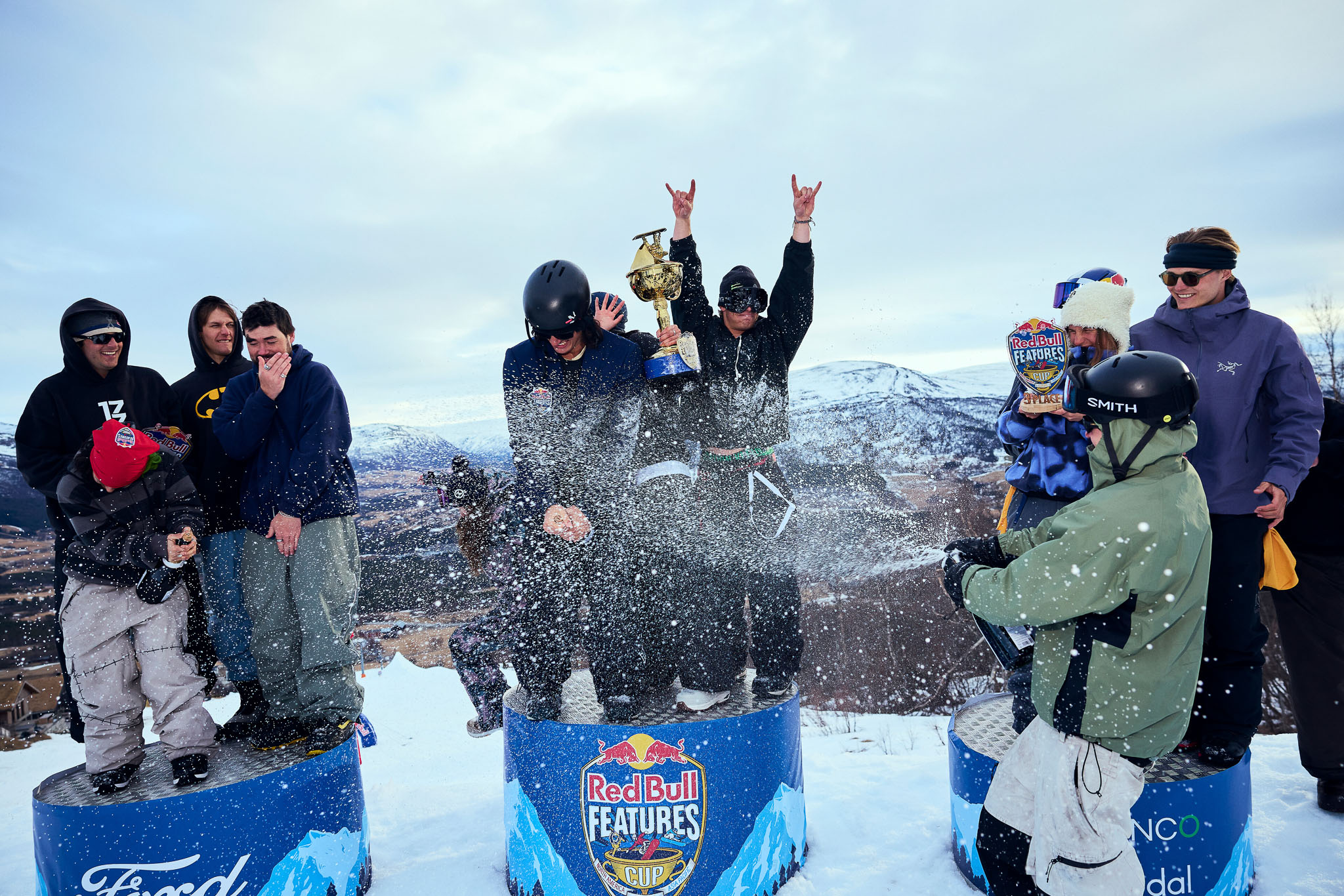
An event organizer, speaking after the final announcement, emphasized the groundbreaking success: "We set out to create an event that celebrated the true spirit of snowboarding – creativity, teamwork, and progression without the constraints of traditional formats. The three-way tie was unprecedented, yes, but it perfectly encapsulated how evenly matched and incredibly talented these riders are, and how effective our format was in challenging them comprehensively. This is more than just a contest; it’s a blueprint for the future of competitive snowboarding."
Beyond the Podium: The Vibe and Future Implications
More than the final standings or the dramatic tie-breaker, the defining takeaway from the Red Bull Features Cup was its palpable "vibe." This was a session-driven environment where riders genuinely fed off each other’s energy, pushing boundaries of creativity and progression in a way rarely seen in high-stakes competition. The absence of overwhelming pressure to perform singular, impossibly difficult tricks, replaced by an emphasis on diverse skills and collaborative challenges, fostered an atmosphere of joyful innovation.
This successful debut sets a new benchmark for competitive snowboarding. Its implications are far-reaching. Firstly, it champions a more holistic approach to rider development, rewarding versatility and adaptability over hyper-specialization. Riders are encouraged to be well-rounded athletes capable of excelling across various terrains and challenges. Secondly, it offers a fresh, engaging spectacle for audiences, blending the thrill of competition with the organic flow and creativity of freestyle snowboarding. The "Mischief Multiplier" and team challenges provide built-in narrative hooks that keep spectators invested and entertained.
The Red Bull Features Cup demonstrated that competition doesn’t have to be rigid or predictable to be intense and rewarding. By prioritizing creativity, fostering teamwork, and keeping fun at its core, the event has carved out a unique space in the winter sports calendar. It presents a compelling model that could influence future event formats, potentially even inspiring adaptations in other action sports. As the snowboarding world looks ahead, the inaugural Red Bull Features Cup stands as a testament to innovation, proving that the sport’s most exciting chapters are still being written, one creative challenge and collaborative session at a time.

