
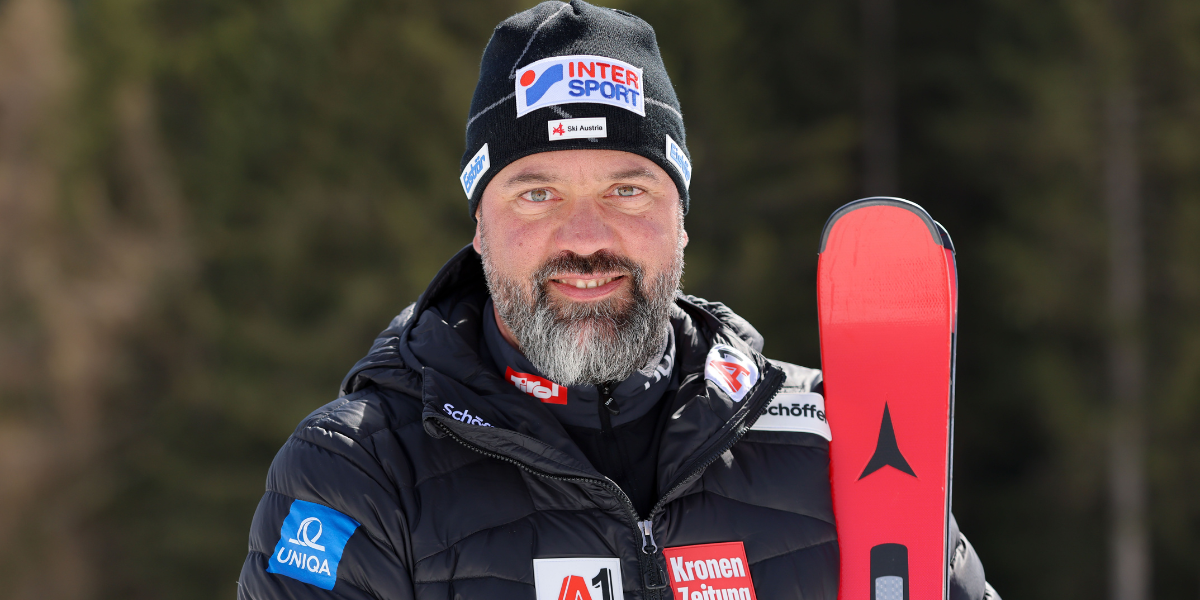
The Austrian Ski Association (ÖSV) has officially announced the appointment of Johannes Zöchling as the new head coach for its formidable women’s alpine ski team, a strategic move set to take effect on May 1, 2026. This significant leadership transition will see Zöchling succeed the long-serving and respected Roland Assinger, ushering in what many observers believe will be a pivotal era for one of the most storied national teams in alpine skiing. The decision underscores the ÖSV’s commitment to continuous evolution, aiming to fortify its position at the apex of international competition while nurturing a new generation of talent.
The Mandate: A New Era for Austrian Women’s Alpine Skiing
The timing of Zöchling’s appointment, taking effect nearly two years from the announcement date, signals a carefully planned transition designed to ensure continuity and allow for thorough strategic development. The Austrian women’s alpine team stands at a crucial juncture. While consistently a force on the World Cup circuit, securing numerous podium finishes and individual victories across various disciplines, the past few seasons have also highlighted the escalating competition from rival nations. Teams like Switzerland, Italy, and the United States have demonstrated formidable strength, challenging Austria’s traditional dominance, particularly in speed events and overall World Cup standings. The mandate for Zöchling will be clear: to reassert Austria’s comprehensive strength, enhance consistency across all disciplines, and cultivate a robust pipeline of athletes capable of challenging for major titles at World Championships and Olympic Games. This involves not only optimizing the performance of current elite skiers but also accelerating the development of emerging talents to ensure sustainable success for years to come. The objective is not merely to win races but to build a cohesive, resilient, and adaptable team culture that can withstand the rigours of a demanding international calendar.
Johannes Zöchling: A Profile in Alpine Coaching Excellence
At 46 years old, Johannes Zöchling brings a rich tapestry of experience and an intimate understanding of the Austrian skiing ecosystem. His career within the ÖSV spans more than 14 years, during which he has navigated various coaching and development roles, building a reputation as a meticulous strategist and an astute developer of athletic talent. His journey through the ÖSV ranks has provided him with an unparalleled insight into the unique strengths and challenges of Austrian ski racing, from grassroots development programs to the elite World Cup circuit.
Zöchling’s tenure within the ÖSV has seen him contribute significantly to multiple levels of athlete progression. He began his coaching career focusing on youth development, identifying and honing the raw potential of aspiring skiers. His methodical approach and emphasis on fundamental technical skills quickly distinguished him. He subsequently moved into roles with the junior national teams, guiding young athletes through the demanding Europa Cup circuit, where many future World Cup stars cut their teeth. Here, he was instrumental in preparing athletes for the transition to the sport’s highest echelons, instilling professional discipline and competitive resilience. Later, he served as an assistant coach for various World Cup groups, working closely with top-tier athletes and gaining invaluable experience in race-day strategy, equipment optimization, and performance management under high-pressure scenarios. This progression through the ÖSV’s structured system means he understands the entire athlete pathway, from nascent talent to Olympic hopeful.
His coaching philosophy is understood to be comprehensive, blending traditional Austrian technical prowess with modern sports science. Sources close to the ÖSV suggest Zöchling advocates for a holistic approach to athlete development, emphasizing not just physical conditioning and technical precision but also mental fortitude, tactical intelligence, and a deep understanding of snow conditions and course dynamics. He is known for fostering an environment of continuous learning and adaptation, encouraging athletes to take ownership of their development and embrace challenges as opportunities for growth.
Beyond his extensive domestic background, Zöchling’s recent experience as a coach for the Norwegian women’s technical team adds a crucial international dimension to his résumé. Norway, a dominant force in both alpine and Nordic skiing, is renowned for its systematic approach to athlete development, innovative training methodologies, and a strong team-first ethos. Working within this highly successful environment provided Zöchling with fresh perspectives and exposure to alternative coaching models and preparation strategies. This international insight is expected to be a significant asset, allowing him to integrate best practices from abroad with Austria’s inherent strengths, potentially bringing new approaches to training, recovery, and psychological preparation for the Austrian squad. His time with the Norwegian team likely exposed him to diverse perspectives on everything from slalom gate training to giant slalom tactics and the intricate balance between aggression and control on the racecourse.
The Transition: From Assinger’s Tenure to Zöchling’s Vision
Johannes Zöchling steps into shoes left by Roland Assinger, a figure who has steered the Austrian women’s alpine team for a considerable period, bringing stability and a consistent level of performance. Assinger’s tenure, marked by dedication and a deep commitment to his athletes, saw the team achieve significant successes, including multiple World Cup victories and medal hauls at major championships. He is credited with fostering a strong team spirit and guiding many athletes to their peak performances. His departure, effective May 1, 2026, is understood to be part of a mutual agreement to seek fresh impetus and allow for a strategic reorientation of the program. This extended handover period is uncharacteristic of immediate coaching changes and signals a deliberate, well-considered transition plan by the ÖSV leadership, allowing both Assinger and Zöchling ample time to prepare their respective next steps and ensure a seamless changeover for the athletes.
The interim period will likely involve extensive collaboration between Assinger, Zöchling, and ÖSV Sports Director Mario Stecher to map out future strategies, assess the current talent pool, and identify areas for potential growth and refinement. This structured handover is crucial for maintaining team morale and ensuring that athletes experience minimal disruption to their training and competition schedules. Zöchling’s immediate priorities upon officially taking the reins will undoubtedly include a comprehensive assessment of the existing team structure, a review of training methodologies, and personal consultations with each athlete to understand their individual needs and aspirations. He will also be tasked with assembling his own support staff, a critical component in shaping the team’s future direction and operational efficiency.
Strategic Implications: Blending Domestic Strength with International Insight
Zöchling’s unique blend of deep domestic roots and recent international exposure is perhaps his most compelling attribute. It positions him perfectly to infuse the Austrian team with new energy while preserving the core values that have historically made them successful. His time with the Norwegian team, known for its pragmatic and often innovative approaches, could lead to subtle yet significant shifts in how the Austrian women prepare and compete. This might include a greater emphasis on data analytics in training, personalized performance plans tailored to individual athlete biometrics and race profiles, or even a re-evaluation of specific technical training drills.
The integration of international best practices with the robust Austrian system could manifest in several ways. For instance, Norway’s success often comes from a strong focus on athlete welfare and long-term development, prioritizing sustainable careers over short-term gains. Zöchling might introduce elements of this philosophy, potentially leading to more individualized training loads, enhanced recovery protocols, and a greater emphasis on mental coaching. From a technical perspective, his experience with the Norwegian technical team could bring fresh insights into slalom and giant slalom tactics, areas where precision and adaptability are paramount. This blend could help Austria regain an edge in technical disciplines and elevate their overall competitive profile.
Furthermore, Zöchling’s history of working across multiple levels of athlete development suggests a strong commitment to fostering talent from within. This could lead to a renewed focus on the Europa Cup circuit and junior programs, ensuring a continuous supply of well-prepared athletes ready to step onto the World Cup stage. His ability to identify and nurture potential will be crucial in building a resilient team that can adapt to retirements and injuries without losing momentum. The implication is a long-term strategic vision that goes beyond immediate World Cup results, aiming for sustained dominance across generations.
Official Endorsements and Expectations
The appointment has been met with strong confidence from the ÖSV leadership. Mario Stecher, the ÖSV Sports Director, articulated this support, stating, "With Johannes Zöchling, we have gained a coach who has proven over many years that he can successfully develop female athletes." This endorsement highlights Zöchling’s consistent track record and the faith placed in his capabilities to guide the team forward. The ÖSV’s confidence stems not only from his prior successes but also from his comprehensive understanding of the sport’s evolving landscape and his potential to innovate.
Beyond official statements, the sentiment within the broader Austrian skiing community appears to be one of cautious optimism and anticipation. Former Austrian alpine stars and seasoned skiing analysts have expressed enthusiasm for the blend of Zöchling’s domestic familiarity and international perspective. Many believe this combination is precisely what the team needs to navigate the increasingly competitive global arena. Athletes, while naturally sad to see Assinger depart, are expected to welcome Zöchling with an open mind, eager to embrace new ideas and training methodologies that could propel them to new heights. The leadership change is perceived as a proactive step to ensure Austria remains a perennial powerhouse in women’s alpine skiing.
The Road Ahead: Building Towards Future Success
Zöchling steps into the position at a critical time for the Austrian women’s team. The period leading up to his official start on May 1, 2026, will be crucial for foundational planning. Further announcements regarding the specific structure of the coaching staff, including technical coaches for individual disciplines and support personnel, are expected in the coming weeks and months. These appointments will be instrumental in defining the day-to-day operations and strategic direction under Zöchling’s leadership.
The long-term vision under Zöchling will undoubtedly target not only consistent World Cup podiums but also peak performances at major events. The next Winter Olympics and World Championships will serve as critical benchmarks for the team’s progress. His leadership is expected to bring a renewed focus on individual athlete development plans, leveraging technology and sports science to maximize potential. The emphasis will be on creating a dynamic and supportive team environment where athletes feel empowered to push their limits, take calculated risks, and perform at their absolute best when it matters most. Success will be measured not just in medals but in the overall depth, resilience, and adaptability of the Austrian women’s alpine team. The journey ahead promises to be challenging, but with Johannes Zöchling at the helm, the ÖSV is positioning itself for a vibrant and successful future in women’s alpine skiing.
Source: ORF Sport; skinews.ch; Austrian Ski Association (ÖSV)

