
Norwegian biathlete Karoline Offigstad Knotten has been hospitalized with a ruptured and infected appendix, a condition that will necessitate a significant delay in her surgical treatment. Originally admitted just prior to the May 17th national holiday, Knotten has been informed that she must now wait an unexpected eight weeks before undergoing the necessary operation to remove the inflamed organ. This prolonged waiting period has cast a shadow over the athlete’s immediate future and raises questions about her preparation for upcoming competitive seasons.
Knotten, a prominent figure in the international biathlon circuit and a bronze medalist at the recent Winter Olympics, has been grappling with unexplained pain and gastrointestinal distress since the World Cup finals held in Holmenkollen in March. For weeks, she underwent a series of diagnostic examinations and evaluations, none of which yielded a definitive cause for her persistent symptoms. The medical uncertainty surrounding her condition had been a source of considerable stress for the athlete.
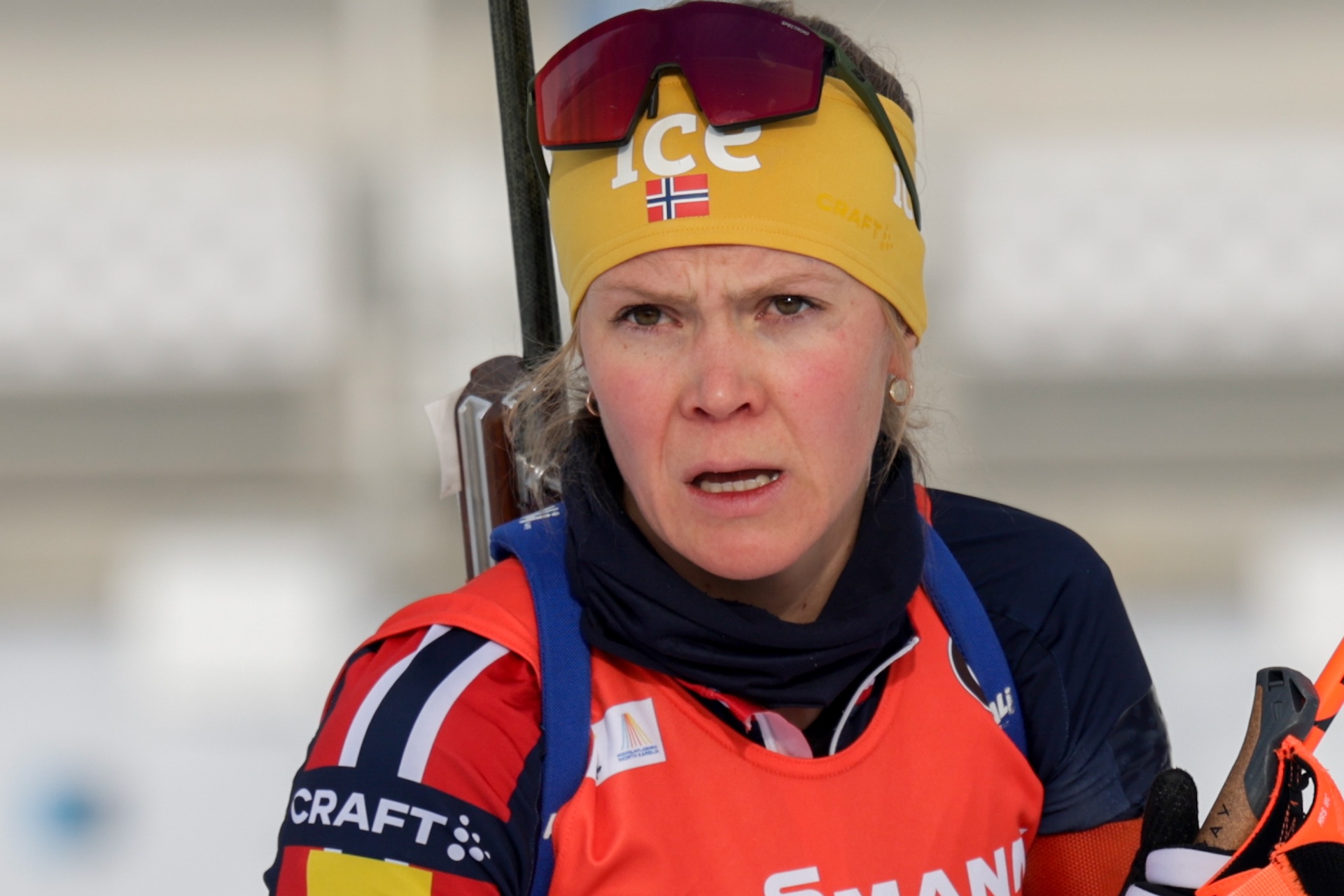
The breakthrough in diagnosis came shortly before the May 17th celebrations, a significant date in Norway’s national calendar. The 31-year-old athlete from Lillehammer was admitted to a hospital where medical professionals identified a ruptured and infected appendix requiring surgical intervention. Knotten was granted a temporary leave from the hospital to spend the weekend at home, but she returned to the hospital on Monday, only to receive the startling news of the extended waiting period for her surgery.
This development has understandably left Knotten surprised and concerned. She had anticipated that the procedure would be performed promptly, given the diagnosis of a ruptured and infected appendix.
"That my appendix has been there for two months is a bit strange," Knotten stated in an interview with Norwegian broadcaster NRK. "But there are many reasons for that. Perhaps it’s located a bit high up. I’m not a doctor, but I’ve learned a lot about it, and I don’t quite understand."
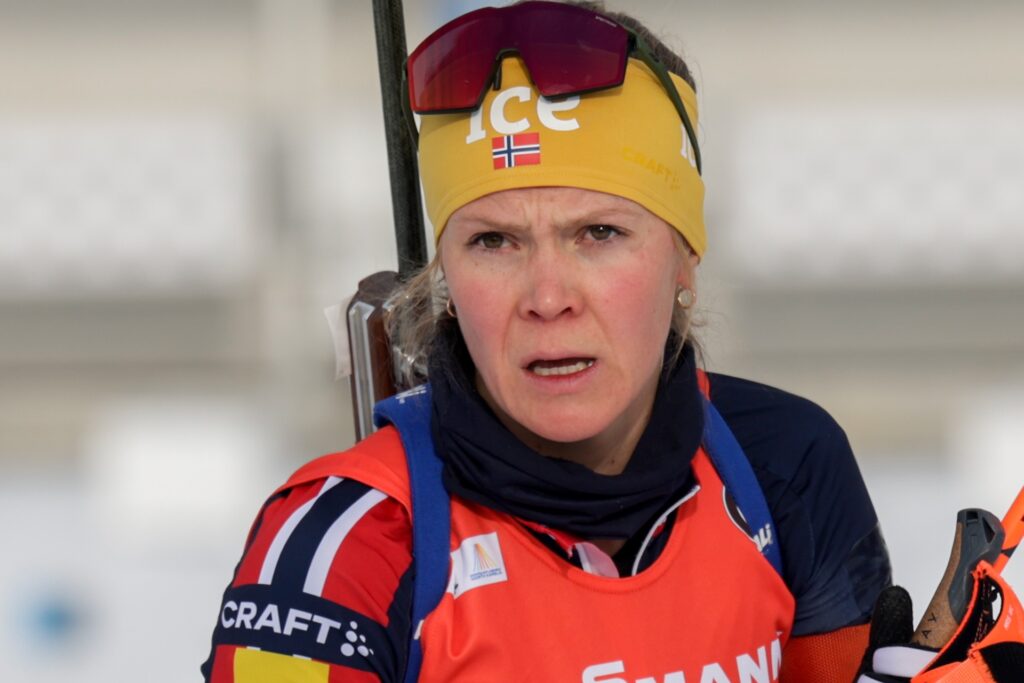
The medical reasoning behind the extended waiting period, as explained by Knotten, is to allow for the reduction of inflammation and swelling around the appendix before the surgical procedure can be safely performed. While the exact medical specifics of her case remain private, this approach is often employed to mitigate risks associated with operating in a highly inflamed area.
The recovery period following the appendectomy is estimated to be approximately three weeks, after which Knotten will aim to resume normal training. This timeline, however, is contingent on an uncomplicated recovery and the successful completion of the surgery itself.
Knotten’s recent season saw her transition from a period of private investment in her athletic career back to the national team setup. Her return to the national squad was a significant development, signaling her commitment to continued high-level competition. The current health setback poses a considerable challenge to this trajectory, potentially impacting her ability to participate in crucial pre-season training camps and early-season competitions.

A Period of Uncertainty and Anxiety
The prolonged period of undiagnosed illness had a significant psychological impact on Knotten. She openly admitted to experiencing periods of genuine fear due to the persistent and unexplained nature of her symptoms.
"It is actually much better than walking around and wondering," she confessed. "One does get scared, but I think one always is. When you sit there on the hospital bed with your mother next to you, who is sad and stressed, then that’s not fun either."
The emotional toll of prolonged illness and diagnostic uncertainty is often underestimated in elite sports. Athletes rely on their bodies to perform at peak capacity, and any disruption to their physical well-being can have cascading effects on their mental state. The support of family, such as Knotten’s mother, plays a vital role in navigating these challenging times.
Background and Chronology of the Health Issue
- March 2026: Karoline Offigstad Knotten begins experiencing unexplained abdominal pain and gastrointestinal issues following the conclusion of the World Cup season in Holmenkollen.
- March – Mid-May 2026: Knotten undergoes multiple diagnostic tests and medical evaluations in an attempt to identify the cause of her persistent symptoms. These efforts prove inconclusive.
- Week of May 12th, 2026: Knotten is admitted to the hospital. Medical examinations reveal a ruptured and infected appendix.
- May 16th-18th, 2026 (Leading up to and including Norway’s Constitution Day): Knotten is granted temporary leave from the hospital to be with her family.
- May 19th, 2026: Knotten returns to the hospital and receives the news that her surgery is postponed for eight weeks.
- Post-Surgery Timeline: Upon successful surgery, Knotten anticipates a three-week recovery period before returning to training.
The Impact on Biathlon Aspirations
Karoline Knotten has emerged as one of Norway’s leading biathletes. Her Olympic bronze medal, secured earlier in the year, underscored her potential and cemented her status as a medal contender. The sport of biathlon demands rigorous physical conditioning, precise marksmanship, and strategic race execution. Any significant interruption to training can have a substantial impact on an athlete’s ability to maintain and improve their performance levels.
The extended waiting period for surgery means that Knotten will miss crucial weeks of the off-season. This period is typically dedicated to building foundational strength, endurance, and technical skills in preparation for the subsequent competitive year. The delay could potentially affect her ability to participate in vital team training camps, which are often scheduled during the summer and early autumn months.
Furthermore, the psychological aspect of returning to competition after a health scare cannot be overlooked. While Knotten has expressed relief at finally having a diagnosis, the prolonged recovery and the memory of the illness may present additional challenges that she will need to overcome.
Broader Implications for the Biathlon Community
The health of elite athletes is a constant concern within any sport. Setbacks like Knotten’s serve as a reminder of the physical demands placed upon them and the importance of timely medical intervention. For the Norwegian biathlon team, Knotten’s absence from peak training could necessitate adjustments to their strategic planning for upcoming seasons. The depth of talent within the Norwegian team is considerable, but the loss of a key athlete like Knotten will undoubtedly be felt.
The situation also highlights the complexities of healthcare systems, even in countries with robust medical infrastructure. The reasons for the eight-week waiting period, while medically justified, present a logistical challenge for an elite athlete whose career is time-sensitive. Discussions around optimizing healthcare pathways for athletes, balancing medical necessity with the demands of professional sport, are ongoing within sports federations and medical communities worldwide.
As Karoline Offigstad Knotten navigates this unexpected delay in her treatment, the biathlon community will be keenly watching her recovery. Her resilience and determination have been evident throughout her career, and many will be hoping for a swift and complete return to the snow, ready to compete at the highest level once again. The focus now shifts to her undergoing the necessary surgery and embarking on a dedicated rehabilitation process, with the ultimate goal of regaining full fitness and form for future competitions.

