
The backcountry skiing landscape is undergoing a significant transformation, marked by a growing demand for gear that no longer necessitates a drastic compromise between uphill efficiency and downhill performance. Leading this charge, Tecnica has officially announced the launch of its innovative Zero G Decoy ski boot, slated to hit retail shelves in Fall 2026. This new offering, revealed on May 12, 2026, at 12:32 PM, represents a calculated evolution within the brand’s acclaimed Zero G series, aiming to deliver unparalleled downhill confidence without sacrificing touring capability to an unacceptable degree. This strategic introduction responds directly to a demographic of skiers who prioritize the quality of the descent, even if it entails a slightly more robust setup for the ascent.
The Evolving Landscape of Backcountry Ski Gear
For decades, the pursuit of backcountry skiing has been a delicate balancing act for equipment manufacturers and enthusiasts alike. Early touring setups were often cumbersome, heavy, and lacked the torsional rigidity required for aggressive skiing, confining backcountry experiences largely to mellow slopes and survival turns. The advent of lightweight materials like Grilamid and advanced pin binding technology initiated a "gram-counting" era, where the primary focus shifted to optimizing for minimal weight to facilitate faster and longer ascents. This revolution significantly expanded access to remote terrain, enabling skiers to cover vast distances and climb ambitious peaks with greater ease.
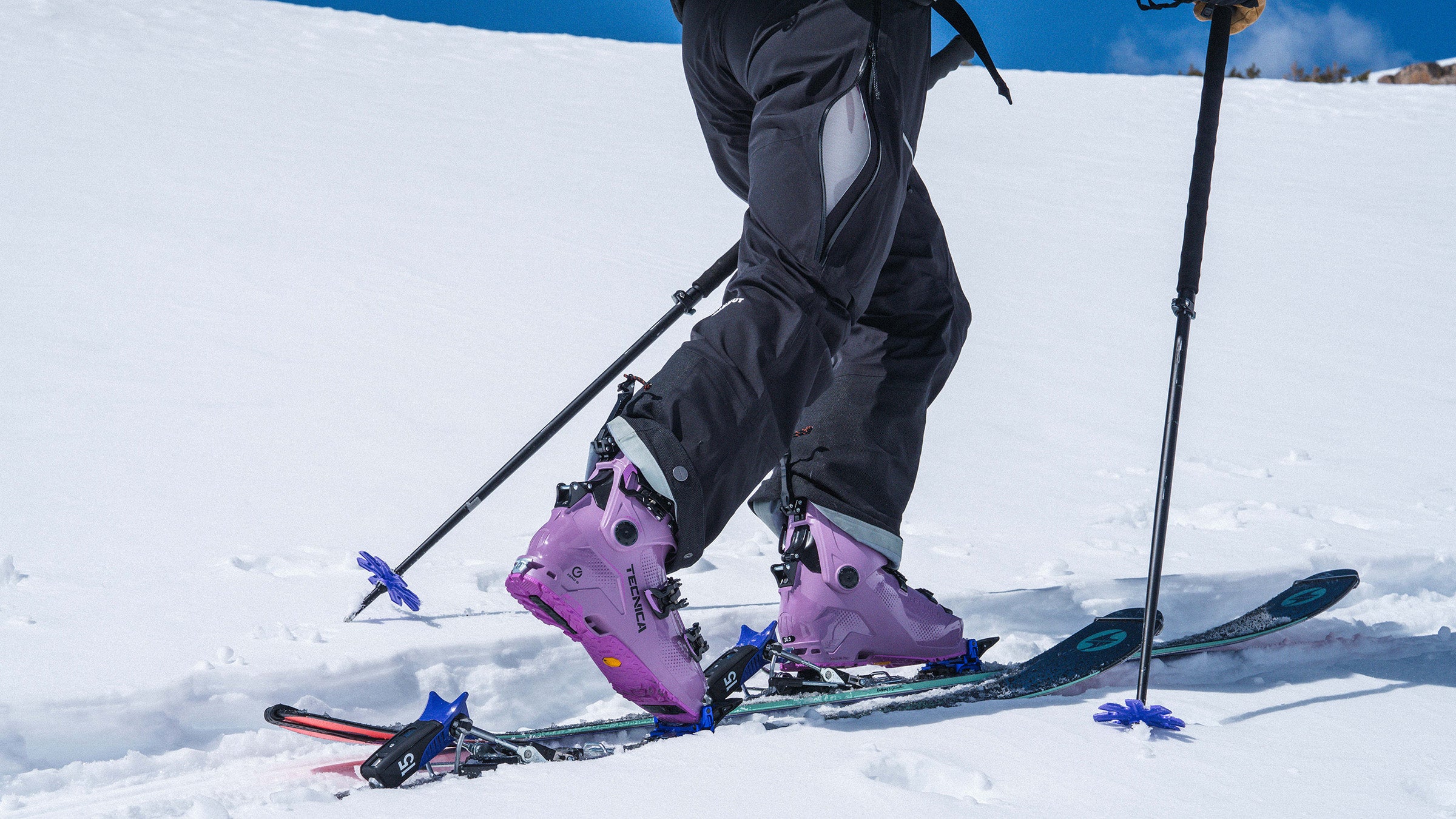
However, this pursuit of ultralight efficiency frequently came at the cost of downhill control, particularly in the challenging and variable snow conditions common in the backcountry. Skiers often found their lightweight boots feeling "flimsy" or "unpredictable" when encountering heavy crud, icy patches, wind-scoured snow, or complex terrain features. This led to a diminished sense of security and enjoyment on the descent, particularly for those accustomed to the powerful performance of alpine resort setups. This inherent trade-off created a distinct segment divide: dedicated skimo racers and long-distance tourers gravitated towards ultra-light setups, while freeride-oriented skiers often stuck to heavier, resort-focused boots that proved burdensome and inefficient on the uphill. Recognizing this growing tension, the industry has been diligently working to bridge this gap, identifying a burgeoning market for "hybrid" boots that offer a more rounded performance profile, allowing skiers to "ski for real" in the backcountry.
The Tecnica Zero G Decoy: Design and Specifications
The 2027 Tecnica Zero G Decoy Pro GW emerges as a pivotal entry in this evolving market, designed specifically to cater to the discerning backcountry skier who prioritizes downhill performance. Priced at $1,200 and set for retail availability from Fall 2026, this boot boasts a meticulously engineered design aimed at achieving a balanced performance envelope.
Weighing in at 1,650 grams (approximately 3.64 pounds) per boot, the Zero G Decoy positions itself firmly in the mid-weight hybrid category. This weight is a deliberate choice by Tecnica, intended to optimize for a powerful skiing experience without making the ascent unduly arduous. It features a robust 130 flex rating, signifying a stiff and responsive feel, which is crucial for driving larger, modern freeride touring skis and confidently navigating complex, variable terrain. The boot incorporates a Medium Volume (MV) last of 99 millimeters, a popular dimension engineered to provide a precise, performance-oriented fit for a wide range of foot shapes. This fit aims to minimize "dead space" within the boot, thereby enhancing power transmission and responsiveness. Crucially, the Zero G Decoy ensures broad compatibility with both tech bindings (pin bindings) and modern alpine bindings through its integrated Vibram GripWalk sole, a standard feature enhancing both safety and versatility in various binding systems and walking on mixed terrain.
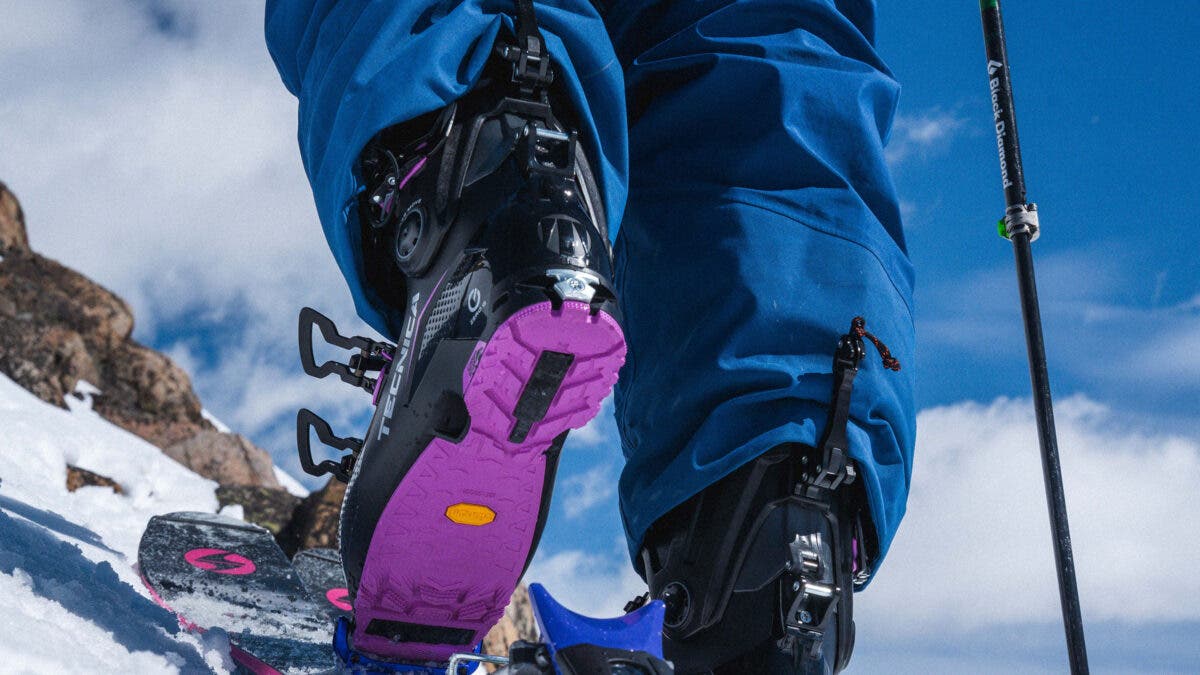
Key specifications for the 2027 Tecnica Zero G Decoy Pro GW include:
- Price: $1,200 (Available Fall 2026)
- Weight: 1,650 g (per boot)
- Flex: 130
- Volume: MV (99 mm last)
- Binding Compatibility: Tech, GripWalk
- Key Advantages: Exceptional downhill performance, stability in variable snow, comfortable out-of-the-box fit, anatomically sculpted liner.
- Considerations: Heavier than dedicated touring boots, higher price point.
Strategic Positioning within Tecnica’s Lineup
Tecnica has strategically developed the Zero G Decoy to occupy a distinct and critical niche within its highly successful existing boot lineup. It is engineered to slot precisely between the ultralight, touring-specific Zero G Tour and the more resort-oriented, freeride Cochise models. This careful positioning reflects Tecnica’s nuanced understanding of market demands and skier preferences.
The Zero G Tour, weighing approximately 1,285 grams per boot, is celebrated for its exceptional uphill efficiency, primarily attributed to its lightweight Grilamid shell construction and streamlined cable-style cuff buckles. However, its softer flex and less robust closure system can limit its power transmission and stability, particularly when paired with wider skis or when encountering aggressive, variable snow conditions. While it excels at getting skiers up the skintrack swiftly, the descent can sometimes feel like a compromise in control.
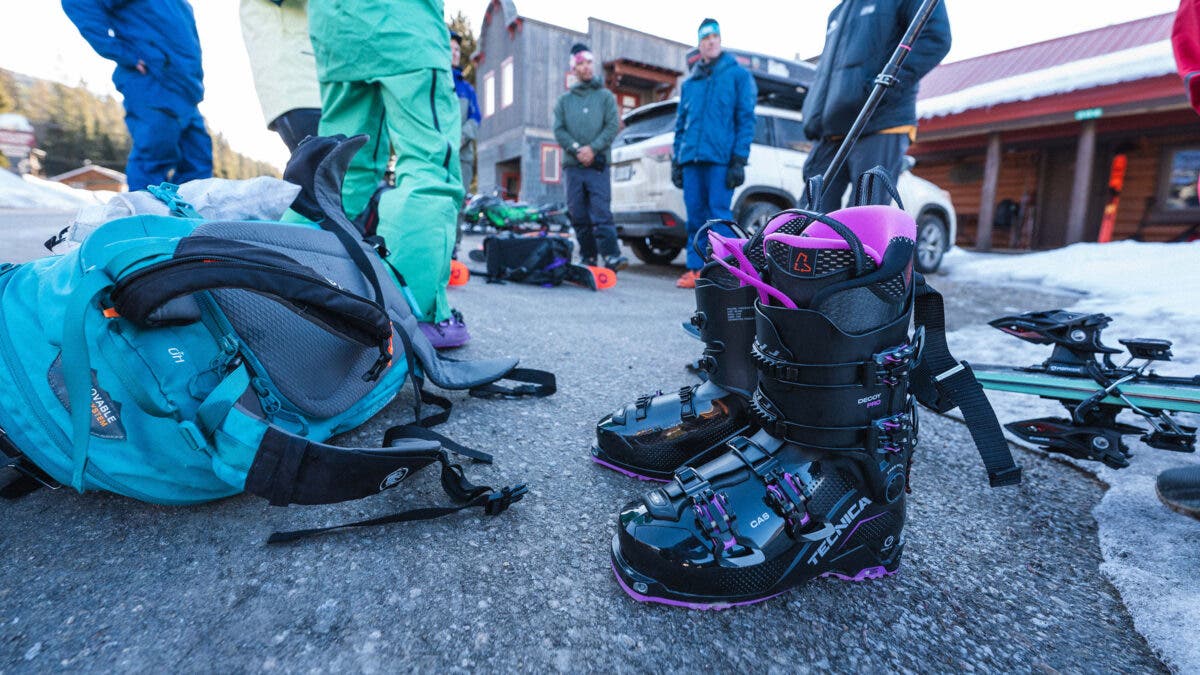
Conversely, the Cochise, at a considerable 1,885 grams per boot, excels in downhill performance. Its stiffer polyurethane shell and traditional four-buckle closure system provide a feel closely mimicking that of a dedicated alpine boot, offering superior power and precision. However, its significant weight and more restricted range of motion make extended touring more arduous and less efficient, turning longer ascents into a noticeable "slog."
The Zero G Decoy’s design brief was explicit: to offer superior downhill performance compared to the Zero G Tour while providing significantly improved walkability over the Cochise. By employing a polyurethane (PU) shell, renowned for its progressive flex and robust, dampening feel, and combining it with four traditional buckles for secure closure, the Decoy aims to achieve this delicate balance. This approach distinguishes it from many other hybrid boots that often lean too heavily on one aspect, either sacrificing too much uphill efficiency or failing to deliver true alpine-like performance on the descent.
Rigorous Field Testing in Cooke City, Montana
To thoroughly evaluate the Zero G Decoy’s capabilities under real-world, demanding conditions, Tecnica orchestrated an intensive three-day field test in early April 2026. The chosen location was Cooke City, Montana, a high-altitude community situated at 8,127 feet and with a modest population of 77. Cooke City is renowned as a premier destination for snowmobile-accessed backcountry skiing within the Beartooth Mountains – one of the Lower 48’s snowiest and most rugged ranges. This environment provided an ideal crucible for testing, offering a vast expanse of varied terrain and diverse snow conditions essential for a comprehensive assessment of a hybrid boot.
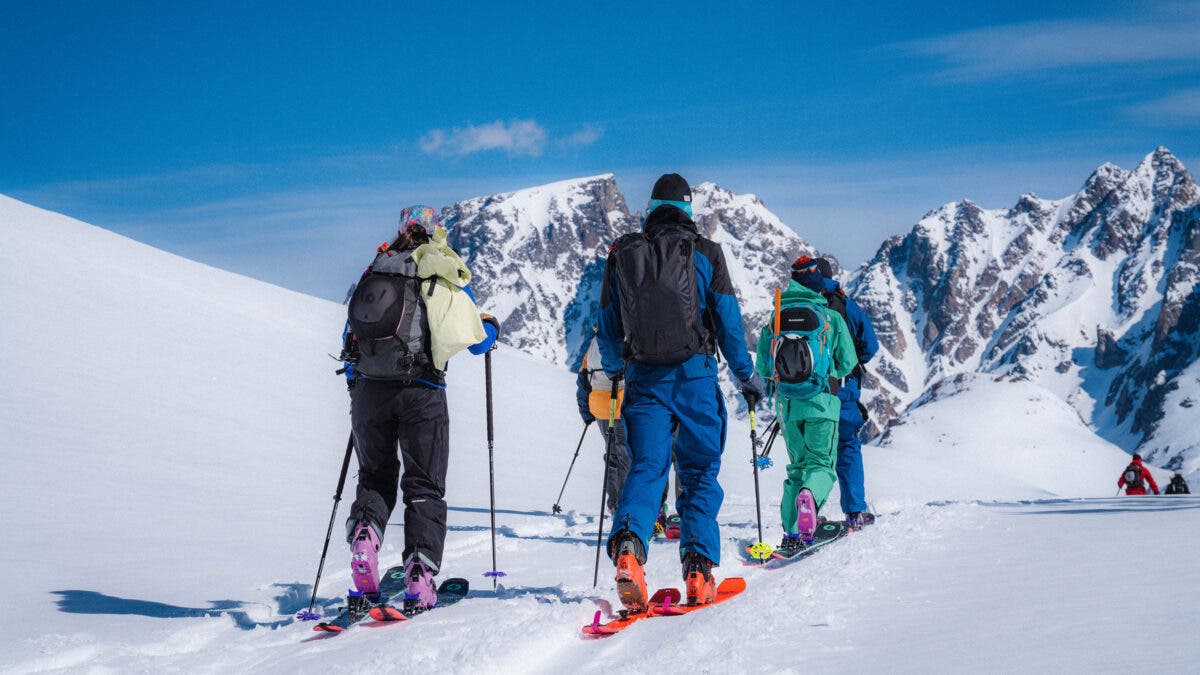
The testing team included prominent Blizzard Tecnica athletes Connery Lundin, Piper Kunst, and Tim McChesney, whose extensive expertise in high-performance backcountry skiing provided invaluable insights and validation. Over the course of the three days, the team covered approximately 14 miles and ascended 12,000 vertical feet, engaging in a mix of snowmobile-assisted access, extended skinning, and technical bootpacking. The demanding setup utilized for testing included the Zero G Decoy boots, Blizzard Canvas 108 skis, and CAST Freetour 2.0 Pivot 15 bindings. This entire configuration totaled a robust 4,400 grams (approximately 9.7 pounds) per ski, including the boot and binding. This heavy-duty setup was specifically chosen to push the Decoy to its absolute limits, simulating conditions where downhill performance and boot integrity are paramount.
Downhill Performance Analysis: Unyielding Confidence
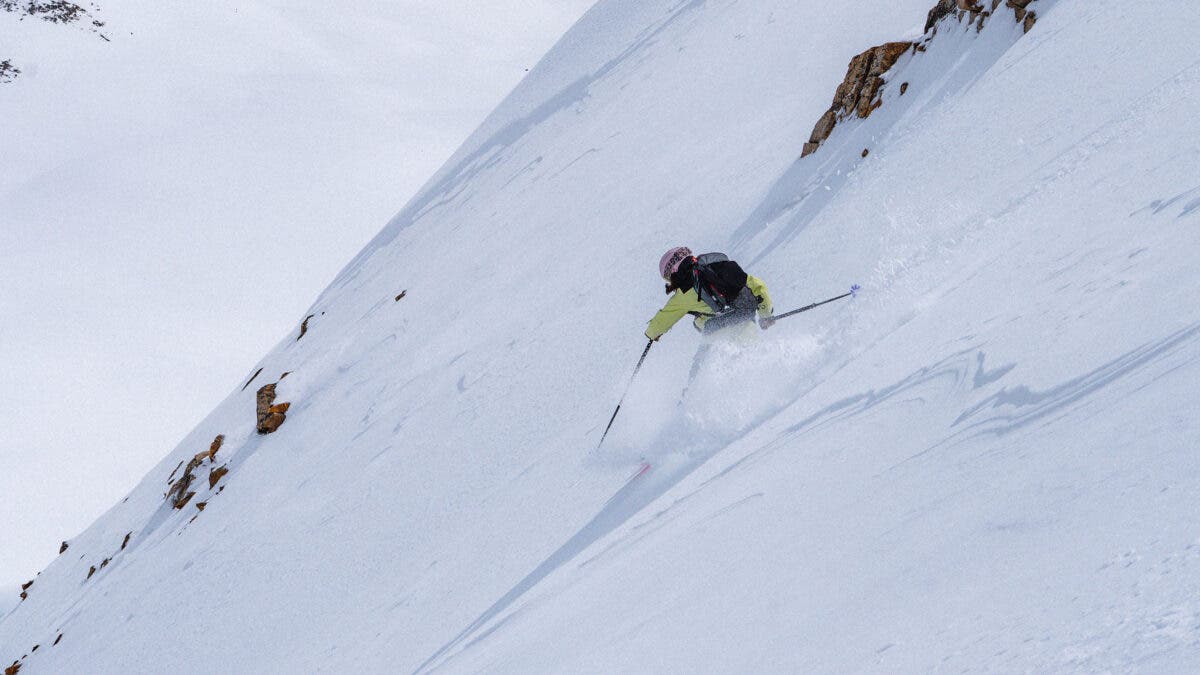
The rigorous testing in Cooke City provided compelling evidence of the Zero G Decoy’s exceptional downhill prowess, particularly in challenging and inconsistent snow. Testers encountered a wide spectrum of conditions, ranging from creamy corn and protected cold winter snow in north-facing chutes to sun-baked aprons riddled with avalanche debris and snowmobile tracks. A recent heat wave, pushing ambient temperatures into the upper 60s even above 8,000 feet, ensured that snow quality varied dramatically within a single run, creating an ideal scenario for assessing boot stability and responsiveness.
Observers noted that the Decoy maintained remarkable composure and predictability across these inconsistent conditions. Unlike lighter touring boots that often "fold" or feel unstable when encountering heavy, variable snow or deep crud, the Decoy’s robust polyurethane shell and reinforced Power Frame construction allowed skiers to drive the Blizzard Canvas 108 skis aggressively and confidently. The boot’s progressive flex facilitated quick stance adjustments, enabling testers to maintain control and confidence even when conditions deteriorated rapidly. This characteristic was particularly highlighted by a tester with a history of three ACL surgeries, who reported skiing with a level of aggression and freedom typically reserved for alpine setups, stating that the boot "responded like a real alpine boot should." The seamless integration with the CAST Freetour bindings further enhanced this downhill security, contributing to a sense of being "clicked in" in a way that often eludes lighter touring setups. The consensus from the field test was clear: the Tecnica Zero G Decoy not only surpassed the downhill performance of the Zero G Tour but also delivered a more refined and capable skiing experience than the Cochise in backcountry settings, unequivocally fulfilling its primary design objective. It demonstrated an ability to absorb impacts and maintain a consistent flex, allowing skiers to maintain their line and speed through adverse snow.
Uphill Performance Analysis: Capable and Comfortable
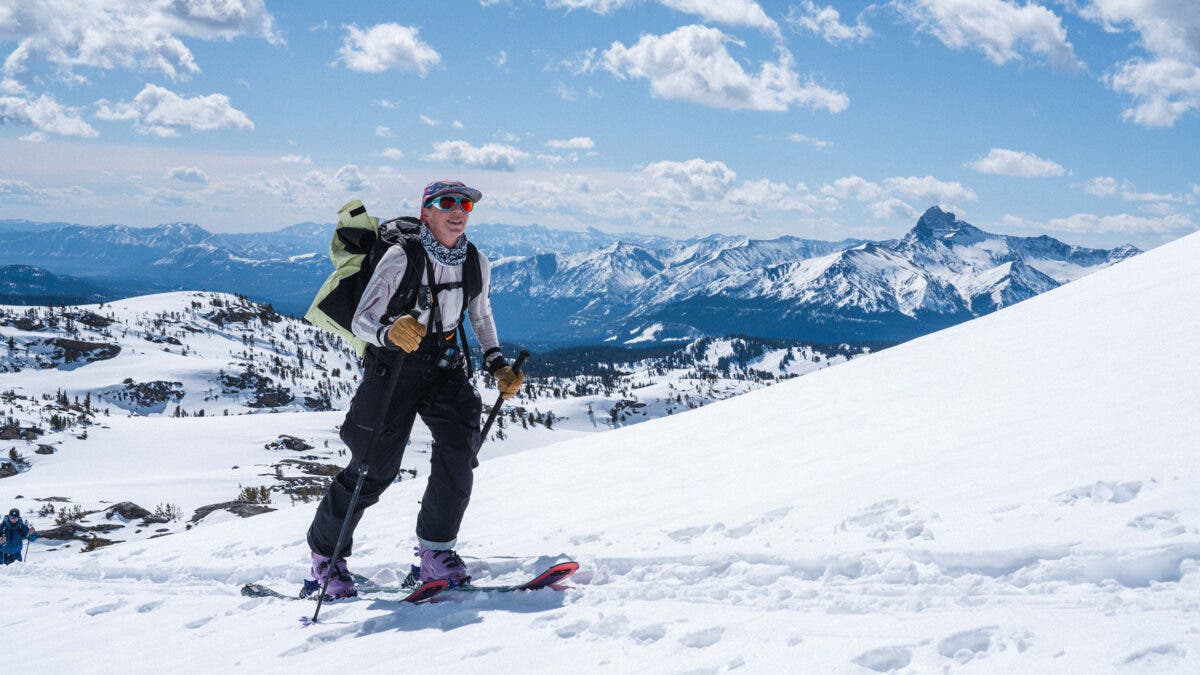
While engineered with downhill performance as its cornerstone, the Zero G Decoy also demonstrated commendable uphill capabilities, effectively challenging any initial marketing perception that it is solely designed for "short tours." On the second day of testing, the team undertook a significant ascent of Cooke City’s iconic Fin, a prominent peak directly overlooking the town, involving seven miles and 3,000 vertical feet of climbing. This extensive tour proved the Decoy’s capacity for longer, more demanding ascents.
A key factor contributing to its touring comfort was the boot’s impressive out-of-the-box fit. Built on the same 99-millimeter-lasted, medium volume mold as the Cochise, the Decoy’s fit was often described as secure and comfortable, particularly for individuals with lower-volume feet. The combination of a thicker polyurethane shell and Tecnica’s anatomically sculpted liner effectively reduced common issues such as "dead space" above the instep and around the heel, enhancing foot retention even when the boots were unbuckled in walk mode. This snug yet comfortable fit is crucial for preventing blisters and discomfort on extended tours.
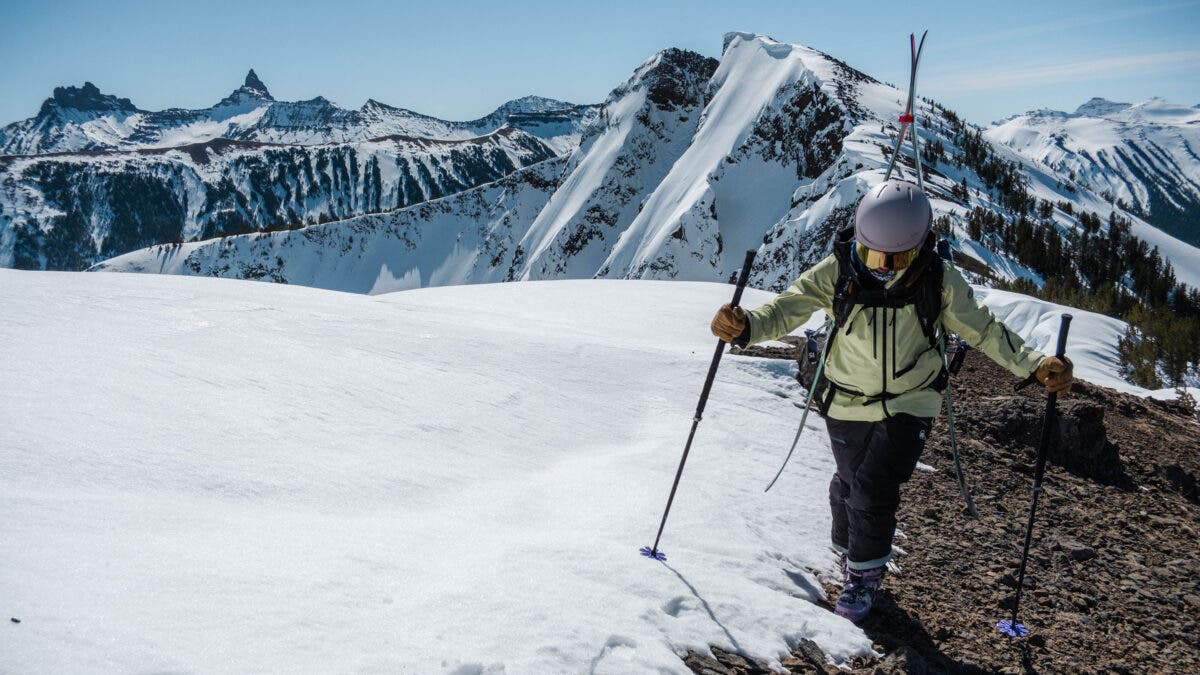
The Decoy incorporates Tecnica’s T-Hike mechanism, a sophisticated cuff-to-shell connection system that delivers a substantial 65 degrees of range of motion in walk mode. This is an impressive figure for a four-buckle polyurethane boot, aligning it closely with some dedicated touring models and indicating significant engineering effort to maximize touring efficiency despite its robust build. However, testers noted that despite sharing a similar claimed ROM with the lighter Zero G Tour Pro, the Decoy’s stiffer PU shell and thicker liner required a perceptibly greater physical effort on the skintrack. This increased friction and weight meant that while the boot was fully capable on the ascent, it was less forgiving of fitness gaps compared to lighter Grilamid-constructed boots. Experienced and fit backcountry skiers found the Decoy to be efficient enough, but those less accustomed to heavier setups or with lower fitness levels experienced the additional weight and resistance more acutely. The Vibram GripWalk sole, while crucial for downhill compatibility and safety, also proved invaluable during mixed snow and rock bootpacks on exposed ridges, offering reliable traction and stability where traditional alpine soles would struggle.
Expert Perspectives and Industry Context
The launch of the Zero G Decoy is seen by industry analysts as Tecnica’s strategic response to a growing segment of backcountry skiers who are increasingly valuing the quality of the descent over absolute minimum weight. According to a statement from Tecnica’s product development team, "The Decoy was born from the realization that many backcountry enthusiasts, while appreciating uphill efficiency, are ultimately in the mountains for the thrill and confidence of the ski down. We wanted to create a boot that truly felt like an alpine boot on the descent, without making the ascent a punitive experience." This sentiment reflects a broader market shift towards "freeride touring," where robust equipment capable of handling technical descents and variable conditions is prioritized over mere speed or endurance.
The insights from Blizzard Tecnica athletes further validate this design philosophy. Connery Lundin commented, "Skiing hard in variable backcountry conditions demands a boot you can trust. The Decoy gives you that power and precision without feeling like you’re dragging anchors on the way up." Piper Kunst added, "It’s a game-changer for those of us who want to charge big lines but still earn our turns. The confidence it inspires on the descent allows for more creative and aggressive skiing." Tim McChesney echoed these sentiments, highlighting the boot’s ability to handle "anything the mountain throws at you, from slush to boilerplate, with consistent performance." These testimonials underscore the Decoy’s ability to empower skiers to push their limits in challenging terrain.
Market Implications and Future Outlook
The introduction of the Tecnica Zero G Decoy carries significant implications for the backcountry ski boot market. It signals a potential re-evaluation of the "lighter is always better" mantra that has dominated backcountry gear conversations for years. While ultralight setups will undoubtedly retain their appeal for specific niches like skimo racing and ultra-endurance touring, the Decoy champions a philosophy where a slight increase in weight is a worthwhile trade-off for substantially enhanced downhill performance and safety. This could encourage other manufacturers to invest more heavily in the mid-weight hybrid segment, leading to a wider array of options for skiers seeking this crucial balance.
The Decoy’s success could also influence binding development, promoting systems like the CAST Freetour 2.0 Pivot 15, which integrate robust alpine binding performance with touring capabilities, even if they add significant weight. This holistic approach to backcountry setups—where boots, bindings, and skis are chosen for their synergistic performance in descent—may become more prevalent. For consumers, the Decoy offers a compelling argument for prioritizing the skiing experience, potentially converting those who have been frustrated by the limitations of ultra-light touring gear. It suggests that the enjoyment of backcountry skiing, for many, hinges on the ability to ski confidently and aggressively, rather than simply reaching the summit with minimal effort. This boot enables a more aggressive and enjoyable descent, ultimately making the entire backcountry experience more rewarding for a significant portion of the skiing public and potentially expanding the appeal of backcountry skiing to a broader audience.
Conclusion
The 2027 Tecnica Zero G Decoy Pro GW stands as a testament to Tecnica’s commitment to innovation and understanding the evolving needs of backcountry skiers. It successfully navigates the historical tension between uphill efficiency and downhill power, delivering a hybrid boot that excels in aggressive skiing across diverse and challenging backcountry conditions. While it demands a slightly greater physical output on the ascent compared to ultra-light alternatives, the payoff in downhill confidence, control, and enjoyment is profound. For the discerning backcountry skier who prioritizes the quality of the turns and seeks a boot that performs like a true alpine model in the wilderness, the Zero G Decoy presents a compelling and transformative option, poised to become a benchmark in the hybrid touring category.
Both the 2027 Tecnica Zero G Decoy Pro GW (men’s model) and the Decoy 115 W GW (women’s model) are scheduled to be available for purchase at authorized retailers starting in Fall 2026.

