
As the traditional ski season draws to a close across much of the Western United States, California’s mountain resorts are facing a significantly abbreviated operational window. A prolonged period of warm temperatures and below-average snowfall has led to the closure of nearly all ski areas in the Golden State, leaving only two locations offering lift-served skiing and snowboarding opportunities. Kirkwood Mountain Resort, previously the last remaining Epic Pass property open in California, concluded its operations on Sunday, April 19th, marking a definitive end to its season. The two resorts still welcoming guests, however, are demonstrating resilience and are not yet indicating imminent closing dates, much to the delight of late-season enthusiasts.
The State of California Skiing: A Tale of Two Resorts
The stark reality of the current ski season in California is the dramatically reduced number of operational resorts. Typically, the state boasts a robust collection of ski areas, particularly in the Sierra Nevada mountain range. However, this year’s unseasonably warm winter and limited precipitation have significantly impacted snowpack depths, forcing the premature closure of many popular destinations. This leaves Palisades Tahoe and Mammoth Mountain as the sole bastions of late-season skiing in California.
Palisades Tahoe: A Fight Against Time
Palisades Tahoe, a renowned destination known for its challenging terrain and extensive facilities, has been battling the seasonal decline with a fighting spirit. In late March, the resort issued a more conservative outlook, forecasting a potential closure in late April, a departure from their usual mid-to-late May closing window. Despite this prediction, as the final week of April commenced, Palisades Tahoe continued to operate, defying earlier expectations. The resort reported that 11 of its lifts were still in operation, providing access to 36 open trails for skiers and snowboarders.
While no definitive closing date has been announced, the continued operation into the final days of April suggests a possibility of extending operations into the early days of May. This extension, however, comes with the caveat that conditions are subject to rapid change. The resort’s ability to remain open is a testament to its snow management practices and the dedication of its operational teams to maximize the season for its patrons, even in challenging climatic circumstances. The exact closing date remains fluid, contingent on prevailing weather patterns and the preservation of sufficient snow depth.
Mammoth Mountain: Embracing the "King of Spring" Title
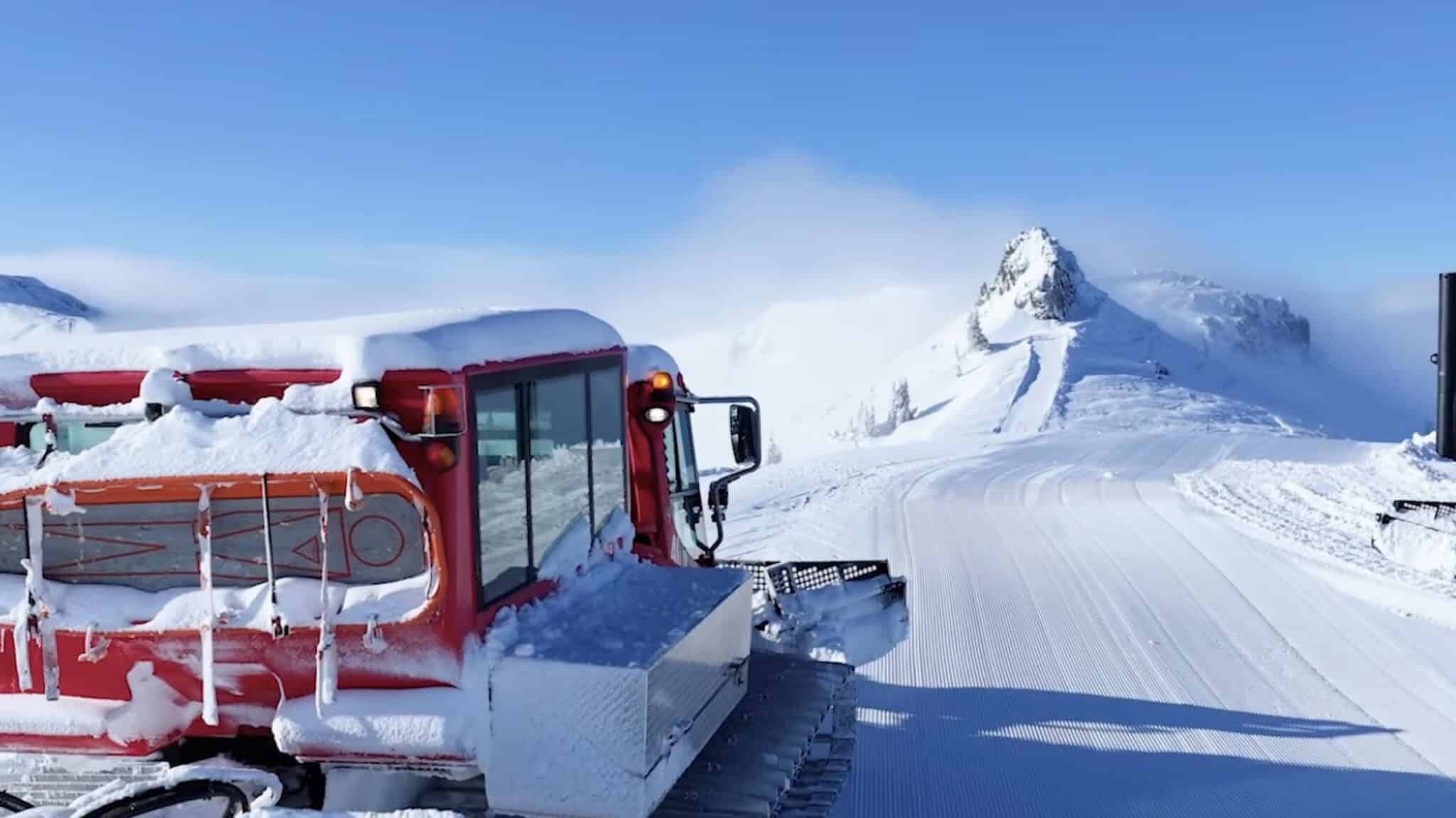
Mammoth Mountain, situated in the southern Sierra Nevada, has long held the reputation as the "King of Spring" in California, largely due to its consistent ability to offer late-season skiing. This year is no exception, with the resort announcing its intention to remain open at least through Memorial Day Weekend. This commitment provides a substantial window for skiers and snowboarders to enjoy the high-alpine conditions.
Mammoth Mountain’s "Second Season" is characterized by a festive atmosphere, with numerous weekend events and activities typically scheduled to coincide with the extended operational period. This year is expected to follow suit, offering a vibrant spring skiing experience. Currently, the resort reports that 10 of its 25 chairlifts are operational, granting access to 103 out of its 180 designated trails. This impressive accessibility for late April underscores Mammoth’s advantage in its higher elevation and expansive terrain, allowing it to hold snow longer than many of its counterparts. The resort’s sustained operations are crucial for the local economy, attracting visitors who might otherwise conclude their winter sports activities.
Context and Background: A Season of Extremes
The 2025-2026 winter season has been marked by anomalies across the Western United States. Many regions experienced a significant deficit in snowfall, coupled with unseasonably warm temperatures that accelerated snowmelt and hindered new accumulation. California, in particular, has felt the impact of these conditions. The Sierra Nevada snowpack, a critical water source for the state, has been a focal point of concern.
The early closures of numerous resorts highlight a growing trend and a potential challenge for the ski industry. Climate change projections suggest that such warmer, drier winters may become more frequent, necessitating adaptive strategies for ski resorts. This includes investment in snowmaking technology, diversification of revenue streams beyond skiing, and potentially adjusting operational models to accommodate shorter, more variable seasons.
The decision by resorts like Kirkwood to close signifies the economic realities faced by operators. When snowpack is insufficient, the operational costs associated with running lifts, grooming trails, and maintaining facilities often outweigh the revenue generated from ticket sales and other services. This can lead to difficult decisions regarding the length of the season and staffing levels.
Supporting Data and Analysis
Analyzing snowpack data from the Natural Resources Conservation Service (NRCS) provides a quantitative perspective on the season’s challenges. While specific data for the 2026 season is referenced implicitly through the article’s content, historical trends often show significant year-to-year variations. In years with similar dry conditions, snow water equivalent (SWE) readings in the Sierra Nevada have fallen well below average, sometimes by as much as 50% or more in critical measurement areas. This directly translates to reduced base depths at ski resorts.
The operational status of resorts is a direct indicator of these snowpack deficiencies. When major resorts, particularly those with extensive networks and multiple base areas like those in Tahoe, are forced to close early, it signals a widespread issue. The fact that only two resorts remain open suggests that the vast majority of California’s ski terrain has been rendered unskiable due to a lack of natural snowfall.
The extended operational window at Mammoth Mountain can be attributed to several factors. Its higher elevation means that temperatures remain colder for longer periods, facilitating better snow preservation. Furthermore, Mammoth’s vast acreage and varied terrain allow for snow to accumulate in different aspects and elevations, providing more options for maintaining skiable surfaces. The resort’s significant investment in snowmaking capabilities also plays a crucial role in supplementing natural snowfall and extending the season, especially during drier periods.
Broader Implications for the Ski Industry and Tourism
The current situation in California has wider implications for the broader ski industry and mountain tourism.
- Economic Impact: Resorts that close early face significant revenue losses. This impacts not only the resort operators but also the local economies that depend on ski tourism, including hotels, restaurants, retail shops, and service providers. The reduced operational window can lead to job losses or reduced working hours for seasonal staff.
- Shifting Visitor Patterns: As traditional ski seasons shorten, skiers and snowboarders may alter their travel plans. This could lead to increased competition for the limited open resorts and a potential shift towards destinations with more reliable snow conditions or a longer spring season.
- Environmental Considerations: The reliance on artificial snowmaking, while a necessary tool for extending seasons, comes with environmental considerations. Snowmaking requires substantial amounts of water and energy, raising questions about sustainability, particularly in drought-prone regions like California.
- Adaptation and Innovation: The challenges presented by this season underscore the need for the ski industry to adapt. This may involve investing in more resilient infrastructure, exploring alternative revenue streams, and developing innovative marketing strategies that cater to a changing climate. Resorts might also focus on promoting spring skiing as a distinct and enjoyable experience, even if natural snowfall is limited.
The current state of affairs in California serves as a potent reminder of the dynamic relationship between weather patterns and the viability of winter sports. As the industry navigates these evolving conditions, the resilience and adaptability of resorts like Palisades Tahoe and Mammoth Mountain will be crucial in shaping the future of skiing in the region. The continued operation of these two resorts, against the backdrop of a challenging winter, offers a glimmer of hope and a testament to the enduring appeal of the mountains for snow sports enthusiasts.

