
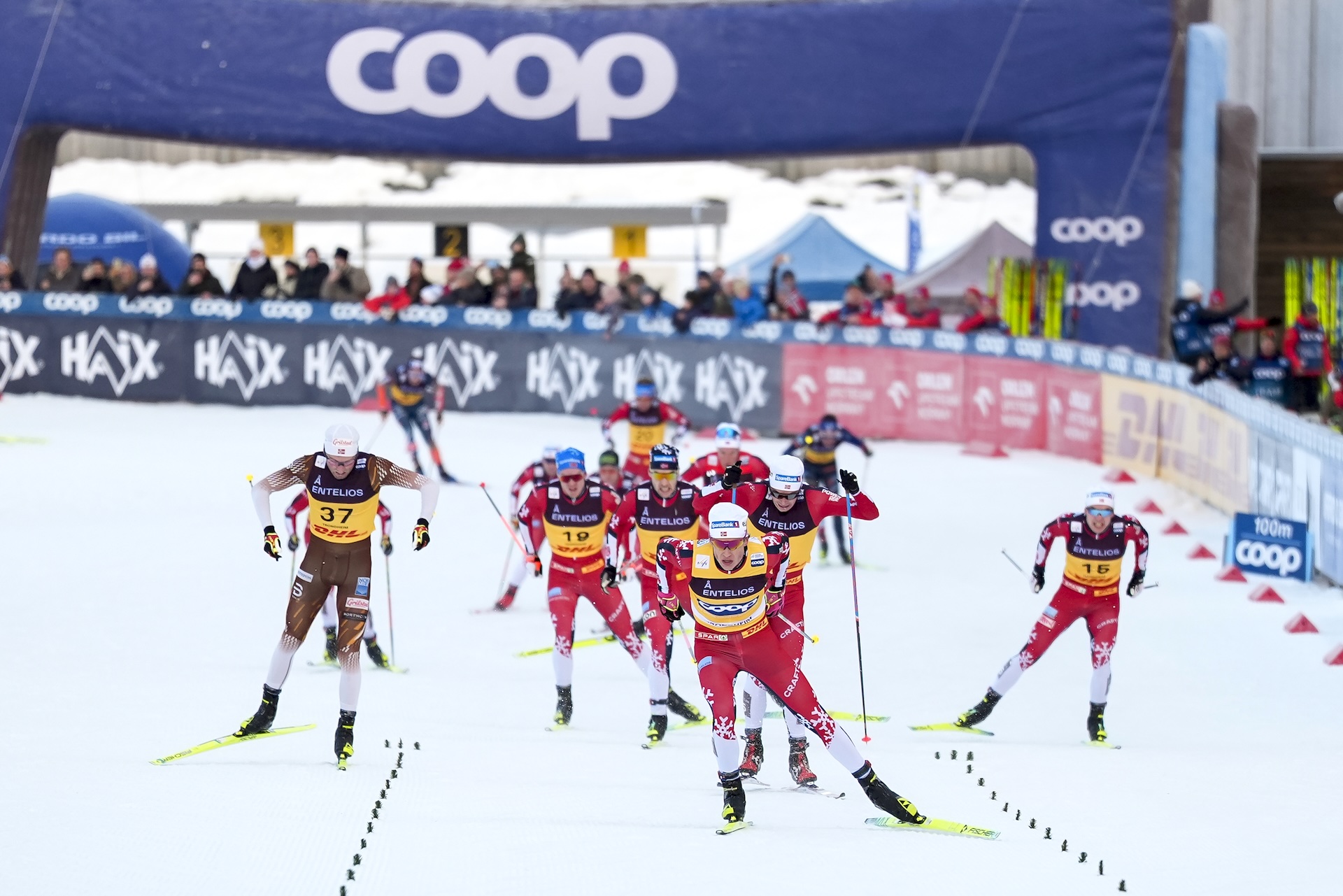
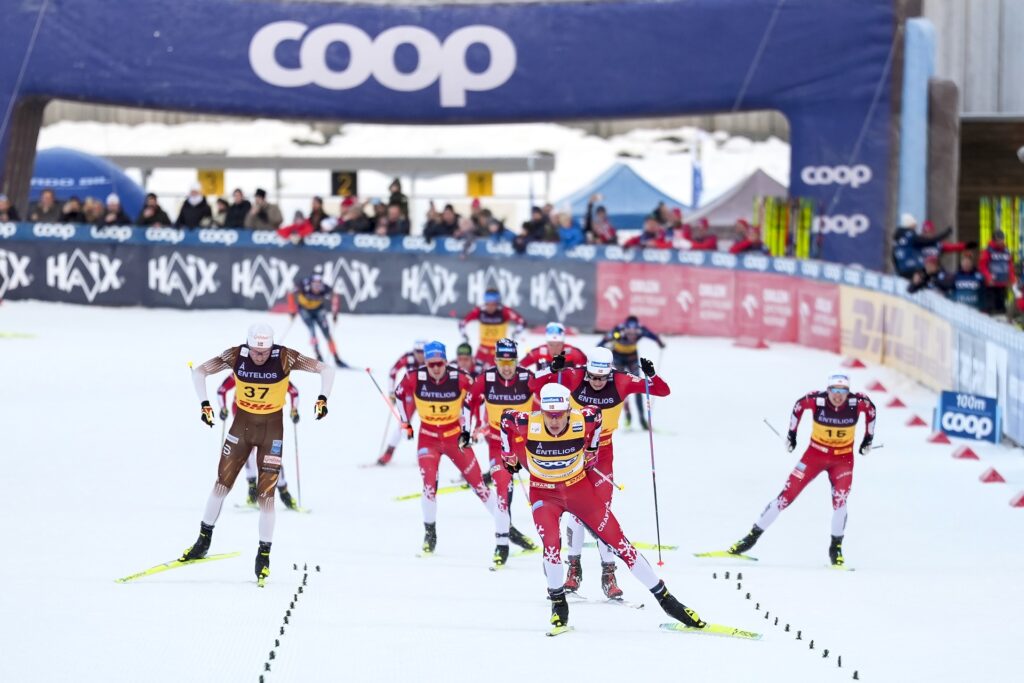
The long-standing partnership between grocery giant Coop and the FIS Cross-Country World Cup has come to an end, sparking significant concerns over the sport’s financial stability. After eight years as the primary sponsor, Coop’s decision to withdraw is being described as a "catastrophe" and a potential "economic disaster" for Norwegian cross-country skiing, with experts drawing parallels to a professional football team being relegated to a lower league.
Financial Fallout and Sponsorship Void
The financial implications of Coop’s departure are substantial. According to reports from Adresseavisen, the annual sponsorship deal was valued between 15 and 20 million Norwegian Kroner (approximately $1.4 million to $1.8 million USD). This significant injection of capital has been crucial for the organization and promotion of the World Cup circuit, as well as for major championship events.
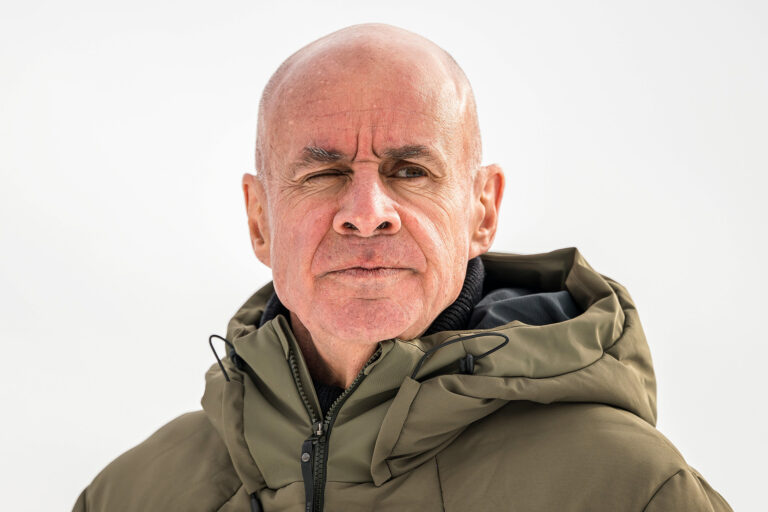
Professor Emeritus Tor W. Andreassen from the Norwegian School of Economics, speaking to Adresseavisen, did not mince words about the severity of the situation. "This is a catastrophe and economically terrible. These are terribly sad news for our national sport," he stated. Andreassen elaborated on the potential impact, warning that "Unless they secure a sponsor of similar magnitude, the entire operation will have to be scaled down. An agreement worth 15-20 million is incredibly important, so this will be akin to being relegated to the Obos-ligaen [Norway’s second-tier football league]."
The void left by Coop’s withdrawal creates an urgent need for a replacement sponsor capable of matching the financial commitment. Without such a replacement, organizers may face difficult decisions regarding event budgets, athlete support, and marketing initiatives. The loss of a sponsor of this caliber could ripple through various levels of the sport, potentially impacting everything from grassroots development to the elite competition itself.
Coop’s Shifting Sponsorship Strategy
Coop Norge’s communication manager, Silje Verlo Alisøy, explained that the company is currently undergoing a strategic shift in its sponsorship activities. This new strategy involves prioritizing other areas of sports, with a particular focus on football and athletics. This indicates a deliberate redirection of marketing resources away from winter sports.
Bjørn Vik-Mo, the Deputy CEO of Coop Midt-Norge, further shed light on the decision-making process, pointing to the perceived fragmentation of the television broadcasting landscape for cross-country skiing as a contributing factor. "The TV coverage of cross-country skiing has been very scattered in recent years," Vik-Mo commented. "Last winter, the rights to the World Cup were divided among NRK, TV 2, and Viaplay. I believe this is unfortunate for the sport, and that people struggle to get an overview of what is being broadcast where."
This observation highlights a potential challenge for sports seeking major sponsorship: the need for a cohesive and easily accessible viewing experience for fans. A fragmented broadcast schedule can dilute the impact of sponsorship visibility and make it more difficult for sponsors to reach their target audiences effectively.
Timeline of the Coop Sponsorship and Past Contributions
Coop’s involvement as the main sponsor of the Cross-Country World Cup began in 2018. During their tenure, the partnership extended beyond the regular World Cup season, encompassing significant contributions to major championship events. This included substantial financial support for the FIS Nordic World Ski Championships held in 2021, 2023, and the upcoming event in 2025.
Notably, for the 2025 World Championships in Trondheim, Coop’s contribution amounted to an impressive 43.8 million Norwegian Kroner (approximately $4 million USD). This demonstrates a significant commitment to supporting major international competitions and underscores the magnitude of the financial gap now created by their exit.
The timing of Coop’s withdrawal is particularly challenging as it comes at a time when preparations for future events are underway. The upcoming 2027 World Championships in Falun, Sweden, are already facing uncertainty. A significant hurdle for the Falun organizers is the unresolved issue of television rights for the championship.
Broader Impact on Future Events and Broadcasting
The departure of a major sponsor like Coop inevitably casts a shadow over future events. The Falun organizing committee is grappling with the dual challenge of securing adequate funding and establishing a clear broadcast strategy. Kajsa Sjövärd of Falun WC expressed the urgency of the situation to SVT Sport, stating, "We certainly wish that it will be clarified in the near future."

The uncertainty surrounding broadcast rights for the 2027 Ski World Championships is a symptom of a larger issue. The fragmented media landscape, as identified by Coop, creates complexities for both rights holders and potential broadcasters. This can lead to prolonged negotiations and a lack of clarity, which in turn can deter sponsors and affect the overall promotion and accessibility of the sport.
The situation echoes concerns raised previously about the lack of a definitive broadcaster for major ski events. A recent report indicated that "No one knows who will broadcast the Ski World Championships," leading to a sense of urgency and stress among organizers. This lack of a stable broadcasting platform can create a ripple effect, impacting sponsorship appeal and fan engagement.
Analysis of Implications for the Sport
The withdrawal of Coop’s substantial sponsorship presents a critical juncture for international cross-country skiing. The sport, like many others, relies heavily on corporate backing to fund its operations, support athletes, and deliver high-quality events. The loss of such a significant financial partner necessitates a strategic re-evaluation of funding models and sponsorship acquisition.

One of the key challenges identified is the fragmentation of the television rights. In an era where media consumption is increasingly diverse, a clear and unified broadcasting strategy is paramount for attracting and retaining sponsors. Sponsors invest in sports not only for brand visibility but also for the ability to reach a defined and engaged audience. A complex and scattered viewing landscape can diminish this value proposition.
The comparison to relegation in professional football is apt. Just as a team’s financial resources and competitive standing are significantly impacted by dropping to a lower league, cross-country skiing could face a reduction in its operational capacity and overall profile if it cannot secure equivalent sponsorship. This could affect everything from the number and scale of World Cup events to the level of prize money and support for national teams.
Potential Future Strategies and Considerations
Moving forward, stakeholders in cross-country skiing will need to:

- Aggressively Pursue New Sponsorship: A concerted and strategic effort will be required to identify and secure new corporate partners who align with the values and reach of the sport. This might involve exploring partnerships beyond traditional winter sports sponsors.
- Re-evaluate Broadcasting Strategy: Working towards a consolidated and accessible broadcasting model will be crucial. This could involve exploring exclusive rights deals with a single major broadcaster or developing innovative digital streaming solutions to reach a wider audience.
- Strengthen Fan Engagement: Efforts to enhance fan engagement and build a loyal following are vital. This can be achieved through improved content creation, social media strategies, and direct interaction with the fan base.
- Diversify Revenue Streams: Exploring alternative revenue streams, such as merchandise, event ticketing, and potentially new forms of digital content monetization, could help mitigate the impact of a single sponsor’s withdrawal.
- Strengthen International Collaboration: Close collaboration between national skiing federations, the FIS, and event organizers will be essential to present a united front and a compelling proposition to potential sponsors and broadcasters.
The departure of Coop signifies a significant challenge, but it also presents an opportunity for the cross-country skiing community to innovate and adapt. The sport’s enduring appeal and its status as a national passion in countries like Norway suggest that with strategic planning and a unified approach, it can navigate this financial hurdle and emerge stronger. However, the immediate future necessitates a swift and effective response to fill the substantial sponsorship gap left by this major withdrawal. The coming months will be critical in determining the trajectory of the sport’s financial health and its ability to continue delivering world-class competitions.

