
The Finnish national cross-country ski team has secured the services of highly regarded Norwegian coach Hans Kristian Stadheim, a move described as a "shock" and surprising by Finnish media. Stadheim, 40, who has been instrumental in developing Olympic and World Championship medalists, will bring his renowned expertise to the Finnish setup after a successful tenure with Team Aker Dæhlie and the British national team. This significant appointment comes as Finland undergoes a considerable overhaul of its coaching staff following the Italian Olympics, signaling a strong ambition to elevate its cross-country skiing performance on the international stage.
Stadheim’s Proven Track Record and Finnish Ambitions
The Finnish Ski Association, in a press release, articulated their rationale for recruiting Stadheim, highlighting his exceptional ability to transform top-30 ranked World Cup skiers into genuine medal contenders. "Stadheim is particularly known for his ability to elevate top-30 World Cup skiers to medal candidates through systematic training planning and optimization. Stadheim’s results are impressive," the statement read, underscoring the data-driven and performance-oriented approach he is expected to implement.
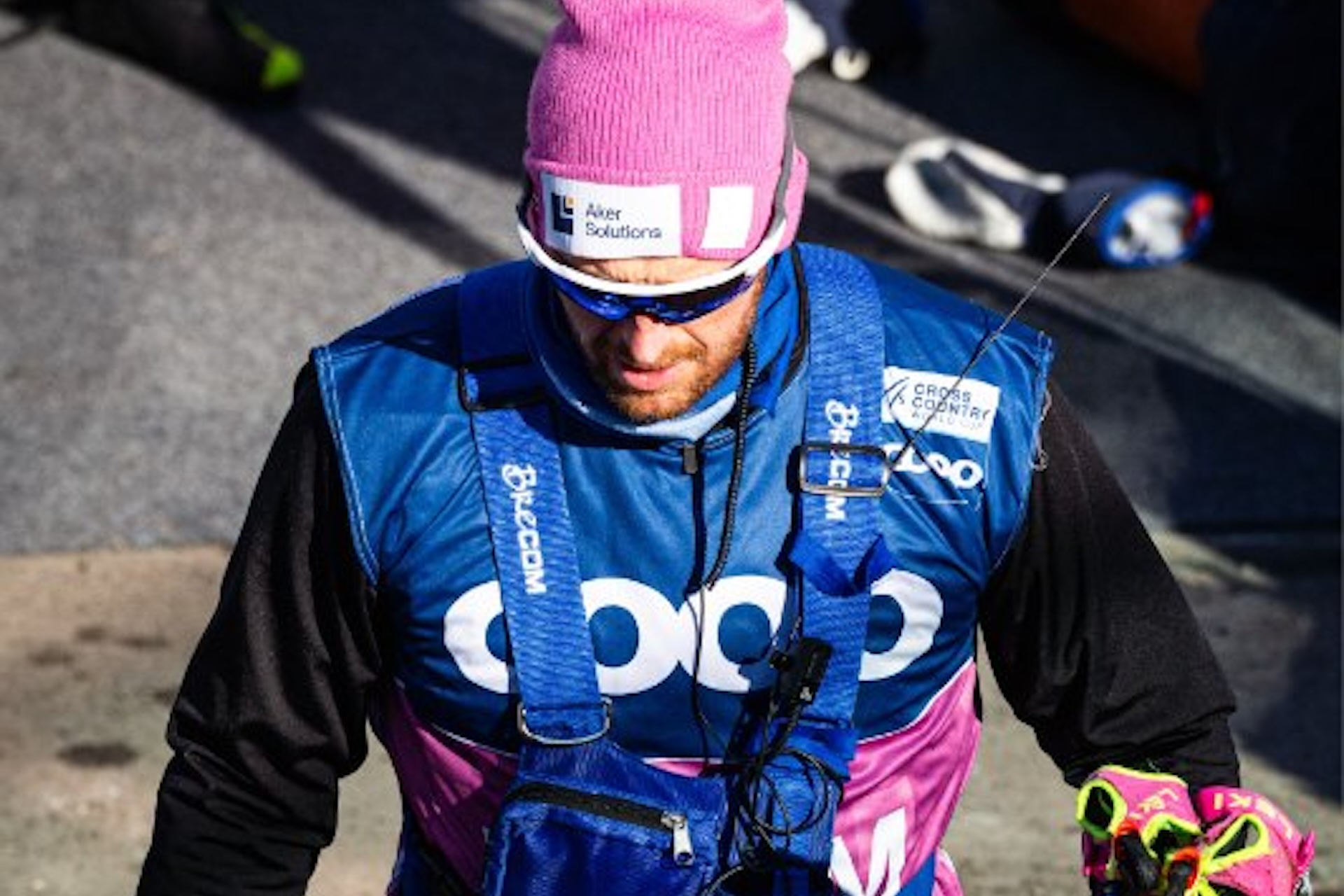
Stadheim himself expressed his enthusiasm for the new role. "I am very much looking forward to working for the Finnish Ski Association and being part of such a strong culture," he stated. "My goal is to contribute to creating an environment where athletes can perform at their best and achieve their full physiological and sporting potential in cross-country skiing." This statement indicates a commitment to a holistic development strategy, focusing not only on physical capabilities but also on fostering a supportive and high-performance team environment.
A Strategic Shift for Finnish Skiing
The decision by the Finnish Ski Association to replace its entire coaching team after the Pyeongchang Olympics signifies a clear intention to inject new energy and strategic direction into the national program. The appointment of Stadheim is a cornerstone of this renewed approach. He will be integrated into a revamped coaching structure, with Swedish Joakim Abrahamsson taking on the role of head coach. Stadheim is expected to work with both the women’s and men’s elite teams, indicating a comprehensive impact across the program. Matias Strandvall, known for his sprint expertise, will join as an assistant coach, further strengthening the specialized support available to the athletes.
This comprehensive restructuring suggests a long-term vision for Finnish cross-country skiing, aiming to build a sustainable pipeline of talent and consistently deliver podium finishes in major international competitions. The inclusion of international expertise in Abrahamsson and Stadheim points towards a willingness to learn from successful methodologies employed in other leading skiing nations.

Stadheim’s Coaching Pedigree and Norwegian Connections
Stadheim’s coaching journey has been marked by consistent success. Prior to his move to Finland, he spent four years with the Norwegian-based Team Aker Dæhlie, a prominent elite team within Norway’s highly competitive skiing landscape. His prior experience also includes a significant period coaching the British national team, where he worked with prominent athletes such as Andrew Musgrave, Jimmie Clugnet, and Gabriel Gledhill. Musgrave, in particular, has achieved notable success on the World Cup circuit under Stadheim’s guidance, earning him the moniker "King of Trondheim" within certain circles due to his strong performances in Norwegian races.
His deep roots in Norwegian skiing are significant. Before his involvement with the British team, Stadheim was a coach at the Oslo club LYN Ski. During this time, he was the primary coach for Simen Hegstad Krüger throughout his junior career. Krüger, who has since become a multiple Olympic and World Championship medalist, credits Stadheim with a pivotal role in his development, transforming him from a promising junior into a world-class athlete. In previous comments, Krüger described Stadheim as "incredibly strong professionally and has extreme engagement," emphasizing the coach’s dedication and technical prowess.
A Highly Sought-After Talent
Stadheim’s coaching abilities have not gone unnoticed within Norway. He has been repeatedly mentioned as a potential candidate for coaching roles within the Norwegian national team. This indicates that his departure from Norwegian-affiliated coaching structures to join a rival nation’s program is indeed a notable event. The fact that Norwegian athletes and experts have openly expressed a desire for his guidance underscores his reputation for delivering tangible results and fostering athlete development.
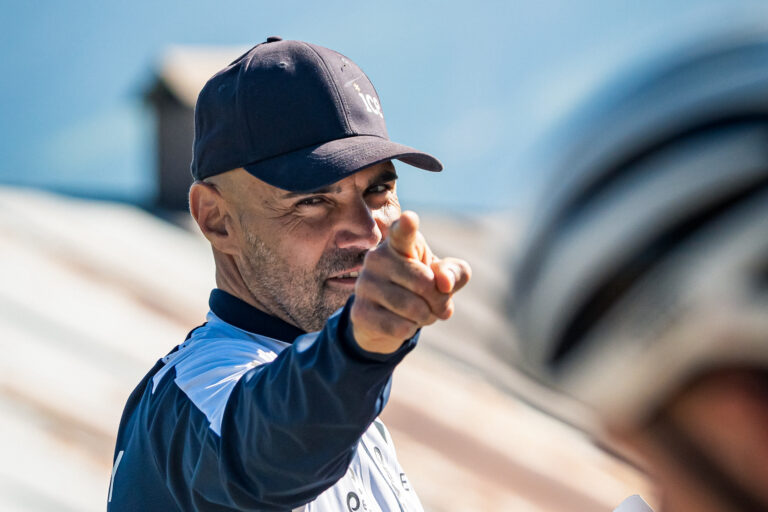
The Finnish Ski Association’s acquisition of Stadheim can be viewed as a strategic coup, leveraging his proven ability to unlock potential in athletes and his experience working within the highly competitive Nordic skiing environment. This move suggests that Finland is not only looking to improve its current standing but also to implement a development philosophy that has historically yielded significant success in the sport.
The Broader Implications for International Cross-Country Skiing
The transfer of a coach of Stadheim’s caliber from a nation with a dominant tradition in cross-country skiing (Norway) to a nation aiming to re-establish itself at the top (Finland) has several implications for the international sport.
Firstly, it intensifies the competitive landscape. Finland, by investing in top-tier coaching talent, signals its serious intent to challenge the established powers, including Norway, Sweden, and Russia. This could lead to more dynamic and unpredictable race outcomes in the coming seasons.

Secondly, it highlights the global nature of talent acquisition in elite sports. Coaches are increasingly seen as valuable assets, and their movements can significantly impact national team performance. This trend may encourage other nations to scout and recruit coaching expertise from abroad to accelerate their development.
Thirdly, Stadheim’s success in Finland could serve as a model for other countries looking to make significant strides in the sport. His systematic approach to training and athlete development, coupled with his ability to foster a high-performance culture, are attributes that are universally sought after in elite sports.
The appointment also raises questions about the future of coaching development within nations like Norway. While Stadheim’s move benefits Finland, it also represents a loss of expertise for Norwegian skiing. This could prompt discussions about retention strategies for top coaches within dominant sporting nations.
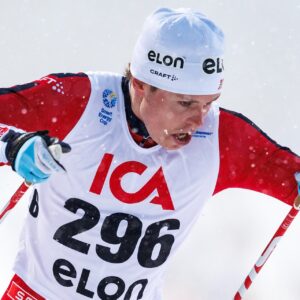
The timeline of these developments is crucial. Stadheim’s move follows the conclusion of the 2022 Beijing Winter Olympics, a period often characterized by strategic reviews and coaching changes in national sports federations. The Finnish Ski Association’s decision to undertake a complete overhaul of its coaching staff indicates a desire for a fresh start and a willingness to implement significant changes to achieve future success. Stadheim’s integration into this new structure, working alongside Abrahamsson and Strandvall, suggests a coordinated effort to build a cohesive and effective coaching unit.
As Stadheim embarks on this new chapter with the Finnish national team, the cross-country skiing world will be watching closely to see how his expertise translates into tangible results for Finland, potentially reshaping the competitive balance in the sport. His success will be measured not only in individual race wins but in the overall elevation of Finnish skiing back to its former glory.

