
The International Ski and Snowboard Federation (FIS) is currently navigating its most precarious financial period in recent history, characterized by a staggering 47 percent erosion of its capital reserves over the past four years. Official reports confirmed during a recent board meeting in Geneva reveal that the organization’s financial cushion, which stood at a robust 86.6 million euros (approximately 950 million NOK) in 2021, has dwindled to just 46 million euros (approximately 500 million NOK) as of the conclusion of the last fiscal year. This 430 million NOK shortfall has triggered an urgent strategic overhaul, with the newly appointed leadership signaling that drastic measures are required to stabilize the organization’s long-term viability.
Alexander Ospelt, who assumed the presidency in June following the departure of the controversial billionaire Johan Eliasch, has characterized the situation as a critical inflection point for the federation. The fiscal decline has prompted immediate austerity measures, leading to a ripple effect that threatens to fundamentally alter the competitive landscape for athletes across all disciplines under the FIS umbrella.
A Chronology of Financial Instability
The current predicament is the culmination of several years of aggressive expansion and administrative shifts. To understand how FIS reached this juncture, one must look at the timeline of its financial management:
- 2021: FIS reported a high-water mark in equity at 86.6 million euros. Under the previous leadership, the organization pursued ambitious commercial growth strategies.
- 2022–2023: Global inflation, rising travel and logistics costs, and the implementation of expensive technological upgrades for broadcast and digital platforms began to strain reserves.
- June 2026: Alexander Ospelt replaces Johan Eliasch as president, inheriting a balance sheet that has shrunk significantly.
- September 2026: During a board meeting in Switzerland, the FIS Council proposes the transition to an annual World Championship model, intended to boost commercial revenue through increased media rights and sponsorship opportunities.
- October 2026: Reality sets in. Faced with mounting operational costs and internal pushback, the council formally votes to scrap the immediate transition to annual World Championships, pushing the potential start date back to at least 2032.
The Impact on Athlete Compensation
Perhaps the most contentious aspect of the ongoing financial crisis is the impact on the athletes themselves. As the organization looks to trim its operational budget, it has turned its attention to the structure of prize money. FIS Secretary General Urs Lehmann has indicated that the federation intends to implement a revised model that effectively shifts the financial burden onto the competitors.
The current proposal involves reducing the fixed base of prize money while simultaneously increasing the number of events on the World Cup calendar. The logic, according to federation leadership, is that athletes will be able to maintain their current income levels by participating in a higher volume of races. However, this strategy has been met with fierce resistance from the athlete community.
Top-tier competitors have already voiced concerns regarding the unsustainable physical toll of the existing calendar. The prospect of an even denser schedule presents a significant health risk, with many athletes fearing they will be forced to compete while carrying minor injuries or illness to ensure their financial security. "The current system is already pushing people to the brink," noted one team representative, speaking on the condition of anonymity. "By forcing us to race more to earn the same amount, FIS is effectively devaluing the quality of the competition in favor of quantity."
The Failed Vision of Annual World Championships
The proposal to host World Championships every year—modeled after the International Biathlon Union (IBU)—was intended to be a silver bullet for the federation’s commercial woes. By creating a marquee event every season, FIS hoped to generate consistent, high-value television contracts and sponsorship deals that would dwarf the revenue generated by standard World Cup weekends.
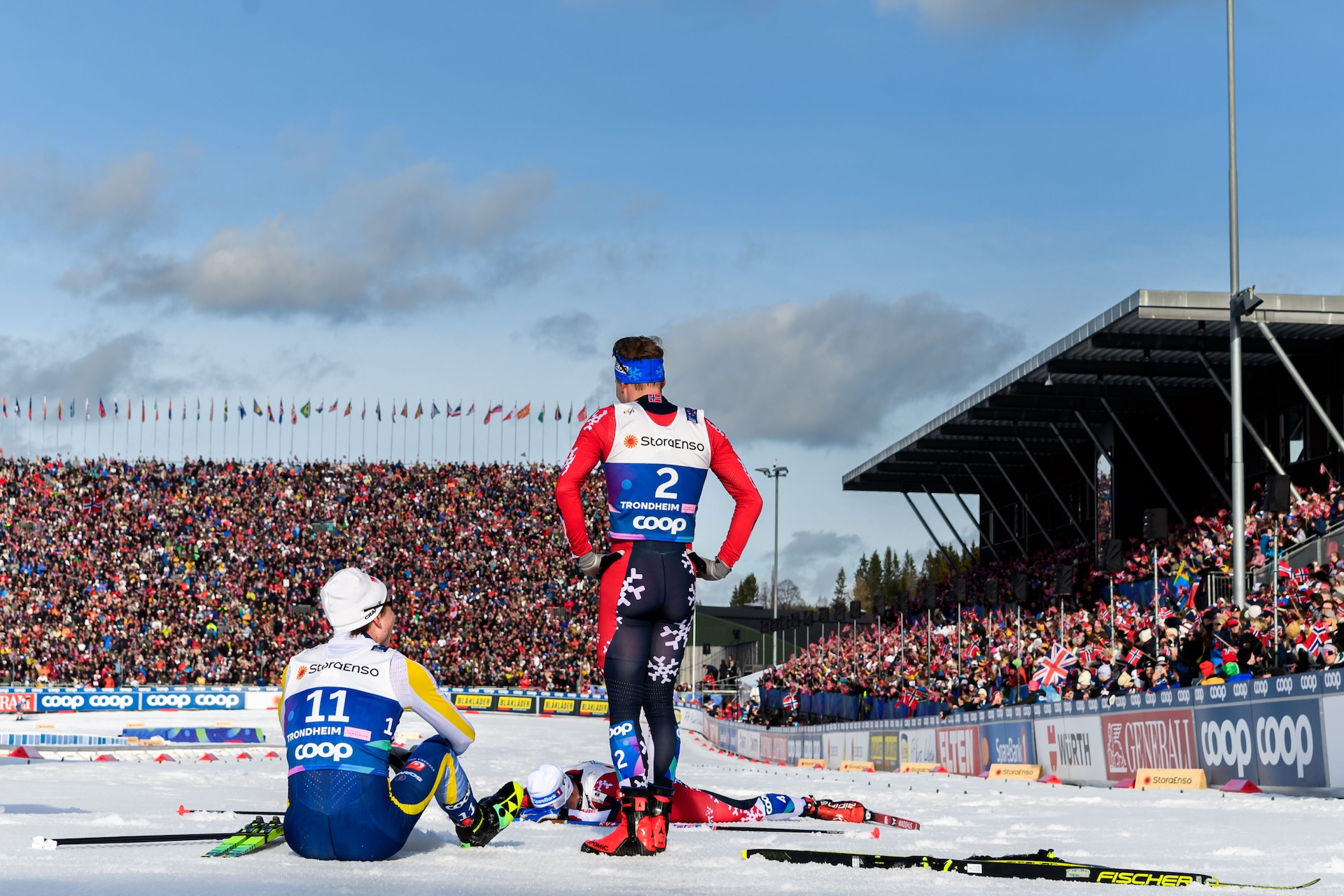
However, the rapid reversal of this decision underscores the organizational chaos currently present within the FIS Council. When the plan was initially announced in September, it was marketed as a progressive move that would modernize the sport. Less than 30 days later, the council admitted that the logistical and financial planning required to execute such an ambitious schedule was not feasible.
The decision to postpone the annual format until 2032 provides a much-needed breathing room, but it also highlights a lack of long-term planning. Critics within the sport, including superstars like Johannes Høsflot Klæbo, have long argued that the dilution of the World Championship brand is a genuine risk. Klæbo, among others, has emphasized that a World Championship must retain a sense of prestige and scarcity to maintain global interest. By making the event an annual occurrence, the federation risked turning its premier showcase into just another race on the calendar, potentially cannibalizing the value of the World Cup itself.
Fact-Based Analysis of Financial Implications
The 430 million NOK loss is not merely a result of poor market conditions; it is reflective of a shift in the governing body’s operational philosophy. During the Eliasch era, the push for centralized media rights and direct control over broadcasting was intended to increase revenue. However, the costs associated with taking over these processes from national federations—including infrastructure, legal fees, and administrative bloat—outpaced the generated income.
For the stakeholders involved, the implications are severe:
- Reduced Subsidies for Smaller Nations: As the central budget tightens, the amount of financial support provided to smaller national ski associations is likely to decrease, threatening the development of the sport in non-traditional skiing nations.
- Increased Pressure on Event Organizers: Local organizing committees, which are already struggling with the rising costs of artificial snowmaking and environmental compliance, will likely be asked to contribute more to the bottom line or face the loss of their events.
- Media Rights Negotiations: With the annual World Championship plan delayed, FIS must now find alternative ways to fill the revenue gap. This may lead to an aggressive and potentially disruptive restructuring of current broadcast contracts, which could affect how fans consume the sport.
The Road Ahead: A Call for Transparency
The appointment of Alexander Ospelt was viewed by many in the skiing community as a "back to basics" moment. The mandate for the new presidency is clear: restore financial solvency without sacrificing the integrity of the sport or the well-being of the athletes.
However, the path to recovery remains uncertain. The federation is currently caught in a classic catch-22: it needs to cut costs to recover its capital, but it needs to invest in high-quality events to attract the sponsors required to generate that capital.
The upcoming winter season will serve as a litmus test for the new leadership. As FIS navigates this turbulent period, the focus will likely shift toward internal governance reforms. Transparency regarding the 430 million NOK deficit will be essential to restoring the trust of national federations and corporate sponsors alike.
Whether the federation can navigate these choppy waters without permanent damage to its core product remains the central question. For now, the global skiing community is watching closely, hoping that the sport’s governing body can reconcile its ambitious commercial goals with the physical and financial realities of its most important asset: the athletes. The cancellation of the annual World Championship initiative is a start, but as the federation stares down a 47 percent reduction in its equity, it is clear that the most difficult decisions—and the most painful cuts—are likely yet to come.

