
The most significant impediment to meaningful climate action in the United States today is not a lack of technological innovation or an insurmountable price tag, but rather the systematic shift in political power and the simultaneous destabilization of the democratic process. For organizations like Protect Our Winters (POW), the realization has become stark: environmental preservation is no longer just about carbon sequestration or renewable energy infrastructure—it is fundamentally tethered to the integrity of the ballot box. As federal and state-level maneuvers increasingly restrict access to voting and dismantle environmental protections, the link between civic participation and climate policy has evolved from an abstract concept into an urgent, operational reality.
A Strategic Reversal of Climate Policy
The current trajectory of U.S. climate policy is defined by a series of high-level administrative decisions that have abruptly halted years of progress in the green energy sector. Data suggests that clean energy solutions are technically and economically viable, yet they are failing at the regulatory level due to the specific priorities of those currently in office.
The legislative landscape shifted dramatically with the enactment of the "One Big Beautiful Bill Act" last year. While proponents of the bill cited fiscal responsibility, the practical consequences for the green economy were immediate and severe. By clawing back essential clean energy tax credits and accelerating the deadline for project development from a nine-year runway to a mere 12 months, the law created a logistical bottleneck that the industry could not clear. According to an industry impact report, approximately $83 billion in solar, wind, and battery storage projects have been canceled or delayed in the wake of this legislation. These projects were projected to support nearly 470,000 jobs, representing a significant contraction of the green workforce.
The environmental impact extends beyond renewable infrastructure into the preservation of public lands. On July 13, the administration implemented a drastic reduction of the Bears Ears National Monument, slashing its total area by 90 percent—from 1.36 million acres to approximately 121,000 acres. This decision, which opened the excluded land to potential mining operations within 60 days of the announcement, also resulted in the dissolution of the tribal commission that had previously co-managed the territory. For climate advocates, this move signaled a shift toward resource extraction over long-term conservation, executed entirely through administrative decree.
Chronology of Voting Access Challenges
The erosion of climate-conscious policymaking has been mirrored by a parallel trend in election administration. Over the past six months, a series of legislative and administrative actions have prompted concerns regarding the sanctity of the electoral process.
- March 2026: The administration issued a directive to the Department of Homeland Security (DHS) to compile comprehensive citizen lists and instructed the United States Postal Service (USPS) to implement new restrictions on the delivery of mail-in ballots. While a subsequent federal court ruling struck down the core elements of this directive as unconstitutional, the move signaled an attempt to centralize control over voter rolls.
- July 2026: The administration dismissed the remaining members of the Election Assistance Commission (EAC). By stripping the agency of its quorum, the administration effectively stalled the certification process for new voting systems, creating a procedural vacuum in the lead-up to the midterms.
- Ongoing State-Level Activity: At the state level, a trend has emerged regarding voter identification and roll maintenance. Currently, twelve states have implemented mandates requiring documentary proof of citizenship for registration. Notably, Utah and South Dakota have codified these requirements, which are now in effect for the current election cycle. In Texas, the state has initiated a purge of voter rolls, a process currently under intense scrutiny for its reliance on potentially flawed federal data. Similarly, Ohio is currently embroiled in litigation concerning the legality of its own voter roll maintenance practices.
The Intersection of Democracy and Environmentalism
Political scientists and environmental analysts argue that these developments are not isolated administrative glitches but rather a coordinated strategy to limit the electorate. The logic is straightforward: if climate policy is a product of elected representation, then narrowing the scope of the voting public is an effective way to insulate policy from climate-conscious voters.
This strategy forces a re-evaluation of what constitutes "climate action." Historically, the movement has focused on lobbying for carbon taxes, protesting pipelines, and supporting green energy subsidies. However, if the mechanisms of representative government are restricted, these activities face a diminishing return. Therefore, the defense of democratic institutions has become a foundational prerequisite for any environmental agenda. Without a broad and protected electorate, the ability to "stoke the vote"—or mobilize voters around climate issues—becomes mathematically impossible.
Institutional and Corporate Responses
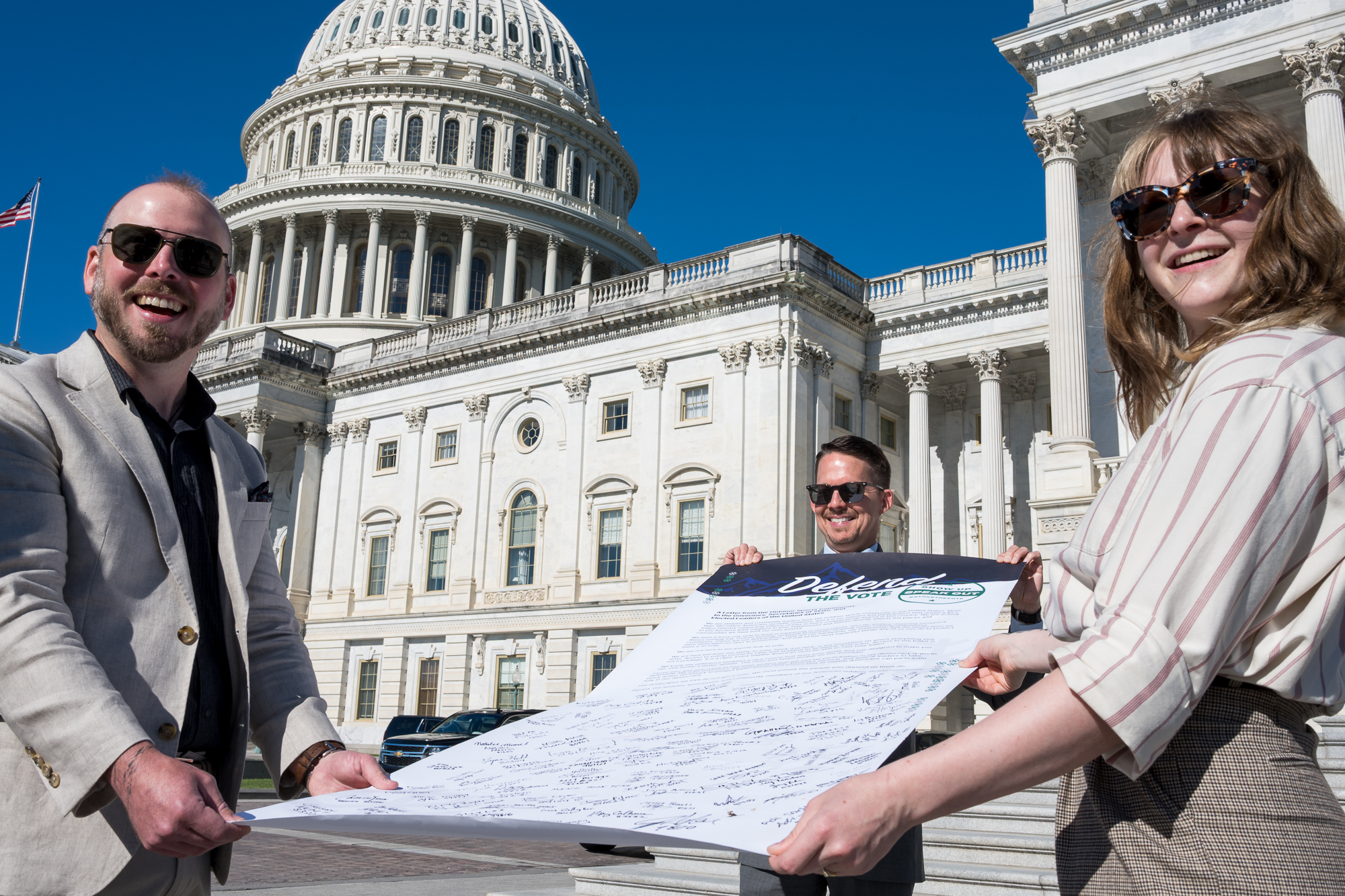
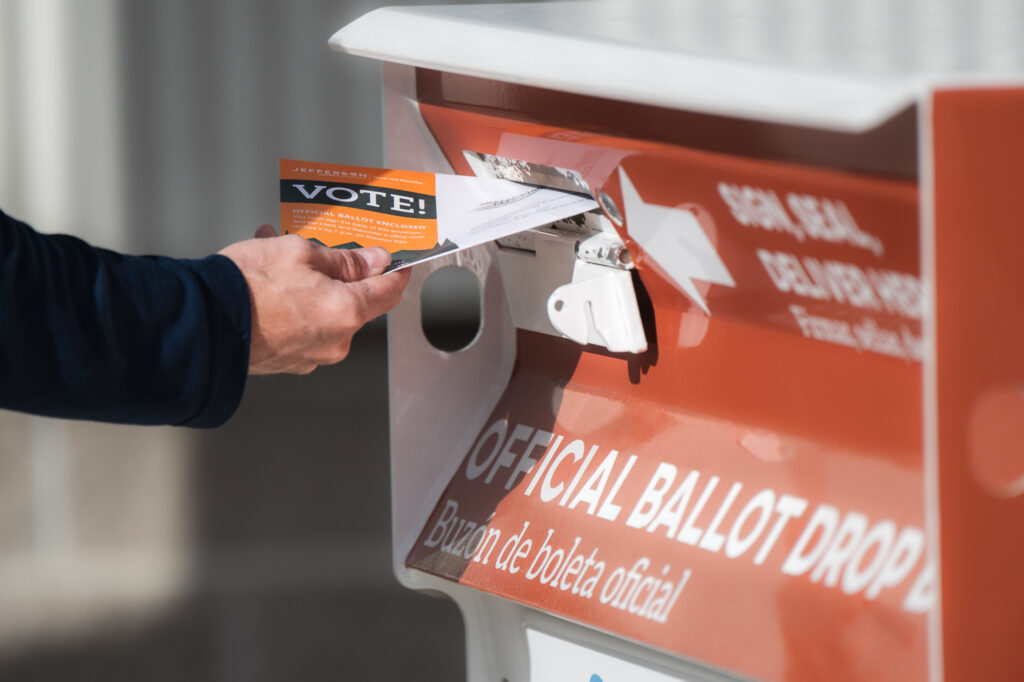
In response to these challenges, organizations have begun to pivot their resources toward election protection. Protect Our Winters has launched the "Defend the Vote" campaign, a targeted initiative designed to bolster ballot access in regions where the risk of disenfranchisement is highest.
This approach marks a departure from traditional "broad-brush" advocacy. Rather than spreading resources across all 50 states, the organization is engaging directly with secretaries of state in key geographies—specifically Montana and New Hampshire—to ensure that the mechanics of voting remain transparent and accessible. This hyper-local approach is intended to counter the specific legislative maneuvers being employed at the state level.
The private sector, particularly within the outdoor and recreational industry, has shown an unprecedented level of alignment with this initiative. A recent sign-on letter drafted by the organization has garnered support from a wide range of brands, suggesting a shift in corporate social responsibility. These companies, whose economic interests are often tied to the health of the climate and the accessibility of public lands, are increasingly viewing voting rights as a material issue for their businesses.
Broader Implications and Future Outlook
The current situation poses a fundamental question for the American public: Is the climate movement capable of absorbing the work of democracy into its core mission? The evidence suggests that for many stakeholders, the answer is yes. By rebranding the protection of the vote as a primary pillar of climate advocacy, organizations are attempting to bridge the gap between abstract policy goals and concrete political reality.

The implications for the upcoming midterm elections are profound. If the current trends in voter registration and administrative oversight continue, the demographic makeup of the electorate could shift, significantly altering the outcome of legislative races that determine energy and land-use policy. As the legal battles over voter rolls and mail-in ballot restrictions move through the federal court system, the outcome of these cases will effectively determine the "runway" for the next decade of climate policy.
Ultimately, the consensus among observers is that the fight for the climate and the fight for the ballot are no longer distinct efforts. As Graham Zimmerman and other advocates have articulated, the act of voting is not merely a civic duty; it is the most potent instrument of climate policy available. In an era of administrative rollbacks and restricted access, the ability to cast a ballot has become the final arbiter of environmental stewardship. For those concerned about the future of the climate, the focus is now squarely on the intersection of the environment and the ballot box, where the outcome of the midterms will decide the future of the nation’s ecological landscape.

