
Following the successful debut of ski mountaineering at the Milan-Cortina 2026 Winter Games, the organizing committee for the France 2030 Winter Olympics has officially submitted a proposal to the International Olympic Committee (IOC) to not only retain the sport but significantly expand its presence. The request, announced on June 14, 2026, seeks to broaden the competitive scope of the discipline by adding individual men’s and women’s events to the existing program, cementing "Skimo" as a cornerstone of the future Olympic movement.
The proposal comes on the heels of a dominant performance by French athletes during the sport’s inaugural Olympic appearance at the Stelvio Ski Centre in Italy. During the 2026 Games, ski mountaineering featured a condensed schedule consisting of the individual sprint and the mixed relay. The French national team secured podium finishes in every event contested, claiming a bronze medal in the men’s sprint, a silver in the women’s sprint, and a historic gold medal in the mixed relay. This high level of domestic success has provided the French organizing committee with significant leverage and public support as they look toward hosting the 2030 Games.
A Vision for the "Wilder Side" of the Mountains
The president of the France 2030 organizing committee, Edgar Grospin, emphasized that the inclusion and expansion of ski mountaineering are central to the identity of the upcoming Games. Speaking to the French sports daily L’Équipe, Grospin articulated a vision that moves beyond traditional resort-based alpine events.
“Ski mountaineering is an integral part of our vision for the Games,” Grospin stated. “It is a sport that is gaining immense momentum globally and showcases another, wilder side of the mountains. We are not just looking to repeat what was done in Milan-Cortina; we want three distinct events, including the individual race. This is the flagship event of the sport, featuring a grueling 1,000 meters of vertical gain. It is a discipline that requires a unique combination of extreme endurance and high-level technical skill.”
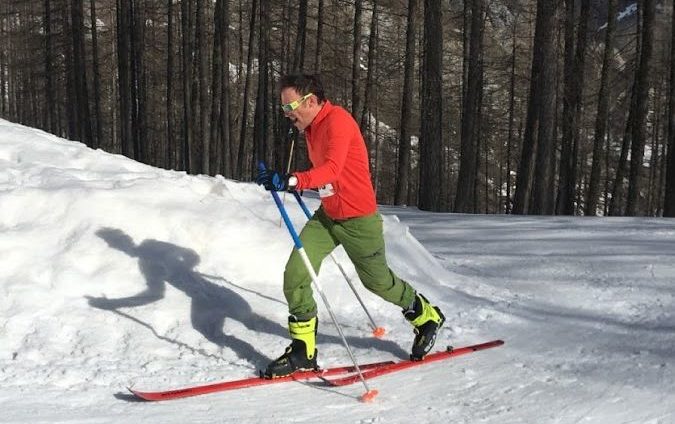
The "Individual" event, which was notably absent from the 2026 program, is considered by purists to be the ultimate test of a mountain athlete. Unlike the sprint, which is fast-paced and spectator-friendly over a short course, the individual race takes athletes through rugged, off-piste terrain, requiring them to ascend steep slopes with skins on their skis, carry their equipment over rocky ridges, and navigate challenging descents in variable snow conditions.

Strategic Venue Selection in the Southern Alps
In a move designed to align with the IOC’s "Olympic Agenda 2020+5" goals regarding sustainability and the use of existing infrastructure, the committee has designated the Briançonnais region in the Southern Alps as the primary hub for ski mountaineering. Specifically, the events are slated to take place in and around the Serre Chevalier valley, an area renowned for its deep mountaineering heritage and challenging terrain.
The selection of the Briançonnais is strategic. By utilizing the natural topography of the Southern Alps, organizers aim to minimize the environmental footprint of the Games. Unlike traditional downhill skiing, which requires extensive snowmaking, slope grooming, and permanent lift infrastructure, ski mountaineering utilizes the natural mountain environment. This "light-touch" approach is a key selling point for a French bid that has promised to deliver the most sustainable Winter Games in history.
Furthermore, the venue in Serre Chevalier is expected to be a multi-disciplinary hub. There are ongoing discussions regarding the inclusion of freeride skiing and snowboarding, which may share the same mountain faces as the Skimo events. A formal proposal for freeride’s inclusion is expected to be presented to the IOC Executive Board later this month. If approved, the Briançonnais would become the epicenter of "new-school" and backcountry-oriented Olympic disciplines.
The Data-Driven Decision Process
While the French proposal has been met with enthusiasm by the International Ski Mountaineering Federation (ISMF), the final decision rests with the IOC, which will rely on a rigorous, data-driven evaluation process. The methodology for assessing which sports remain or are added to the Olympic program was finalized in June 2025 and is being applied to the results from Milan-Cortina 2026.
The IOC’s evaluation framework consists of 14 key indicators. These metrics are designed to provide a comprehensive view of a sport’s "Olympic value" and include:
- Television Viewership: Total hours watched and peak audience numbers.
- Digital Engagement: Social media impressions, shares, and growth across platforms like TikTok and Instagram.
- Public Interest: Global surveys measuring the general public’s awareness and affinity for the sport.
- Spectatorship: Ticket sales and on-site attendance figures.
- Media Coverage: The volume and sentiment of press reports globally.
- Youth Appeal: The demographic breakdown of the audience, with a focus on the under-35 category.
- Gender Equality: The balance of participation and medals between men and women.
- Cost and Complexity: The financial burden on the host city and the technical difficulty of staging the event.
- Environmental Impact: The carbon footprint and ecological disruption caused by the discipline.
- Technical Evolution: The degree of innovation in equipment and broadcasting technology.
All data is collected and validated by an independent third-party agency to ensure objectivity. This methodology has been reviewed and approved by all Winter International Federations, providing a transparent roadmap for the evolution of the Winter Games program.
The Competitive Landscape: Winners and Losers
The push for more ski mountaineering events comes at a time of significant transition for the Winter Olympics. As the IOC seeks to modernize the Games and attract younger audiences, several traditional and emerging disciplines are finding themselves in a precarious position.
While Skimo is on the rise, other sports have faced setbacks. Ice climbing, which had campaigned vigorously for inclusion in the 2030 Games, has already been officially rejected by the IOC. Despite its spectacular nature and popularity in mountain regions, the sport reportedly failed to meet the necessary thresholds for global broadcast appeal and participation breadth.
Other disciplines remain in a state of limbo. Telemark skiing and snow polo are currently seeking inclusion, with supporters arguing that they offer a unique aesthetic and cultural connection to winter sports history. However, neither has yet secured a firm commitment from the IOC.
More concerning for traditionalists is the fate of Nordic Combined and Snowboard Parallel Giant Slalom. Nordic Combined, a staple of the Winter Games since the inaugural 1924 Chamonix Olympics, is under intense scrutiny due to its lack of a women’s category and declining television ratings in key markets outside of Central Europe. Snowboard Parallel Giant Slalom also faces an uncertain future as the IOC weighs its popularity against the surging demand for freestyle and extreme disciplines.
Broader Implications for the Olympic Movement
The expansion of ski mountaineering represents a broader shift in the philosophy of the Winter Olympics. By moving away from highly engineered environments and toward "wild" mountain sports, the IOC is attempting to capture the spirit of adventure that defines modern outdoor recreation.
For France, the inclusion of the Individual Skimo event is a matter of national pride. The country has a long history of "le ski de rando" (touring skiing), and the French mountains are considered the spiritual home of the sport. By hosting these events in the Southern Alps, France aims to showcase its regional diversity, moving the spotlight away from the traditional powerhouses of the Northern Alps like Courchevel and Méribel.

Industry analysts suggest that the expansion of Skimo could also trigger a surge in the winter sports economy. The "Skimo boom" has already led to increased sales of lightweight touring equipment and a rise in backcountry tourism. Olympic status serves as a massive marketing engine, potentially drawing a new generation of participants to the sport who prioritize fitness, nature, and environmental consciousness over traditional resort skiing.
Next Steps and Chronology
The timeline for the finalization of the France 2030 program is tight. Following the submission of the proposal this June, the IOC Executive Board will review the Milan-Cortina data throughout the summer of 2026.
- June 2025: IOC Executive Board approves the new 14-indicator evaluation methodology.
- February 2026: Ski mountaineering makes its Olympic debut at Milan-Cortina.
- June 14, 2026: France 2030 Organizing Committee formally requests the expansion of the Skimo program to include Individual events.
- Late June 2026: IOC Executive Board meeting to discuss the inclusion of Freeride and other new disciplines.
- Late 2026/Early 2027: Final confirmation of the event program for the 2030 Winter Games.
As the IOC prepares to deliberate, the message from the French organizers is clear: the future of the Winter Olympics lies in the peaks, not just the pistes. With the successful precedent set in Italy and a clear vision for the Southern Alps, ski mountaineering appears poised to become one of the defining narratives of the France 2030 Games.

