
The announcement by Alpine Canada of Francis Royal stepping into the pivotal role of Head Coach for the Women’s Development Team generated a significant ripple across the national ski racing landscape, a move that, while unexpected by some, underscores a strategic shift towards long-term athlete development. This appointment signals a deliberate re-prioritization within Canada’s alpine infrastructure, emphasizing the foundational stages of athletic progression. Royal, a seasoned veteran who recently led Canada’s Women’s World Cup slalom group, brings a wealth of experience from the sport’s highest echelons back to its nascent stages, a decision that speaks volumes about his coaching philosophy and Alpine Canada’s evolving vision.
A Deliberate Departure from the Pinnacle
For many coaches, a World Cup leadership position represents the zenith of a career, the culmination of years of relentless pursuit and dedication. It is a role coveted for its prestige, its direct impact on elite performance, and the global visibility it offers. Consequently, Royal’s decision to transition from this high-profile role to a development-focused position might initially perplex observers. However, for those intimately familiar with Royal’s enduring commitment to the holistic growth of athletes, the move is a logical continuation of his deeply ingrained values. His career trajectory, spanning nearly two decades, reveals a consistent dedication to the process of building athletes from the ground up, rather than solely focusing on immediate results at the top. This philosophy, forged in the demanding provincial circuits of Quebec and Ontario, has always placed athlete well-being and sustained progression at its core.
Alpine Canada officials, including CEO Thérèse Dubois, have lauded Royal’s decision, emphasizing its alignment with the organization’s renewed focus on strengthening the entire athlete pathway. "Francis Royal’s return to the Women’s Development Team signals a strategic re-commitment to nurturing our future talent from the ground up," Dubois stated in a recent press release. "His unparalleled experience at the World Cup level, combined with his foundational work in provincial programs, makes him uniquely qualified to bridge the gap and cultivate the next generation of Canadian ski champions."
The Intrinsic Motivation: A Quest for Deeper Contribution
Royal himself articulated his rationale with striking clarity: "I felt like I needed to create movement. I needed another challenge and another opportunity to contribute." This sentiment of contribution emerged as a recurring theme throughout discussions about his new role. It wasn’t a disinterest in the World Cup athletes or a decline in his motivation to coach at a high level. Rather, it was a profound attraction to the opportunity to effect change and make a significant impact within a different, yet equally critical, segment of the system.
The development role offers a multifaceted challenge. It enables Royal to work across various alpine disciplines, a broader scope than the specialized slalom focus of his previous role. Crucially, it provides the chance to shape team culture and ethos from the very beginning, instilling values of resilience, dedication, and integrity in young athletes during their formative years. These are the years when foundational skills are honed, mental fortitude is built, and an athlete’s long-term relationship with the sport is established. Furthermore, this move aligns with a broader national imperative within Canadian ski racing to reinforce the connection between provincial programs, national development teams, and the elite World Cup level. Historically, Canada has grappled with a significant "gap" in its athlete pathway, often requiring young skiers to make an enormous leap from provincial racing directly to the international stage with insufficient intermediate support. Royal’s appointment is seen as a crucial step in formalizing and strengthening this critical developmental bridge.
Having coached athletes at virtually every stage of their careers—from aspiring juniors to Olympic hopefuls—Royal views this transition not as a departure, but as a return to an area where his passion and expertise are deeply invested. "I just found a good opportunity to contribute to the system," he reiterated, highlighting his unwavering focus on long-term athlete development. This strategic recalibration by Alpine Canada, backed by the commitment of experienced coaches like Royal, represents a significant investment in the future pipeline of Canadian alpine talent.
Forging Pathways in the Pre-Development Team Era
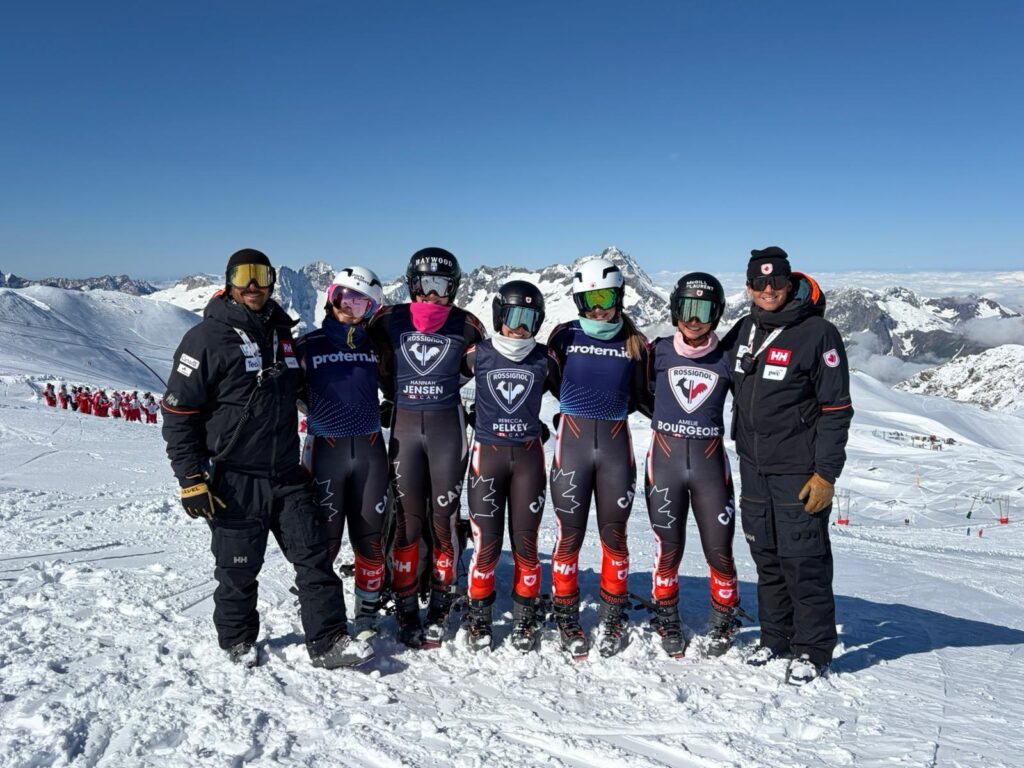
To truly appreciate Royal’s current philosophy, one must understand the challenging landscape in which he, and many of his peers, operated for years. Before Alpine Canada established dedicated national development teams, provincial programs often bore an immense, and sometimes overwhelming, responsibility. They effectively functioned as de facto development teams, tasked with bridging the formidable chasm between grassroots provincial competitions and the highly competitive Europa Cup or World Cup circuits. This was often achieved with severely limited resources and lean staff complements, a reality that shaped the character and adaptability of coaches like Royal.
During this period, Royal in Quebec and his contemporaries in Ontario faced similar realities: managing diverse groups of seven to ten female athletes with only one or two staff members. This meant juggling a multitude of responsibilities: crafting individualized training plans, managing equipment logistics, organizing extensive travel, driving team vans across vast distances, tuning skis meticulously, and, most importantly, creating meaningful opportunities for athletes whose pathways were anything but uniform. Some athletes aimed for Nor-Am exposure and results, others sought to improve their FIS points, a significant number aspired to NCAA scholarships, while many simply needed consistent race starts and experience to continue their progression. There was no single, linear pathway; each athlete presented a unique developmental puzzle.
These demanding years instilled a profound understanding in Royal that athlete success transcended mere technical skiing prowess. It required navigating a complex interplay of confidence, external pressures, inevitable setbacks, fluctuating motivation, injuries, and personal expectations. The athletes who ultimately thrived were not always the most inherently talented; more often, they were those who felt genuinely supported, understood, and appropriately challenged. This holistic perspective, honed in the crucible of provincial development, became a cornerstone of Royal’s coaching, a belief he carried with him through his World Cup tenure and that continues to define his approach today. His unwavering conviction in the importance of understanding the individual athlete, irrespective of their competitive level, remains a guiding principle.
The Cruciality of "Hard Conversations"
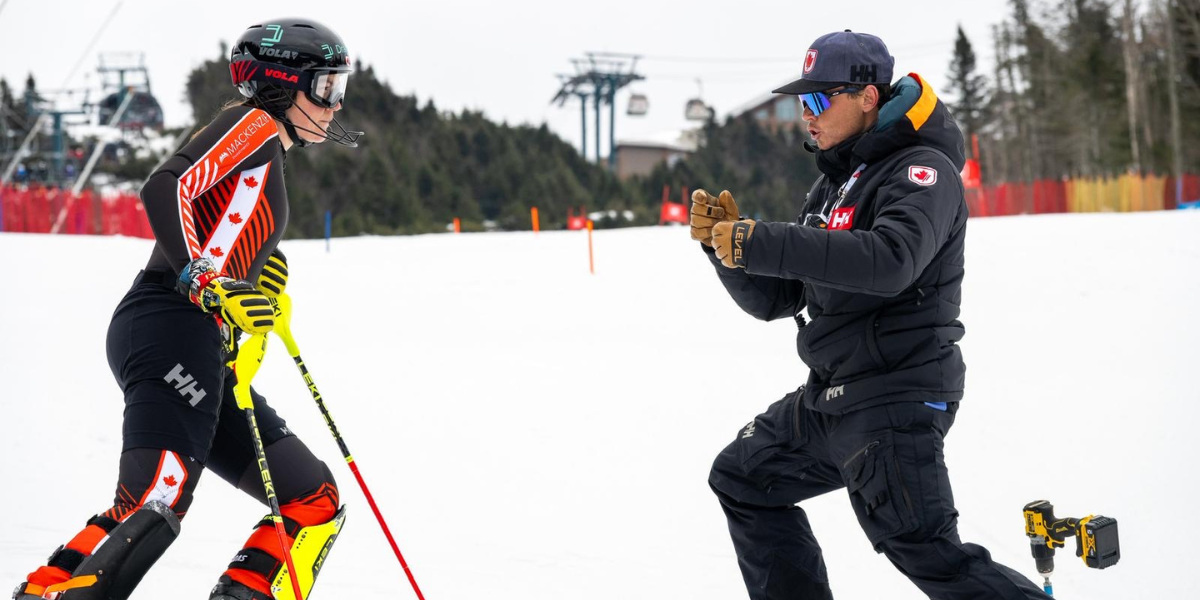
One of the most revealing insights from Royal’s experience revolves around a perennial challenge for coaches: initiating and sustaining "hard conversations." These are not discussions about technique or race tactics, but rather the deeper, more sensitive dialogues concerning an athlete’s confidence, accountability, realistic expectations, and the myriad personal realities they confront away from the race hill. Royal candidly admitted to having shied away from such conversations earlier in his career, a choice he now identifies as a significant mistake.
"I noticed when I avoided those conversations, it was a mistake," he reflected. "You learn so much more about what’s actually happening with the athlete." This evolution in his coaching philosophy highlights the critical importance of empathetic communication. Athletes do not arrive at training as mere vessels for skiing; they carry the weight of academic pressure, family dynamics, the physical and psychological toll of injuries, self-doubt, personal challenges, and the often-immense expectations they place upon themselves. These non-skiing factors can exert as much, if not more, influence on performance than any technical adjustment.
For Royal, these conversations are not simply problem-solving exercises; they are fundamental to understanding the individual in front of him and fostering an environment of trust and honest dialogue. This understanding is particularly vital in alpine skiing, a sport characterized by its inherent risks, frequent setbacks, and a developmental trajectory that is rarely linear. Athletes require coaches who can guide them through difficult moments with compassion and wisdom, not just celebrate their victories. Royal emphasizes that these "hard conversations" frequently unearth the most crucial information coaches need, providing essential context, solidifying trust, and ultimately enabling more effective and personalized athlete support. "If you only go through the results and quality of skiing, you’re going to miss the real stuff," he stated, a lesson refined over 17 years of working with female athletes across all competitive tiers.
Identifying Future World Cup Talent: Beyond the Obvious Metrics
When pressed on how he identifies athletes with World Cup potential, Royal’s response deviated significantly from conventional metrics like immediate results, rankings, or podium finishes. Instead, he pointed to intrinsic characteristics that often manifest long before an athlete reaches the elite levels of the sport.
Motivation stands out as a primary indicator. True World Cup contenders, in Royal’s experience, possess an internal drive that requires little external persuasion. They arrive engaged, intellectually curious, and deeply invested in their own developmental journey. While coaches play a vital role in guiding this process, the fundamental desire to improve is already self-generated.
Another crucial quality Royal highlighted is "freedom"—the freedom to attack the course, to take calculated risks, and to express their unique athletic style without inhibition. He observed that many skiers who eventually ascend to the World Cup circuit are not characterized by perfect consistency in their youth. In fact, many encounter numerous setbacks and failures along the way. What distinguishes them is their unwavering willingness to push boundaries, to learn constructively from mistakes, and to relentlessly move forward despite adversity.
This perspective challenges a common inclination in athlete development, where coaches, driven by a desire to help, can sometimes over-structure or over-control an athlete’s progression. Such an approach, Royal suggests, can inadvertently stifle the very qualities—creativity, risk-taking, intrinsic motivation—that are essential for success at the highest levels. For Royal, a core aspect of coaching is recognizing these innate qualities and cultivating an environment where they can flourish. This sometimes means providing clear guidance, but equally, it means resisting the urge to "overcoach" and allowing athletes the necessary space to discover and forge their own unique path. The ultimate objective, he firmly believes, is not to mold athletes into a coach’s image, but to empower them to become the best, most authentic versions of themselves.
Canada’s Development Opportunity: Forging a Unique Path
Turning to the broader Canadian ski racing system, Royal offered a realistic assessment of its challenges while radiating optimism about its inherent opportunities. The most significant challenge, he articulated, remains the substantial gap between provincial programs and the World Cup circuit. Unlike many European ski powerhouses, which boast multi-tiered development structures (junior, regional, national B-teams, Europa Cup teams) that provide a gradual, scaffolded progression, Canada’s pathway has historically demanded a precipitous leap from athletes in a relatively condensed timeframe. "It’s a massive gap," Royal reiterated, underscoring the formidable transition required.
For years, Canadian athletes, coaches, and provincial programs have heroically striven to bridge this gap, often with constrained resources and limited national-level opportunities. This has frequently left athletes navigating the complex transition to international racing without a clearly defined intermediate step. However, this landscape is demonstrably shifting. The recent establishment of dedicated national development teams has begun to forge a stronger, more coherent link between provincial programs and the World Cup level. This provides aspiring athletes with a clearer, more structured vision of their developmental trajectory.
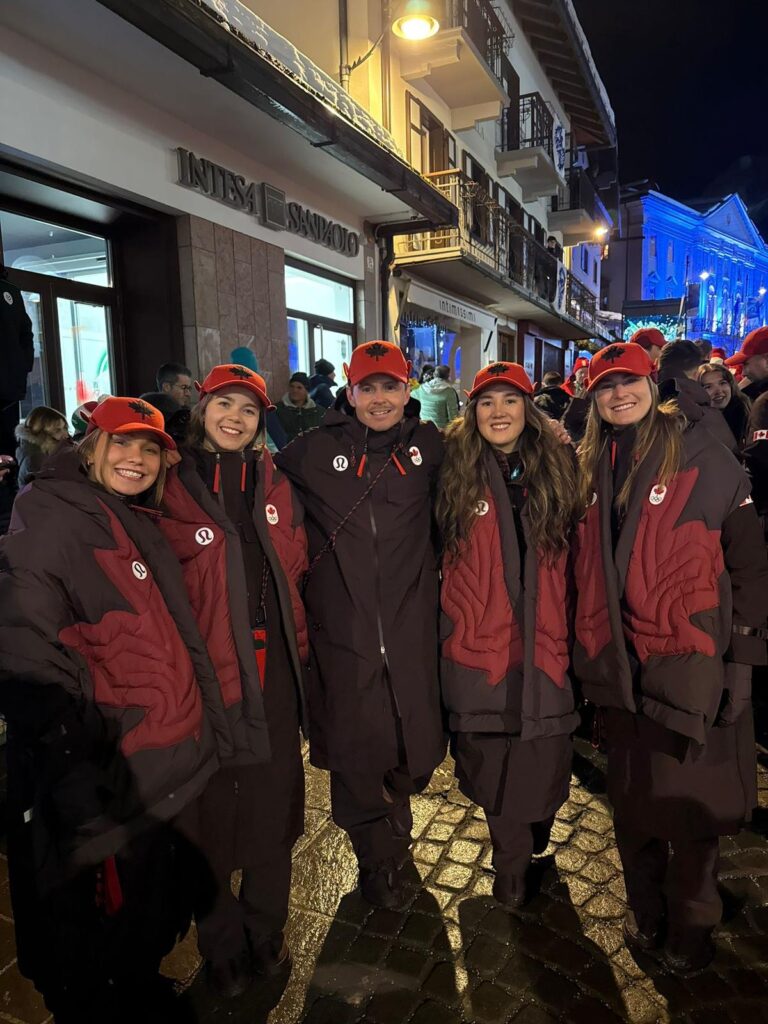
For Royal, one of Canada’s most compelling opportunities lies in fostering greater integration across the entire pathway. He envisions a system where development athletes regularly train alongside World Cup athletes, where provincial athletes gain meaningful exposure to national team environments, and where coaches at all levels actively share knowledge and best practices rather than operating in isolated silos. This collaborative approach, Royal believes, can become a distinctive strength for Canadian alpine skiing. While larger ski nations may possess greater depth of talent and financial resources, they often contend with the complexities of integrating athletes across numerous, sometimes disparate, developmental layers. Canada’s comparatively smaller, more interconnected system, by contrast, offers unique opportunities for seamless collaboration that are far more challenging to achieve in larger, more fragmented structures.
"We have an opportunity to do things our way," Royal asserted, advocating against merely replicating the models of Austria, Switzerland, or Italy. Instead, he champions the development of a system that authentically reflects the realities of Canadian ski racing, capitalizing on its existing strengths. Crucially, Royal believes the foundational elements are already firmly in place: robust provincial programs, dedicated and passionate coaches, and athletes with an unyielding work ethic. The ongoing challenge is to continue reinforcing the connective tissues between these elements, thereby creating an environment where every aspiring Canadian skier can envision a clear, supported pathway from local provincial races to the international stage. For a coach returning to development after a distinguished tenure on the World Cup circuit, this is a challenge Royal appears unequivocally eager to embrace.
The Enduring Lesson: Cultivating Gratitude
Towards the culmination of a comprehensive discussion, Royal was posed a profound question: what single lesson would he most want every young Canadian ski racer to internalize before advancing beyond the development ranks? His answer, notably, transcended the technical, tactical, or performance-oriented aspects of the sport. It was, simply, gratitude.
Royal articulated how easily athletes can become preoccupied with perceived deficiencies: the funding they wish existed, the opportunities seemingly abundant in other nations, or the resources they believe are obstacles to their goals. He challenges athletes to consciously recognize and appreciate the wealth of opportunities already at their disposal: the coaches who selflessly invest their time and energy, the teammates who provide daily challenge and camaraderie, and the profound privilege of participating in a sport that offers travel, learning, personal growth, and life-changing experiences. "I think athletes need to learn to recognize opportunities," Royal emphasized.

This perspective is increasingly vital in a globalized sport where comparisons are effortless, and athletes are constantly measuring themselves against competitors, programs, and systems worldwide. For Royal, cultivating gratitude is not about tempering ambition or overlooking genuine challenges. Rather, it is about understanding that profound growth often originates from an appreciation for the resources, the people, and the invaluable experiences that are already present. It encapsulates much of his overarching coaching philosophy: focus on what is controllable, invest deeply in the people around you, and maintain unwavering commitment to the process, irrespective of immediate outcomes.
After nearly two decades immersed in the demanding world of alpine skiing, Francis Royal could have comfortably remained at the pinnacle of World Cup coaching. Instead, he deliberately chose a new challenge, another opportunity to make a meaningful and lasting contribution to Canadian ski racing. His journey, marked by a consistent underlying philosophy, reveals a coach who, while adaptable to different roles and levels, remains fundamentally focused on the human element—the athletes themselves—and the long-term arc of their development. In a sport often fixated on the next result, the next ranking, or the next job title, Francis Royal’s unwavering focus remains steadfastly on the people, and the enduring, transformative power of the long game.

