
Harald Østberg Amundsen, the Norwegian cross-country skiing sensation who captured both the prestigious Tour de Ski and the overall World Cup title two seasons ago, is expressing serious concerns about the long-term health of his lungs. The 27-year-old athlete revealed to TV 2 that he has experienced a progressive deterioration of his respiratory system over the past few years, significantly impacting his breathing capacity and overall performance.
"I have become more and more damaged in my airways over the last few years, which has led to my breathing becoming worse," Amundsen stated candidly. This admission marks a stark contrast to his dominant form just two seasons prior, when he stood at the pinnacle of the sport, achieving career-defining victories. The last two competitive seasons, however, have been characterized by a noticeable struggle, a stark reminder of the immense physical toll that elite cross-country skiing exacts.
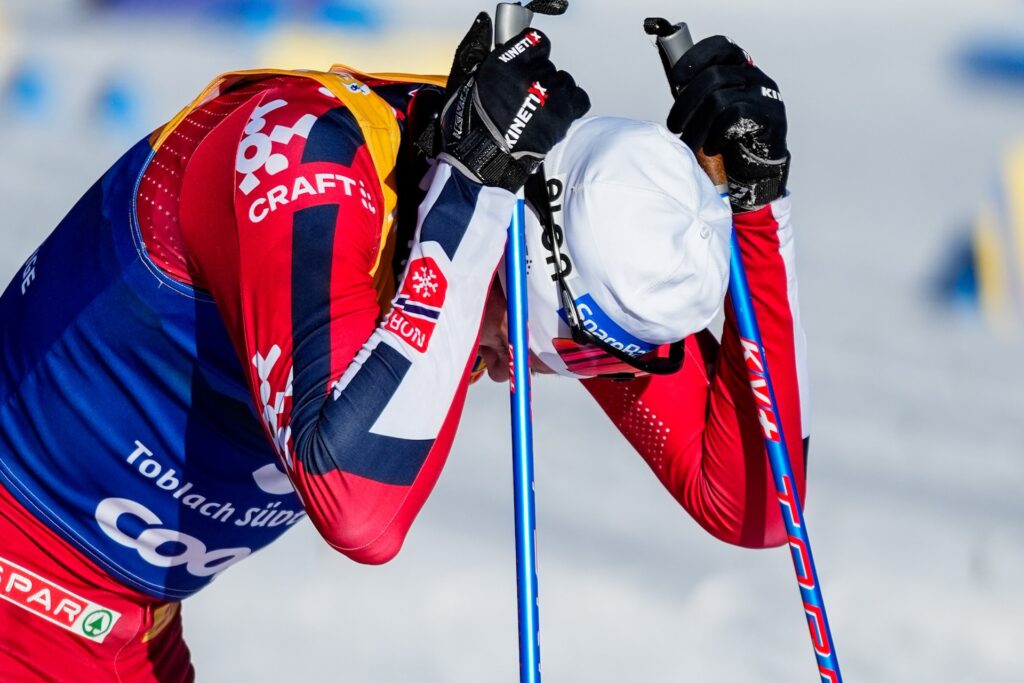
During the most recent Tour de Ski, Amundsen’s breathing difficulties reached a critical point. He described moments of intense exertion where he saw "stars" and felt as though he was "choking." His performance at the Olympic Games, while still commendable with a fourth, sixth, and fourteenth-place finish, did not reflect the effortless dominance he had previously displayed. These experiences have now forced Amundsen to confront the possibility that his body, specifically his lungs, may have sustained damage from years of rigorous training and competition, particularly in the harsh, cold air at high altitudes.
The Norwegian ski federation and its medical team are now undertaking a comprehensive investigation to understand the extent of Amundsen’s respiratory issues and to develop a strategy to mitigate further damage. The situation is described as demanding, not only physically but also mentally, as Amundsen grapples with the potential implications for his future career.
The Gradual Decline: A Timeline of Respiratory Struggles
The onset of Amundsen’s breathing problems appears to have been a gradual process, escalating over time. While the demanding nature of high-altitude endurance sports, which involves prolonged exposure to dry, cold air, is well-known to impact respiratory health, Amundsen’s experience suggests a more significant and concerning decline. He notes a distinct difference in his lung capacity and exertion tolerance compared to just two years ago.
"It’s a bit staggering that elite sports take such a toll," Amundsen admitted. "It’s not surprising that it costs the lungs to go in dry, cold air at 1500 meters. But I feel that I tolerated it better two years ago than I do now. Therefore, I want to find a balance and see if it is possible to take some measures in advance."
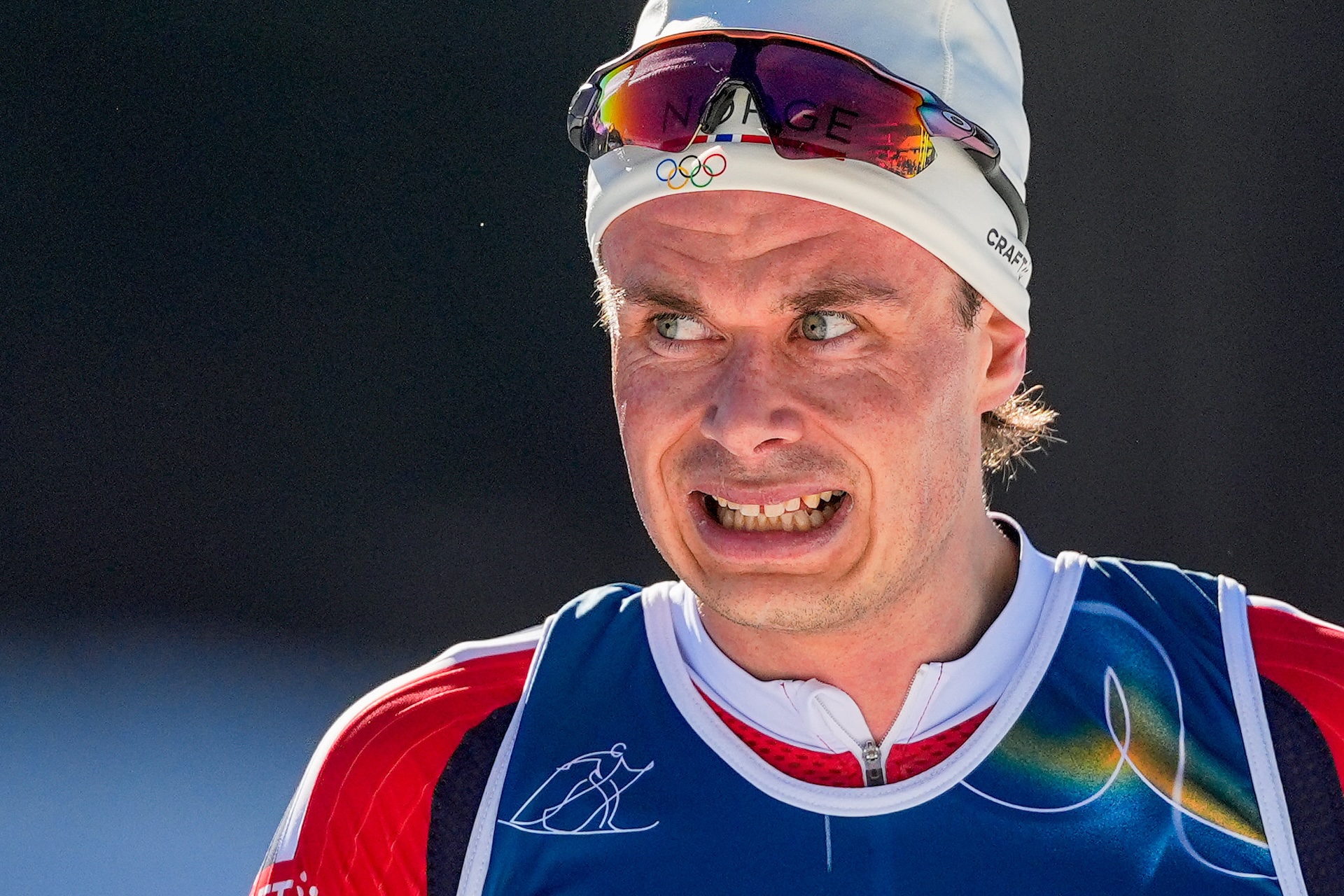
His respiratory challenges are most pronounced during multi-day stage races like the Tour de Ski, where consecutive days of intense effort push the body to its absolute limits. These are precisely the types of events Amundsen excels in and, for which, he harbors a deep passion. With a World Championship on the horizon this coming winter, the urgency to address his health concerns is paramount.
Coaches and Medical Staff Express Concern and Optimism
The concerns extend beyond Amundsen himself, with national team coach Eirik Myhr Nossum voicing significant worry. Nossum emphasized the proactive approach being taken: "We are searching with a lamp and magnifying glass. We hope to reach a point where he is better equipped, or that we can stabilize it. Because if we sit on our hands and just look the other way, I believe the probability that it will only get worse is high."
Nossum acknowledged the gravity of the situation, particularly for an athlete of Amundsen’s caliber and age. "He is too young to have to specialize and drop a lot of ski races to go for some good ones. I hope and believe we can solve something."
When questioned about the potential long-term consequences, including the possibility of Amundsen no longer being able to compete in every race or contend for the overall World Cup title, Nossum did not shy away from the worst-case scenario. "Yes, in the worst case, it could be over. But I am not standing here painting black. I am painting white. I believe that we will solve this together with Olympiatoppen and our medical team." This statement underscores a determined, yet realistic, approach to managing the athlete’s health.
A Multi-faceted Approach: Olympiatoppen and Medical Expertise
In response to Amundsen’s health concerns, a collaborative effort involving the Norwegian Olympic and Paralympic Committee and Confederation of Sports (Olympiatoppen) and Amundsen’s dedicated medical team has been initiated. The primary objective is to gain a comprehensive understanding of his lung function and to implement targeted interventions.
The diagnostic process began in May and involves detailed lung function tests, physiological assessments, and close monitoring of his response to strenuous training loads. In June, Amundsen underwent further evaluations to map how his lungs react during periods of intense training. This data is crucial for developing personalized strategies to enhance his tolerance to the physical demands of cross-country skiing.
The focus is not solely on immediate treatment but also on long-term management and prevention. This includes exploring various therapeutic options, such as specialized breathing exercises, pharmacological interventions if deemed necessary, and adjustments to training protocols. The goal is to find a sustainable balance that allows Amundsen to continue competing at the highest level without compromising his respiratory health.
Supporting Data and Context in Endurance Sports
The challenges faced by Amundsen are not entirely unique within the realm of elite endurance sports. Athletes in disciplines such as marathon running, cycling, and cross-country skiing push their cardiovascular and respiratory systems to extreme limits. This prolonged and intense physiological stress can, in some individuals, lead to adaptations that may have long-term consequences.
One area of concern in endurance athletes is exercise-induced bronchoconstriction (EIB), commonly known as exercise-induced asthma. This condition causes the airways to narrow during or after exercise, leading to symptoms like shortness of breath, wheezing, and coughing. While EIB can often be managed with medication, in severe cases or when exacerbated by environmental factors like cold, dry air, it can significantly impair performance.
Cross-country skiing, in particular, presents a unique set of environmental challenges. Skiers often compete in sub-zero temperatures, and the dry air at high altitudes can irritate the delicate tissues of the respiratory tract. The immense aerobic demands of the sport, requiring sustained high heart rates and maximal oxygen uptake, place an unparalleled burden on the lungs.
A Glimmer of Hope: Positive Developments Emerge
Despite the serious nature of his condition, there are emerging signs of improvement. Following the World Cup finals, Amundsen participated in a national team training camp at Sognefjellet. He reported a significant positive shift in his physical well-being, stating that his body was "finally more in balance than in the past few weeks." This sentiment suggests that the initial interventions and the focus on his health are beginning to yield results, offering a ray of optimism for his upcoming competitive season.
The journey ahead for Harald Østberg Amundsen is undoubtedly challenging. The potential damage to his lungs represents a significant hurdle in his pursuit of continued athletic excellence. However, the proactive measures being taken by him, his coaching staff, and the medical experts at Olympiatoppen indicate a strong commitment to finding solutions. The coming months will be critical in determining the extent to which his respiratory health can be restored and managed, ultimately shaping his ability to compete in future major events like the World Championships and beyond. The cross-country skiing world will be watching with keen interest, hoping for the full recovery of one of its most dynamic and promising athletes.

