
The traditional boundaries between winter sports journalism and summer travel reporting have increasingly blurred as seasonal enthusiasts seek year-round destinations that mirror the tranquility and logistical uniqueness of high-altitude resorts. In July 2026, the Saronic island of Hydra has emerged as a primary case study for this crossover, offering a car-free environment that draws direct parallels to some of the most prestigious pedestrianized ski villages in the European Alps. While the Greek islands are historically celebrated for their maritime heritage and summer sun, the logistical framework of Hydra provides a blueprint for sustainable tourism that resonates with those accustomed to the restricted-access environments of Zermatt, Saas-Fee, and Avoriaz.
The Logistics of a Car-Free Haven
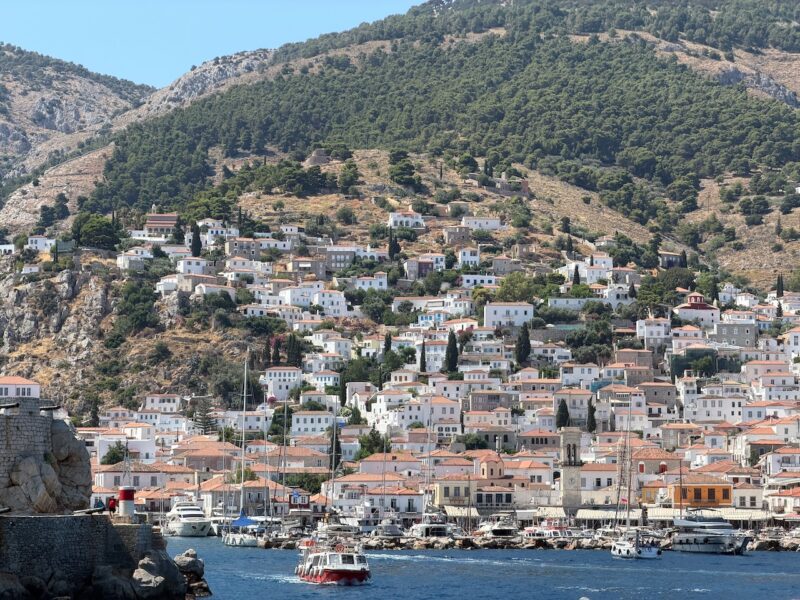
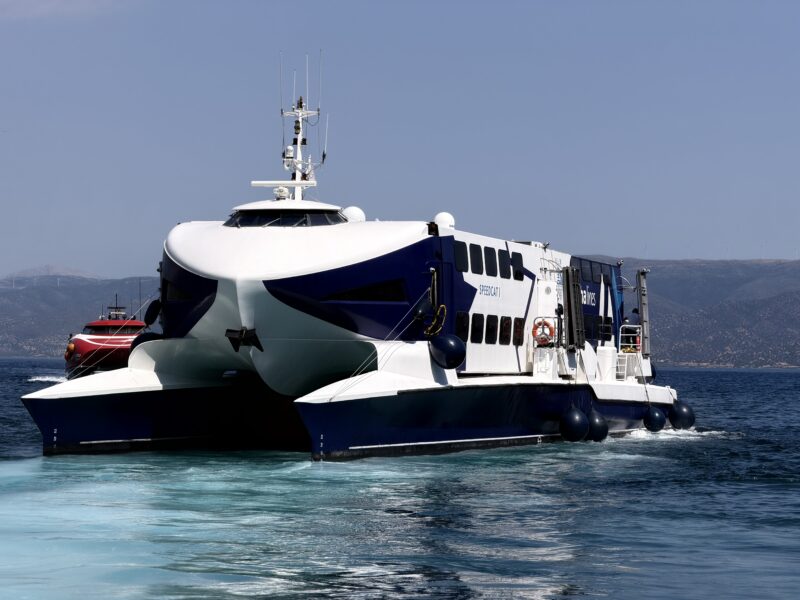
Hydra, situated approximately 37 nautical miles from the Athens port of Piraeus, maintains a strict prohibition on motorized vehicles, a policy enforced through local administrative decrees and reinforced by the island’s rugged, amphitheater-like topography. Access to the island is primarily facilitated by high-speed catamarans and hydrofoils, such as the futuristic Aero Highspeed vessels, which reduce travel time to roughly 90 minutes. These craft, often noted for their aerodynamic, carbon-fiber designs, represent the cutting edge of Aegean transit, contrasting sharply with the ancient modes of transport required upon arrival.
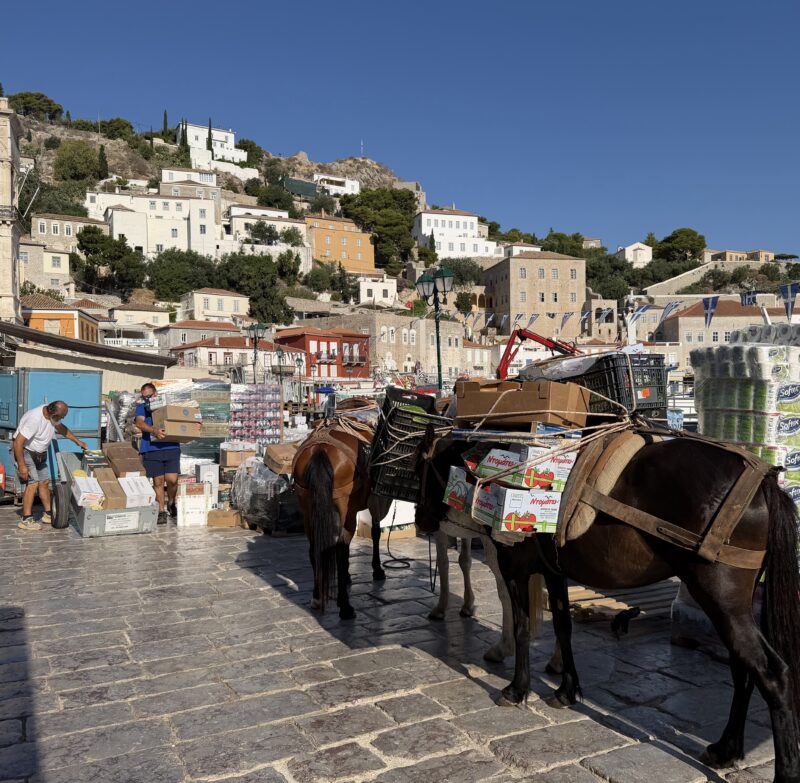
Unlike the electric taxis of Zermatt or the horse-drawn sleighs of Avoriaz, Hydra relies almost exclusively on equines—mules, donkeys, and horses—to manage the island’s heavy lifting. With a permanent population of approximately 2,000 residents, the island’s infrastructure is designed around the needs of these animals and the pedestrians they serve. From the delivery of construction materials to the transport of tourist luggage to uphill boutique hotels, the "donkey economy" remains the backbone of the island’s logistics. This absence of internal combustion engines results in a significant reduction in noise pollution and carbon emissions, creating an atmospheric serenity that travel analysts suggest is a primary driver for high-end tourism in 2026.
Comparative Geography: From Pistes to Pebbles
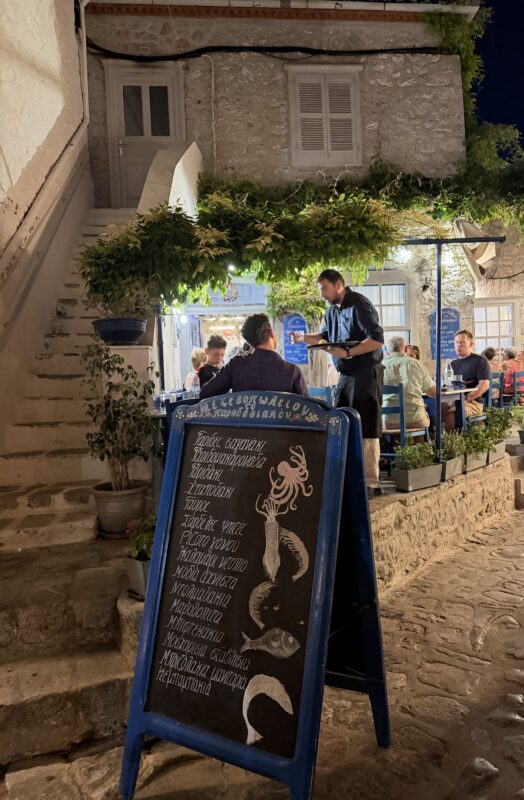
The island’s primary settlement, Hydra Port, is a crescent-shaped harbor that functions as the social and economic nexus of the 19.2-square-mile territory. The architectural preservation of the town is overseen by strict building codes that mandate the use of local stone and traditional aesthetics. This commitment to heritage is a trait shared with Alpine resorts like Wengen, where the preservation of the "village feel" is considered essential to the brand identity.
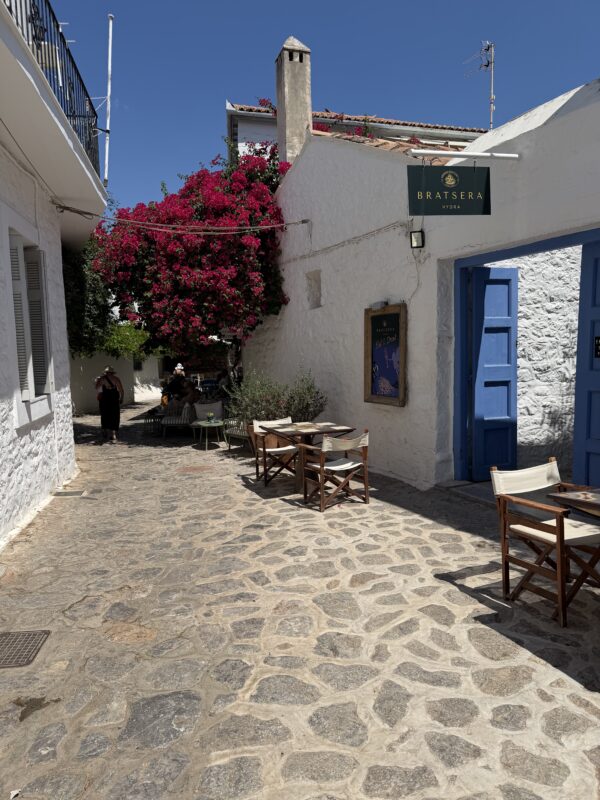
While the winter months see the global skiing community focused on the 190 kilometers of marked slopes across Greece’s 25 ski resorts, the summer transition to islands like Hydra allows for a period of strategic reflection. For travel journalists and industry professionals, the island serves as an "outdoor office" where the next winter season is planned. The terrain of Hydra, characterized by steep stone stairways and coastal paths, offers a physical rigor that appeals to the fitness-oriented demographic typically found in the mountains.
A Chronology of Hydra’s Rise as a Cultural Hub
The transformation of Hydra from a naval stronghold to a global tourist destination followed a distinct timeline:
- 1950s: The island gained international exposure following the release of the 1957 film Boy on a Dolphin, starring Sophia Loren. This era marked the beginning of Hydra’s reputation as a cinematic and glamorous escape.
- 1960s: A vibrant bohemian community was established. Musicians and writers, most notably Leonard Cohen, purchased homes on the island, drawn by the low cost of living and the absence of modern distractions.
- 1990s – 2010s: The island transitioned into an upscale retreat, with the mansions of 18th-century naval commanders being converted into museums and high-end boutique hotels.
- 2020s: Hydra solidified its position as a leader in sustainable, "slow travel," leveraging its car-free status to attract environmentally conscious travelers in a post-pandemic market.
Economic Implications and Market Positioning
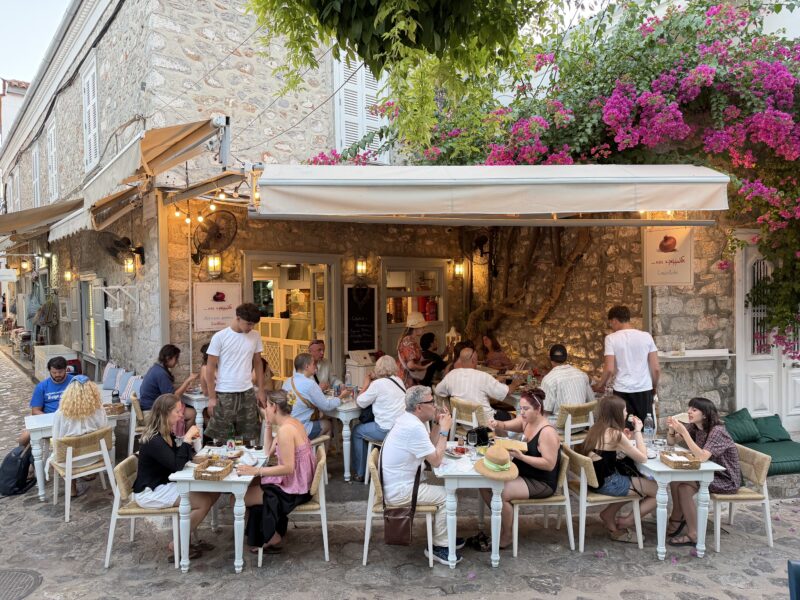
The economic landscape of Hydra in 2026 reflects a dual identity. While the island hosts several high-end galleries and luxury boutiques that would not be out of place in Verbier or St. Moritz, it maintains a degree of accessibility in its local hospitality sector. Market data from July 2026 indicates that a large domestic beer in a traditional tavern away from the primary harbor front costs approximately €5.00 (£4.25). This pricing is significantly lower than the average costs found in major Alpine hubs during the peak ski season, where similar refreshments often command a 30% to 50% premium.
However, the luxury sector continues to expand. The island’s real estate and retail markets have seen a steady influx of investment, particularly in the restoration of historic estates. These properties often serve as summer residences for the same demographic that frequents the luxury chalets of the Tarentaise Valley or the Arlberg region. The synergy between these two seemingly disparate holiday types—high-altitude skiing and Mediterranean island hopping—is rooted in a shared appreciation for exclusivity, architectural integrity, and pedestrian-centric urban design.

The Greek Winter Dimension: A Growing Industry
A common misconception among international travelers is that Greece is an exclusively summer destination. In reality, the Greek mainland boasts a robust winter sports infrastructure. As of 2026, the country operates 117 ski lifts, providing access to diverse terrain.
- Mount Parnassos: Located near Delphi, it is the largest and most popular resort in Greece, frequently used by residents of Athens due to its proximity.
- Kalavrita: Situated in the Peloponnese, this resort offers significant vertical drops and has seen recent investments in lift technology and snowmaking capabilities.
- Vasilitsa: Known for its freeride terrain and reliable snowpack in the Pindus Mountains.
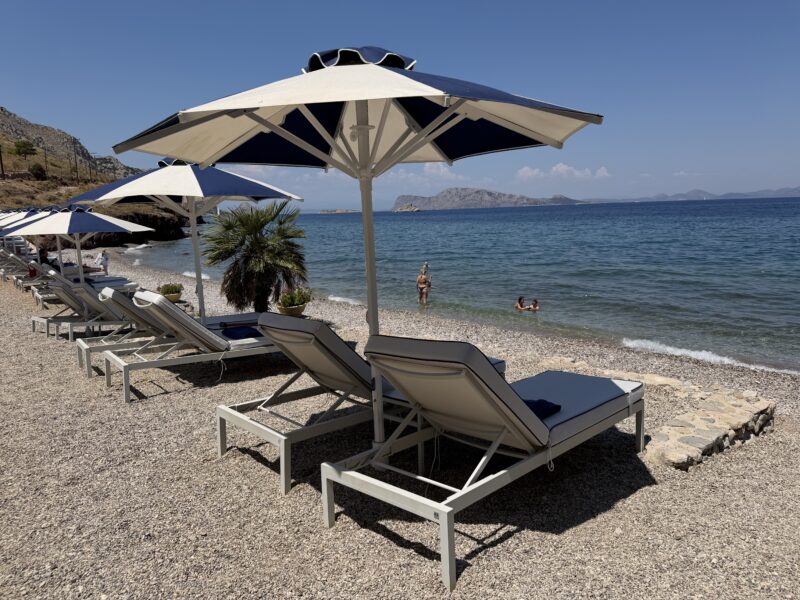
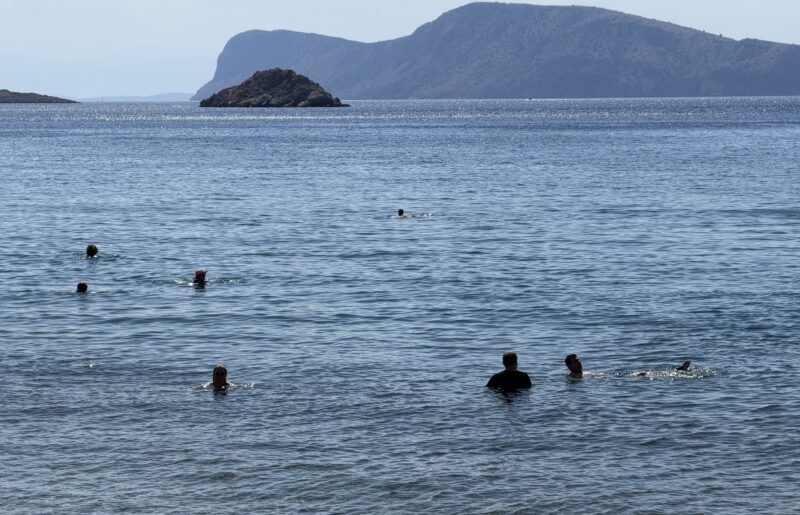
The integration of summer island reports into winter sports platforms like PlanetSKI highlights a growing trend in the travel industry: the "year-round adventurer." This demographic seeks out "lesser-known and off-the-beaten-track" locations, whether that involves a remote couloir in the mountains of Sweden or a secluded pebble beach accessible only by sea taxi on Hydra.
Environmental and Social Impact Analysis
The reliance on sea taxis and equines on Hydra is not merely a novelty but a functional necessity. Because there are no roads connecting the various hamlets—such as Mandraki, Kamini, and Vlychos—the maritime "shuttle" system is the primary mode of transit for both locals and tourists. This system mirrors the ski-bus or gondola networks of the Alps, where movement is dictated by the landscape rather than the convenience of the private automobile.
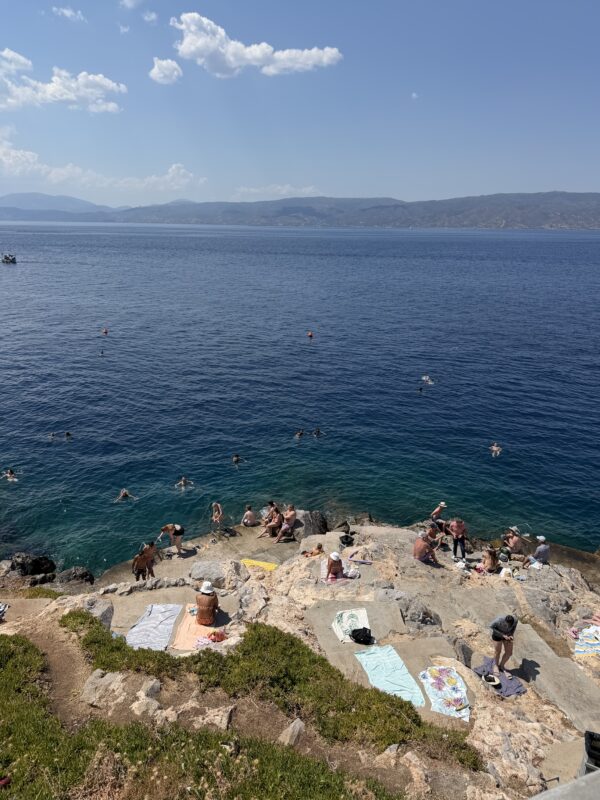
Municipal representatives on Hydra have noted that the "car-free" mandate is the island’s most significant asset in the face of over-tourism. By limiting the speed and ease of movement, the island naturally regulates the flow of visitors, preventing the congestion seen on other Aegean islands like Santorini or Mykonos. Furthermore, the absence of cars fosters a unique social environment; the harbor becomes a communal space where boat-watching and walking are the primary activities, encouraging a "horizontal" or laid-back lifestyle.
Future Outlook: Athens and Beyond
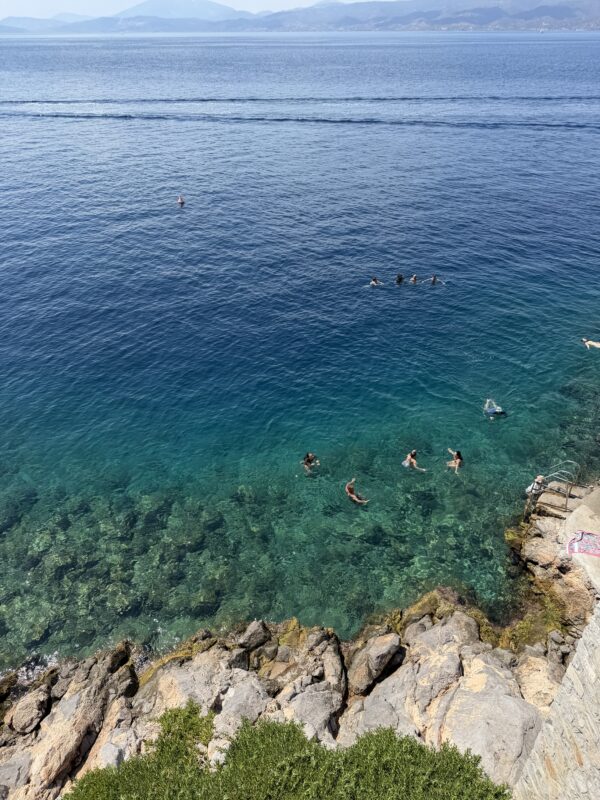
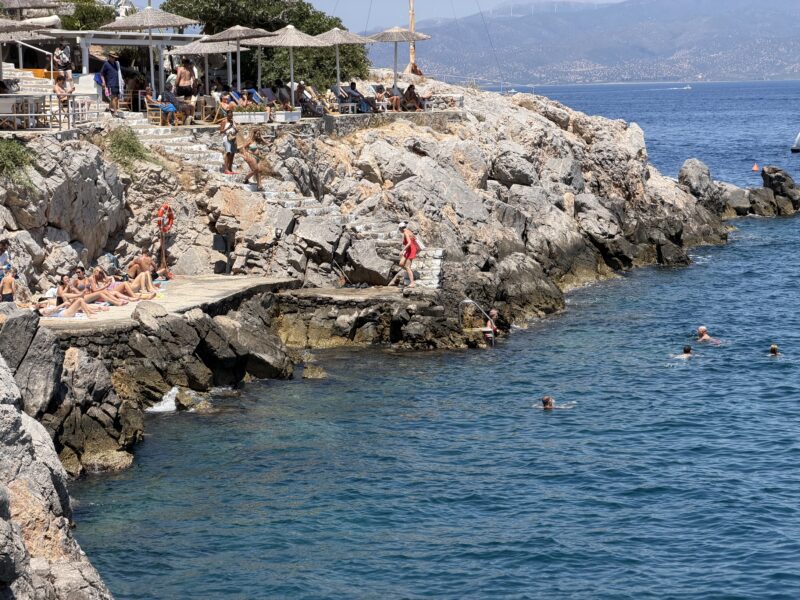
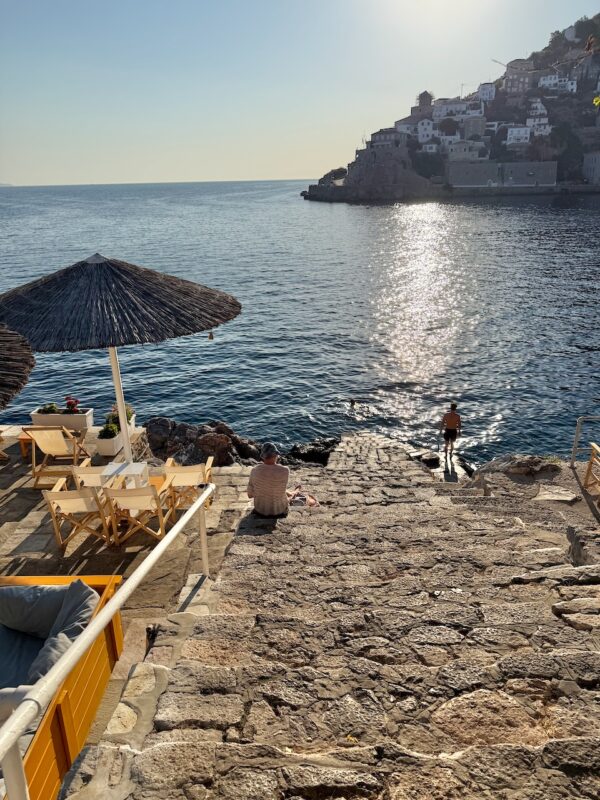
As the 2026 summer season progresses, the travel patterns observed on Hydra suggest a shift toward "curated seclusion." Travelers are increasingly willing to navigate the complexities of boat-only access and stony beaches (as opposed to sandy shores) in exchange for authentic cultural heritage and environmental purity.
The next phase of the 2026 travel circuit moves toward Athens, where the focus will shift from island logistics to urban heat management and the integration of historical sites with modern tourism infrastructure. For the winter sports community, the lessons learned on Hydra—regarding the value of pedestrianization and the preservation of local character—remain highly relevant as Alpine resorts continue to grapple with the challenges of climate change and the need for sustainable year-round economic models.
In conclusion, Hydra stands as a testament to the enduring appeal of the car-free model. By maintaining its traditional transport methods and resisting the pressure to modernize its road infrastructure, the island has secured its place as a premier destination for those who value the quietude of the mountains and the clarity of the Aegean in equal measure. As the world moves toward 2027, the "Hydra Model" may well serve as an inspiration for other destinations seeking to balance the demands of modern tourism with the necessity of environmental conservation.

