
The evolution of athletic performance is often measured by the transition from raw talent to the integration of sophisticated biological data. For Jonny Moseley, the 1998 Olympic gold medalist whose "new-school" style forever altered the trajectory of freestyle skiing, the pursuit of peak physical condition has shifted from the frantic cycles of Olympic qualification to a sustainable, technology-integrated lifestyle. Today, Moseley’s fitness regimen serves as a blueprint for the modern aging athlete, blending traditional strength training with cutting-edge recovery modalities at Velvaere, a wellness-focused residential community in Deer Valley, Utah.
The Genesis of Data-Driven Performance
In the mid-1990s, the concept of "marginal gains" through biometric tracking was largely confined to elite endurance cycling and laboratory settings. However, as Moseley prepared for the 1998 Winter Olympics in Nagano, Japan, he adopted a revolutionary training philosophy that predated the current wearable technology boom. While his competitors relied on traditional coaching and repetitive drills, Moseley began meticulously tracking his heart rate, keeping detailed journals of his daily performance, and analyzing "second-day soreness" to map his body’s recovery curves.
This analytical approach was born out of necessity. The Olympic cycle dictates that an athlete has essentially one high-stakes opportunity every four years to achieve immortality. This pressure creates a psychological environment where athletes become obsessed with the timing of strain and recovery. By quantifying his exertion, Moseley was able to identify the precise moment his body reached peak performance, allowing him to peak exactly when the eyes of the world were on the moguls of Nagano.
This scientific rigor facilitated his technical innovation. In 1998, Moseley won the first two World Cup events of the season before heading to the Olympics. It was there that he introduced a snowboard-style "mute grab" into his 360-degree spins, a move that challenged the rigid aesthetic of traditional mogul skiing. This creative leap was supported by a physical foundation that allowed for greater aerial control and landing stability, proving that data-driven training could enhance, rather than stifle, athletic creativity.
The Transition to Integrated Wellness
Decades after his Olympic triumph, Moseley’s relationship with fitness has evolved from the pursuit of a podium to the pursuit of longevity. His current role as an ambassador for Velvaere signifies a broader trend in the sports world: the democratization of elite-level recovery technology. Velvaere, a private ski-in/ski-out community, integrates amenities that were once the exclusive domain of the United States Olympic & Paralympic Training Centers (USOPTC).
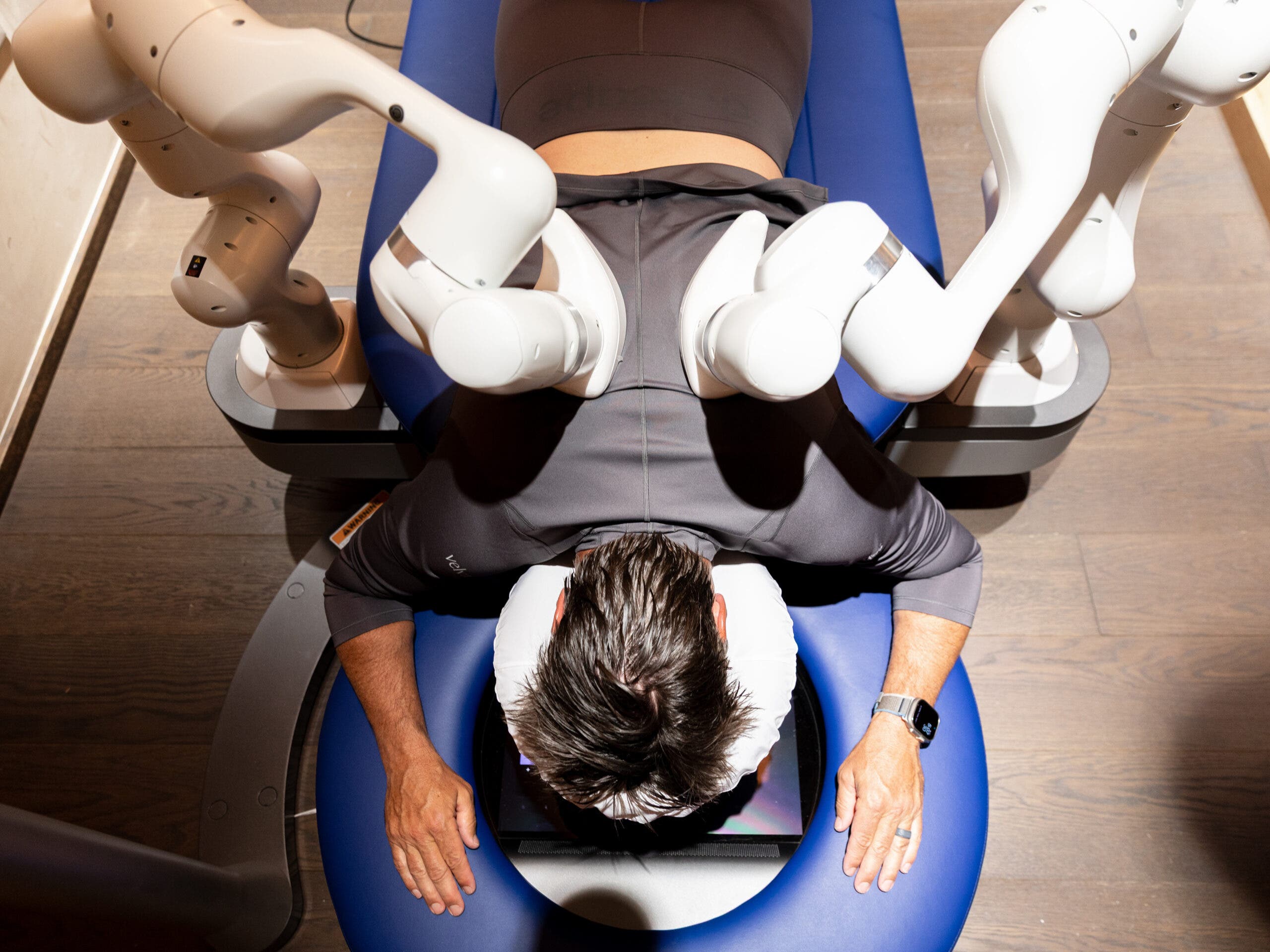
The facility features an AI-powered massage robot that utilizes advanced sensors to evaluate the human body’s musculoskeletal tension before administering a customized treatment. This is supplemented by a suite of recovery tools including:
- Whole-Body Cryotherapy: Exposure to sub-zero temperatures to reduce systemic inflammation.
- LightStim LED Therapy: Utilizing specific wavelengths of light to accelerate cellular repair and improve skin health.
- Flotation Therapy: Sensory deprivation tanks designed to reduce cortisol levels and alleviate joint pressure.
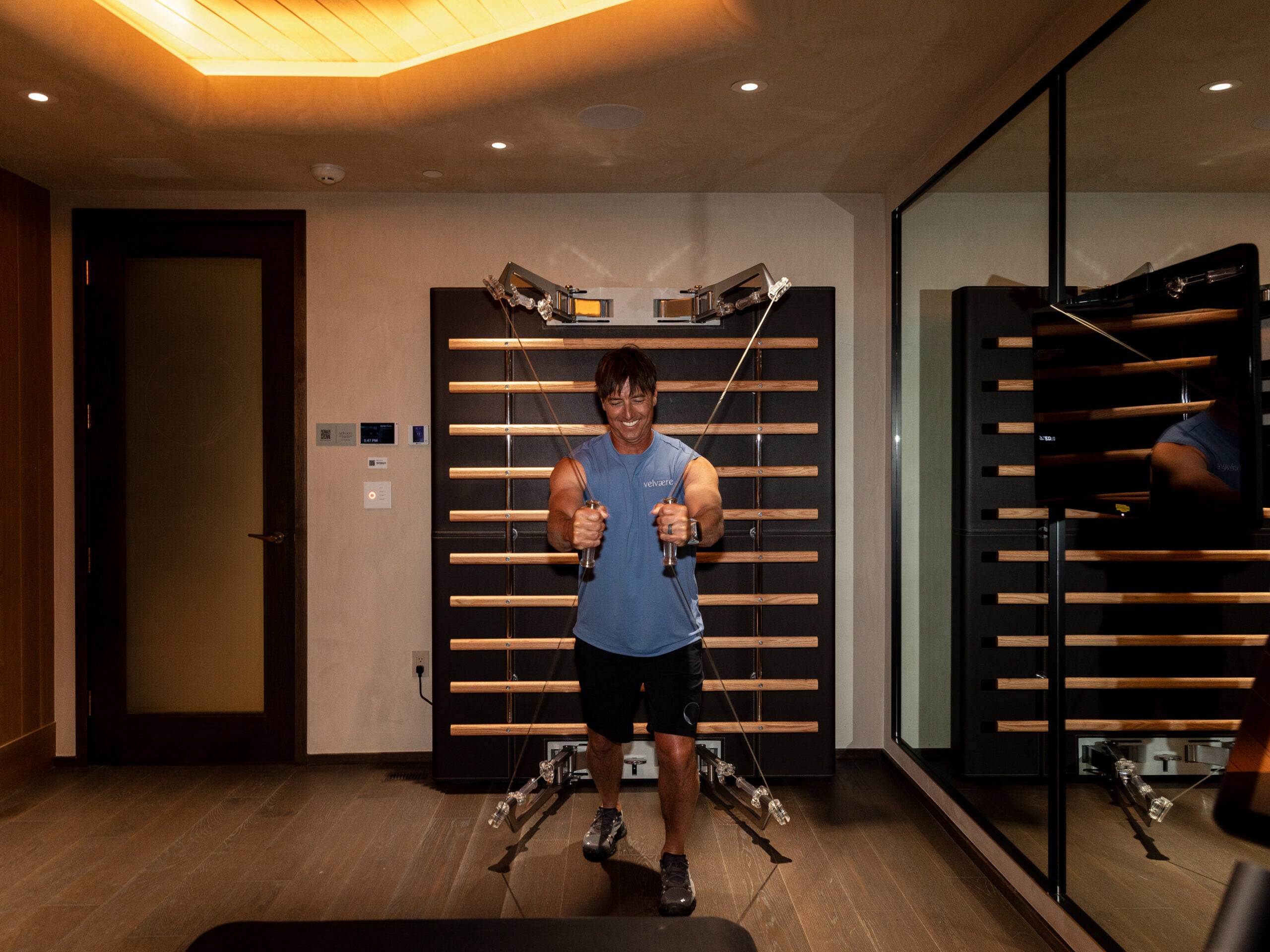
- TechnoGym Ecosystems: High-end equipment that tracks lift velocity and power output.
- Contrast Bath Therapy: Systematic alternating between saunas and cold plunges to stimulate the lymphatic system.
Moseley notes that these advancements represent the logical progression of the heart rate monitors and VO2 max testing that began to permeate the coaching world in the 1990s. While the first wearable heart rate monitor was released by Polar in 1982, it took nearly two decades for the broader athletic community to recognize the profound influence of Heart Rate Variability (HRV) on performance and injury prevention.
The Periodization of the Modern Off-Season
Despite the high-tech assistance, Moseley maintains that fundamental physical exertion remains the cornerstone of ski readiness. His training follows a strict seasonal periodization designed to handle the unique stresses of Tahoe and Park City slopes.
Phase I: The Summer Foundation
During the early summer months, the focus is on hypertrophy and raw strength. Moseley’s morning routine typically begins with 30 to 60 minutes of steady-state cardio, often consisting of hill walks with his dog or treadmill intervals. This is followed by a weight-lifting session focused on compound movements. Historically, his lifting was heavily biased toward the lower body—essential for absorbing the impact of mogul fields—but he has since transitioned to a more balanced, full-body approach to maintain overall structural integrity.
Phase II: The Autumn Transition
As temperatures drop and the ski season approaches, the training shifts toward endurance and lateral specificity. Moseley utilizes slide boards to mimic the side-to-side mechanics of skiing, emphasizing "one-leg training." Single-leg squats and lateral lunges are critical for skiers, as they address the unilateral imbalances that often lead to knee injuries.
Phase III: The Plyometric Peak
To prepare the nervous system for the explosive nature of freestyle skiing, Moseley incorporates plyometrics. "You have to get your body into a little bit of a plyometric mode," Moseley explains, citing box jumps as the gold standard. However, he cautions against jumping directly into high-intensity drills after a period of inactivity. His approach involves "starting small"—using lower heights to condition the tendons and ligaments before moving to maximal vertical or horizontal jumps.
Mobility and the Aging Athlete
A significant shift in Moseley’s philosophy involves the elevation of mobility over pure power. "I’m a hot yoga guy now," Moseley admits, acknowledging that the stiffness associated with decades of high-impact skiing requires a proactive approach to flexibility. Hot yoga provides the dual benefit of deep stretching and heat-acclimation, which aids in blood flow to damaged tissues.
This focus on mobility is a tactical response to the physiological changes that occur as athletes enter their late 40s. Research indicates that after age 40, muscle mass can decrease by approximately 1% per year, while joint capsules and tendons lose elasticity. By prioritizing yoga and functional movement, Moseley is able to maintain a range of motion that allows him to continue skiing at an elite level without the chronic pain often associated with retired professional athletes.
The Broader Impact on Ski Culture and Real Estate
The partnership between a legendary athlete like Moseley and a development like Velvaere reflects a shift in the luxury real estate and ski industries. There is an increasing demand for "wellness-as-a-service" within residential communities. No longer is a simple gym sufficient; high-net-worth individuals and serious amateur athletes now seek the same recovery "bio-hacks" used by professionals.
The economic implications are significant. By branding a community around "athletic potential" and "recovery," developers are tapping into a demographic that views health as the ultimate luxury. Moseley’s endorsement validates the efficacy of these technologies, bridging the gap between Olympic-level science and everyday lifestyle.
Conclusion: A Holistic Approach to the Slopes
Jonny Moseley’s journey from the data-pioneer of 1998 to the AI-assisted athlete of 2025 highlights a fundamental truth in sports science: recovery is as important as the workout itself. While he admits he is not naturally inclined to "slow down" unless forced by injury, he has recognized that a community-focused, wellness-integrated lifestyle is the most effective contributor to sustained performance.
As the ski season nears, Moseley’s regimen serves as a reminder that preparing for the mountains requires a multi-faceted strategy. It is no longer enough to simply "ski oneself into shape." Instead, the modern skier must balance the intensity of plyometrics and weight lifting with the restorative power of technology and mobility work. For Moseley, the goal is no longer a gold medal, but the ability to continue pushing the boundaries of what is possible on the snow for decades to come. Through the integration of AI, traditional strength work, and a renewed focus on recovery, he is proving that the "new-school" attitude he brought to Nagano is just as relevant in the world of longevity as it was in the world of freestyle skiing.
