
The landscape of professional alpine sports has undergone a seismic shift since the late 1990s, transitioning from a reliance on raw athleticism and "gut-feeling" coaching to a highly quantified, data-driven discipline. At the center of this evolution is Jonny Moseley, the 1998 Olympic gold medalist whose career has become a case study in the integration of sports science, innovative movement, and modern recovery technology. As Moseley navigates his fifth decade, his current fitness regimen and his recent partnership with Velvaere—a luxury wellness community in Park City, Utah—highlight a broader trend in the athletic world: the move toward "intelligent longevity." By combining traditional strength training with cutting-edge modalities such as AI-powered robotic massage and cryotherapy, Moseley is demonstrating how the principles that secured him a gold medal in Nagano are being repurposed to maintain peak performance in a new era of sports medicine.
The 1998 Revolution: A Foundation in Data and Innovation
To understand Moseley’s current approach to fitness, one must look back to the 1997-1998 ski season. At the time, freestyle skiing was still finding its identity within the rigid structure of the International Ski Federation (FIS). Moseley, however, approached the sport with a revolutionary mindset that predated the modern obsession with biometrics. While many of his contemporaries relied on high-repetition training and traditional alpine drills, Moseley began tracking his heart rate, keeping meticulous performance journals, and monitoring "second-day soreness"—a primitive but effective precursor to modern Heart Rate Variability (HRV) tracking.
This analytical approach allowed Moseley to peak at the exact moment the world was watching. In the 1998 Nagano Winter Olympics, he didn’t just win; he fundamentally changed the sport. By incorporating a "new-school" attitude—characterized by a snowboard-style mute grab during his 360-degree spins—he bridged the gap between traditional moguls and the burgeoning freeskiing movement. His victory was not merely a result of physical prowess but a calculated execution of a four-year cycle of strain and recovery. As Moseley recently reflected, the Olympic cycle creates a high-stakes environment where an athlete gets essentially "one shot every four years," necessitating an almost obsessive focus on the timing of physical peaks.
The Evolution of Recovery: From the Olympic Training Center to AI
In the decades following his competitive peak, Moseley’s relationship with fitness has transitioned from a pursuit of maximum power to a pursuit of sustainable mobility. His latest endeavor as an ambassador for Velvaere, a wellness-integrated residential community in Deer Valley, represents the pinnacle of this transition. The facility, which features ski-in/ski-out access, serves as a private equivalent to the United States Olympic & Paralympic Training Centers, providing residents and athletes with access to technologies that were once reserved for elite national teams.
Central to this modern recovery suite is an AI-powered robotic massage system. Unlike traditional massage therapy, which is subject to human variability, these robotic systems use advanced sensors to evaluate the musculoskeletal structure of the user before administering a customized treatment. For Moseley, this represents the next frontier of the "geeking out" phase he entered in the 1990s. The integration of such technology—alongside LightStim LED therapy, flotation tanks, and TechnoGym’s latest biometric equipment—signals a shift in the industry where recovery is treated with the same level of precision as the training itself.
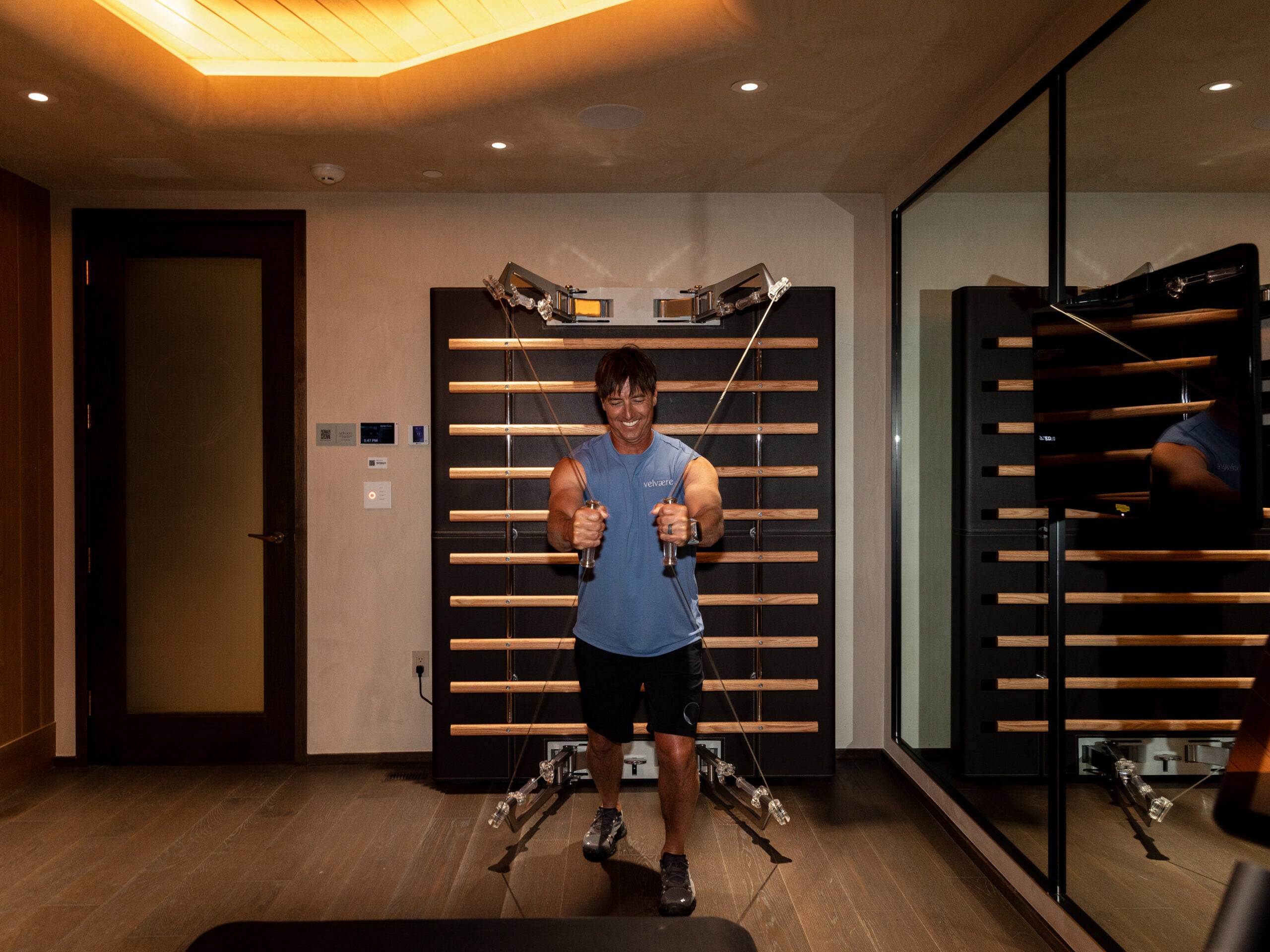
The historical context of these amenities is significant. While heart rate monitors were first introduced to the consumer market in 1982, it took nearly fifteen years for the coaching community to fully grasp their potential for optimizing VO2 max and recovery windows. Today, technologies like cryotherapy and cold plunges—once considered "fringe" treatments—are backed by extensive physiological data suggesting they can significantly reduce systemic inflammation and accelerate tissue repair.
A Seasonal Approach: The Moseley Training Blueprint
Moseley’s current fitness routine is a masterclass in periodization, a method of training that organizes a yearly schedule into specific phases to prevent overtraining and maximize results. His regimen adapts to the changing seasons, ensuring that his body is prepared for the unique stresses of high-altitude skiing.
Summer: The Strength Phase
During the early summer months, Moseley focuses on foundational strength. This involves a strict morning routine that begins with 30 to 60 minutes of cardiovascular work, often consisting of a brisk walk with his dog or a session on the treadmill. This is followed by a weightlifting program centered on compound movements. Historically, his lifting was almost exclusively focused on the lower body—essential for the explosive power required in mogul skiing. However, as he has aged, he has shifted toward a more balanced approach to prevent muscular imbalances.
Autumn: The Endurance and Unilateral Shift
As temperatures drop and the ski season approaches, Moseley’s focus shifts from pure strength to endurance and sport-specific movement. A critical component of this phase is "one-leg training." Because skiing is inherently a unilateral sport—requiring the body to shift weight and maintain balance on one limb at a time—Moseley utilizes slide boards and lateral movement drills to mimic the side-to-side demands of the slopes. This phase is designed to build the stabilizer muscles in the hips and knees, which are crucial for injury prevention.
The Plyometric Mode
Before the first snow falls, Moseley transitions into what he calls "plyometric mode." Plyometrics, or jump training, involves exercises where muscles exert maximum force in short intervals of time. "Box jumps are sort of the gold standard," Moseley notes, though he cautions that the transition from a sedentary state to high-impact jumping can be jarring. His recommendation for the average enthusiast is to start with lower heights to build the necessary tendon stiffness and explosive "pop" required for reactive movements on the snow.
The Role of Mobility and Community in Modern Longevity
Perhaps the most significant change in Moseley’s routine is his embrace of hot yoga and dedicated mobility work. "I’m a hot yoga guy," he admits, highlighting a shift toward flexibility that many veteran athletes eventually adopt. As the body ages, the collagen in connective tissues becomes less elastic, making mobility a prerequisite for performance rather than an afterthought. By integrating hot yoga, Moseley addresses the stiffness associated with years of high-impact skiing while also benefiting from the mental discipline the practice requires.
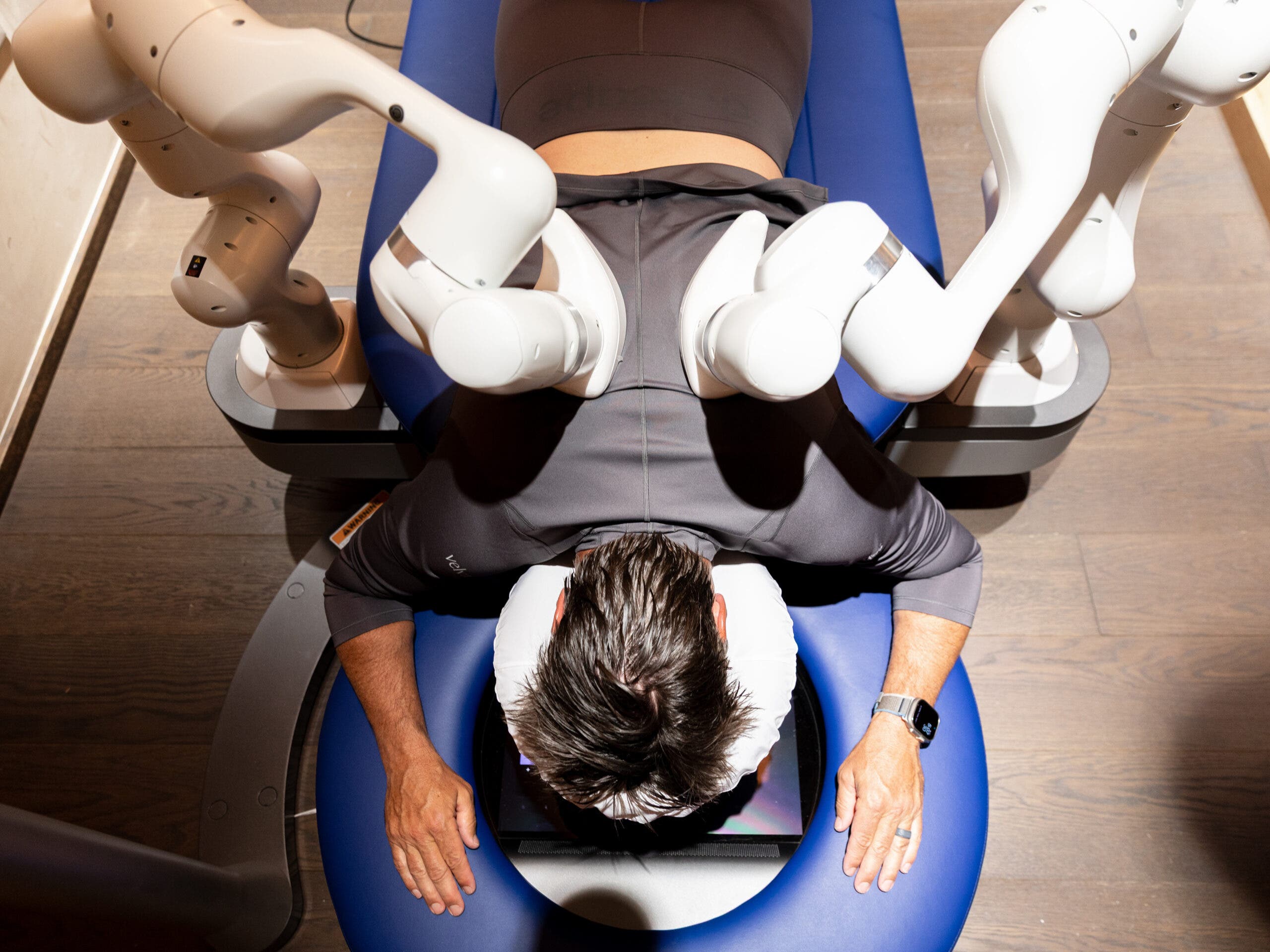
However, Moseley emphasizes that physical tools are only one part of the equation. He posits that being part of a community where wellness is a shared value is one of the greatest contributors to long-term success. The "Velvaere model" reflects this philosophy, creating an environment where recovery and health are integrated into the social and residential fabric. This communal approach to wellness helps athletes maintain consistency, providing the psychological support necessary to stick to rigorous recovery protocols like cold plunges or infrared saunas.
Analysis of Implications: The Future of High-Performance Living
The intersection of Jonny Moseley’s career and the rise of wellness-focused real estate like Velvaere points to a significant trend in the broader economy: the "medicalization" of luxury living. We are seeing a move away from traditional "amenity-rich" developments toward those that offer tangible health outcomes. For the professional athlete, this means the ability to extend a career or maintain a high quality of life long after retirement. For the general public, it represents a trickling down of elite sports science into everyday life.
The use of AI in recovery, as seen in the robotic massage systems Moseley utilizes, is particularly telling. As AI continues to refine its ability to analyze human movement and tension, the "customization" of recovery will become even more granular. We can expect a future where an athlete’s wearable device communicates directly with their recovery equipment, automatically adjusting the intensity of a cryotherapy session or a massage based on the day’s strain data.
Conclusion: The Enduring Legacy of the New-School Mindset
Jonny Moseley’s journey from a gold-medal-winning rebel in Nagano to a sophisticated ambassador for wellness technology is a testament to the power of adaptation. His career reminds us that peak performance is not a static achievement but a continuous process of evaluation and adjustment. By prioritizing dynamic movement, mobility, and technologically-enhanced rest, Moseley is not just looking back at his Olympic glory; he is setting a new standard for what it means to be an athlete in the 21st century.
As the ski season nears, Moseley remains invested in the lifestyle wellness that has kept him on the slopes for decades. While he admits that slowing down is not his natural state, his commitment to recovery ensures that when he does move, he does so with the same precision and "new-school" flair that first captivated the world in 1998. The message for athletes of all levels is clear: the secret to staying in the game is not just how hard you train, but how intelligently you recover.
