
For years, Regan Dewhirst operated within the high-stakes, high-pressure ecosystem of the FIS Alpine Ski World Cup, where every millisecond is scrutinized and every recovery session is a strategic decision. As a key member of the support team for Mikaela Shiffrin—one of the most decorated alpine skiers in history—Dewhirst navigated the complexities of elite sport, balancing physical therapy, injury prevention, and performance optimization. Now, after navigating the grueling demands of an Olympic cycle, Dewhirst has pivoted to a new role at the Green Mountain Valley School (GMVS), seeking to instill these professional-grade principles into the development of young, aspiring athletes.
The transition from the world stage to an academy setting represents more than a career change; it signifies an evolution in how youth ski racing development is approached. While the scale of the operation at GMVS differs from the singular focus of a World Cup campaign, the fundamental requirements for long-term athlete health and performance remain strikingly similar. Dewhirst is currently bridging the gap between clinical physical therapy and on-snow coaching, aiming to foster a culture where student-athletes are as informed about their physical capacity as they are about their technical turns.
A Career Forged in Diverse Experiences
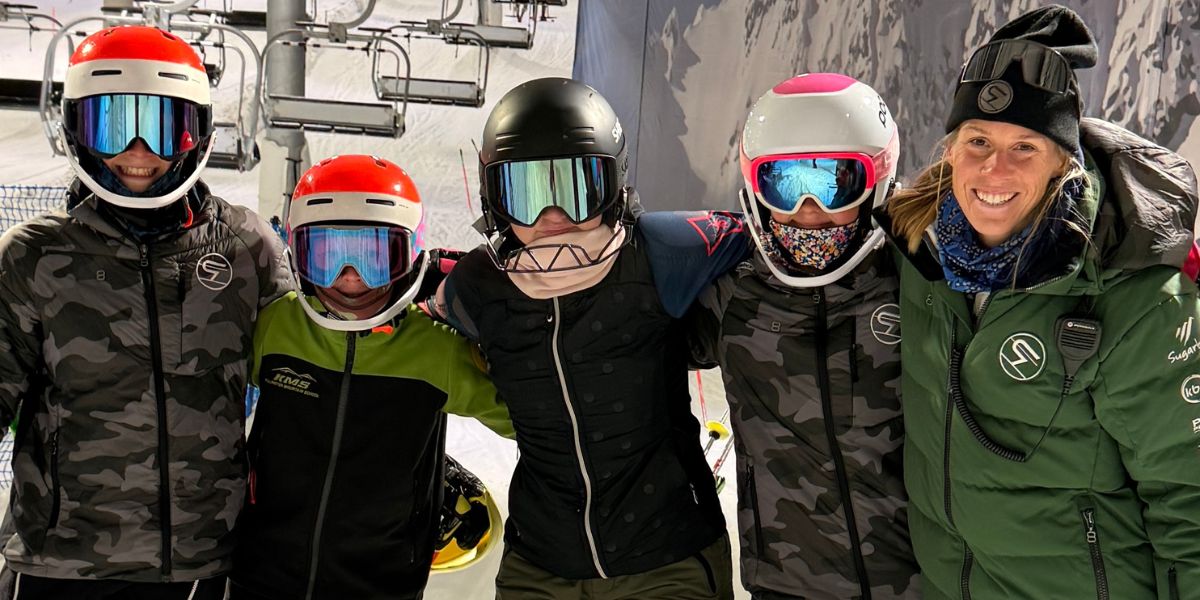
Dewhirst’s trajectory was never linear, a characteristic she often attributes to the organic synthesis of her varied professional interests. A former Division I soccer player at the University of Vermont, her foundation is built on a deep understanding of team dynamics and the rigors of collegiate-level physical demands. Following her undergraduate career, she pursued a doctorate in physical therapy, refining her clinical skills in the competitive sports clinics of Burlington, Vermont.
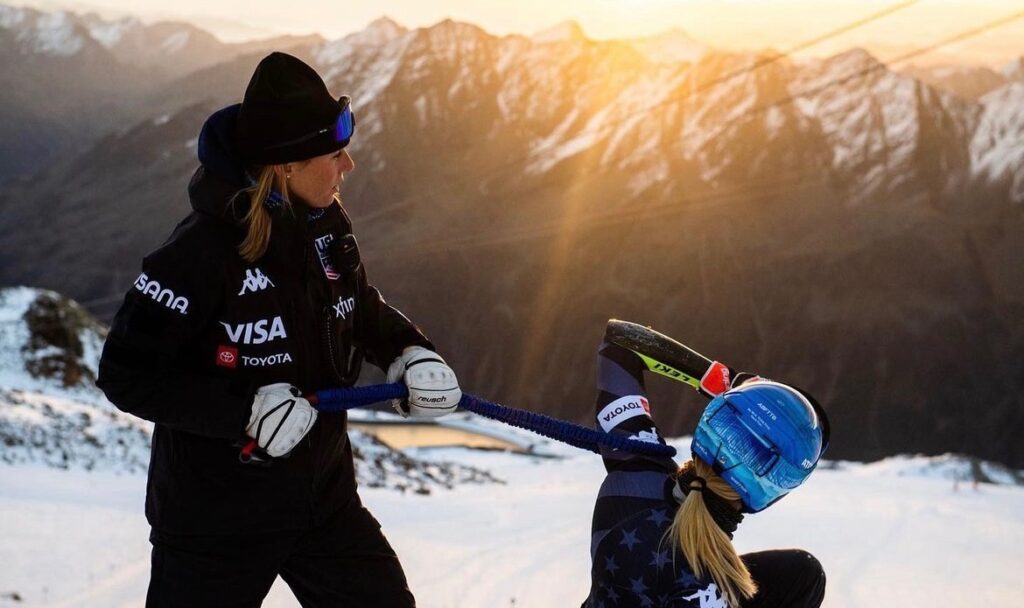
Her entry into the highest echelon of skiing was facilitated by a combination of lifelong connections and professional expertise. Having grown up in the same circles as Shiffrin, Dewhirst was uniquely positioned to understand the athlete’s personal and professional needs. Following the 2018 Winter Olympics in Pyeongchang, the partnership began in earnest, spanning several years of World Cup circuits, World Championship events, and the intense lead-up to the subsequent Olympic Games. This period required constant travel, rigorous medical monitoring, and a high degree of emotional intelligence to manage the pressures inherent to a global spotlight.
The Decision to Transition
The decision to step away from the World Cup circuit was not a departure from the sport, but rather a realignment of professional priorities. After witnessing the relentless pace of elite racing, Dewhirst sought an environment where she could apply her expertise in a capacity that allowed for more stability and direct mentorship. She notes that the timing was dictated by a sense of completion; she and the team had achieved the goals they set out to accomplish during their tenure together.

This move to GMVS allows her to return to her roots in youth development, an area she explored earlier in her career through coaching at the Quechee Ski Club and within the GMVS Junior Race Program. In this new capacity, she acts as a multifaceted resource—a physical therapist, a strength and conditioning coach, and a mentor—who observes the students not just in the gym, but in their daily lives as they juggle academics, extracurriculars, and training.
The Philosophy of the Whole Athlete
At the heart of Dewhirst’s methodology is the concept of the "whole athlete." In the high-performance world, physical data is often isolated from psychological and environmental factors. However, the reality of both elite and youth sport is that performance is a culmination of sleep quality, academic stress, travel fatigue, and nutritional status.
For the average high school student, these stressors are compounded by the developmental changes of adolescence. Adolescents, while physically resilient, often lack the vocabulary to articulate when their body is nearing a threshold of exhaustion or when their mental focus is compromised. By implementing the same level of holistic observation she used with Shiffrin, Dewhirst is teaching young athletes to self-regulate. She emphasizes that understanding one’s own body is a skill that must be cultivated, much like technical skiing skills.
Implementing the Minimum Effective Dose
A critical pillar of Dewhirst’s training philosophy is the "minimum effective dose." This principle, which she refined during years of managing the training volume of an elite athlete, argues that more is not always better. In the context of a 14-year-old athlete, this is particularly relevant. These students face a volatile schedule of early morning snow sessions, afternoon dryland training, and evening academic requirements.
Dewhirst is currently evaluating the yearly training load of GMVS students to ensure that training intensity does not come at the cost of long-term development. By identifying when an athlete has achieved the goal of a specific training session—rather than simply pushing to hit a time quota—she is working to prevent overtraining and burnout. This approach requires frequent, often difficult, conversations with other staff members, coaches, and administrators to ensure that the athlete’s total load remains sustainable.
Proactive Injury Prevention and Clinical Integration
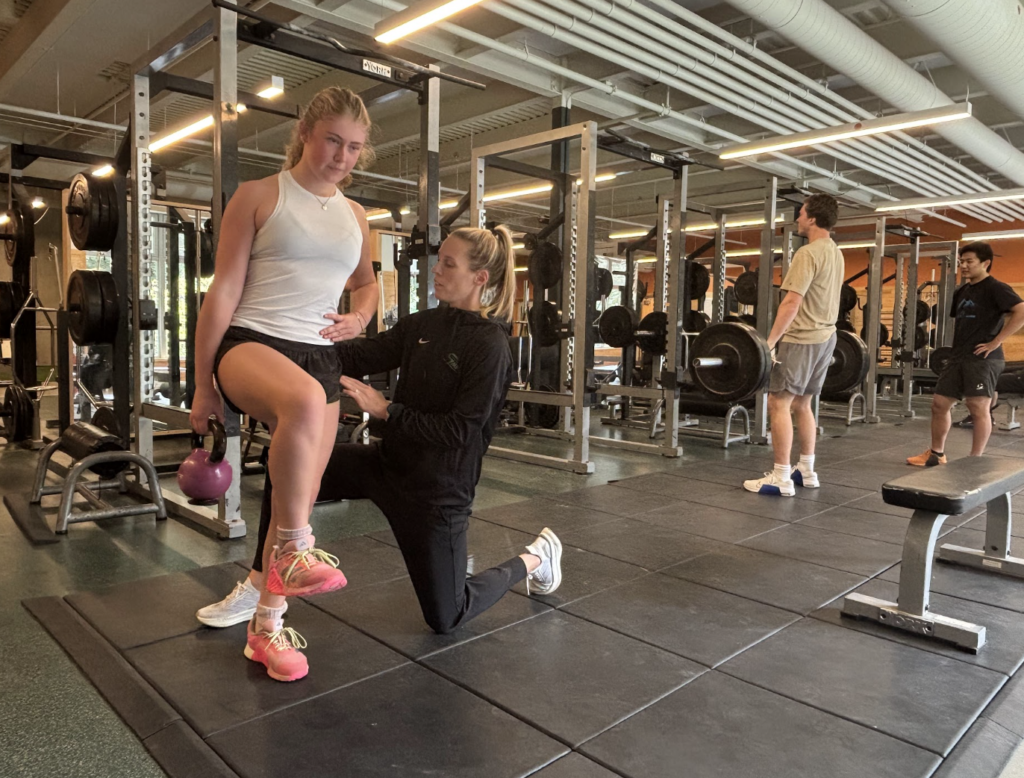
One of the most significant advantages of Dewhirst’s presence at the school is the ability to monitor athletes across multiple settings. In traditional athletic environments, there is often a disconnect between the coach, who sees the skier on the mountain, and the physical therapist, who sees the athlete in the clinic. By bridging this gap, Dewhirst can identify biomechanical compensations before they manifest as acute injuries.
For example, she can correlate a specific movement pattern observed on the slopes during a morning drill with a structural weakness detected during a strength assessment in the afternoon. This proactive intervention—addressing a motor-control issue before it results in a ligamentous tear or stress injury—is a cornerstone of her approach. It shifts the paradigm from reactive rehabilitation to proactive performance enhancement.
Redefining Return-to-Sport Protocols
In the world of professional sports, public narratives often focus on the timeline of an athlete’s return from injury, with headlines frequently citing "six-month" or "nine-month" windows. Dewhirst contends that these timelines are often arbitrary and potentially dangerous for young athletes. Instead, she advocates for a strict, criteria-based progression.
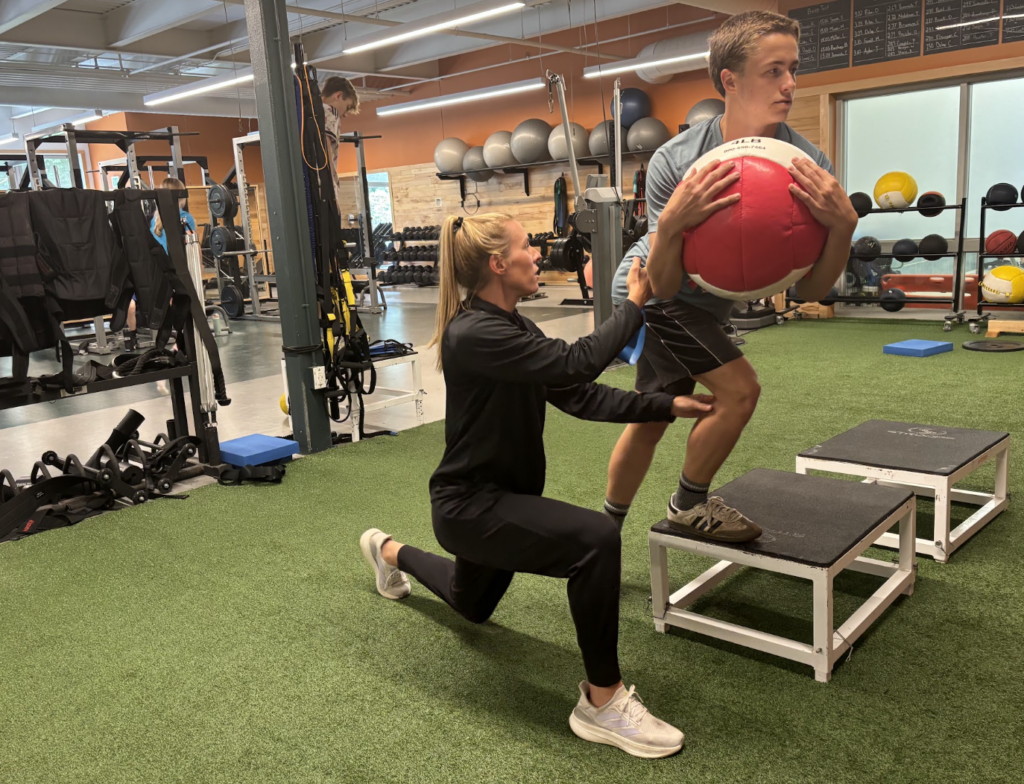
In this framework, an athlete does not advance to the next stage of rehabilitation because a calendar date has passed, but because they have achieved objective, measurable strength and mobility benchmarks. Furthermore, she recognizes that "medical clearance" is not synonymous with "competitive readiness." Returning to the snow involves navigating variables like ice, variable terrain, and the psychological weight of a previous injury. Her protocol involves graduated exposure to these variables, ensuring that by the time the athlete returns to the start gate, they are physically and mentally equipped to handle the demands of the sport.
A Collaborative Culture of Communication
The success of Dewhirst’s role at GMVS is contingent upon a robust communication network. She facilitates a dialogue between medical staff, nutritionists, high-performance coaches, and the students themselves. This is not always a frictionless process; she acknowledges that professional disagreement is a healthy and necessary component of a high-performance environment. When a coach wants to push an athlete’s volume and the medical team suggests a recovery day, the ensuing debate is, in her view, the most effective way to advocate for the athlete’s long-term health.
The Ultimate Goal: Empowered Humans

While the tangible metrics of success—such as reduced injury rates and improved performance benchmarks—are important, Dewhirst’s ultimate objective is less quantifiable. She is invested in the development of "all-around good humans" who possess the self-awareness to advocate for their own needs.
In the high-pressure world of competitive alpine skiing, the ability to recognize one’s own limitations, communicate those needs effectively to a support team, and maintain a balanced perspective is perhaps the most valuable asset an athlete can possess. By bringing the lessons of the World Cup to the formative years of these students, Dewhirst is ensuring that the next generation of ski racers is not only faster and stronger but also more resilient and self-sufficient. As she continues her work at GMVS, the impact of this holistic approach will likely be measured not just in race results, but in the sustained longevity and personal growth of the student-athletes under her guidance.

